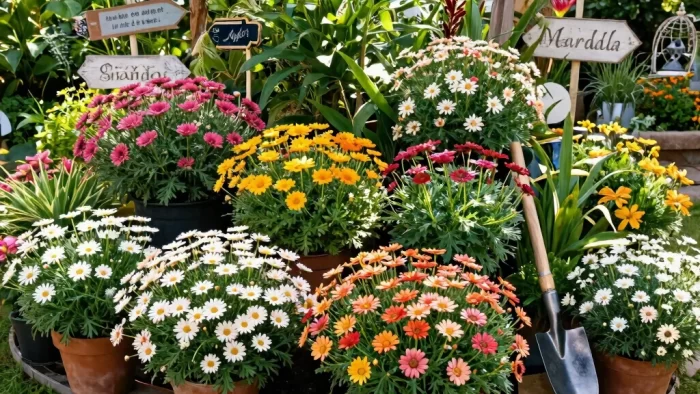
I still remember the first time I planted daisies in my garden—their cheerful blooms instantly made the whole space feel brighter and happier.
Exploring different Types of Daisies completely changed how I style both my garden and indoor flower arrangements.
From classic Shasta daisies to colorful Gerbera daisies and vibrant African daisy varieties, each one brings its own unique charm.
If you love flowers that feel timeless, fresh, and easy to style, learning about the different Types of Daisies can help you choose the perfect bloom for your home or garden
- 1. Shasta Daisy
- 2. Gerbera Daisy
- Gerbera Daisy
- Dr. Earth Flower Girl Bud & Bloom Booster 4-10-7 Fertilizer, 4 lbs, 4 li…
- Espoma Flower-Tone Fertilizer – Natural & Organic for Abundant Blooms – …
- Espoma Organic Flower-Tone 3-4-5 Natural & Organic Plant Food; 4 lb. Bag…
- Espoma Organic Plant-Tone 5-3-3 Natural & Organic All Purpose Plant Food…
- Organic All-Purpose Liquid Plant Food – Use on All Outdoor Plants: Flowe…
- 📹 Related Video: How To Grow Gerbera From Seeds For Free | FULL INFORMATION
- Gerbera Daisy
- 3. African Daisy
- African Daisy
- FoxFarm Ocean Forest Potting Soil for Container Gardens – Light, Aerated…
- Coast of Maine Organic & Natural Planting Soil for Roses & Flowers – Pre…
- Groundswell Performance Soil, All Purpose Potting Soil for Plants, Garde…
- Sunday Organic Potting Soil and Flower Plant Food Bundle, Peat-Free Pott…
- Organic Mechanics Cactus and Succulent Blend Potting Soil, 8 qt – Well-D…
- African Daisy
- 4. Leucanthemum Daisy
- 5. Gloriosa Daisy
- 6. Daisy Fleabane
- 7. Painted Daisy
- 8. English Daisy
- English Daisy
- Wells Lamont Women's Water-Resistant Leather Work Gloves | Puncture Resi…
- Garden Kneeler and Seat – 2-in-1 Foldable Garden Kneeling Pad and Stool …
- Walensee Foldable Garden Kneeler and Seat Bench with Cross-Body Tool Bag…
- FLINTER Garden Kneeler and Seat, 10.2" Wider Heavy Duty Thick Gardening …
- RAIN SPIRIT Garden Kneeler and Seat with Thicken & Widen Soft Kneeling P…
- English Daisy
- 9. Pawlonia Daisy
- 10. Michaelmas Daisy
- 11. Toothed Daisy
- Toothed Daisy
- Miracle Gro Garden Soil Flowers, 1.5 cu. ft.
- Espoma Flower-Tone Fertilizer – Natural & Organic for Abundant Blooms – …
- Miracle-Gro Water Soluble Bloom Booster Flower Food, Plant Food for Annu…
- Farmer’s Secret Fruit & Bloom Booster Fertilizer (32oz) – Super Concentr…
- Organic Plant Magic – Truly Organic™ Slow Release Granular Fertilizer : …
- Toothed Daisy
- 12. Spanish Daisy
- 13. Coreopsis Daisy
- 14. Blanket Flower Daisy
- Blanket Flower Daisy
- Coast of Maine Organic & Natural Planting Soil for Vegetables & Tomatoes…
- Espoma Organic Raised Bed Mix – All Natural and Organic Potting Soil Mix…
- Brut Organic Potting Soil 1 CU FT – Premium Plant Soil with Organic Worm…
- Espoma Organic Potting Soil Mix – All Natural Potting Mix for All Indoor…
- Groundswell Performance Soil, All Purpose Potting Soil for Plants, Garde…
- Blanket Flower Daisy
- 15. Daisy Bush
- Conclusion
- Frequently Asked Questions
1. Shasta Daisy
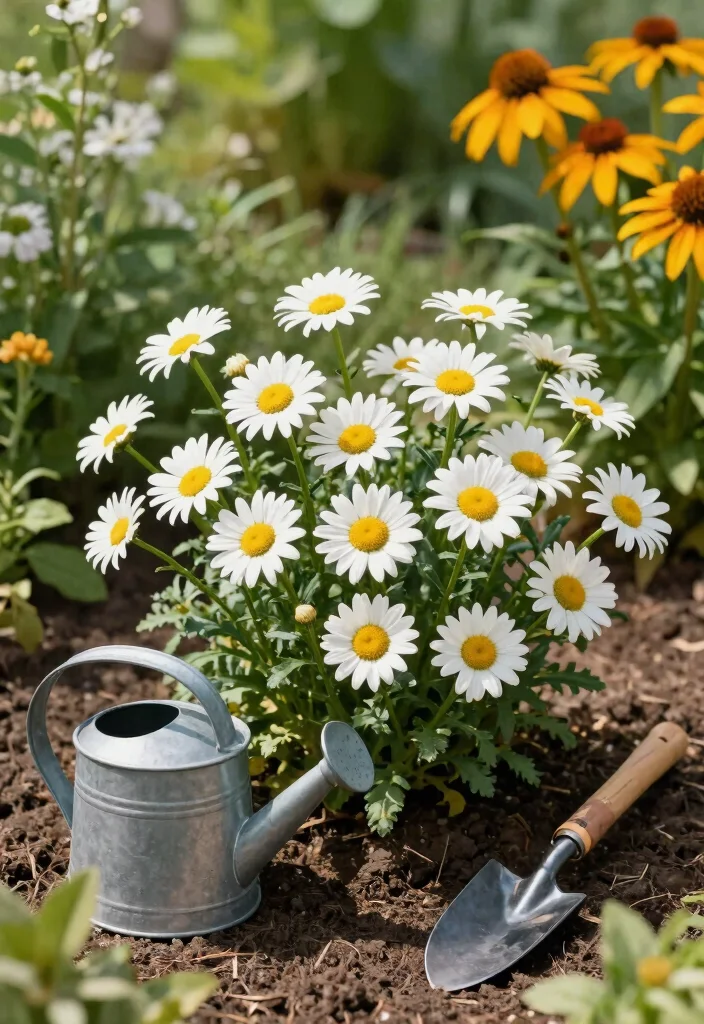
If you’re seeking a classic flower that embodies timeless beauty, the Shasta Daisy is your ideal choice. With its radiant white petals and cheerful yellow center, it brings a sense of freshness to any garden space.
Standing at about 3 feet tall, this daisy creates stunning borders or can serve as a standout accent plant for your floral arrangements.
To maximize their potential, plant them in well-drained soil and ensure they receive plenty of sunlight. Regular deadheading encourages even more blooms, extending their beauty from early summer through fall.
Get started with these essential tips:
– Space plants 12 to 18 inches apart for optimal growth.
– Remove spent blooms to promote new flowers.
The Shasta Daisy is not only easy to care for but also pairs beautifully with other perennials, enhancing the depth and appeal of your garden.
2. Gerbera Daisy
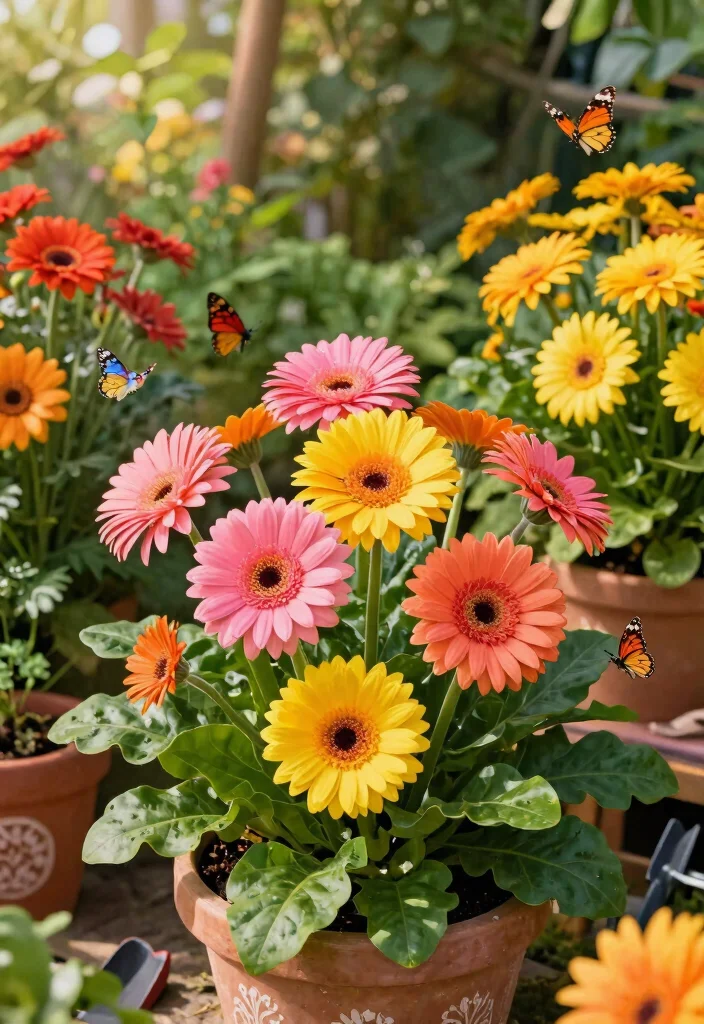
For those who crave vibrant colors in their gardens, the Gerbera Daisy delivers in spades. Available in stunning shades like pink, orange, yellow, and purple, these flowers are sure to energize your outdoor space.
Each bloom can reach up to 5 inches across, making them a striking focal point.
Plant Gerbera Daisies in sunny spots, whether in pots or directly in the ground. They not only beautify your garden but also attract butterflies, adding life to your surroundings.
Here’s how to care for them:
– Ensure excellent drainage to prevent root issues.
– Fertilize regularly to maintain vibrant flowers.
With their cheerful nature, Gerbera Daisies make delightful cut flowers, brightening up any bouquet you create.
Gerbera Daisy
Editor’s Choice





📹 Related Video: How To Grow Gerbera From Seeds For Free | FULL INFORMATION
3. African Daisy
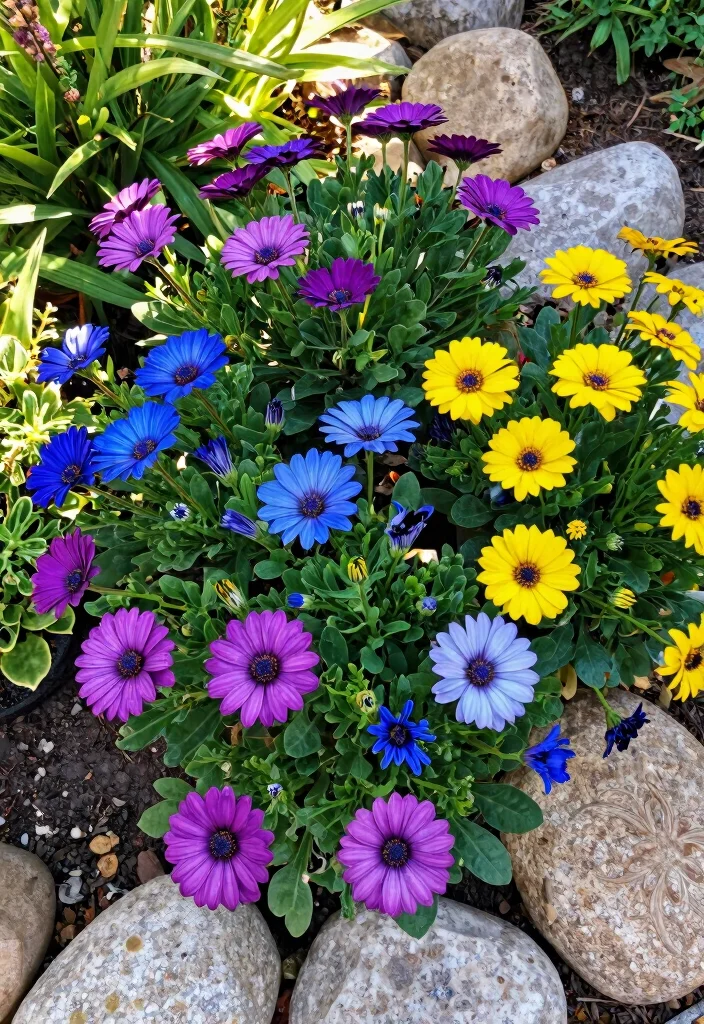
The African Daisy, or Osteospermum, is a colorful twist on the traditional daisy that will catch your eye. With vibrant hues ranging from blues and purples to yellows, these flowers are perfect for adding visual interest to your garden.
They are resilient and thrive in sunny, dry conditions, blooming from spring to fall.
To ensure their health, plant them in well-drained soil and remove faded flowers regularly to encourage new growth.
Their adaptability makes them great for rock gardens or as ground cover, where they can spread beautifully.
Follow these care tips:
– Choose well-drained soil to avoid root rot.
– Deadhead spent blooms for ongoing flowers.
With their stunning colors and resilience, African Daisies are an excellent way to enhance your garden’s appeal.
African Daisy
Editor’s Choice


4. Leucanthemum Daisy
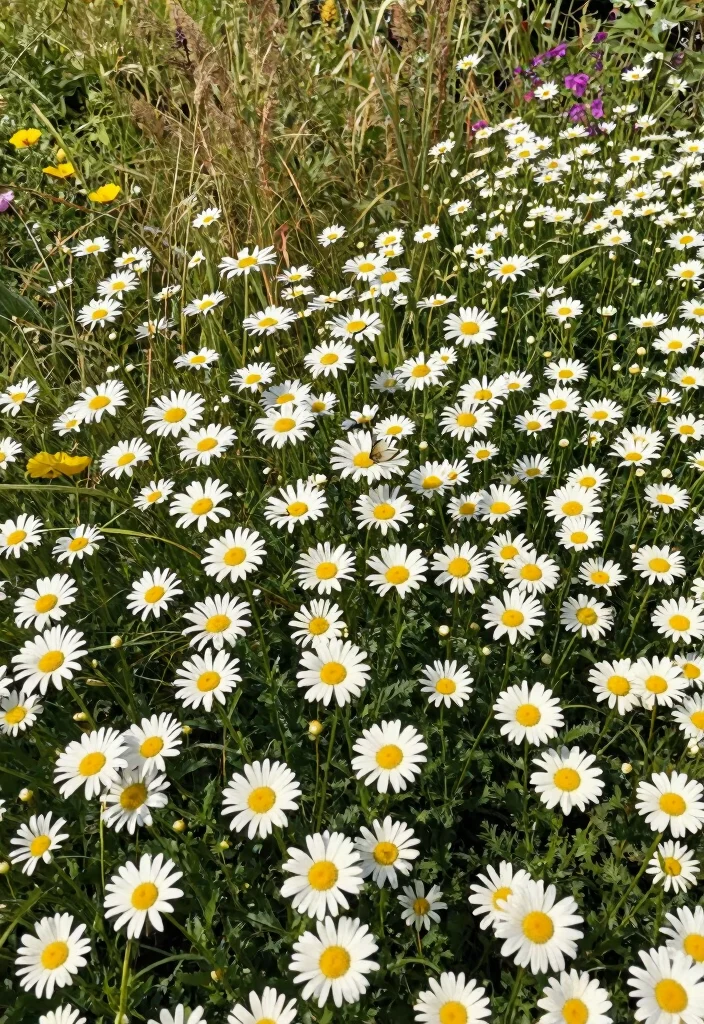
Also known as the Oxeye Daisy, the Leucanthemum Daisy is cherished for its classic white petals and sunny yellow centers. These daisies can thrive in diverse conditions, making them an easy favorite among gardeners. Growing up to 3 feet tall, they add a wildflower charm to any garden setting.
Plant them in sunny spots, as they can handle partial shade too. Dividing clumps every few years ensures they remain healthy and abundant.
Consider these planting tips:
– They thrive in sunny areas but can tolerate some shade.
– Divide clumps every few years for optimal growth.
Leucanthemum Daisies are perfect for cottage gardens or wildflower patches, bringing a natural and inviting feel to your outdoor space.
5. Gloriosa Daisy
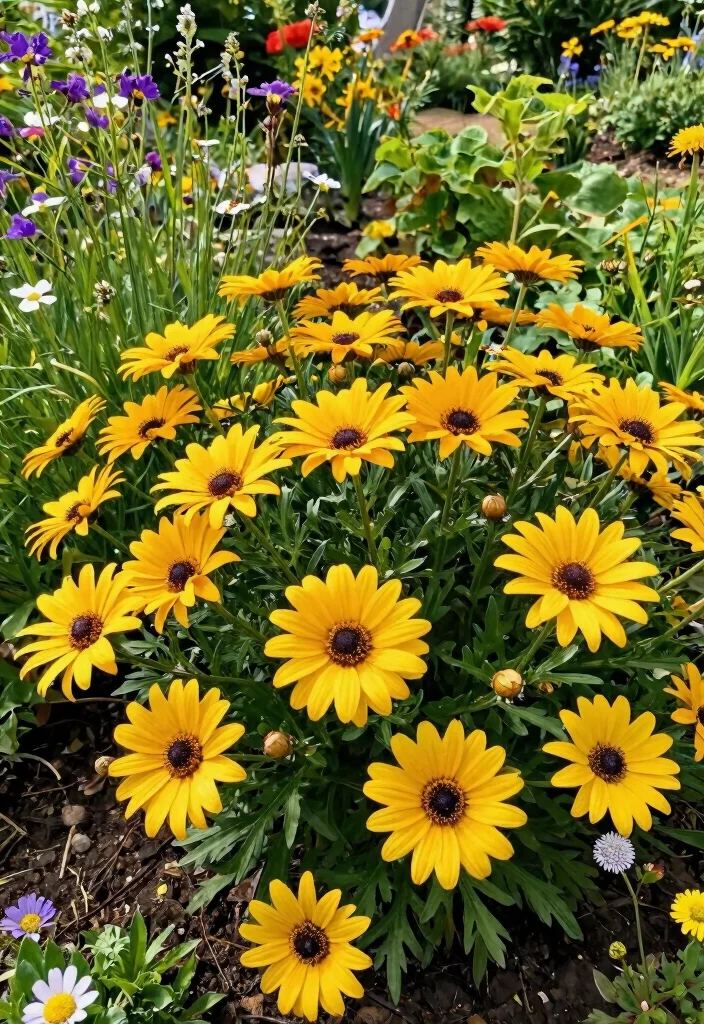
The Gloriosa Daisy, or Rudbeckia hirta, is a standout with its bold golden-yellow petals and dark brown centers.
Not only is this daisy visually stunning, but it’s also hardy and drought-resistant, making it a fantastic choice for low-maintenance garden areas.
These beauties bloom from mid-summer to fall, drawing in pollinators like bees and butterflies.
To keep them thriving, plant them in full sun and don’t hesitate to deadhead regularly to extend their blooming period.
Get started with these care tips:
– They thrive in full sun and can handle poor soil.
– Keep deadheading to enjoy a longer bloom time.
Gloriosa Daisies add a vibrant splash of color to your garden, making them ideal for wildflower gardens or natural landscapes.
6. Daisy Fleabane
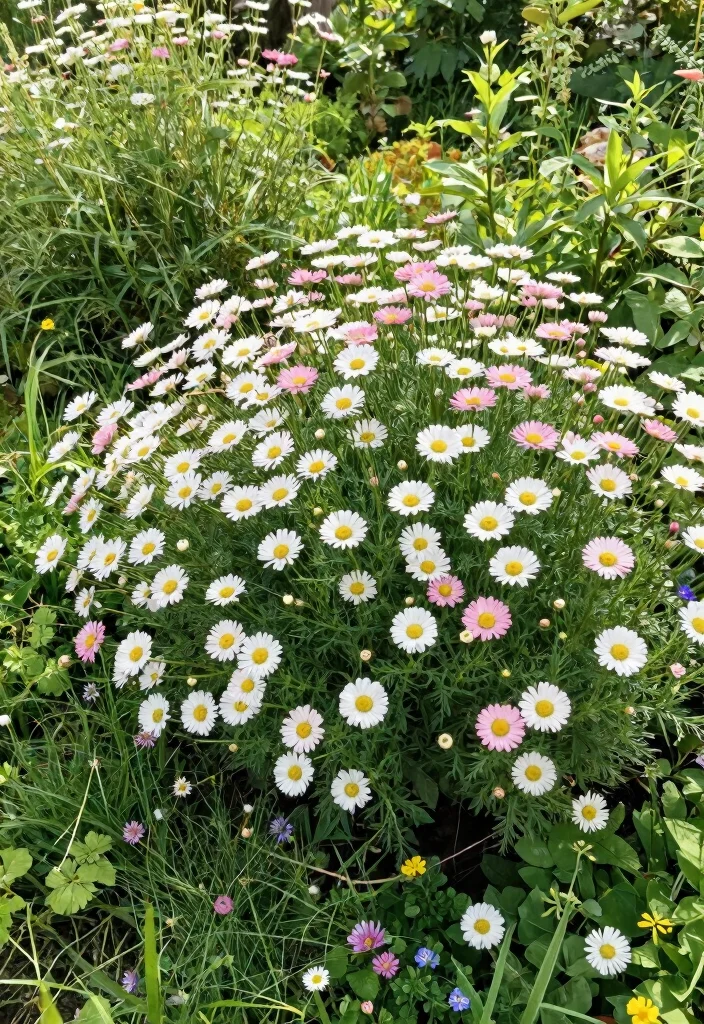
The Daisy Fleabane, or Erigeron, is a charming little flower that brings a soft touch to your garden. Featuring petite white or pale pink blooms with bright yellow centers, they create a delicate, airy effect.
These daisies thrive in full sun and can self-seed, making them perfect for low-maintenance gardens.
Allowing them to self-seed can create natural spreading, enhancing your garden’s wildflower appeal. Pair them with other wildflowers for a whimsical landscape.
Here’s how to plant them:
– Let them self-seed for natural growth.
– Combine with wildflowers for a playful touch.
Daisy Fleabane’s subtle beauty is perfect for filling gaps in your perennial garden or achieving a naturalistic look.
7. Painted Daisy
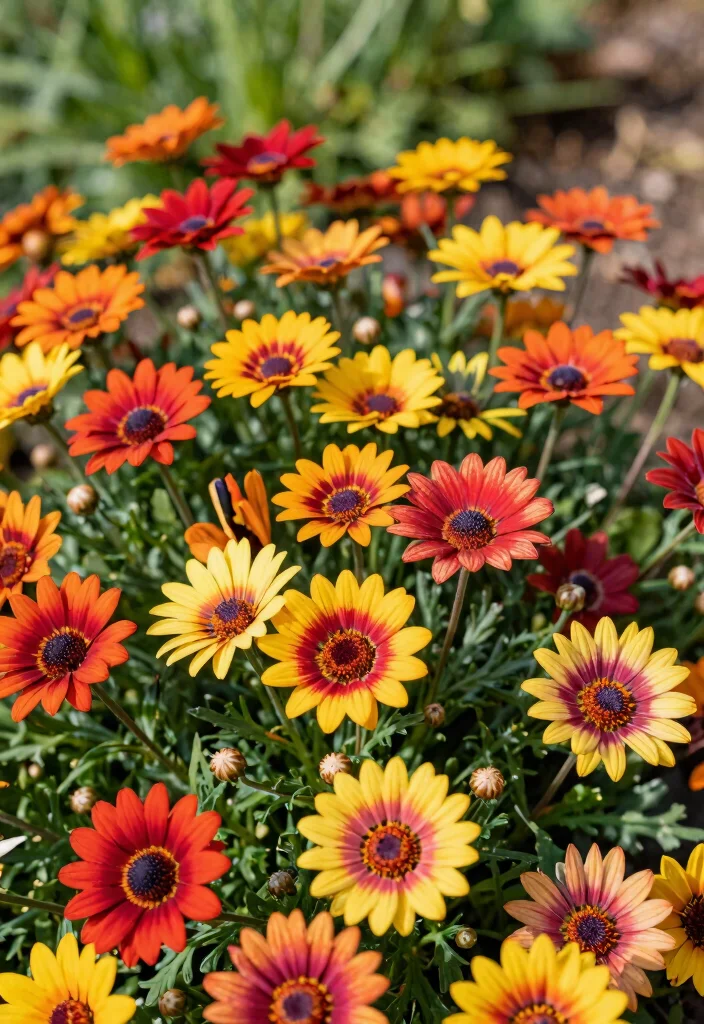
The Painted Daisy is an attention-grabbing flower featuring vibrant hues and unique patterns. Blooming in shades of red, yellow, and orange, these daisies stand out and add a lively touch to any garden.
They thrive in full sun and can be used in borders, containers, or as striking cut flowers.
To keep them flourishing, ensure regular watering, especially during dry spells, and deadhead spent blooms to encourage new flowers.
Consider these care tips:
– Water consistently to prevent drought stress.
– Deadhead regularly for more blooms.
Painted Daisies serve as a gorgeous focal point in your garden, drawing attention with their lively colors and patterns.
You might also like
8. English Daisy
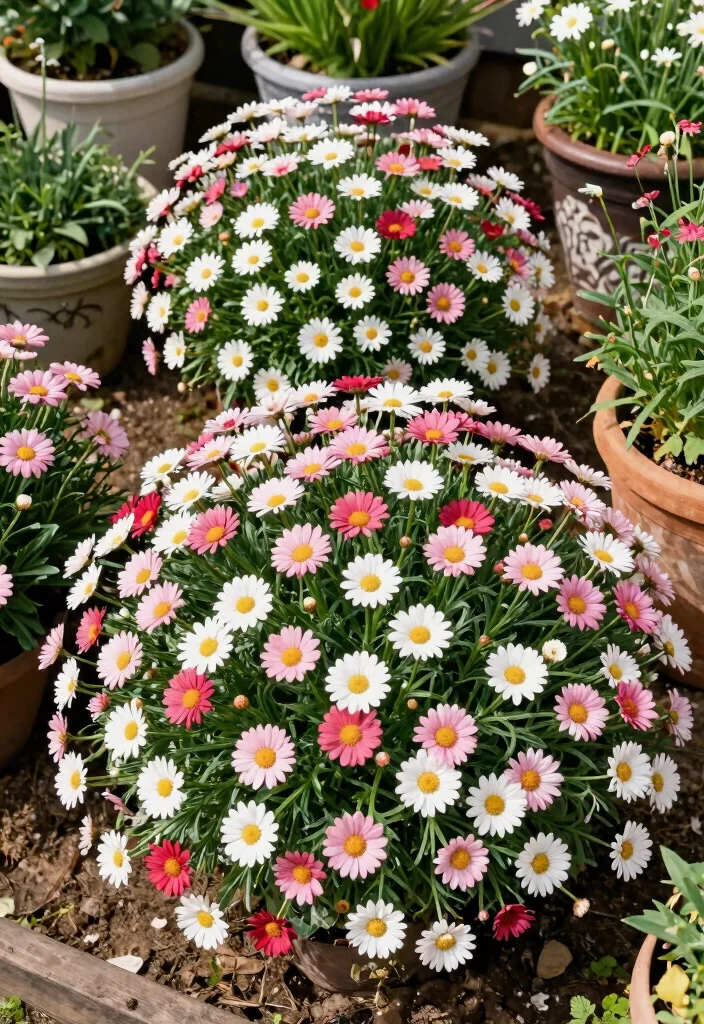
The English Daisy, or Bellis perennis, is a classic favorite that adds a delightful touch to gardens.
With its small, round flowers in cheerful colors like white, pink, and red, these daisies are perfect for ground cover or container planting. They bloom from early spring until late fall, offering a long, colorful growing season.
Plant them in well-drained soil and ensure they receive partial shade to full sun. Regular deadheading promotes a longer bloom period, enhancing their beauty throughout the season.
Keep these tips in mind:
– Opt for well-drained soil for best results.
– Deadhead spent flowers to encourage more blooms.
The English Daisy is a charming choice that brings nostalgia and warmth to any outdoor space.
English Daisy
Editor’s Choice


9. Pawlonia Daisy
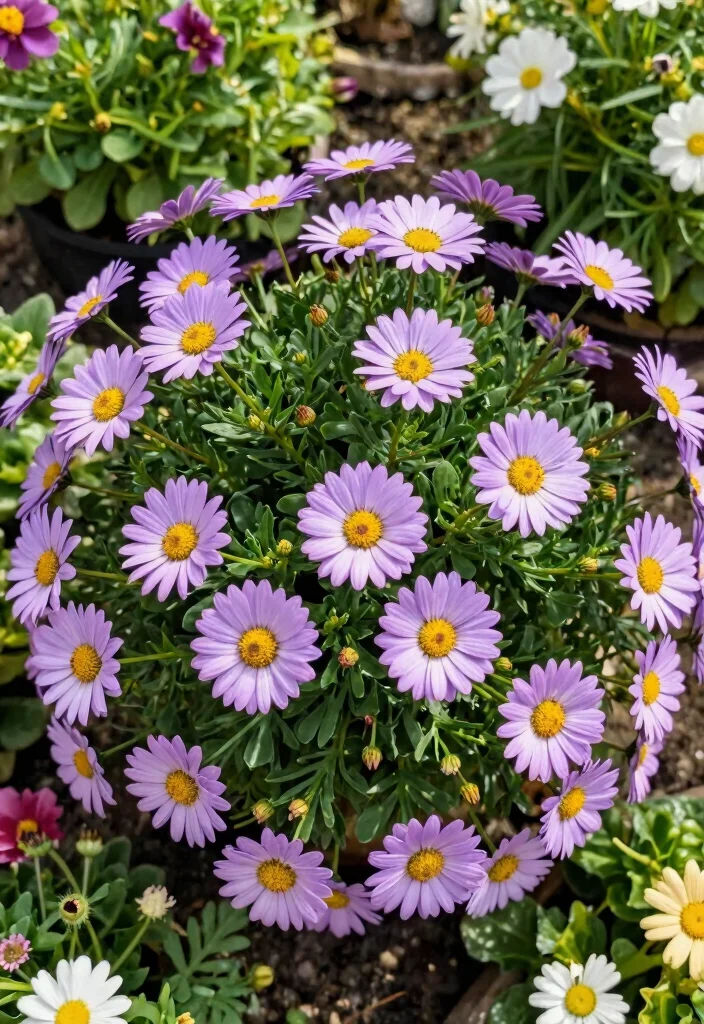
The Pawlonia Daisy offers a delightful twist on the classic daisy with its lovely lavender petals and bright yellow center. Reaching up to 2 feet in height, these daisies thrive in full sun and make a charming addition to borders or mixed flower beds.
Blooming from early summer to fall, they attract various pollinators, making them great for bee-friendly gardens.
For optimal growth, plant them in well-drained soil and water regularly during dry spells. Pair them with contrasting colors for a stunning visual display.
Follow these care tips:
– Choose well-drained soil for best results.
– Water consistently, especially during dry periods.
Pawlonia Daisies add a splash of color, brightening any dull garden corner.
10. Michaelmas Daisy
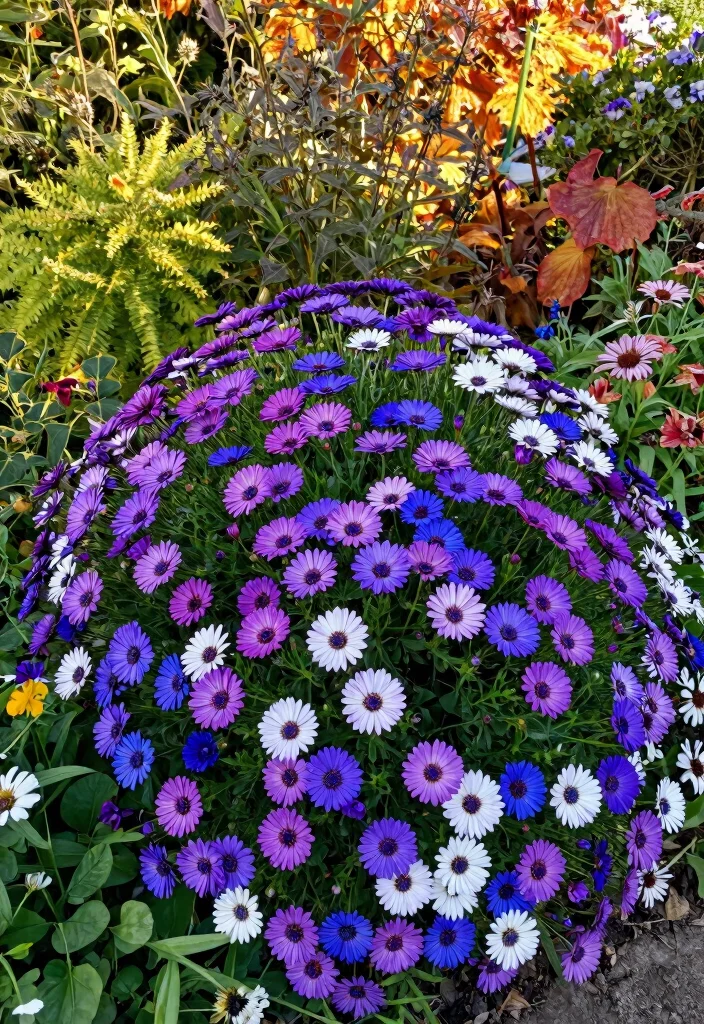
The Michaelmas Daisy, or Aster novi-belgii, is a striking fall-blooming flower that extends your garden’s color into the cooler months.
Available in shades of purple, blue, and white, these daisies add versatility to any garden design. Perfect for mid to late summer planting, they provide beautiful contrast to summer blooms.
To ensure they thrive, plant them in well-drained soil and sunny locations. Regular watering is essential, especially during their growing season.
Consider these planting tips:
– Opt for well-drained soil for optimal growth.
– Ensure regular watering, especially in the growing season.
Michaelmas Daisies attract late-season pollinators and are sure to be a highlight in your autumn garden display.
11. Toothed Daisy
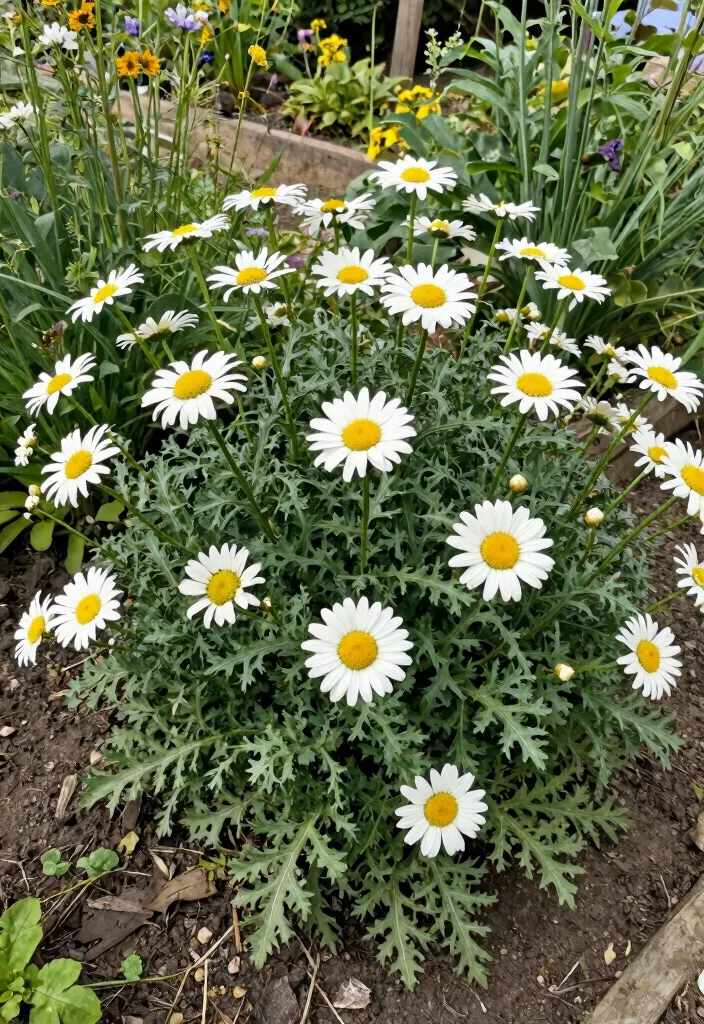
The Toothed Daisy, or Bellis americana, is unique with its serrated leaves and distinctive blooms. Featuring bright white petals surrounding a sunny yellow center, these daisies add a special touch to your garden.
They make an excellent choice for wildflower gardens or mixed beds, offering texture that contrasts beautifully with smoother-leaf varieties.
They thrive in various soil types but prefer well-drained conditions. Regular deadheading will encourage new blooms, keeping your garden vibrant.
Keep these care tips in mind:
– Ensure good drainage for healthy growth.
– Regularly deadhead to promote blooming.
The Toothed Daisy can create a rustic, natural feel in your garden, perfect for those embracing an organic style.
Toothed Daisy
Editor’s Choice


12. Spanish Daisy
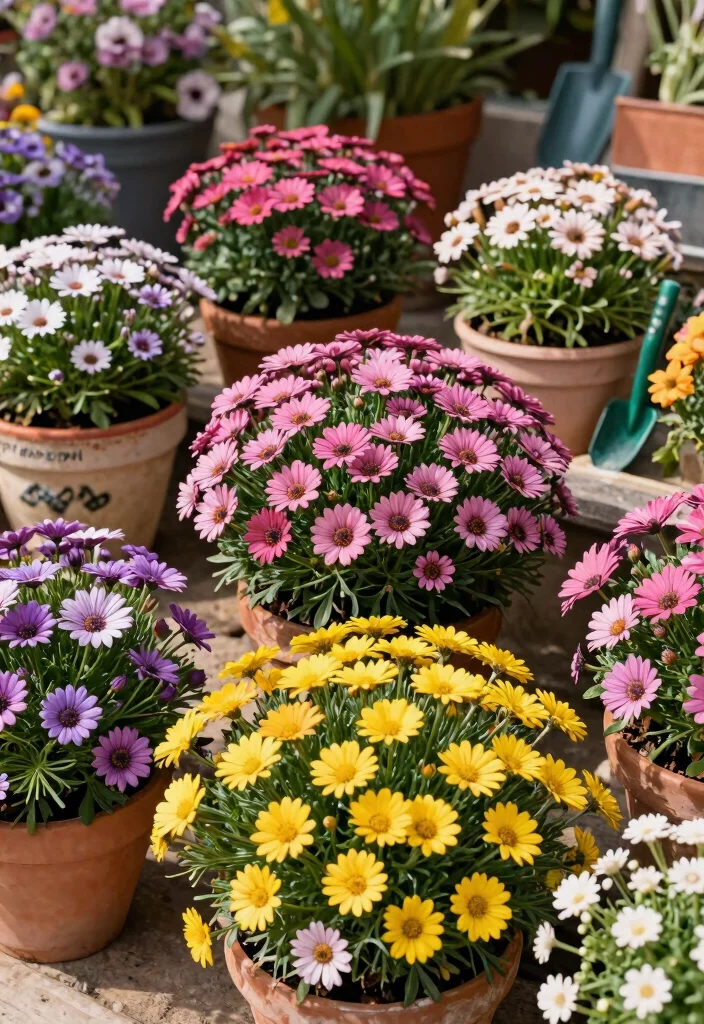
The Spanish Daisy, or Bellis perennis, is celebrated for its vibrant colors and bushy growth. These daisies come in an array of shades, making them an exciting choice for any garden layout.
Blooming from spring through summer, they infuse energy and life into your floral display.
To plant them successfully, choose well-drained soil and a sunny spot. Regular watering will help them thrive and stay vibrant.
Consider these planting tips:
– Select well-drained soil for optimal growth.
– Water consistently to keep them flourishing.
Spanish Daisies are wonderful additions to flower beds or hanging baskets, creating dazzling displays wherever they are placed.
13. Coreopsis Daisy
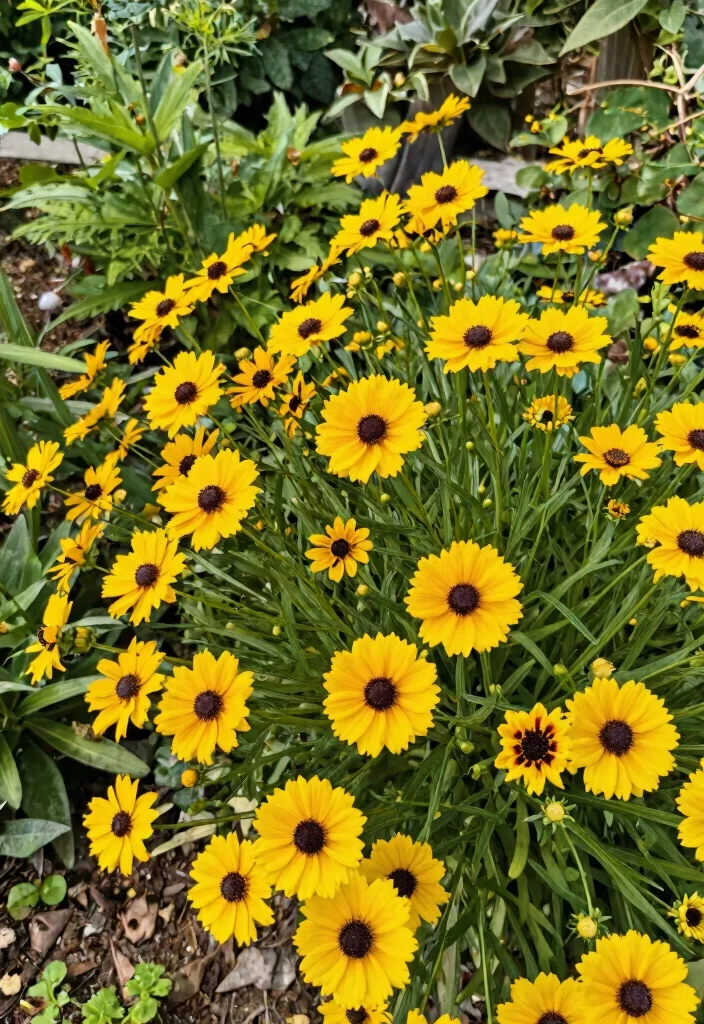
The Coreopsis Daisy, commonly known as tickseed, is a cheerful flower featuring bright yellow petals and a dark center. Blooming profusely throughout the summer, these daisies create a sunny atmosphere in any garden.
They can grow up to 2 feet tall and thrive in sunny areas, making them perfect for borders or as stand-alone plants.
For best results, plant them in well-drained soil and enjoy their drought tolerance once established. Regular deadheading encourages more blooms, keeping your garden looking tidy.
Follow these care tips:
– Choose well-drained soil for best growth.
– Deadhead regularly to promote blooming.
Coreopsis Daisies not only add visual appeal but also attract butterflies, enhancing the liveliness of your outdoor space.
14. Blanket Flower Daisy
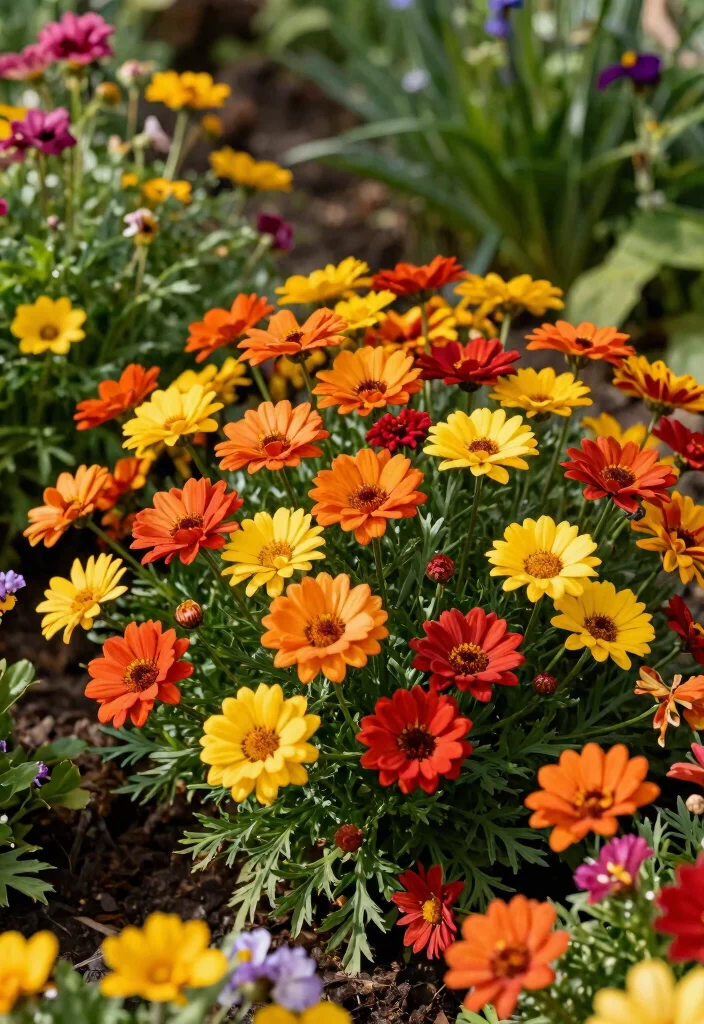
The Blanket Flower, or Gaillardia, brings warmth and vibrancy to your garden with its fiery orange, red, and yellow blooms.
These daisies are incredibly hardy, making them perfect for hot, dry conditions. They bloom from early summer until frost, providing long-lasting color and energy.
To keep them flourishing, plant them in well-drained soil and ensure they receive full sun. Regular deadheading will promote further blooming throughout the season.
Consider these care tips:
– Opt for well-drained soil for optimal growth.
– Deadhead to encourage more blooms.
Blanket Flowers attract butterflies and make stunning additions to flower arrangements, brightening any space they occupy.
Blanket Flower Daisy
Editor’s Choice


15. Daisy Bush
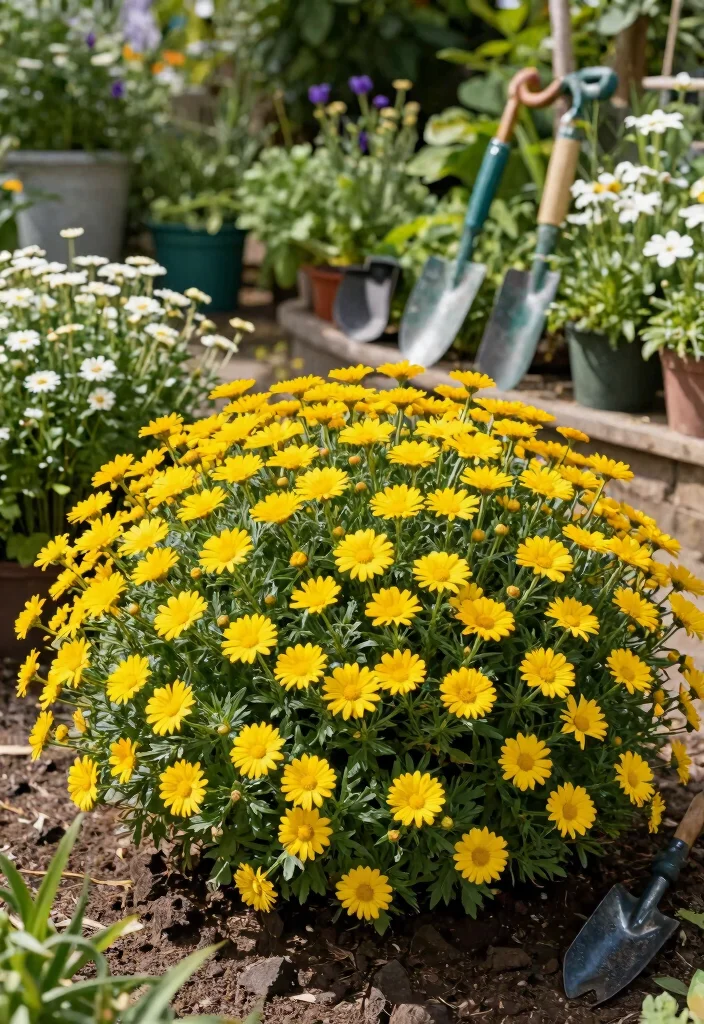
The Daisy Bush, or Euryops chrysanthemoides, is a delightful flowering shrub that produces vibrant yellow daisies year-round, perfect for gardeners seeking continuous color.
This bush can grow 3 to 4 feet tall and thrives in sunny conditions.
For optimal growth, ensure well-drained soil, as they dislike wet feet. Regular pruning encourages fuller growth and more blooms, enhancing its beauty throughout the seasons.
Follow these planting tips:
– Choose well-drained soil for best results.
– Prune regularly for optimal growth.
The Daisy Bush adds lovely texture and color to garden beds, attracting pollinators for a lively garden experience year-round.
Conclusion
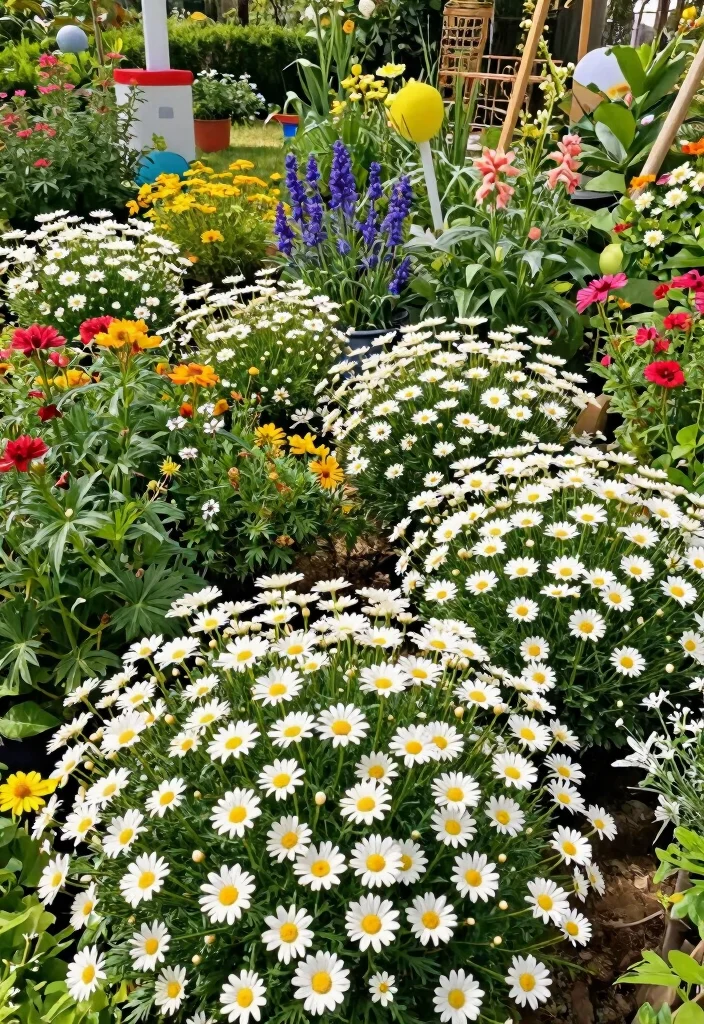
Daisies are more than just flowers; they embody a cheerful spirit and bring life to gardens. With over 15 varieties to choose from, there’s a daisy for every style and preference.
Whether you prefer classic, bold, or whimsical blooms, integrating these popular daisies into your garden will surely brighten up any space. So, get planting and let these lovely flowers add their charm to your outdoor haven!
Note: We aim to provide accurate product links, but some may occasionally expire or become unavailable. If this happens, please search directly on Amazon for the product or a suitable alternative.
This post contains Amazon affiliate links, meaning we may earn a small commission if you purchase through our links, at no extra cost to you.
Frequently Asked Questions
Q. What Are the Most Popular Types of Daisies to Grow in a Home Garden?
Popular daisy varieties for gardens include Shasta Daisy, Marguerite Daisy, and African Daisy, all known for bright, cheerful blooms. Plant them in a sunny spot with well-draining soil, space them well, and deadhead regularly for flowers all season.
Q. How Do I Choose the Right Daisy Variety for My Garden Conditions?
Choose daisy varieties based on your sunlight, climate zone, and garden size. Most daisies thrive in full sun and well-draining soil, while drought-tolerant types like Osteospermum are great for hot, dry areas, and Shasta daisies work well in cooler climates. Group them in clusters for a bold display and prep the soil with compost for healthy growth.
Q. What Are Practical Care Tips to Keep Daisies Blooming All Season?
Deadhead spent blooms regularly, water deeply at the base, and use a balanced fertilizer in spring and mid-summer to encourage continuous flowering. Good drainage, mulch, and dividing the plants every 2–3 years will help keep your daisies healthy and blooming beautifully.
Q. Is It Better to Grow Daisies from Seed or Buy Established Plants?
Both options work well—choose transplants for instant color or seeds if you enjoy growing from scratch. Plant in a sunny, well-drained spot and keep the soil consistently moist for healthy daisy growth.
