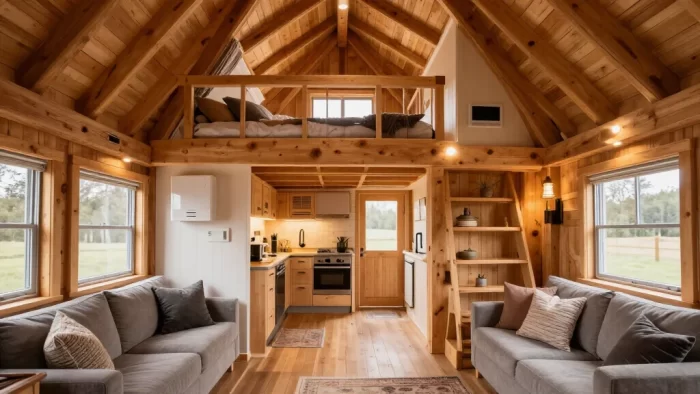
Living in a tiny home taught me that every inch has to earn its place. What looks charming in summer can become uncomfortable when winter brings drafts, condensation, or poor ventilation.
That’s why I’ve come to rely on practical Tips for a Year-Round Tiny Home rather than simply decorating around the seasons. Good insulation, smart storage, efficient heating, and proper ventilation can make a compact space feel surprisingly comfortable all year.
I’ve also learned that tiny home insulation, small-space storage, and energy-efficient living work best when they’re planned together.
With a few thoughtful choices, a tiny home can feel cozy, functional, and genuinely livable in every season.
- 1. Build a Complete Insulation Envelope Before Decorating
- Build a Complete Insulation Envelope Before Dec…
- RXCB301525, ComfortBatt R30 Stone Wool Batt Insulation, 7.25" x 15.25" x…
- Rockwool 8# Density Foil-Faced Stone Wool Insulation Mineral Wool Panels…
- Insulation Board with Foam Rigid Panel Structure Extruded Polystyrene Re…
- 10 Pack Rigid Foam Insulation Board, Foil-Faced Panels
- Sprayman Window & Door Expanding Spray Foam – (12x24oz) Low Expansion Po…
- Build a Complete Insulation Envelope Before Dec…
- 2. Give the Roof, Floor, and Loft Extra Attention
- 3. Treat Air Sealing as Seriously as Insulation
- 4. Control Moisture Before It Becomes a Comfort Problem
- 5. Make the Loft a Separate Comfort Zone
- Make the Loft a Separate Comfort Zone
- TempPro TP49 3 Pack Digital Hygrometer Indoor Thermometer
- Desk Fan Air Circulator Fan Powerful Airflow 100-Speed Digital Display L…
- No Drill No Tools Blackout Cellular Shades,White,Custom Size | No Tools …
- Humidity Meter Hygrometer and Indoor Digital Thermometer with Temperatur…
- MYshade Cordless Blackout Cellular Shades for Windows, Honeycomb Window …
- Make the Loft a Separate Comfort Zone
- 6. Choose a Mini-Split for Efficient Everyday Heating
- Choose a Mini-Split for Efficient Everyday Heating
- DELLA Optima Series 12000 BTU Mini Split AC with Soft Airflow, Hyper Hea…
- 22 SEER2 high-efficiency 12000 BTU ductless inverter Mini split ac/heati…
- 12000 BTU Mini Split Air Conditioner, 22 SEER2 Energy-Efficient Ductless…
- 12,000 BTU Mini Split Central Air Conditioner & Heat Pump –, 22 SEER, 11…
- Senville LETO Mini Split Air Conditioner, Heat Pump, White, 9000 BTU | D…
- Choose a Mini-Split for Efficient Everyday Heating
- 7. Keep a Safe Backup Heat Source Ready
- Keep a Safe Backup Heat Source Ready
- Envi Plug-in Electric Panel Wall Heaters for Indoor Use, Energy Efficien…
- Indoor Space Heater, Portable, Fan Forced, Electric, Adjustable Thermost…
- Heiman Smoke Detector Carbon Monoxide Detector Combo 10 Year Battery | E…
- Basic 110 Fire Extinguisher for Home, 1-A:10-B:C, FA110G, 2 Pack
- Atom One Space Heater with Remote, 70°Oscillating Electric Heaters with …
- You might also like
- Keep a Safe Backup Heat Source Ready
- 8. Warm the Bathroom and Floor Without Wasting Energy
- 9. Install Balanced Ventilation Instead of Relying on Leaks
- 10. Handle Kitchen and Shower Moisture at the Source
- 11. Use Fans to Balance the Cabin, Not Fight the Heater
- 12. Add Smart Controls Without Making the Cabin Complicated
- 13. Let Windows and Shade Do Some of the Heating Work
- 14. Choose Cozy Textiles That Support Airflow
- 15. Keep a Seasonal Comfort and Safety Checklist
- Keep a Seasonal Comfort and Safety Checklist
- ThermoPro WiFi Thermometer Hygrometer, Wireless Humidity Meter Temperatu…
- Smoke & Carbon Monoxide Detector, 10-Year Battery, 30CUD10, 2 Pack
- TP49 3 Pack Digital Hygrometer Indoor Thermometer
- 8x8x1 Air Filter MERV 8, AC Furnace Filters (4-Pack)
- Temperature Humidity Meter, High Precision Digital Hygrometer with Ambie…
- Key Takeaways
- Keep a Seasonal Comfort and Safety Checklist
- Conclusion: Make Comfort Part of the Cabin Design
- Frequently Asked Questions
1. Build a Complete Insulation Envelope Before Decorating
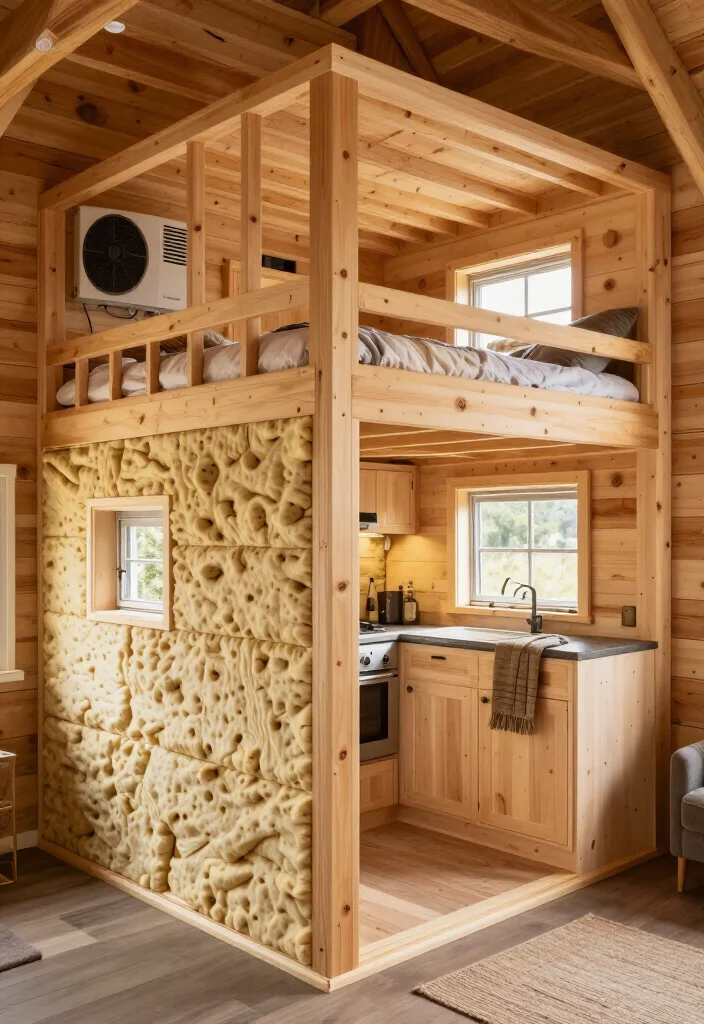
A complete insulation envelope creates steady comfort from floor to loft. Walls, roof, windows, doors, and seams must work together instead of leaving one weak spot. In a small barn cabin, a chilly threshold or thin floor can affect the entire room. Combine mineral wool walls, rigid foam beneath the floor, and insulated windows with warm wood trim.
Ask your builder for local R-values, air-sealing details, and vapor-control placement before choosing finishes. Taking photos before walls close costs nothing and helps with future repairs.
Use these envelope checkpoints:
– Pair mineral wool walls with carefully sealed framing.
– Insulate floors over piers, trailers, or open ground.
– Seal windows, doors, and utility penetrations thoroughly.
A well-protected envelope keeps rustic finishes comfortable. Natural wood, wool, and plaster can still shine beautifully above the hidden insulation layers.
Build a Complete Insulation Envelope Before Dec…
Editor’s Choice




2. Give the Roof, Floor, and Loft Extra Attention
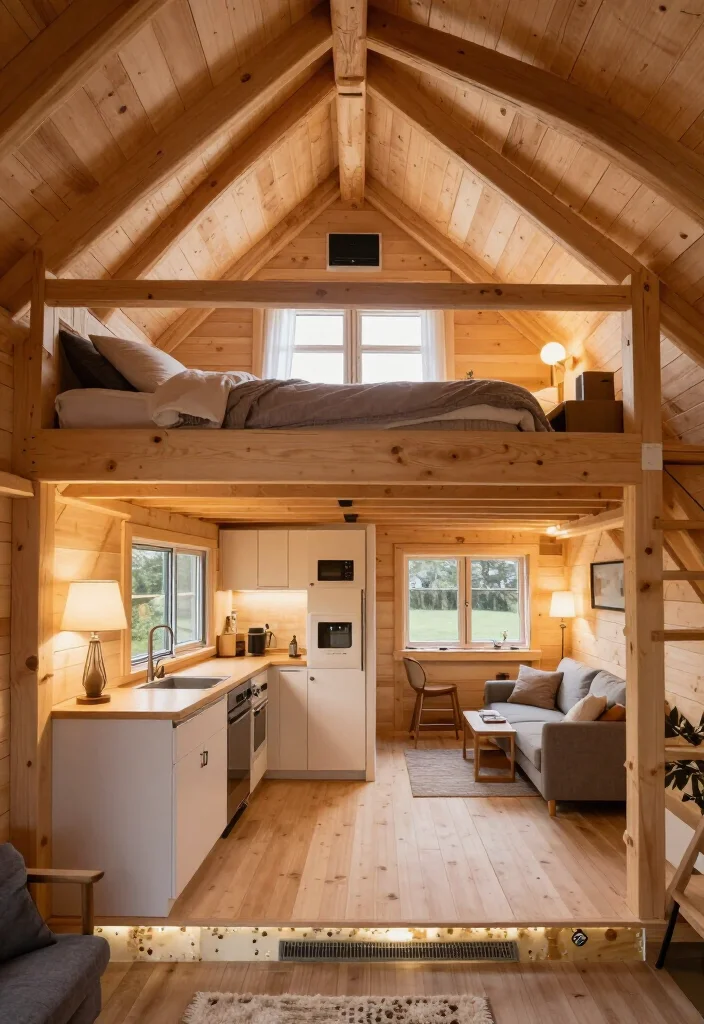
The roof, floor, and loft deserve special care because they face the strongest temperature changes. Warm air rises, making a poorly protected loft hot in summer and cold after sunset.
An exposed floor can also drain warmth from your feet, even when the thermostat reads comfortably. Use layered insulation and thoughtful finishes to protect these surfaces.
Ask whether the roof needs vent channels or a carefully designed unvented assembly. Budget-friendly wool rugs, cellular shades, and insulated curtains add comfort without rebuilding the cabin.
Focus on these high-loss areas:
– Insulate loft ceilings against heat and winter chill.
– Protect floors above crawl spaces or trailer frames.
– Add wool runners along main walking paths.
– Monitor temperatures near the loft mattress.
These choices make the cabin feel calmer and warmer. Soft textiles also balance hard wood, metal, and glass surfaces.
3. Treat Air Sealing as Seriously as Insulation
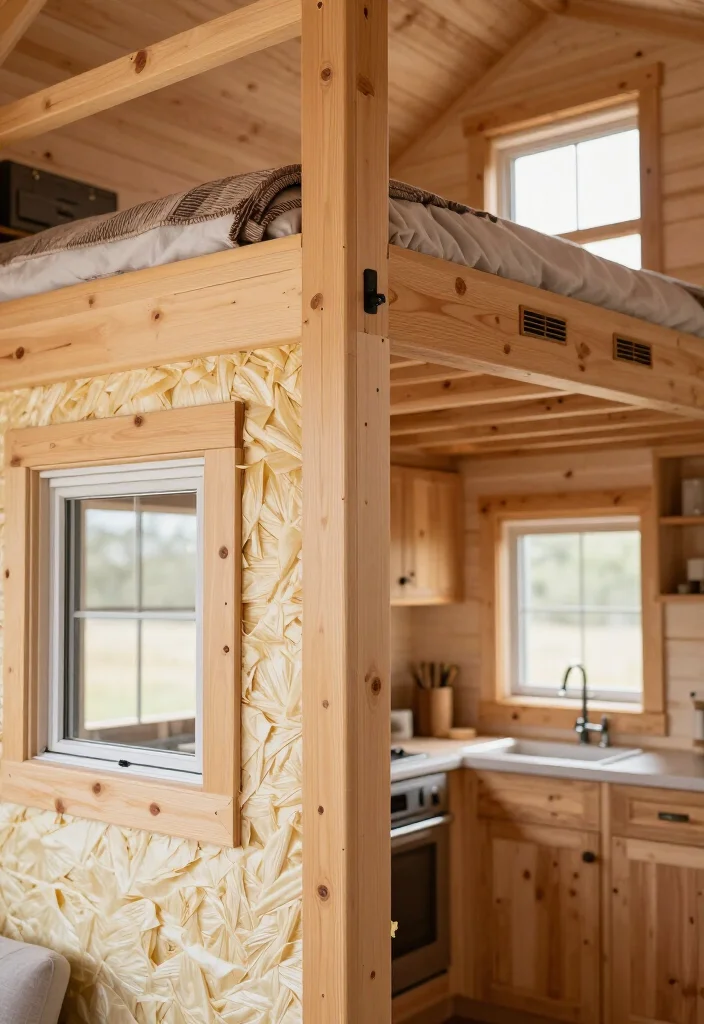
Air sealing gives insulation a chance to perform properly. Without it, drafts enter around outlets, pipes, windows, roof joints, and doors, carrying heat and indoor moisture with them.
In a compact cabin, even a narrow cold strip beside a window can change how the whole room feels. A tight shell supports quieter, steadier comfort.
Schedule a blower-door test before finishes cover the framing. For a lower-cost check, use a professional smoke pencil or inspect suspicious seams on a windy day.
Seal these common trouble spots:
– Caulk window frames and moving joints.
– Foam gaps around plumbing and wiring carefully.
– Add gaskets behind exterior-wall electrical boxes.
– Weatherstrip doors with adjustable seals.
Good sealing protects energy use and natural finishes. Pair it with planned ventilation so fresh air arrives without unwanted drafts.
4. Control Moisture Before It Becomes a Comfort Problem
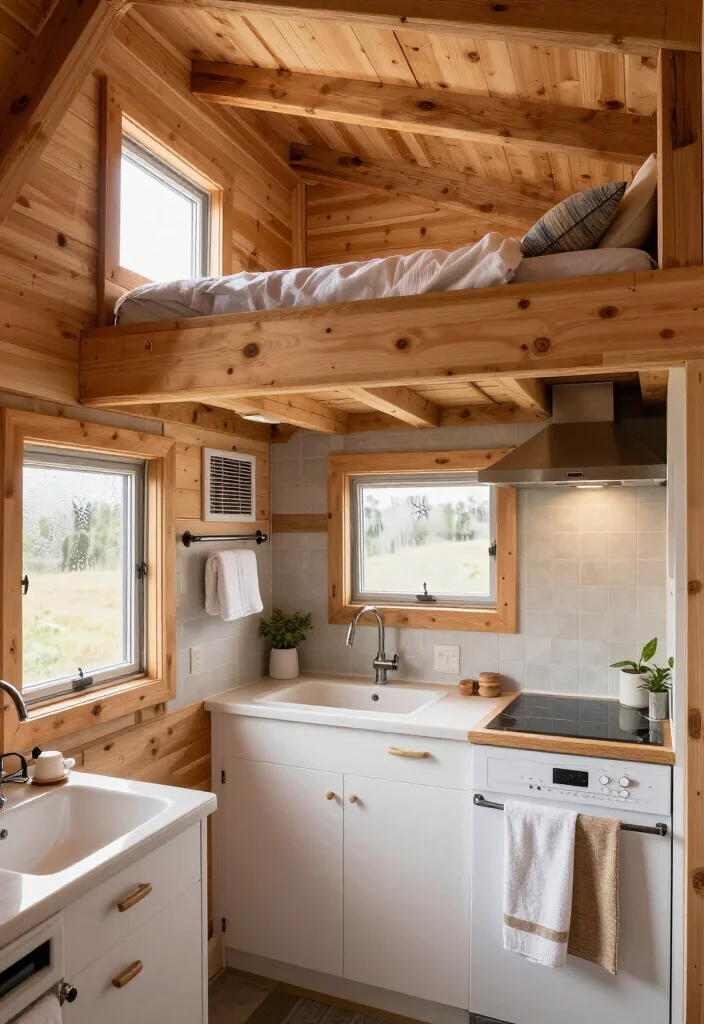
Moisture control keeps a tiny cabin fresh, dry, and inviting. Showers, cooking, wet coats, towels, and daily breathing release vapor that quickly collects on cold glass or hidden framing.
Persistent dampness can create musty smells, mold, and damaged finishes. A healthy cabin manages humidity without making the air feel harsh.
Place inexpensive hygrometers on the main floor and near the loft, then watch for readings above the usual 30 to 50 percent range. Choose washable paint, clay finishes, or moisture-resistant surfaces where splashes are common.
Build these habits into daily life:
– Run bathroom fans during and after showers.
– Use a vented hood while cooking.
– Hang wet textiles where air can circulate.
– Wipe condensation from windows promptly.
Dry air and warm textures create a more restful interior. Smart moisture habits protect wood, wool, bedding, and the cabin structure.
5. Make the Loft a Separate Comfort Zone
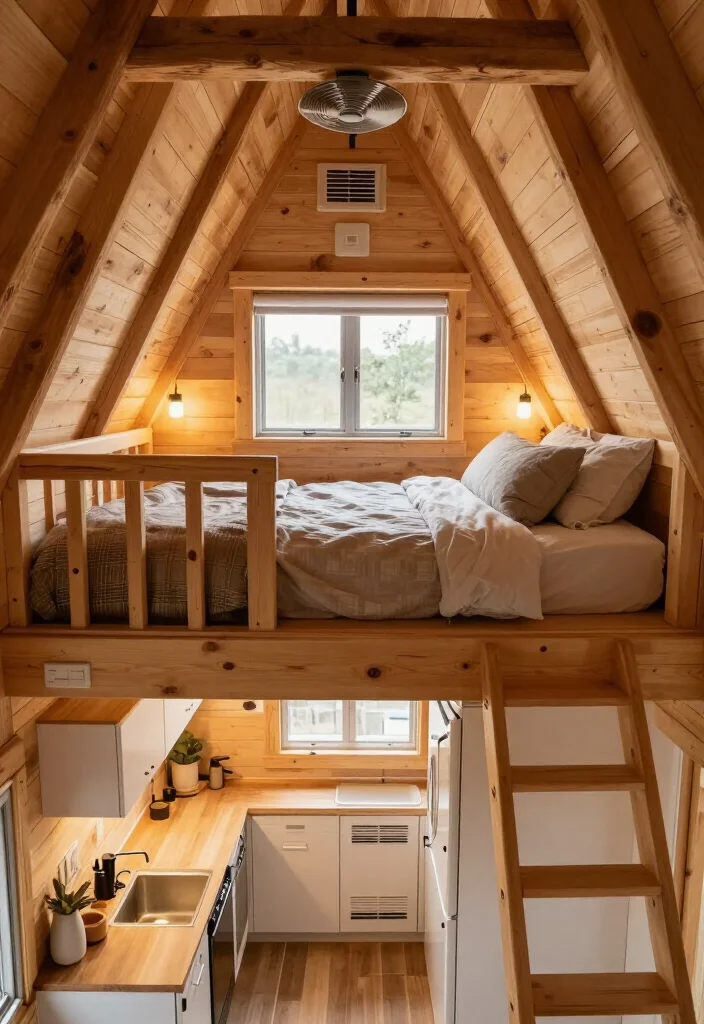
A sleeping loft should feel cozy, not stuffy. Warm air naturally gathers above the main room, while an under-insulated ceiling can make the same space cold at night.
Treat the loft as a separate comfort zone with its own temperature readings, airflow, bedding, and shade. This approach supports deeper sleep through changing seasons.
Place a small sensor at mattress height instead of trusting the main thermostat. Affordable linen sheets, wool blankets, and a quiet circulation fan can improve comfort without major remodeling.
Shape a better loft with these details:
– Layer linen and wool bedding by season.
– Install cellular shades beside loft windows.
– Keep the ladder and guardrail open for airflow.
– Add a quiet fan with a timer.
A balanced loft feels intimate and airy. Natural textiles soften wood rails while preserving clear paths and easy cleaning.
Make the Loft a Separate Comfort Zone
Editor’s Choice


6. Choose a Mini-Split for Efficient Everyday Heating
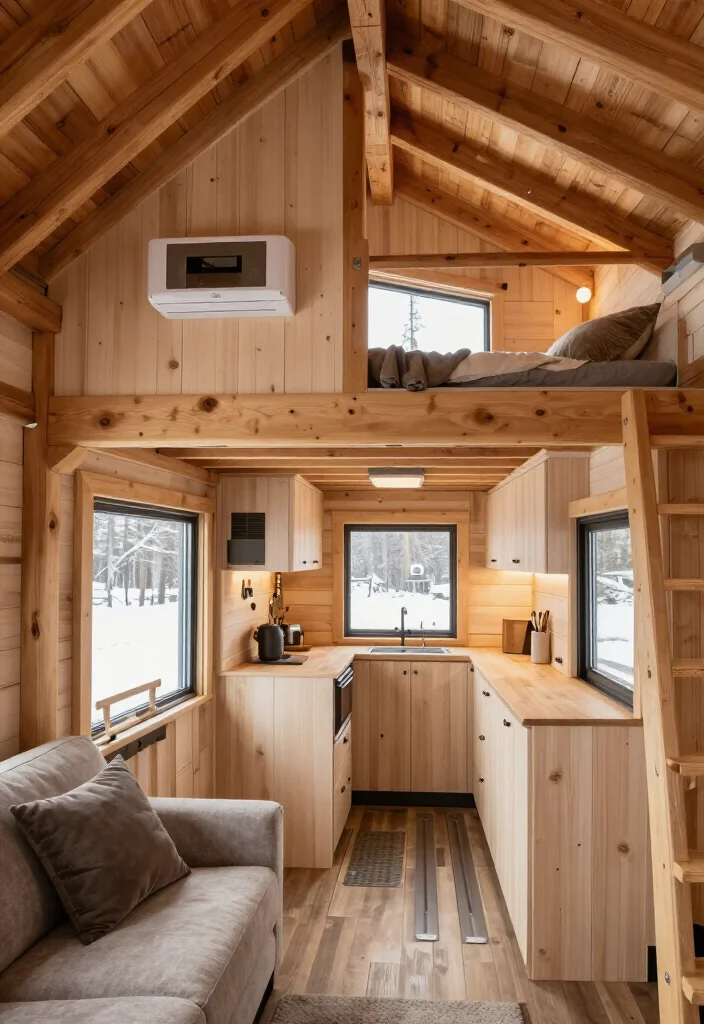
A ductless mini-split heat pump can provide efficient heating and cooling without consuming valuable floor space. It moves heat rather than creating it directly, making it practical for many climates.
The right size matters because an oversized unit may cycle often, while an undersized model can struggle during freezing weather. Thoughtful placement also protects visual calm.
Request a heat-loss calculation based on windows, insulation, air leakage, ceiling height, and local weather. Compare models carefully, and use washable filters instead of costly specialty accessories when possible.
Plan the system with these steps:
– Position the indoor head for clear room airflow.
– Keep curtains and furniture away from it.
– Raise the outdoor unit above drifting snow.
– Clean filters before each heating season.
A compact mini-split blends neatly with rustic interiors. Its quiet performance lets timber walls, woven rugs, and soft lighting remain the focus.
Choose a Mini-Split for Efficient Everyday Heating
Editor’s Choice


7. Keep a Safe Backup Heat Source Ready
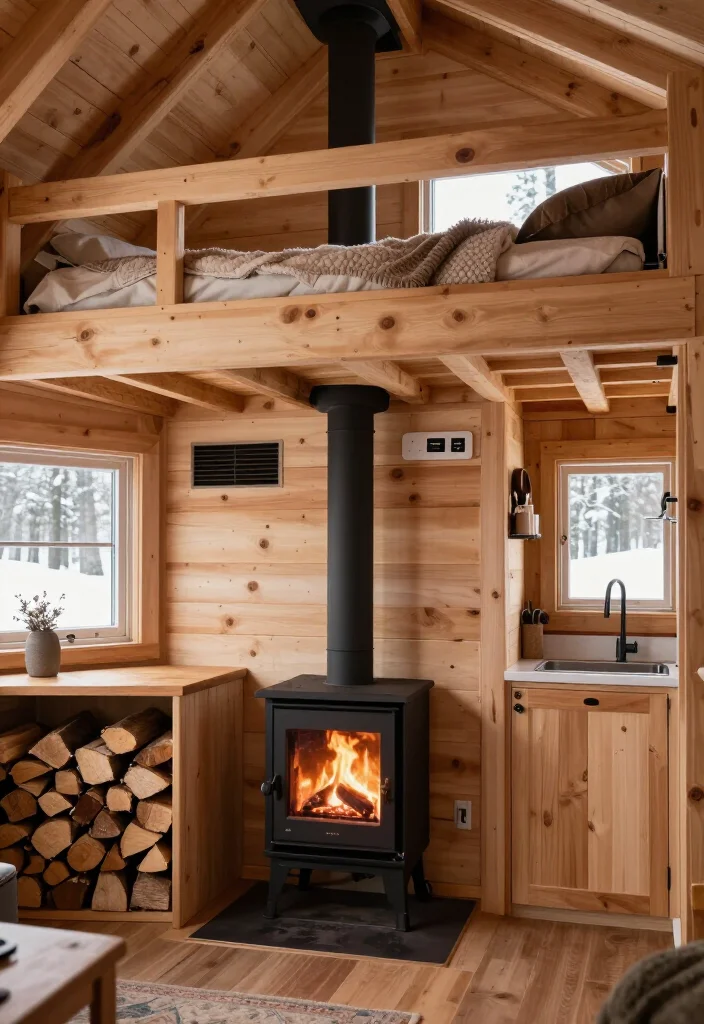
A safe backup heater protects comfort during outages, extreme cold, or equipment repairs. Your choice may include a compact wood stove, electric panel, or approved portable unit, depending on fuel access and local rules.
In a tiny cabin, even a small heater can create intense warmth, so accurate sizing matters more than dramatic flames or oversized equipment.
Have combustion systems professionally planned, with proper clearances, chimney details, and floor protection. An electric panel may cost less to install, while a secondhand heater should only be used after safety testing.
Prepare these essential safeguards:
– Install smoke and carbon monoxide alarms.
– Place a fire extinguisher within easy reach.
– Store dry firewood away from hot surfaces.
– Inspect cords, flues, and controls annually.
Warmth feels more luxurious when it is dependable. Stone hearths, woven baskets, and metal tools can add character without compromising safe clearances.
Keep a Safe Backup Heat Source Ready
Editor’s Choice





You might also like
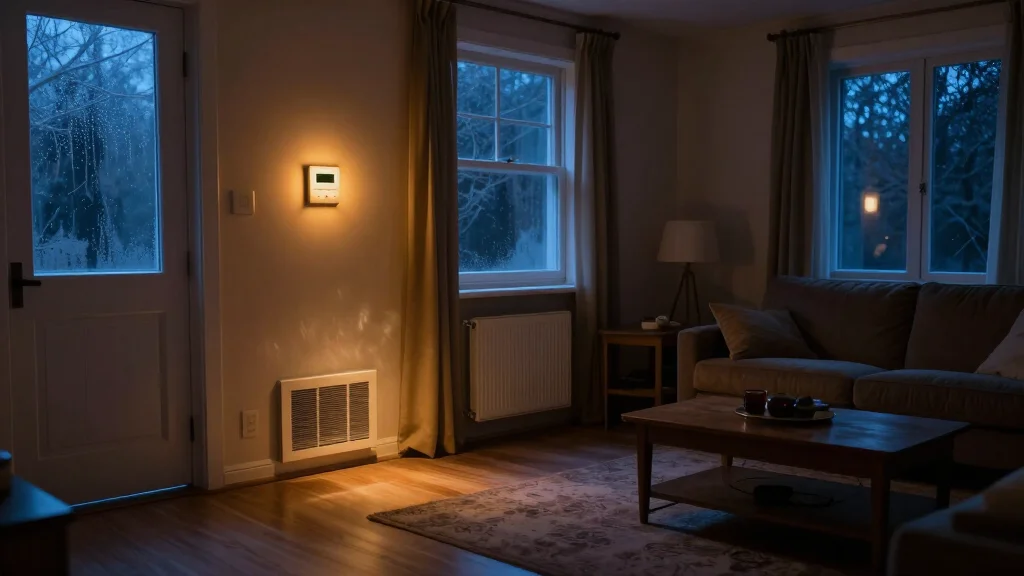

8. Warm the Bathroom and Floor Without Wasting Energy
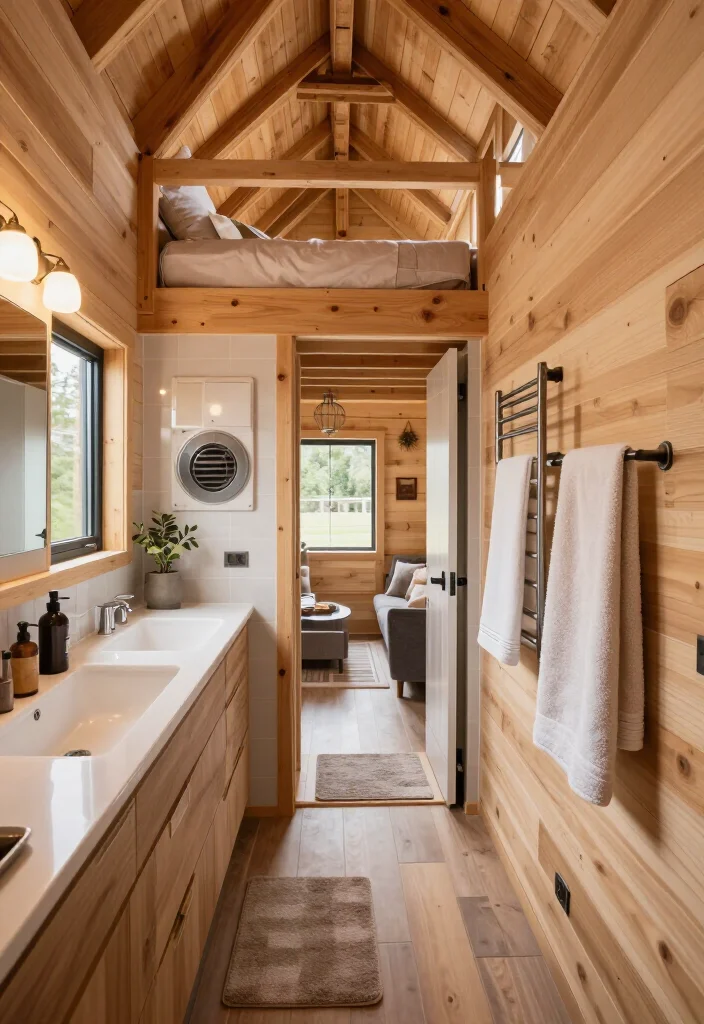
A warm bathroom improves the whole morning routine in a tiny cabin. Cold tile, damp towels, and fast heat loss can make a beautiful space feel unwelcoming.
Targeted warmth works better than overheating the entire home. Radiant floor mats, a towel warmer, or a small approved panel can add comfort where your body notices it most.
Use a programmable control to warm floors before showers and reduce energy use afterward. Affordable washable mats and quick-drying towels can deliver comfort without expensive renovations.
Improve the bathroom with these choices:
– Install radiant floor mats beneath approved flooring.
– Add a low-wattage towel warmer safely.
– Seal plumbing penetrations below the floor.
– Keep thick mats away from floor registers.
Warm surfaces and dry textiles create a welcoming retreat. Stone, tile, timber, and soft cotton feel richer when the room stays comfortably dry.
9. Install Balanced Ventilation Instead of Relying on Leaks
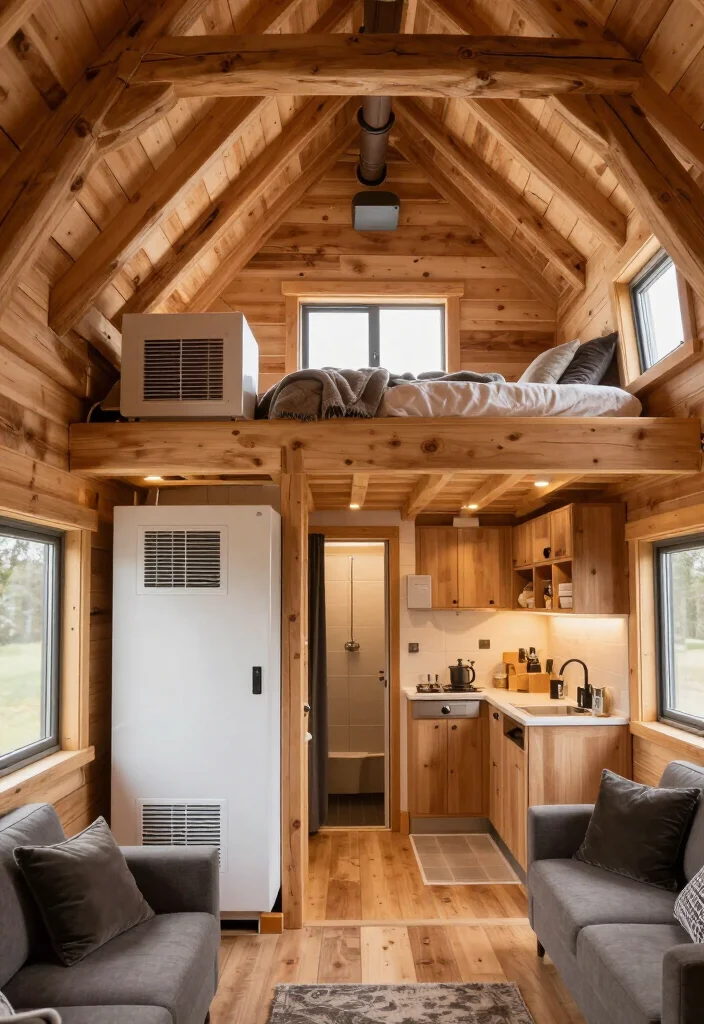
A tight cabin needs planned fresh-air exchange, not accidental drafts. Cracks around windows and doors bring in cold air, dust, and changing humidity without removing stale air reliably.
An HRV or ERV can refresh the interior while protecting the energy used for heating. This matters even more when cooking, showering, and sleeping share one compact volume.
Ask a qualified installer to match the system to your climate and airtightness. Slim grilles, painted covers, and short duct runs can keep the equipment affordable and visually quiet.
Balance the airflow with these steps:
– Supply fresh air near living and sleeping zones.
– Exhaust moisture from bathrooms and kitchens.
– Clean filters and outdoor hoods regularly.
– Balance supply and exhaust volumes professionally.
Gentle ventilation preserves a calm atmosphere. Timber walls, linen curtains, and natural finishes stay fresher when stale air leaves through the right path.
10. Handle Kitchen and Shower Moisture at the Source
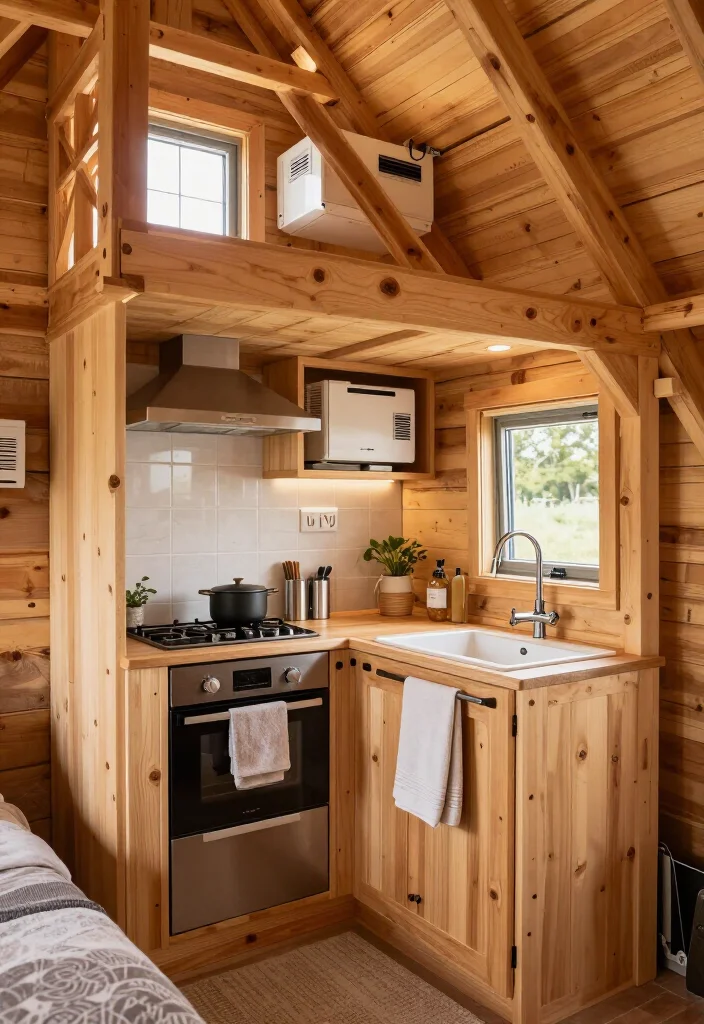
The kitchen and bathroom create most sudden moisture, odors, and grease in a tiny home. Removing these pollutants at their source prevents them from drifting toward the loft or settling into wood finishes.
A quiet, outdoor-vented hood and effective bathroom fan usually work better than trying to dry the entire cabin later.
Choose fans with suitable airflow, insulated ducts, backdraft dampers, and easy-to-clean filters. Timers or humidity switches cost little and help fans continue after cooking or bathing ends.
Control moisture with these habits:
– Run the range hood before steam rises.
– Cover simmering pots to reduce vapor.
– Use the bathroom fan during showers.
– Squeegee shower walls after bathing.
Fresh air protects both comfort and style. Clean wood, woven baskets, and washable cabinet surfaces remain pleasant when dampness never gets a chance to linger.
11. Use Fans to Balance the Cabin, Not Fight the Heater
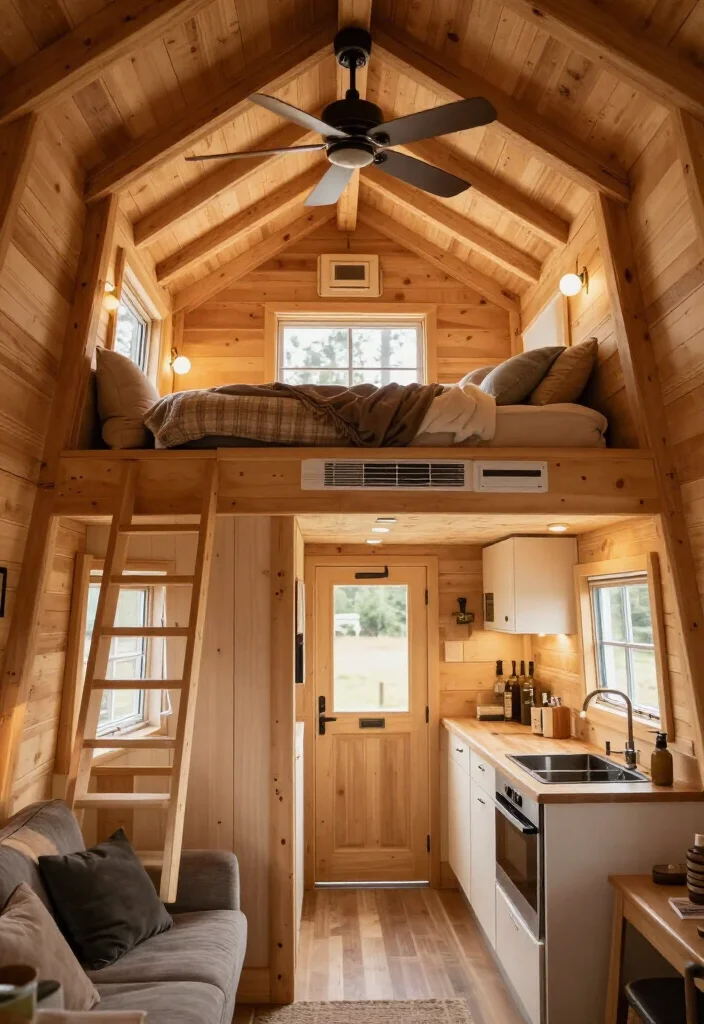
Gentle air circulation can connect a warm loft with a cooler main floor. A powerful fan, though, may create a chilly breeze and make the heater work harder.
Use slow movement to smooth temperature differences without disturbing candles, curtains, bedding, or quiet evenings. The goal is balanced comfort, not constant wind.
Try a small ceiling fan, wall fan, or reversible loft fan at its lowest setting. Open-leg furniture and wall-mounted tables are budget-friendly ways to leave more room for airflow.
Test circulation with these simple moves:
– Measure loft and floor temperatures together.
– Run fans for 15 minutes before adjusting settings.
– Keep stair openings clear for air movement.
– Clean blades and grilles seasonally.
Good circulation helps every finish feel more comfortable. Open shelving, light curtains, and woven textures support airflow while keeping the cabin visually warm.
12. Add Smart Controls Without Making the Cabin Complicated
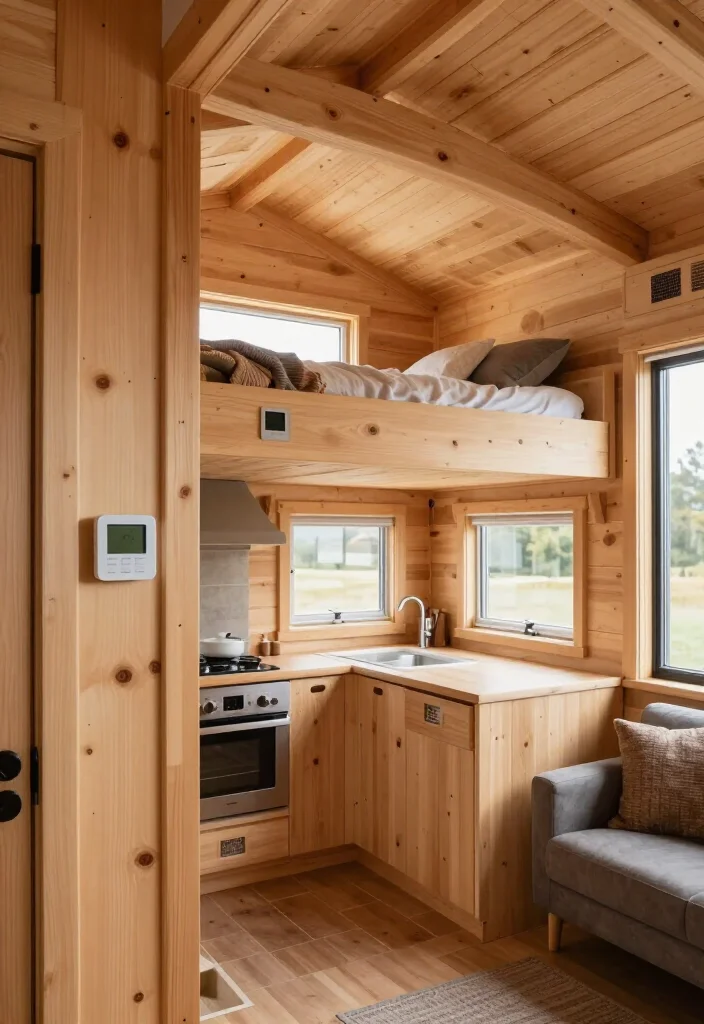
Smart controls should make cabin care easier, not turn heating into a technical project. A programmable thermostat, two temperature sensors, and a humidity monitor may provide more value than many connected devices.
Simple controls help the cabin stay steady when internet service fails or guests cannot find the right phone app.
Track temperatures and humidity for one week before buying equipment. Basic plug-in sensors are affordable and can reveal whether comfort problems come from sunlight, airflow, insulation, or thermostat placement.
Choose controls that support daily comfort:
– Place remote sensors near the loft bed.
– Set moderate temperatures during short absences.
– Add leak sensors beneath sinks and heaters.
– Keep manual controls available for every system.
Quiet technology preserves the cabin’s relaxed mood. Simple labels, natural wood covers, and uncluttered controls let useful tools blend into the design.
You Might Also Like

13. Let Windows and Shade Do Some of the Heating Work
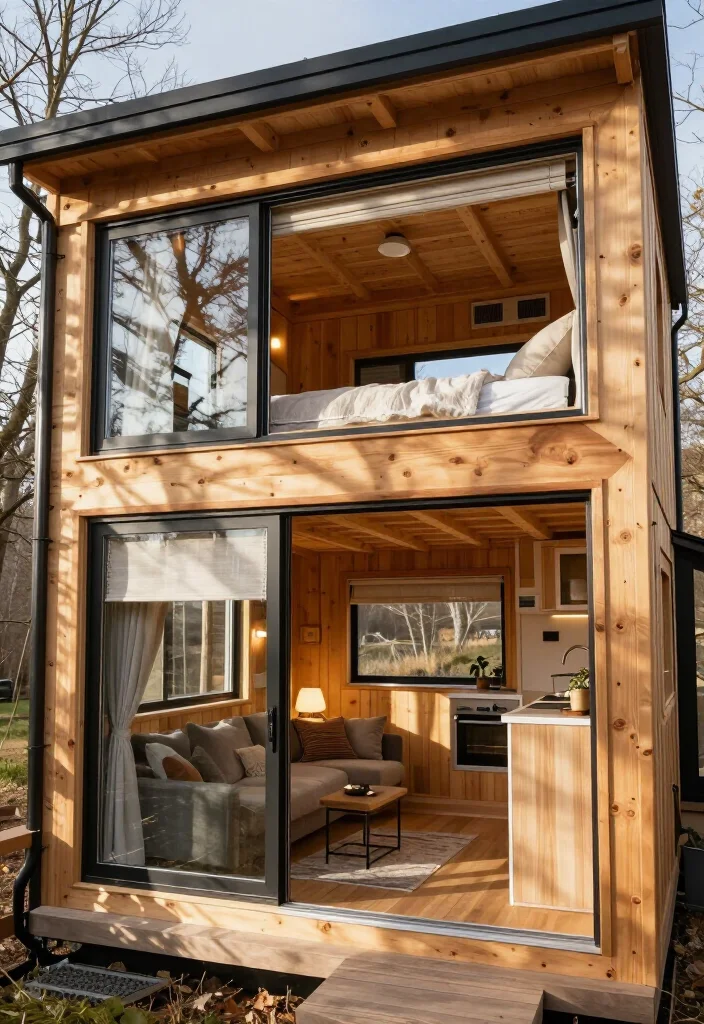
Windows can bring welcome winter warmth and unwanted summer glare. Their direction, glass type, framing, and shade choices shape how the entire tiny cabin feels.
South-facing sunlight may warm a room gently, while west-facing glass can overheat a loft late in the day. Thoughtful window design reduces mechanical heating and cooling needs.
Choose insulated frames and low-emissivity glass suited to your climate. For a smaller budget, layer linen curtains with cellular shades, or add exterior awnings where afternoon sun is strongest.
Manage daylight with these choices:
– Open winter-facing shades on sunny mornings.
– Close west-facing shades before summer heat builds.
– Add roof overhangs or exterior shutters.
– Keep window treatments clear of heaters.
Daylight makes wood interiors glow beautifully. Linen, bamboo, and cotton textures soften glare while helping the cabin stay bright, calm, and comfortable.
14. Choose Cozy Textiles That Support Airflow
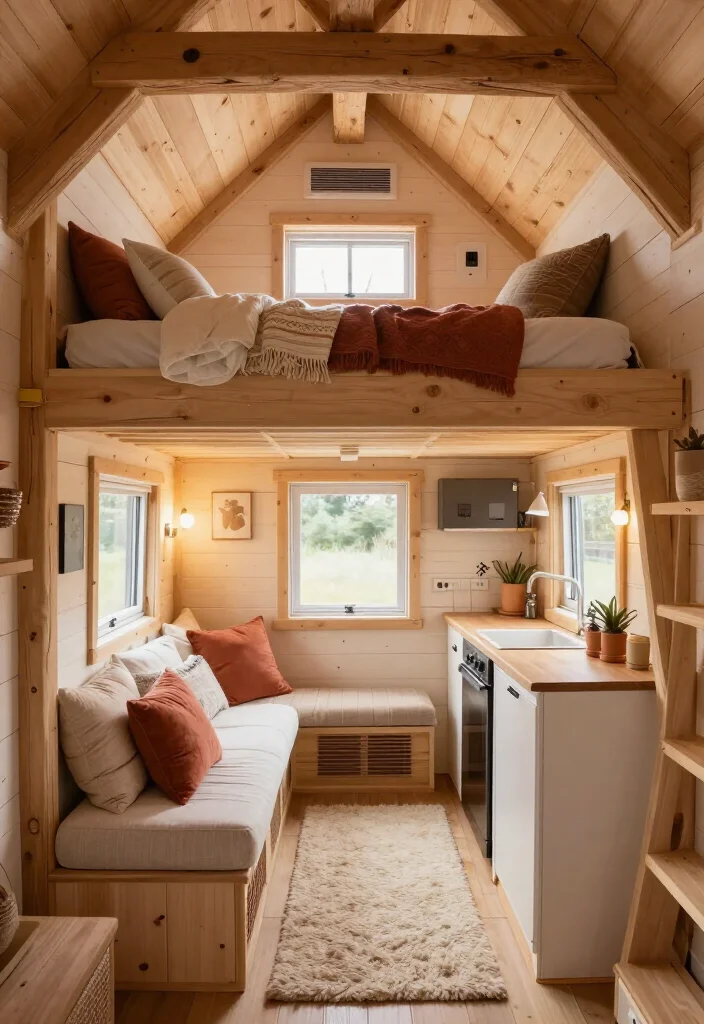
Cozy textiles give a tiny cabin warmth, softness, and personality, but they must not block vents or trap dampness. Washable rugs, breathable bedding, and movable curtains can make hard wood and metal feel more welcoming. The best layers add comfort while staying easy to clean and store between seasons.
Choose wool for natural warmth, cotton for easy washing, and linen for breathable bedding. Thrifted runners, removable slipcovers, and fabric storage bags offer affordable ways to refresh the interior.
Use textiles thoughtfully with these habits:
– Place washable runners away from floor registers.
– Keep curtains clear of heaters and grilles.
– Leave air gaps behind large cabinets.
– Store blankets in breathable fabric bags.
Warm cream, clay, muted green, and honey wood create a restful palette. Carefully placed texture supports airflow while making the loft feel inviting.
15. Keep a Seasonal Comfort and Safety Checklist
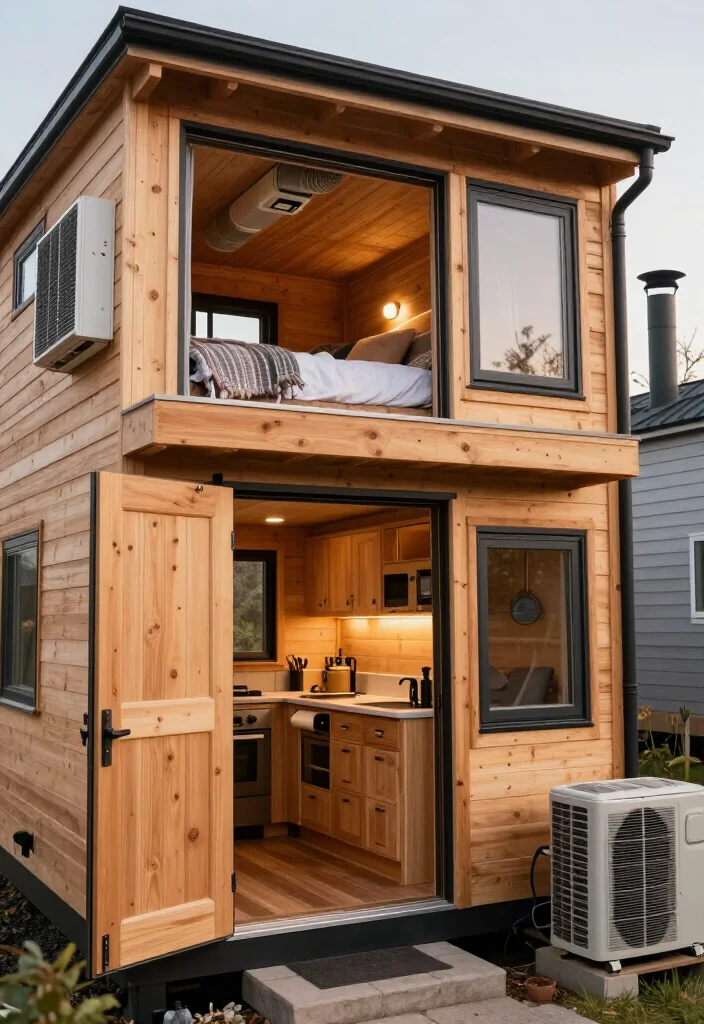
A seasonal checklist protects the quiet comfort of a year-round tiny home. Small inspections can catch failing seals, blocked vents, wet insulation, dirty filters, or unsafe equipment before they become expensive problems.
Spring, summer, fall, and winter each reveal different issues across the roof, floor, loft, and mechanical systems.
Keep a simple log for humidity, filter changes, service dates, and unusual sounds. A notebook costs less than an app and gives future technicians useful information.
Review these tasks each season:
– Inspect roof flashing, gutters, and exterior caulk.
– Test smoke and carbon monoxide alarms.
– Clean heat-pump and ventilation filters.
– Check vents, pipes, and equipment for damage.
Regular care preserves both safety and style. Dry walls, clean air, steady heat, and natural materials make the deluxe cabin feel welcoming in every season.
Keep a Seasonal Comfort and Safety Checklist
Editor’s Choice


Conclusion: Make Comfort Part of the Cabin Design
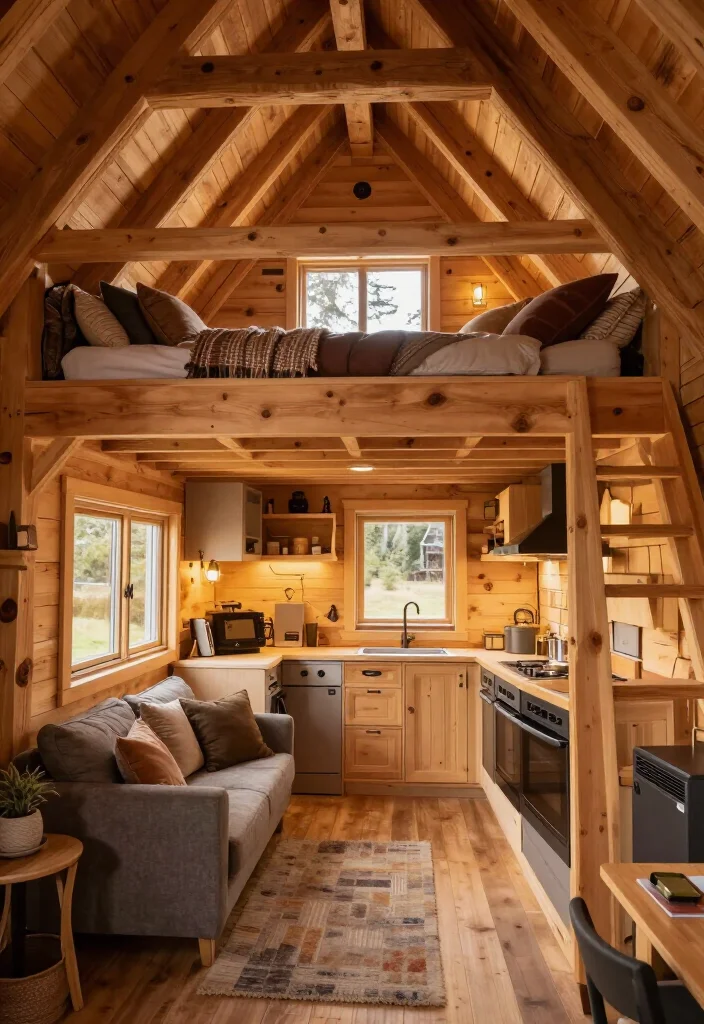
A comfortable year-round tiny home comes from a chain of smart choices: complete tiny home insulation, careful air sealing, efficient heating, balanced ventilation, moisture control, and decor that leaves room for air to move.
In a deluxe lofted barn cabin, those details protect the charm of the timber interior while making everyday life warmer, fresher, and easier.
Start with the building envelope, then tune the systems and finish with cozy, practical layers. A little planning now can mean lower energy bills, better sleep in the loft, and a cabin that feels welcoming in every season.
Note: We aim to provide accurate product links, but some may occasionally expire or become unavailable. If this happens, please search directly on Amazon for the product or a suitable alternative.
This post contains Amazon affiliate links, meaning we may earn a small commission if you purchase through our links, at no extra cost to you.
Frequently Asked Questions
Q. How do I keep a tiny home comfortable year-round?
Focus on insulation, air sealing, appropriate heating and cooling, ventilation, and moisture control. Good window coverings and efficient appliances can also improve comfort and energy use.
Q. What is the most important insulation area in a tiny home?
The roof, walls, and floor all matter because heat can move through any poorly insulated surface. Pay particular attention to areas around windows, doors, and other potential air leaks.
Q. How can I prevent condensation in a tiny home?
Use adequate ventilation, control indoor humidity, and make sure bathrooms and cooking areas have appropriate exhaust. Proper insulation and air sealing can also help reduce cold surfaces where condensation forms.
Q. What heating works well in a tiny home?
The right system depends on the home’s size, climate, insulation, electrical capacity, and local requirements. Options may include heat pumps, electric heaters, or other appropriately sized systems. Always follow manufacturer and safety requirements.
Q. How can I create more storage in a tiny home?
Use vertical shelving, under-bed storage, built-in cabinets, multifunctional furniture, and unused wall space. Keeping frequently used items accessible while storing seasonal belongings elsewhere can also reduce clutter.
