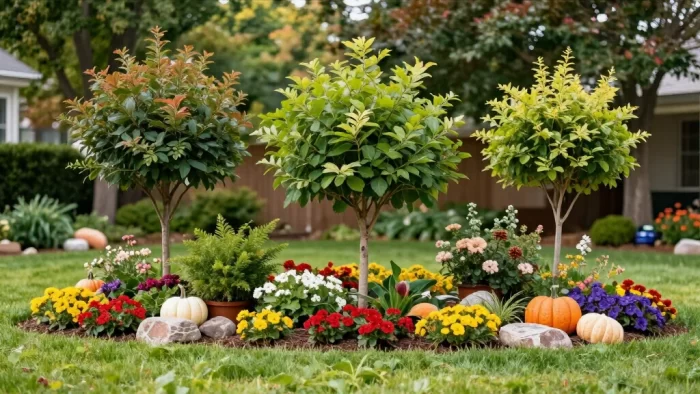
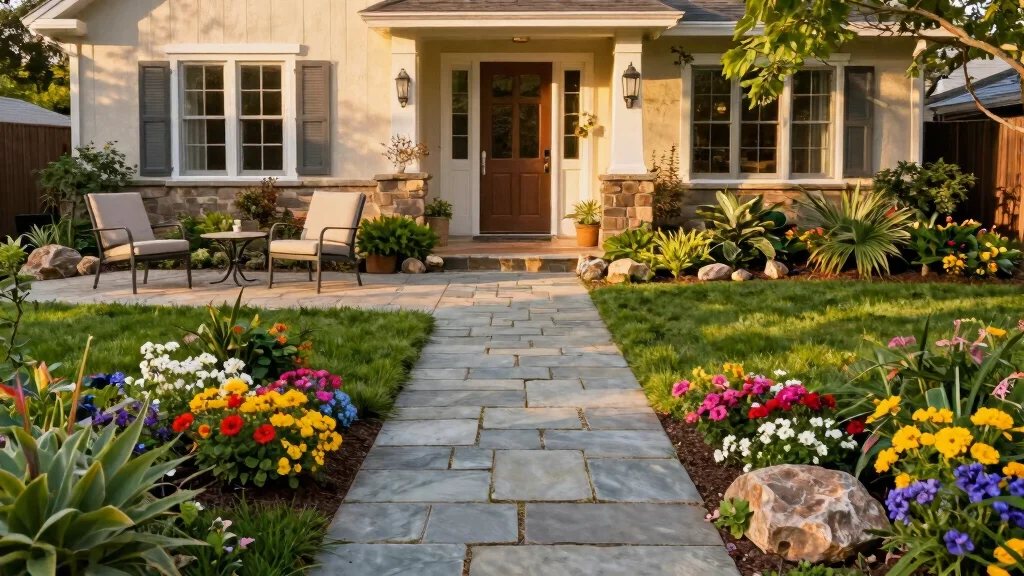
I used to think my front yard was too small for trees, but I quickly learned that choosing the right ones can completely transform a home’s curb appeal.
After planting a few Small Trees for Your Front Yard, the space instantly felt more welcoming, colorful, and balanced without looking crowded.
The right tree adds shade, seasonal beauty, and lasting character while fitting perfectly into compact landscapes.
With elegant front yard landscaping ideas, beautiful ornamental trees, and easy-care low-maintenance front yard plants, these Small Trees for Your Front Yard will help you create a landscape that’s both beautiful and practical.
- 1. Japanese Maple (Acer palmatum)
- 2. Flowering Dogwood (Cornus florida)
- 3. Redbud (Cercis canadensis)
- 4. Eastern Snowball Viburnum (Viburnum opulus)
- 5. Dwarf Alberta Spruce (Picea glauca 'Conica')
- Dwarf Alberta Spruce (Picea glauca 'Conica')
- Picea glauca 'Conica' (Dwarf Alberta Spruce) Evergreen, #3 – Size Container
- Dwarf Alberta Spruce 1 Gallon
- Picea glauca 'Conica' / Dwarf Alberta Spruce 'Conica' (2-Gallon Pot)
- Picea glauca 'Conica' / Dwarf Alberta Spruce 'Conica' (3-Gallon Pot)
- RedCrocus Dwarf Alberta Spruce Picea glauca 'Conica'- Dense Evergreen Sm…
- Dwarf Alberta Spruce (Picea glauca 'Conica')
- 6. Weeping Cherry (Prunus subhirtella 'Pendula')
- 7. Saucer Magnolia (Magnolia x soulangeana)
- 8. Crabapple (Malus spp.)
- Crabapple (Malus spp.)
- Centurion Crabapple Tree, Vibrant Pink-Red Blooms, Cold Hardy, 2-3 feet …
- Summer Wonder Crabapple Tree, Pink-Purple Blossoms, Cold Hardy, Deciduou…
- Prairiefire Crabapple Tree, Vibrant Pink Flowering, Deciduous, 2-3 feet …
- Profusion Crabapple Tree, Pink Flowering, Ornamental Value, Hardy, 2-3 f…
- 12-18" Tall Crabapple Roseglow Sargent (Malus sargentii) 1-2 Year Old Se…
- Crabapple (Malus spp.)
- 9. Lilac Tree (Syringa spp.)
- 10. Cercis canadensis 'Forest Pansy'
- 11. Black Diamond Crape Myrtle (Lagerstroemia indica)
- Black Diamond Crape Myrtle (Lagerstroemia indica)
- Black Diamond Best Red Crape Myrtle Tree/Shrub – 18-24" Tall Live Plant …
- Black Diamond Radiant Red Crape Myrtle, 1-2 ft Tree Height, Multi-Stem, …
- Black Diamond Crape Myrtle Tree (Crimson Red, 3 gal.)(Due to Agricultura…
- Black Diamond Pure White Crape Myrtle – Size: 3 Gallon, Live Plant, Incl…
- Black Diamond Crape Myrtle Tree (Lavender Lace, 3 gal.)
- Black Diamond Crape Myrtle (Lagerstroemia indica)
- 12. Honeylocust (Gleditsia triacanthos)
- Honeylocust (Gleditsia triacanthos)
- Live Honey Locust Trees (3-Pack) – Gleditsia triacanthos – Fast Growing …
- Live Plant – 5 Thornless Honeylocust Tree 12-24" Gleditsia triacanthos i…
- Thornless Honey Locust Tree – 18-24" Tall Live Plant – Fast Growing Shad…
- Honeylocust Tree Seedling (Gleditsia triacanthos) – Elegant Shade Tree w…
- Honey Locust Tree Seedlings for Planting – Great for Landscape or Yard T…
- You Might Also Like
- Honeylocust (Gleditsia triacanthos)
- 13. Amur Maple (Acer ginnala)
- 14. Tea Olive (Osmanthus fragrans)
- 15. Silver Birch (Betula pendula)
- Conclusion
- Frequently Asked Questions
- Q. What are the best small trees for a front yard to boost curb appeal?
- Q. How do I choose small trees for a front yard with limited space?
- Q. Are small trees low maintenance?
- Q. When is the best time to plant small trees for a front yard?
- Q. How can small trees improve curb appeal and privacy in a front yard?
1. Japanese Maple (Acer palmatum)
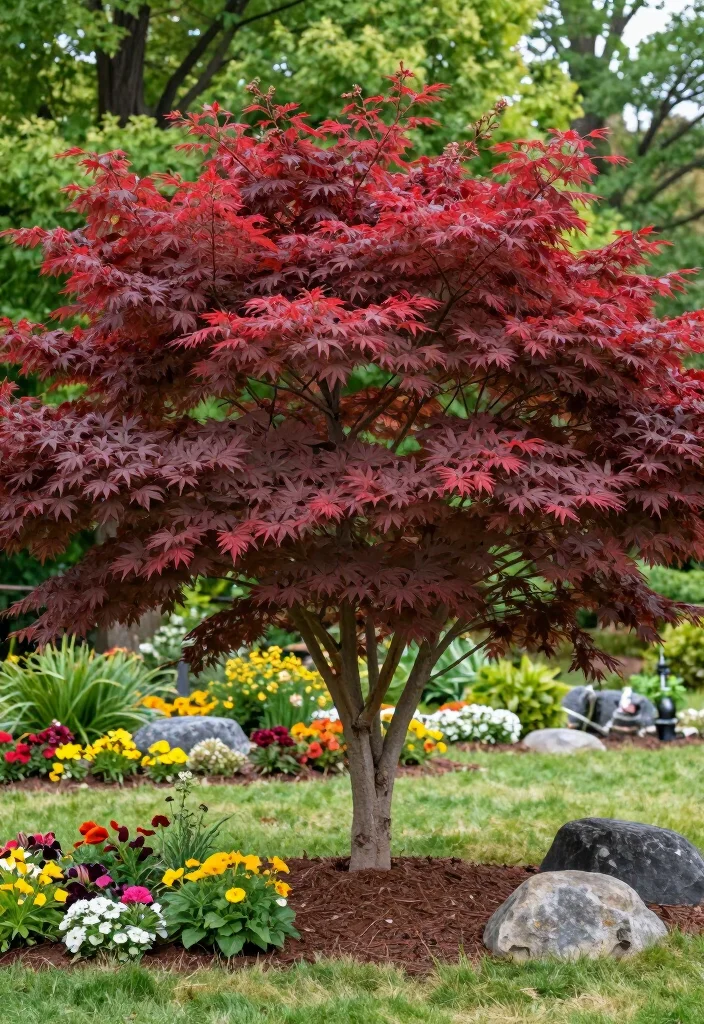
Looking for a stunning centerpiece for your front yard? The Japanese Maple is a show-stopper, showcasing exquisite leaves in vibrant shades of red, purple, and green.
This tree brings a touch of drama and elegance to any landscape, making it a favorite among gardeners everywhere. Its compact varieties make it perfect even for smaller spaces, ensuring beauty without overwhelming your yard.
To maintain its stunning appearance, plant it in partial shade to enhance its color vibrancy. Pair it with ornamental grasses or colorful perennials for a layered effect that draws the eye.
Key features to consider:
– Enjoy seasonal foliage changes for year-round interest.
– Select dwarf varieties for limited space.
– Experience low maintenance with occasional pruning.
This tree not only beautifies your space but also creates a tranquil atmosphere. You’ll find yourself enchanted by its changing beauty throughout the seasons.
2. Flowering Dogwood (Cornus florida)
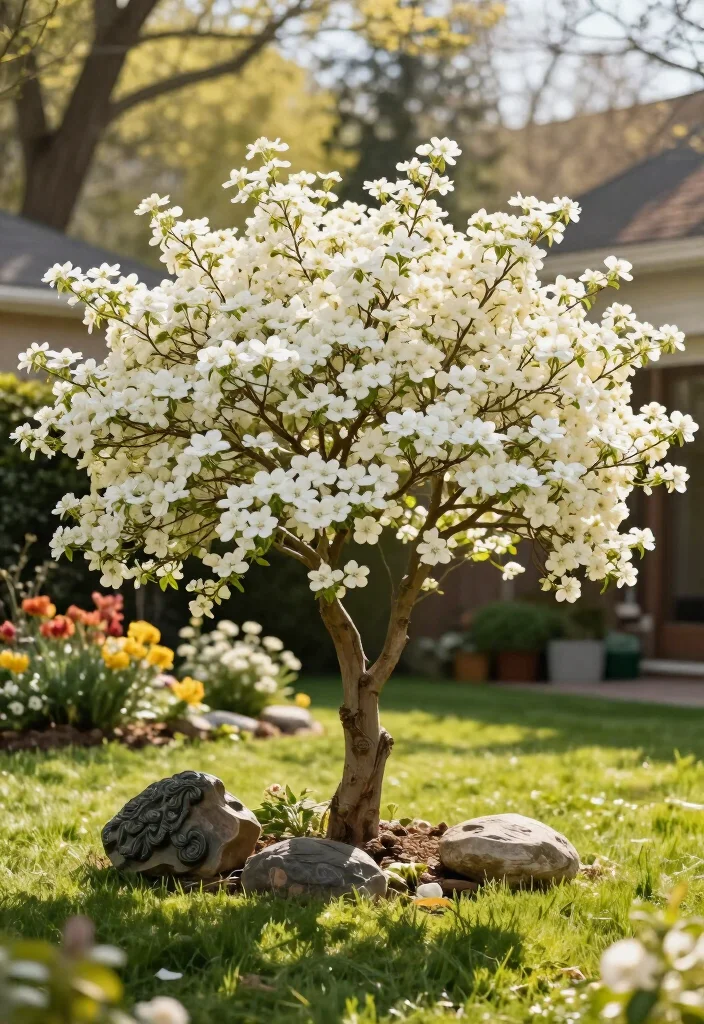
If you want a classic tree that offers seasonal beauty, the Flowering Dogwood is an excellent choice. Bursting with pink or white blooms in spring, this tree will surely delight you and your neighbors.
Its vibrant red berries in the fall attract wildlife, adding to its charm. Plus, its compact size makes it suitable for various front yard designs.
For optimal growth, ensure it is planted in well-drained soil and provide it with some shade to prevent leaf scorch. Consider planting a pair of these trees to create a stunning symmetrical look in your yard.
Here’s how to get started:
– Choose well-drained soil for healthy growth.
– Position it in partial shade for best results.
– Create a symmetrical design with multiple trees.
With its lovely blooms and wildlife-friendly features, this tree transforms your front yard into a picturesque sanctuary.
3. Redbud (Cercis canadensis)
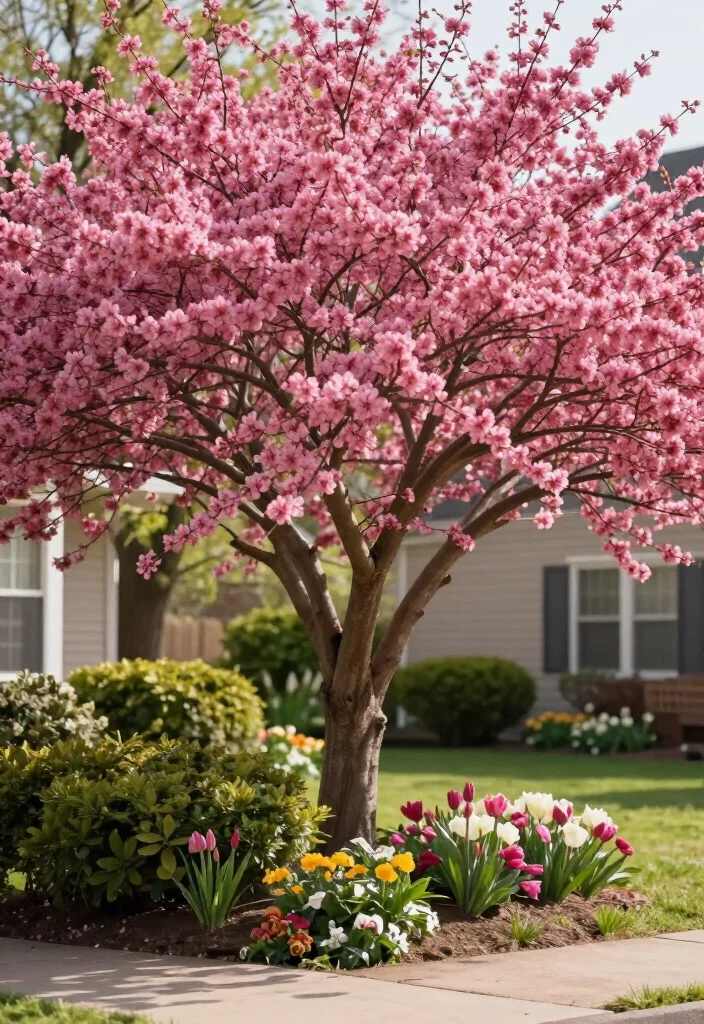
The Redbud is a tree that makes a bold statement with its heart-shaped leaves and stunning pink blooms. It’s one of the first trees to flower in spring, bringing vibrant color to your landscape.
Its unique branching structure provides visual interest all year round, making it a fantastic addition to your garden.
For the best blooms, plant it in a sunny spot where it can thrive. Pair it with colorful spring bulbs for a delightful contrast that brightens your yard.
Key highlights to consider:
– Enjoy early spring blooms that catch the eye.
– Appreciate its unique branching habit for year-round charm.
– Perfect for moderate-sized areas needing color.
The Redbud not only enhances your yard’s appeal but also creates a welcoming environment for visitors and wildlife alike.
4. Eastern Snowball Viburnum (Viburnum opulus)
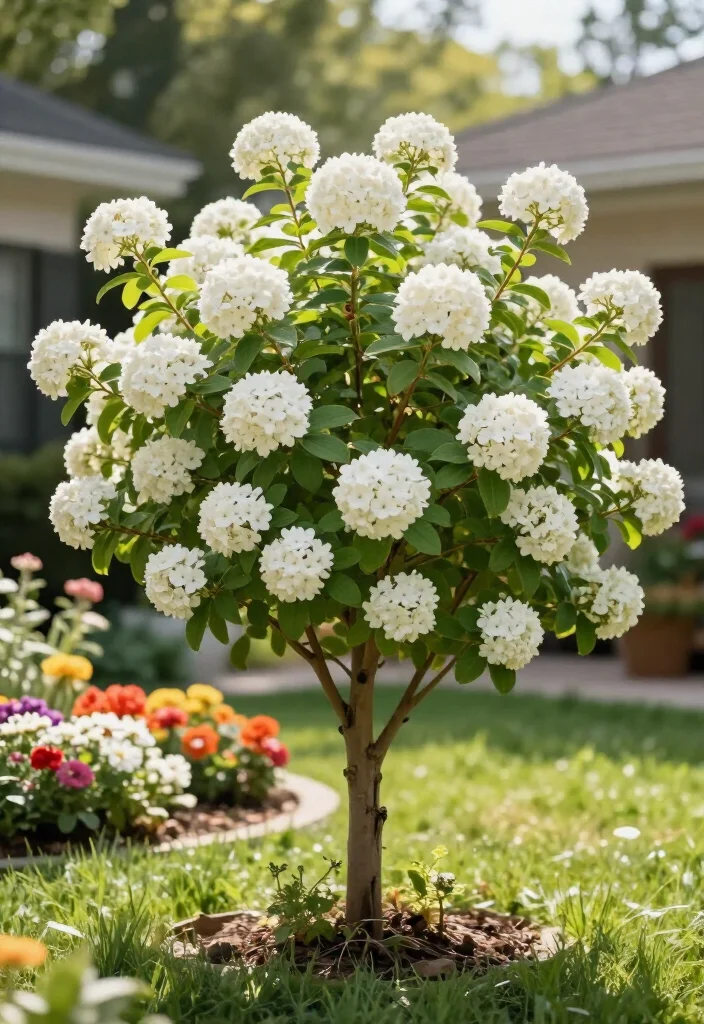
For a tree that offers a fluffy, cloud-like appearance, the Eastern Snowball Viburnum is a top choice. Its large, round clusters of white flowers create a stunning display in spring and early summer. This tree provides both beauty and excellent privacy, making it ideal for smaller gardens.
To maintain its shape, trim it after flowering, and consider planting multiple viburnums for a layered hedge effect.
Benefits of this tree include:
– Gorgeous flower clusters that bloom in spring.
– Dense foliage for effective privacy.
– Attracts pollinators and birds for a lively garden.
With its striking blooms and privacy benefits, this tree can transform your front yard into a serene retreat.
📹 Related Video: European Snowball Viburnum Puts On A Big Show – Common Snowballs
5. Dwarf Alberta Spruce (Picea glauca ‘Conica’)
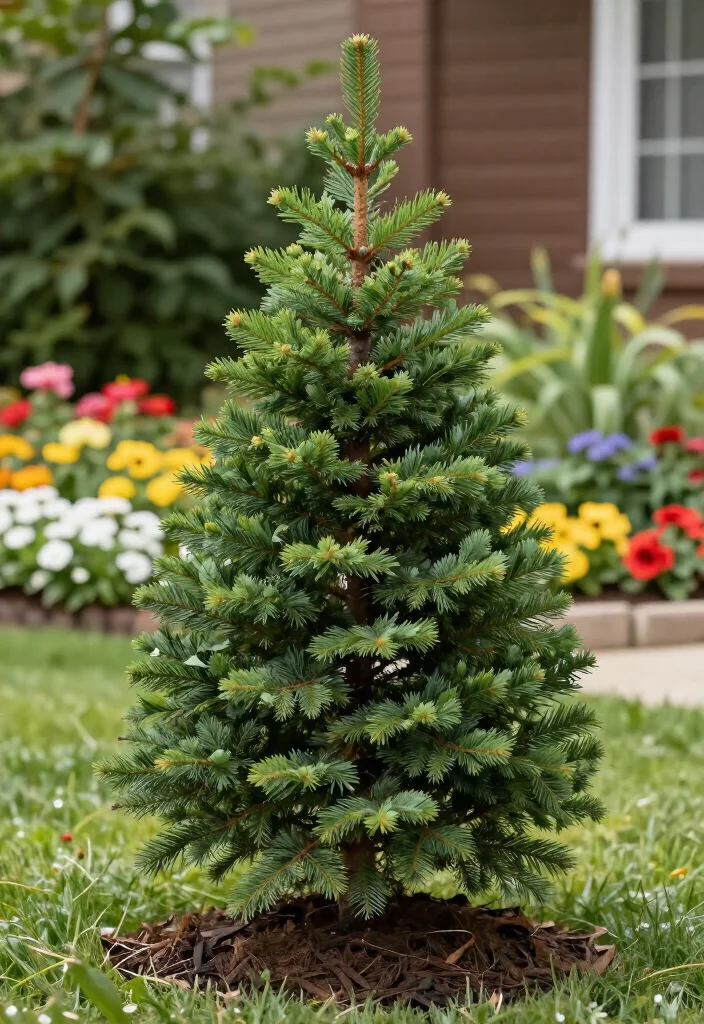
If you’re looking to add year-round greenery to your yard, the Dwarf Alberta Spruce is a fantastic choice. This coniferous gem maintains a compact, conical shape that stays tidy and attractive. It’s perfect for smaller spaces and provides a touch of elegance throughout the seasons.
For optimal growth, plant it in a sunny location. Consider incorporating it into a mixed evergreen garden for a beautiful, year-round appeal.
Features to note:
– Remains evergreen for seasonal beauty.
– Grows under 10 feet for space efficiency.
– Versatile as a standalone plant or in groupings.
This tree not only enhances your landscape but also offers a consistent, green backdrop for your garden.
Dwarf Alberta Spruce (Picea glauca ‘Conica’)
Editor’s Choice




6. Weeping Cherry (Prunus subhirtella ‘Pendula’)
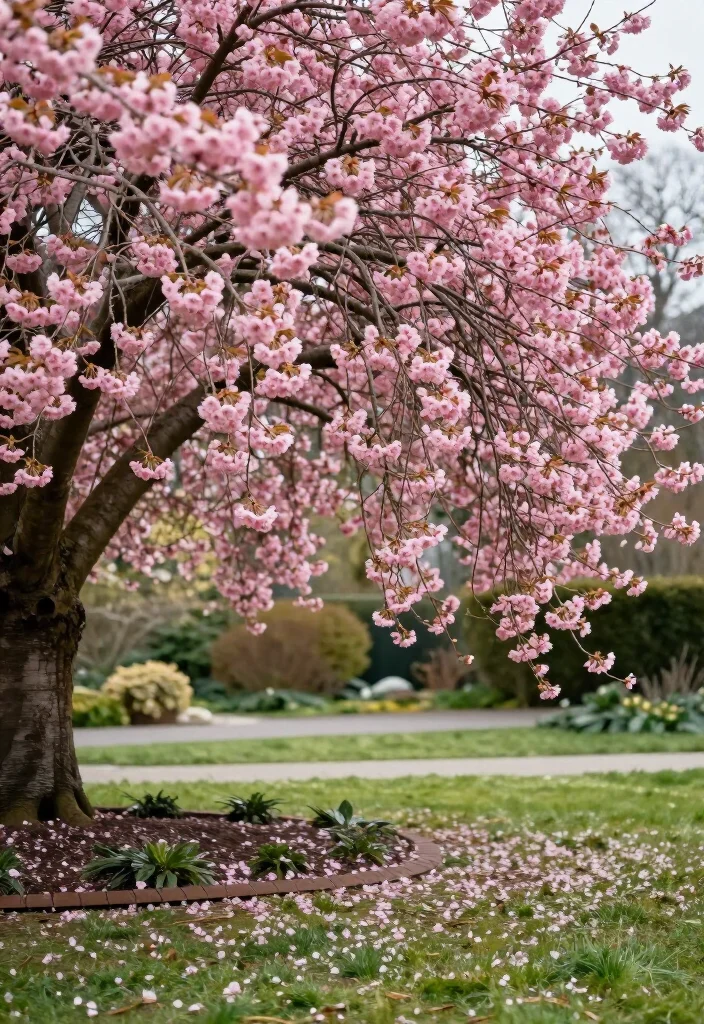
The Weeping Cherry is a breathtaking ornamental tree that adds a graceful touch to any garden. Its cascading branches create a stunning curtain of blooms in spring, filling your yard with beauty and sweet fragrance. This moderate-sized tree fits well in many yards, making it a popular choice.
For the best blooms, ensure it receives full sun and consider planting it near a patio or walkway for an up-close view of its beauty.
Benefits include:
– Dramatic appearance with cascading branches.
– Sweetly scented blooms in spring.
– Grows to a moderate size of around 20 feet.
This tree transforms your outdoor space into a stunning display of nature’s beauty during the blooming season.
7. Saucer Magnolia (Magnolia x soulangeana)
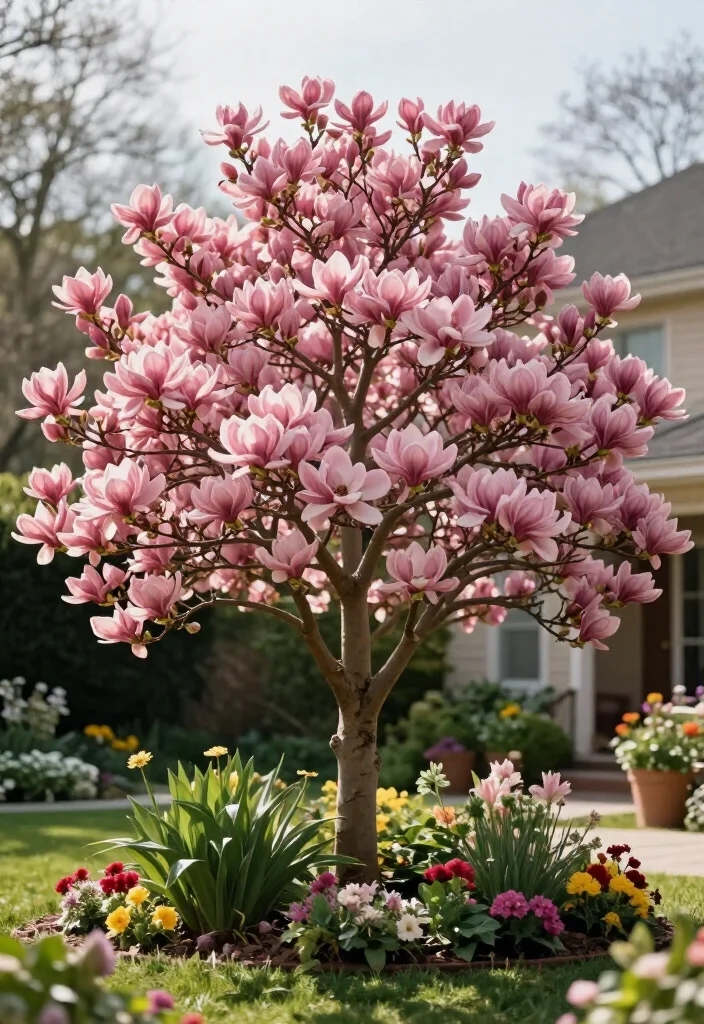
The Saucer Magnolia is renowned for its large, fragrant flowers that capture attention. These stunning cup-shaped blooms come in beautiful shades of pink, white, or lavender, making a bold statement in your yard. Its elegant shape provides generous coverage while remaining aesthetically pleasing.
To maximize flowering, plant it in full sun and consider positioning it near outdoor seating areas so you can fully enjoy its delightful scent.
Key features to explore:
– Large, eye-catching flowers in various colors.
– Elegant rounded canopy for coverage.
– Low maintenance with minimal pruning.
This tree not only beautifies your landscape but also adds a lovely aroma to your outdoor experience.
You might also like
8. Crabapple (Malus spp.)
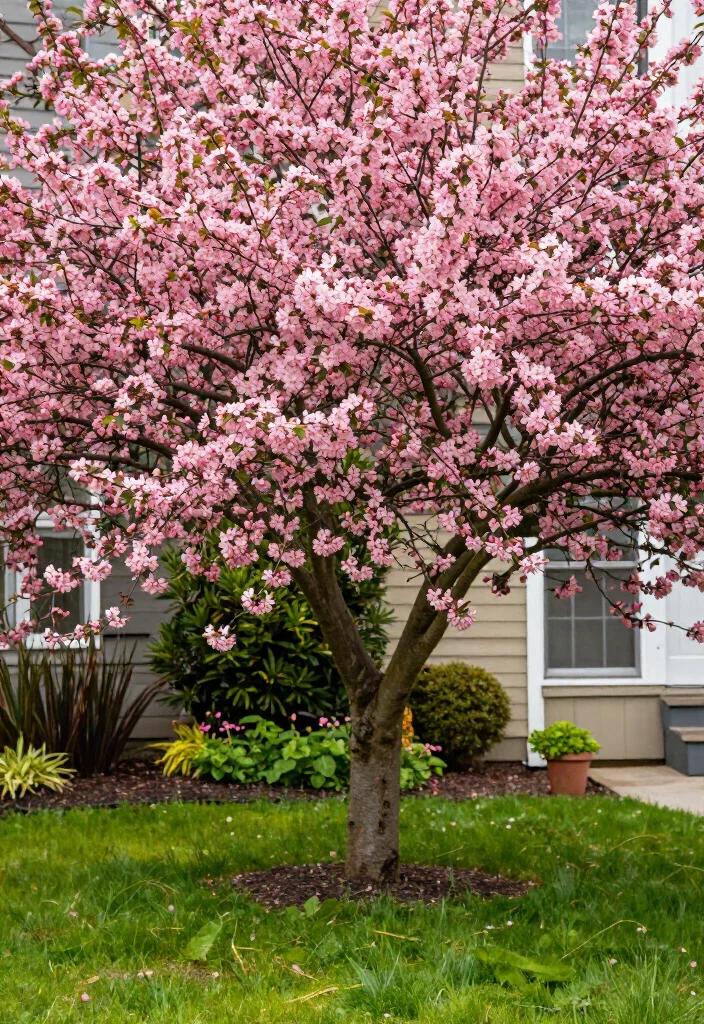
Crabapple trees are a delightful addition, offering stunning flowers in spring followed by colorful fruits that attract wildlife. The blossoms, available in various shades, enhance your landscape while the small apples provide visual interest. With wide dwarf varieties, there’s a perfect fit for every yard.
For a cleaner yard, choose varieties that produce fewer fruits, and consider pairing them with low-growing shrubs to create a multi-layered landscape effect.
Key points to remember:
– Enjoy beautiful blooms in pink or white.
– Attract birds with colorful fruits.
– Select dwarf varieties for smaller spaces.
With their vibrant flowers and fruit, these trees bring life and color to your garden.
Crabapple (Malus spp.)
Editor’s Choice


9. Lilac Tree (Syringa spp.)
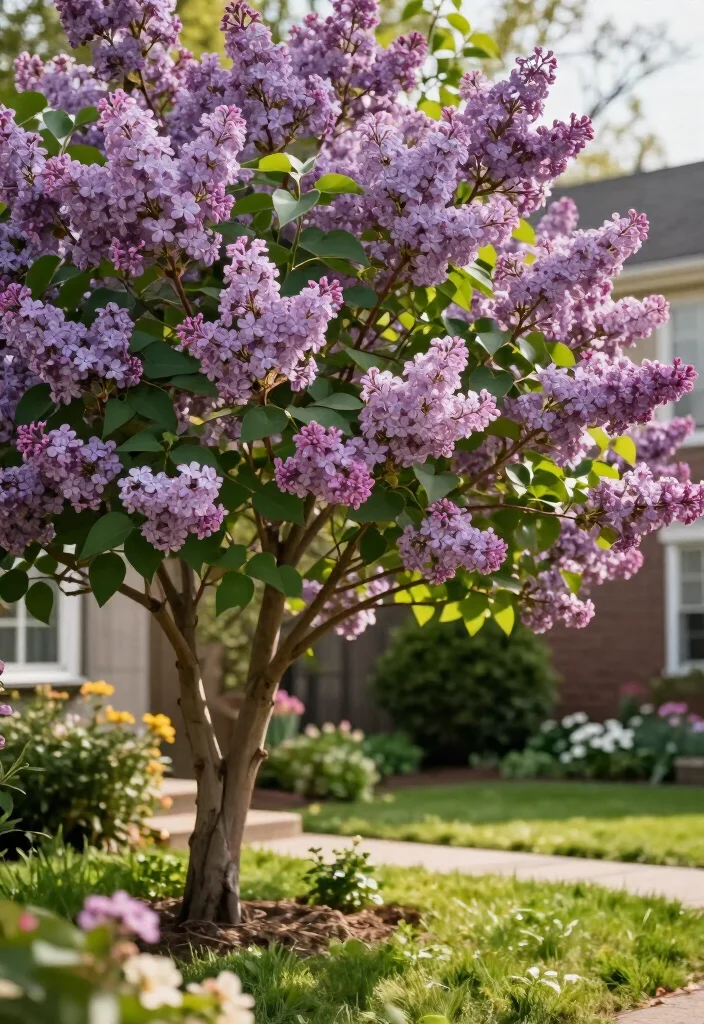
Lilac trees are cherished for their fragrant blooms, offering both beauty and scent to your yard. The flowers not only add visual appeal but also fill the air with a delightful aroma.
Available in shades of purple, pink, and white, lilacs allow for creative garden designs.
To promote new growth, prune after blooming and consider planting them near walkways or porches to enjoy their scent during the spring.
Highlights include:
– Sweet fragrance that fills the air.
– Varied colors for customization.
– Compact varieties perfect for small spaces.
This tree not only beautifies your garden but also creates a sensory experience that enhances your outdoor enjoyment.
10. Cercis canadensis ‘Forest Pansy’
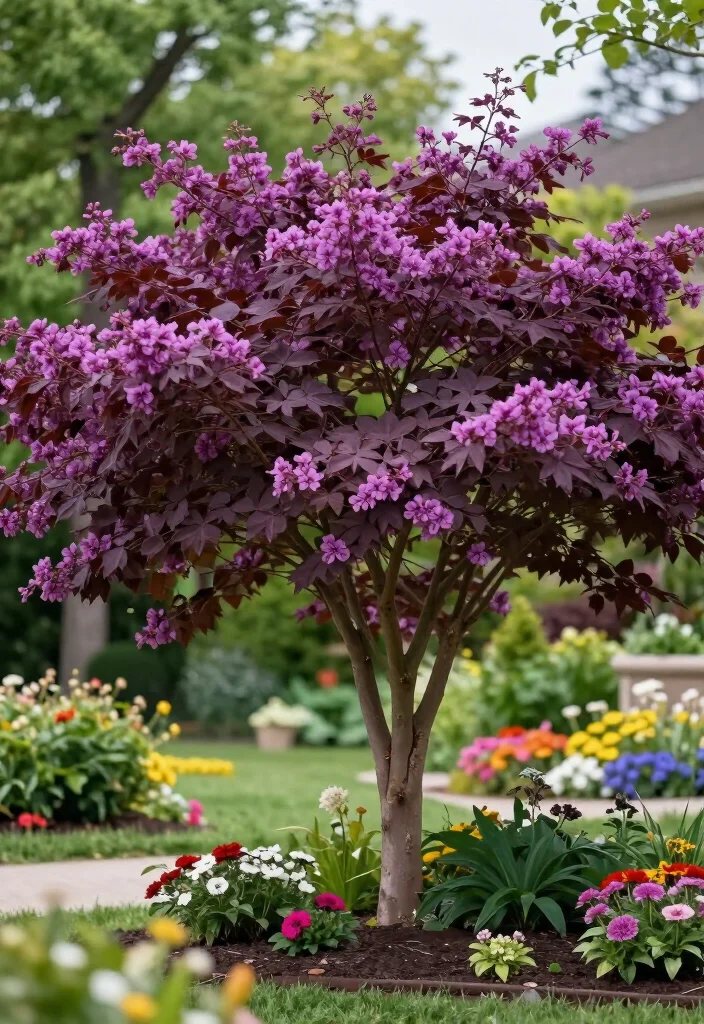
The ‘Forest Pansy’ variety of the Eastern Redbud is a standout with its striking purple foliage. This tree’s leaves emerge deep purple, transitioning to green in summer, while its pink flowers provide a lovely contrast. Its smaller size makes it a perfect choice for any yard.
Use it as a focal point in your landscape, and consider combining it with light-colored flowers to create a balanced look.
Key highlights to consider:
– Colorful foliage that catches the eye.
– Spring blooms for added beauty.
– Dwarf size fits easily into any space.
This unique tree not only enhances your yard’s aesthetics but also serves as a conversation starter for your guests.
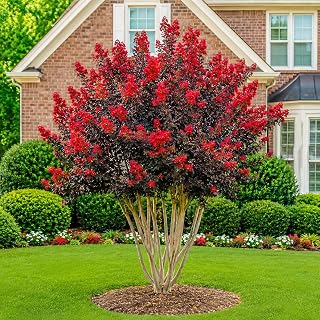
11. Black Diamond Crape Myrtle (Lagerstroemia indica)
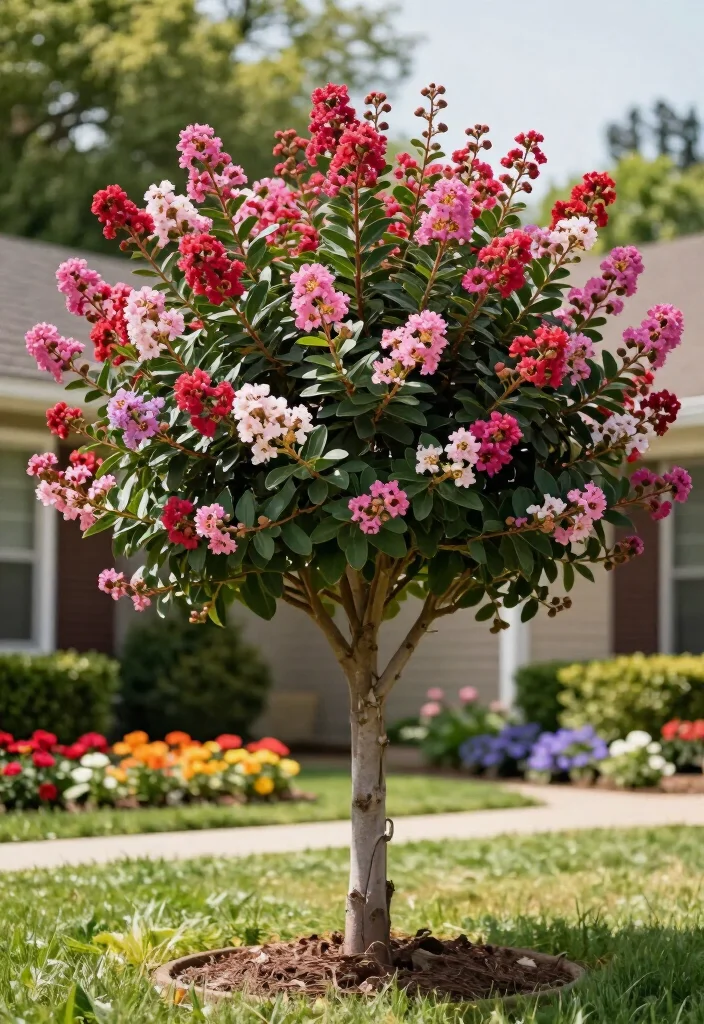
The Black Diamond Crape Myrtle stands out with its vibrant flowers and dark foliage. This stunning tree features long-blooming clusters of colorful flowers from summer to fall, making it a highlight in any garden. Its compact size makes it ideal for tighter spaces.
For optimal blooming, plant it in full sun and use it as a colorful focal point among other plants for a vibrant display.
Key features include:
– Enjoy long blooming seasons for extended beauty.
– Admire dark foliage that contrasts beautifully with blooms.
– Choose compact sizes for small gardens.
This tree not only adds color to your landscape but also creates a lively atmosphere throughout the growing season.
Black Diamond Crape Myrtle (Lagerstroemia indica)
Editor’s Choice


12. Honeylocust (Gleditsia triacanthos)
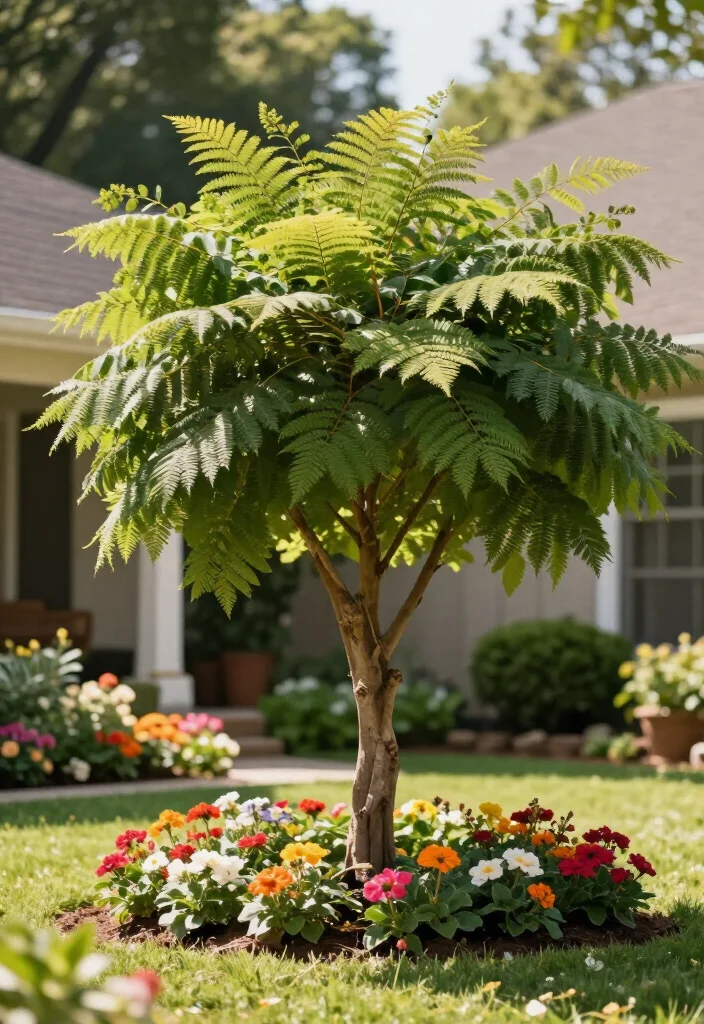
Honeylocust trees are known for their airy canopy and delicate, fern-like leaves. They provide dappled shade that’s perfect for keeping your front yard cool during hot days. In fall, the foliage turns a lovely golden yellow, adding seasonal interest to your landscape.
Ideal for parking areas, this tree offers shade without the mess of heavy debris. Consider using it to create a cozy seating area in your yard.
Benefits to keep in mind:
– Provides filtered shade for comfort.
– Enjoys golden fall color for added charm.
– Drought-tolerant, making it resilient in various climates.
This tree not only enhances your yard’s comfort but also creates a welcoming environment for relaxation.
Honeylocust (Gleditsia triacanthos)
Editor’s Choice


You Might Also Like
13. Amur Maple (Acer ginnala)
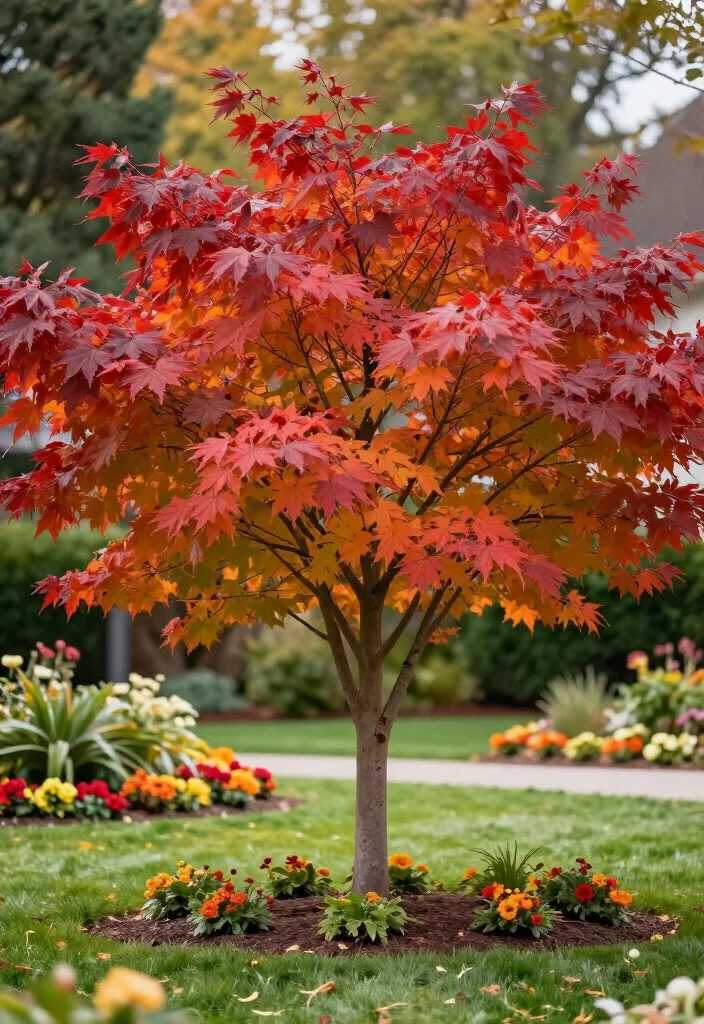
The Amur Maple is a compact tree that adds vibrant seasonal color to your front yard. Its leaves transform into fiery red and orange hues in autumn, creating a stunning display. Typically reaching heights of 15-20 feet, it fits nicely into smaller spaces while still making a significant impact.
For maximum fall color, plant it in a sunny location and consider combining it with evergreens for a striking contrast.
Key points to consider:
– Experience colorful fall foliage that amazes.
– Enjoy its compact growth for space efficiency.
– Appreciate its attractive, rounded shape in your garden.
This tree not only beautifies your front yard but also brings seasonal excitement and charm.
14. Tea Olive (Osmanthus fragrans)
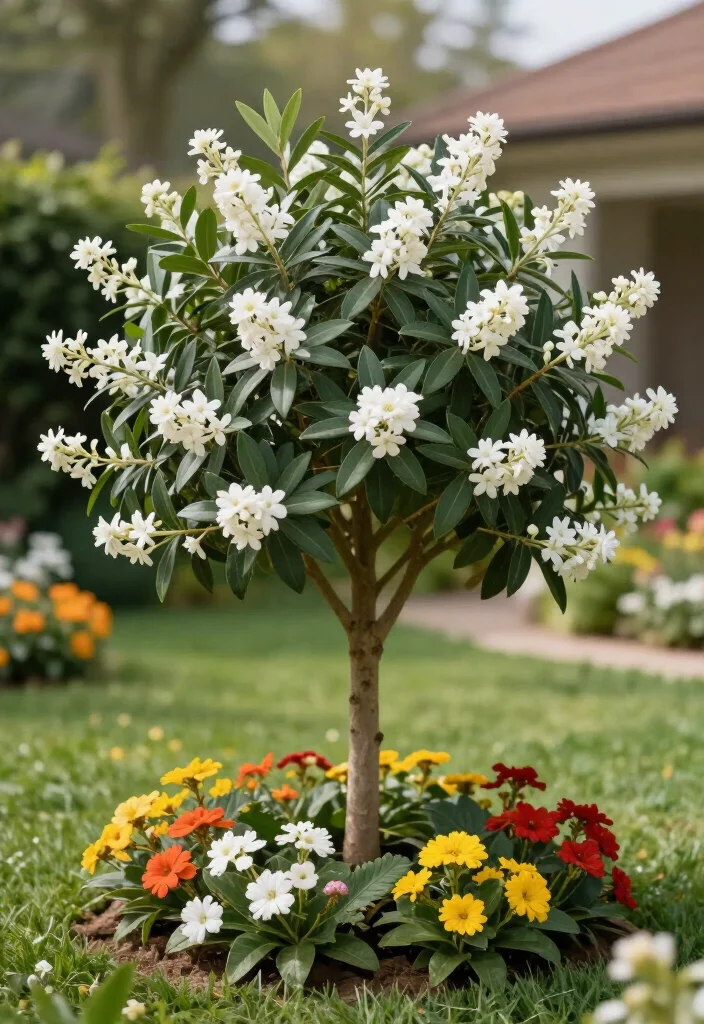
The Tea Olive is celebrated for its fragrant flowers, adding both beauty and scent to your front yard. Its blooms emit a sweet aroma that’s not overpowering, creating a pleasant environment. This evergreen maintains its greenery year-round, providing a lovely backdrop even in winter.
For the best experience, plant it near entryways or outdoor seating areas. Combine it with flowering plants for a delightful sensory experience.
Key features include:
– Enjoy a delicious aroma from the blooms.
– Benefit from its evergreen nature for year-round cover.
– Tidy growth makes it suitable for small gardens.
This tree not only enhances your outdoor space but also creates an inviting atmosphere for all who visit.
Tea Olive (Osmanthus fragrans)
Editor’s Choice


15. Silver Birch (Betula pendula)
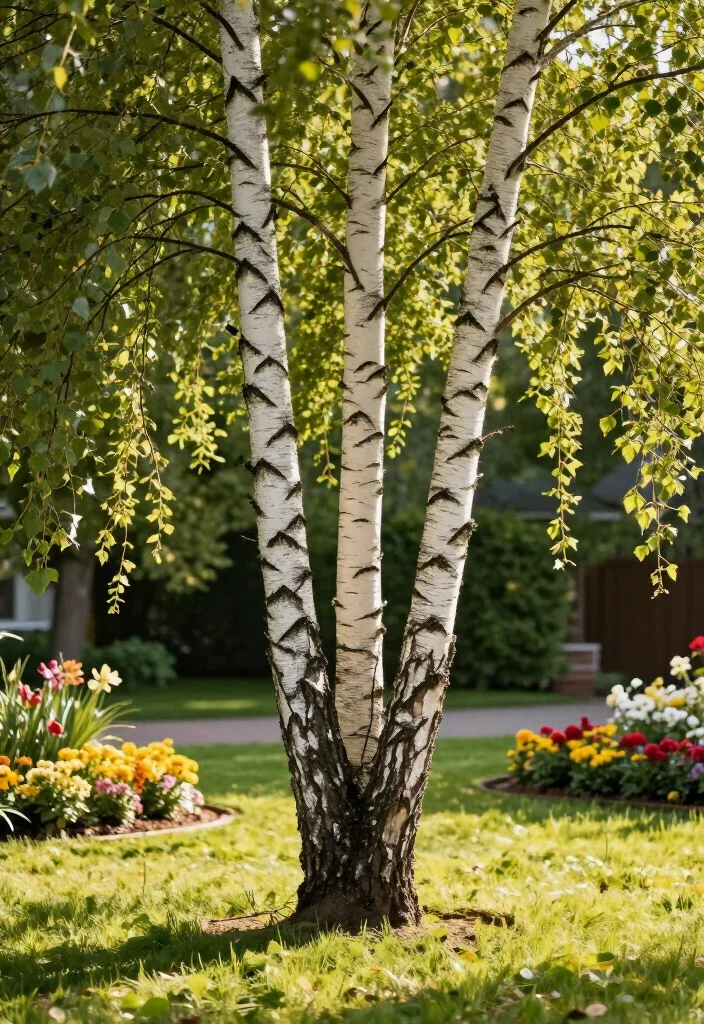
The Silver Birch is renowned for its stunning white bark and delicate leaves, creating a striking contrast in any landscape. Its eye-catching, peeling bark adds unique texture and visual interest. With a graceful form, this tree reaches about 20-30 feet tall, making it suitable for various front yard designs.
To enhance its bark coloration, choose a sunny spot for planting, and consider planting in groups for a beautiful natural look.
Key attributes include:
– Eye-catching white bark for added beauty.
– Graceful form for an elegant aesthetic.
– Moderate growth fits into many landscapes.
This tree not only beautifies your yard but also creates a stunning focal point that draws admiration.
Conclusion
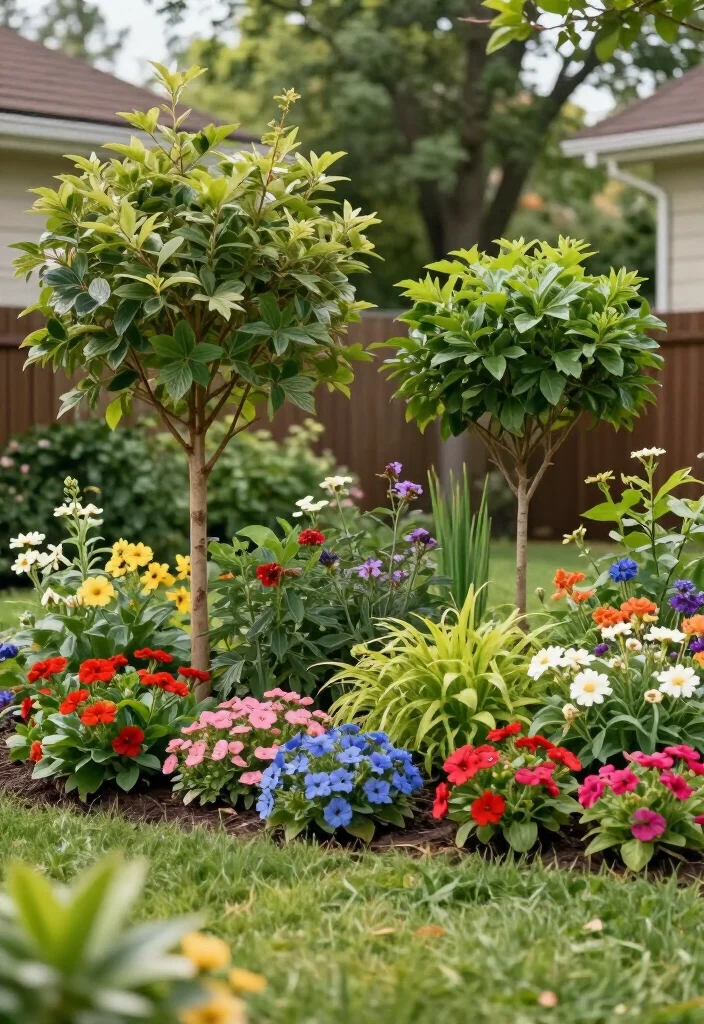
Choosing the right small trees can transform your front yard into a lively and colorful space. Each of these options offers something unique, whether it’s stunning blooms, vibrant foliage, or delightful fragrances.
Consider incorporating one or several to enhance your landscaping and create an inviting atmosphere that your neighbors will envy. Happy planting!
Note: We aim to provide accurate product links, but some may occasionally expire or become unavailable. If this happens, please search directly on Amazon for the product or a suitable alternative.
This post contains Amazon affiliate links, meaning we may earn a small commission if you purchase through our links, at no extra cost to you.
Frequently Asked Questions
Q. What are the best small trees for a front yard to boost curb appeal?
Choose small trees that fit your available space, have manageable root systems, and offer year-round interest through flowers, foliage, or attractive bark. Pair one or two focal trees with low-growing shrubs to create a balanced, eye-catching front yard landscape.
Q. How do I choose small trees for a front yard with limited space?
Measure your yard, check for utilities, and choose compact or dwarf trees that fit the mature size of your space. Combining taller accent trees with smaller understory varieties adds depth while keeping your front yard functional and well-balanced.
Q. Are small trees low maintenance?
Many small trees are easy to care for once established, requiring deep watering during the first year, mulch, and occasional pruning. Choosing disease-resistant varieties and matching them to your soil and climate helps keep your front yard healthy with minimal maintenance.
Q. When is the best time to plant small trees for a front yard?
Planting windows depend on the climate, but a general rule is early spring or fall when temperatures are mild, and rainfall is reliable. For containerized small trees, you can plant nearly year-round in temperate climates—just avoid extreme heat or freezing. Prepare a well-draining planting hole twice as wide as the root ball, backfill with native soil, water thoroughly, and mulch to conserve moisture. In your front yard landscaping ideas, plan for watering needs and a simple monthly maintenance routine.
Q. How can small trees improve curb appeal and privacy in a front yard?
Plant 1–3 small trees strategically to frame your home, enhance curb appeal, and add seasonal beauty or year-round privacy. Mixing evergreen and flowering varieties with different heights creates depth while keeping your front yard functional and inviting.
