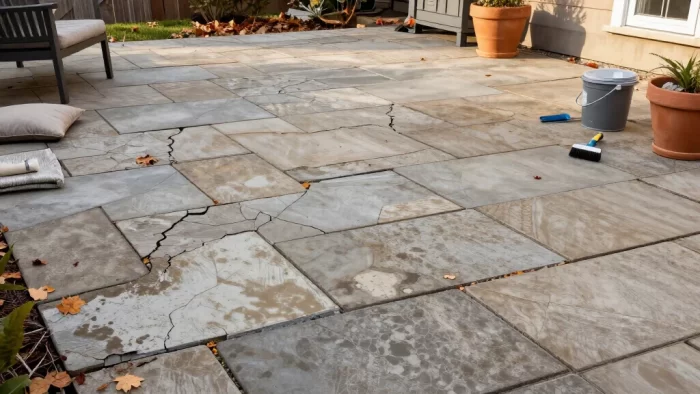
I almost ignored the small gaps in my patio grout because they seemed harmless at first. Then I realized winter weather can turn a minor maintenance issue into a much bigger headache.
Knowing the Signs Your Patio Needs Regrouting Before Winter can help you catch problems while they’re still manageable.
Loose or crumbling grout, widening joints, standing water, and weeds growing between pavers are all worth checking before cold weather arrives.
I now look closely at patio grout, outdoor tile maintenance, and paver joint repair as part of my fall cleanup. A little attention before winter can help protect the patio and make spring repairs much less stressful.
- 1. Hairline Cracks Are Spreading Across the Joints
- Hairline Cracks Are Spreading Across the Joints
- Alliance Gator G2 Maxx Polymeric Sand Slate Gray 50 lb Professional Pave…
- Marshalltown Joint Raker, Masonry, 8 1/2 x 3 Inch, Aluminum, Assembled i…
- Bon Tool Co. 21-168 Paver Joint Wire Brush-1-1/2" Wire with 16" Handle
- Rhino Power Bond Plus – Polymeric Sand for Pavers and Stone Joints up to…
- SRW Pavermate Z3 Polymeric Sand for Concrete Pavers and Stone Joints Up …
- Hairline Cracks Are Spreading Across the Joints
- 2. Empty Gaps Are Letting the Patio Base Show Through
- 3. The Grout Crumbles Like Dry Sand Underfoot
- 4. Weeds or Moss Are Growing Between the Pavers
- 5. Dark Water Marks Keep Returning After Rain
- Dark Water Marks Keep Returning After Rain
- Alliance Gator G2 Maxx Polymeric Sand Slate Gray 50 lb Professional Pave…
- ROMPOX Easy Neutral/Beige – Pre-Mixed Permeable Paver Joint Compound for…
- MasonryDefender Patio Paver Sealer – Low Gloss, Water-Based, Clear Seala…
- Black-2pack Rain Gutter Downspout Extensions Flexible, Drain Downspout E…
- Gutter Downspout Extensions, 12 x 12in Catch Basin
- You might also like
- Dark Water Marks Keep Returning After Rain
- 6. Pavers Rock or Click When You Walk Across Them
- 7. Joints Near the Edges Are Splitting Wide Open
- 8. White Powder or Rusty Stains Keep Appearing
- White Powder or Rusty Stains Keep Appearing
- Natural Stone Cleaner for Limestone, Travertine, Granite & Tile, 1 Gallon
- 500ml Neutral Rust Remover for Marble, Granite, Tile, Metal,Powerful & Fast
- Black Diamond Stoneworks Ultimate Grout Cleaner for Tile & Grout, QT/Brush
- Black Diamond Nex-Gen Natural Stone Penetrating Sealer: Seals & Protects…
- Easy Neutral/Beige – Pre-Mixed Permeable Paver Joint Compound for Patios…
- White Powder or Rusty Stains Keep Appearing
- 9. Old Repairs Are Peeling, Patchy, or Opening Again
- Old Repairs Are Peeling, Patchy, or Opening Again
- Rhino Power Bond Plus Polymeric Sand for Pavers and Natural Stone Joints…
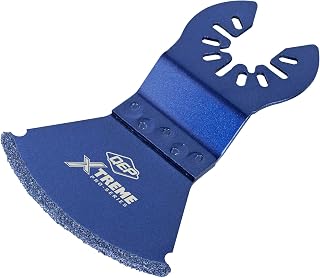
- 10088 Xtreme Premium Diamond Grit Grout Removal Curved Blade
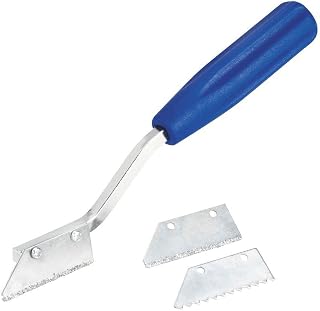
- 10012 Qep Tile Tools Professional Carbide Grout Saw
- AA255W 2.5 Gal 2 Peak HP Wet/Dry Utility Vac Orange/Black
- Sikaflex Crack Flex Sealant – Gray, High-Performance Polyurethane, Self-…
- You Might Also Like
- Old Repairs Are Peeling, Patchy, or Opening Again
- 10. The Patio Feels Damp, Slippery, or Rougher Than Usual
- A Quick Winter Checklist Can Save the Patio
- A Quick Winter Checklist Can Save the Patio
- Alliance Gator G2 Maxx Polymeric Sand Slate Gray 50 lb Professional Pave…
- ROMPOX Easy Neutral/Beige – Pre-Mixed Permeable Paver Joint Compound for…
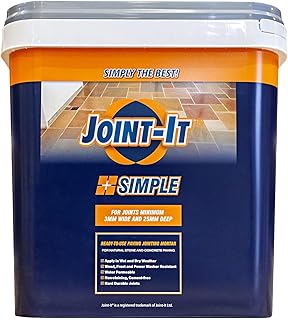
- Joint-It Simple Grey – Better Polymeric Sand Alternative, Haze-Free Pati…
- SRW Pavermate Z3 Polymeric Sand for Concrete Pavers and Stone Joints Up …
- ROMPOX ECO-FINE – Color Update – Sand & Resin Joint Mortar: Triple Stren…
- Key Takeaways
- A Quick Winter Checklist Can Save the Patio
- Conclusion: Fix the Small Clues Before Winter Finds Them
- Frequently Asked Questions
1. Hairline Cracks Are Spreading Across the Joints
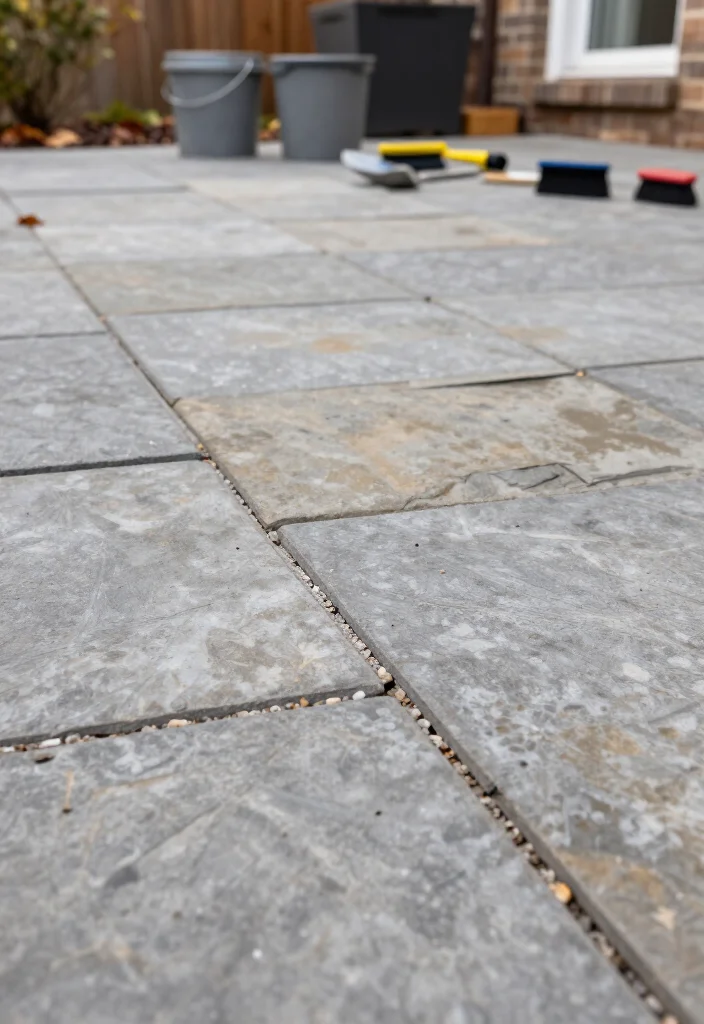
Hairline cracks may look harmless, but they can let water seep below your patio surface. When that water freezes, it expands and places pressure on nearby pavers or tiles. Several cracks in one area often point to aging grout, ground movement, or repeated wet and dry cycles.
Brush the joint clean, then gently test it with a screwdriver or grout rake. Firm material can stay in place, while sandy crumbs signal deeper failure.
Check these clues:
– Inspect connected joints near steps, corners, and edges
– Brush debris away to expose loose or stable material
– Compare damp lines with nearby dry joints
– Replace failed grout with exterior-rated flexible material
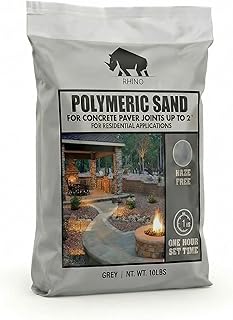
Use polymeric sand for many paver patios, not tile grout. Repairing small cracks now helps block winter moisture and reveals larger drainage or settling problems before spring.
Hairline Cracks Are Spreading Across the Joints
Editor’s Choice





2. Empty Gaps Are Letting the Patio Base Show Through
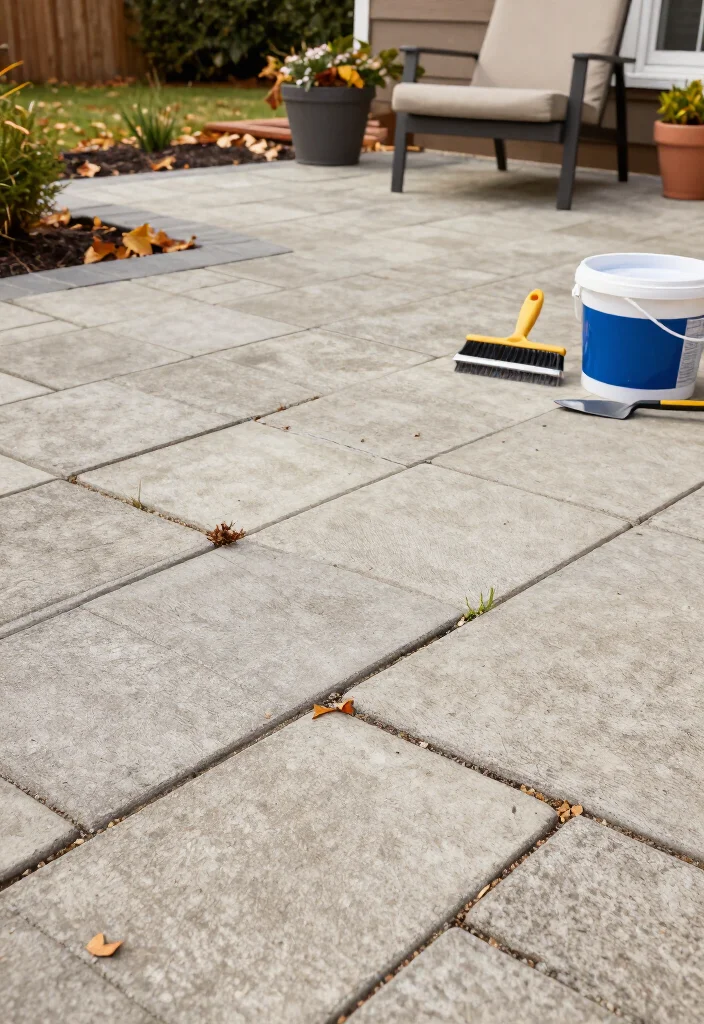
Open joints expose the patio base to rain, weeds, insects, and freezing temperatures. You may see dark sand, soil, or the edge of a setting bed where grout or jointing material has disappeared. Heavy foot traffic, scraping furniture, and runoff often create these gaps first.
Clean every channel before refilling it. New material will not bond well over leaves, loose dirt, or powdery leftovers, and a rushed repair may wash away during the next storm.
Use these repair habits:
– Remove loose material to the recommended depth
– Vacuum channels without chipping nearby paver edges
– Fill joints level with the surrounding surface
– Protect repairs from rain, pets, and traffic
Choose exterior grout for tile and polymeric sand for many pavers. If a gap surrounds a rocking stone, stabilize it first. A filled joint cannot hold a piece that moves beneath your feet.
3. The Grout Crumbles Like Dry Sand Underfoot
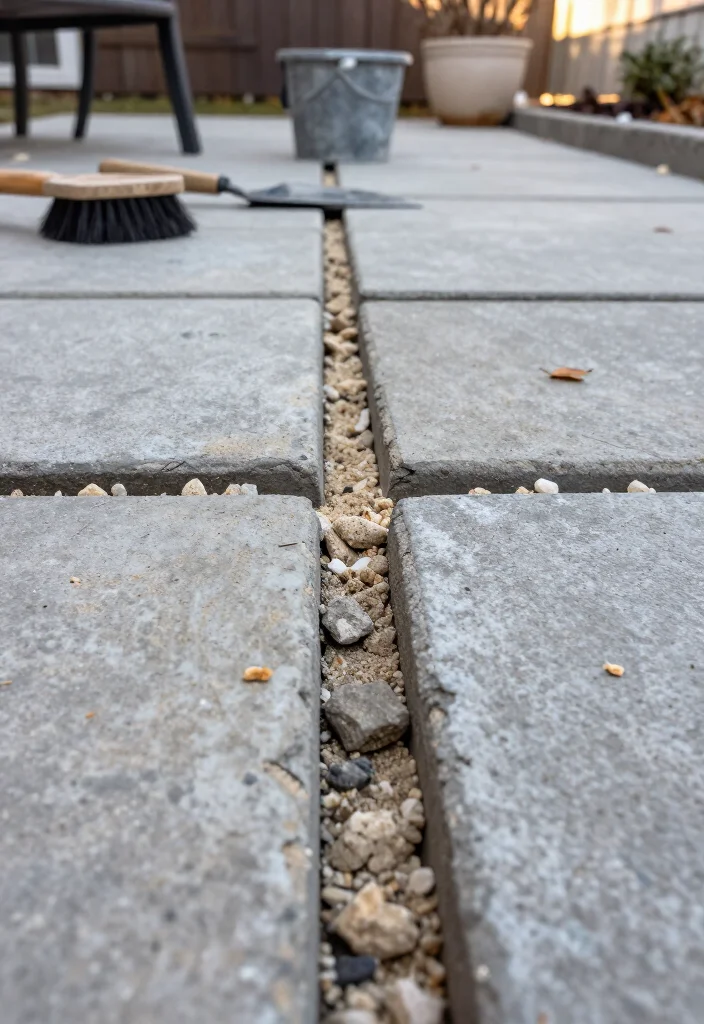
Outdoor grout should feel firm when you press it gently. If it powders, flakes, or leaves a sandy trail, the joint has lost its strength. Age, excess installation water, harsh cleaners, sun, and rain can all weaken the material over time.
Test the joint when dry and again after light moisture. If only the surface loosens, a careful refresh may work. When the full channel crumbles, remove it completely before adding new material.
Try these simple checks:
– Press a fingertip into a dry joint
– Brush once and watch for powder
– Compare damaged joints with firm neighbors
– Check whether crumbling follows drainage paths
Use a freeze-thaw-rated product suited to your patio material. Clean dust away, follow moisture directions, and allow full curing. Strong replacement joints reduce water entry and help prevent larger spring repairs.
4. Weeds or Moss Are Growing Between the Pavers
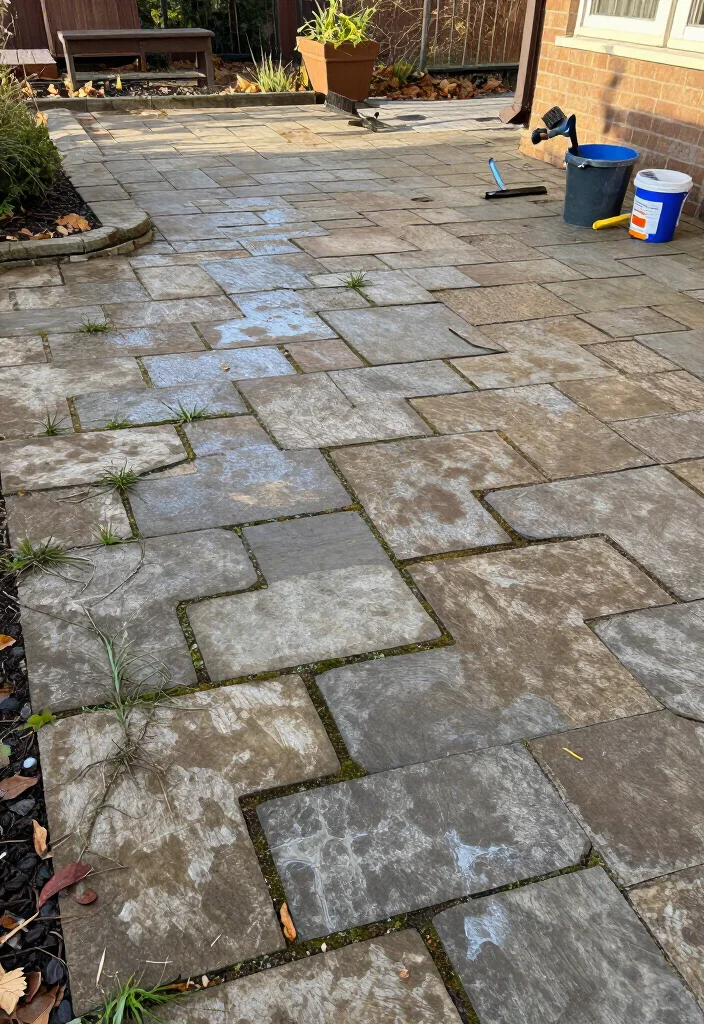
Weeds and moss usually mean your joints hold moisture, soil, or both. Moss prefers cool, shaded spaces, while weeds take root in missing or loose joint material. As roots grow, they widen gaps, lift edges, and make walking less comfortable.
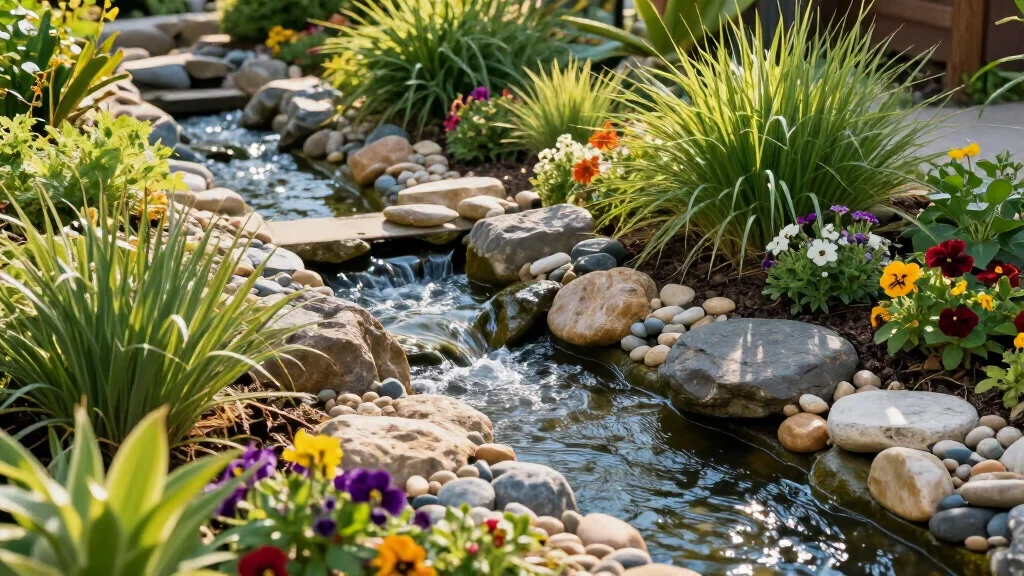
Pull weeds instead of cutting off the tops, then brush away loose soil. Remove moss with a stiff brush and test any cleaner on a hidden area first. Strong acids may damage stone, concrete, plants, or old grout.
Find the cause before refilling:
– Clear shaded joints that stay wet
– Redirect downspouts away from the patio
– Remove leaves beside walls and planters
– Refill gaps with suitable exterior joint material
Let joints dry before repairing them, and never seal over living growth. Better airflow and drainage make the patio safer, cleaner, and more prepared for freezing weather.
5. Dark Water Marks Keep Returning After Rain
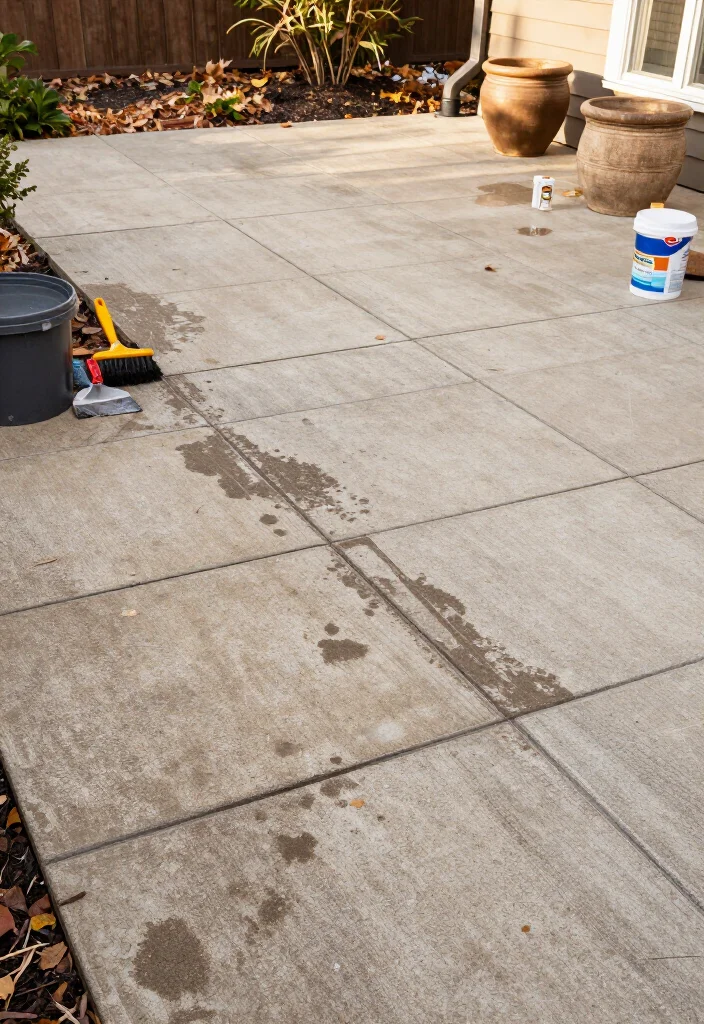
Dark patches that return after rain may reveal more than surface dirt. They can point to porous pavers, failed joints, poor slope, blocked drainage, or water trapped beneath the patio. Pay close attention when one area stays dark after the rest of the surface dries.
Inspect beneath planters, beside steps, near walls, and around downspouts. Avoid aggressive pressure washing, which can remove weak grout and force dirt deeper into porous stone.
Record these useful clues:
– Note puddles that remain for several hours
– Trace dark edges along grout lines
– Check for white deposits after drying
– Inspect damp areas near drains and taps
Repair cracked or missing joints before considering sealer. If water still collects, correct the slope or drainage instead. Addressing wet areas before winter reduces freezing stress, slippery growth, and repeated staining.
Dark Water Marks Keep Returning After Rain
Editor’s Choice


You might also like


6. Pavers Rock or Click When You Walk Across Them
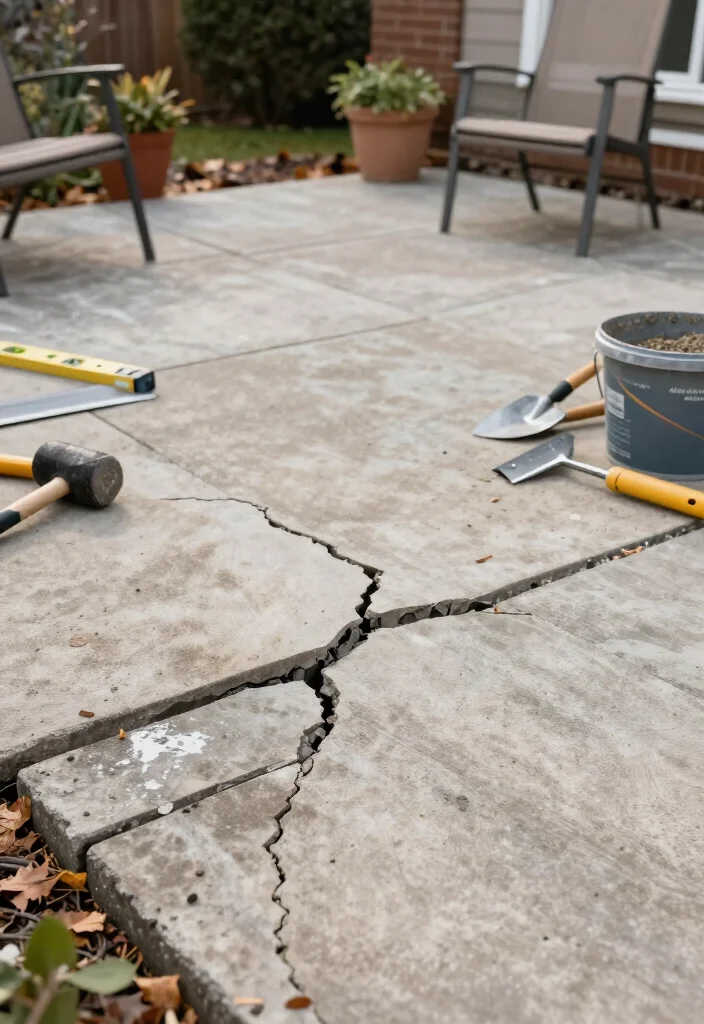
A rocking paver needs more than fresh grout. Movement can crack nearby joints, widen gaps, and expose the base to water. Washed-out sand, roots, poor drainage, or a soft foundation may cause the clicking sound underfoot.
Walk slowly across the patio and mark unstable areas without painting the surface. Compare each loose piece with its neighbors to see whether the issue is isolated or part of a wider low spot.
Stabilize the area first:
– Remove joint material around the moving paver
– Lift it and inspect the bedding layer
– Clear roots or replace washed-out base material
– Reset the paver level with nearby pieces
Use compacted bedding material and polymeric sand for interlocking pavers. Bonded tile may need a setting-bed repair. Once stable, refill the joints. This longer fix prevents winter ice from enlarging the movement.
7. Joints Near the Edges Are Splitting Wide Open
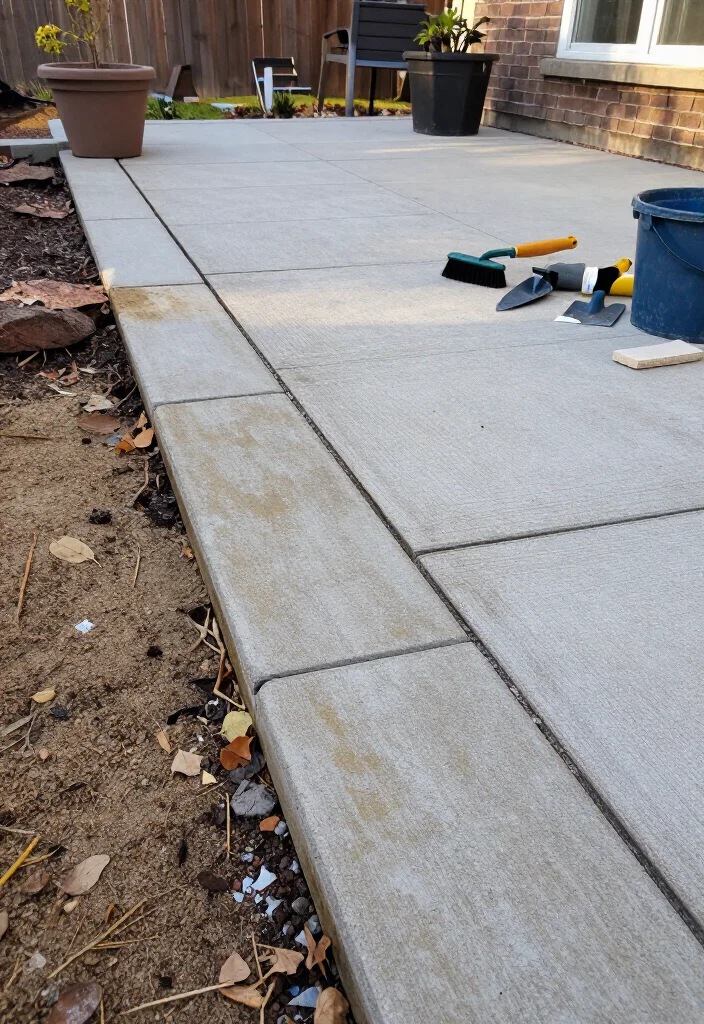
Patio edges often fail before the center because they meet soil, mulch, steps, walls, and changing water flow. Wide splits along the outside row may signal loose edging, settled soil, or washout beneath the pavers. A cracked joint beside a step can also become a trip hazard.
Inspect every border after rain. Look for leaning stones, exposed soil, missing restraints, or gaps that grow wider over time. Repair the edge problem before adding new joint material.
Watch for these warning signs:
– Trace long splits beside several pavers
– Clear mulch from the outside edge
– Reset loose edging stones securely
– Improve drainage beside the patio border
Keep soil slightly below the surface so it does not fill the joints. Once the border is firm, use exterior-rated grout or polymeric sand. A stable edge helps hold the entire patio together through winter.
8. White Powder or Rusty Stains Keep Appearing
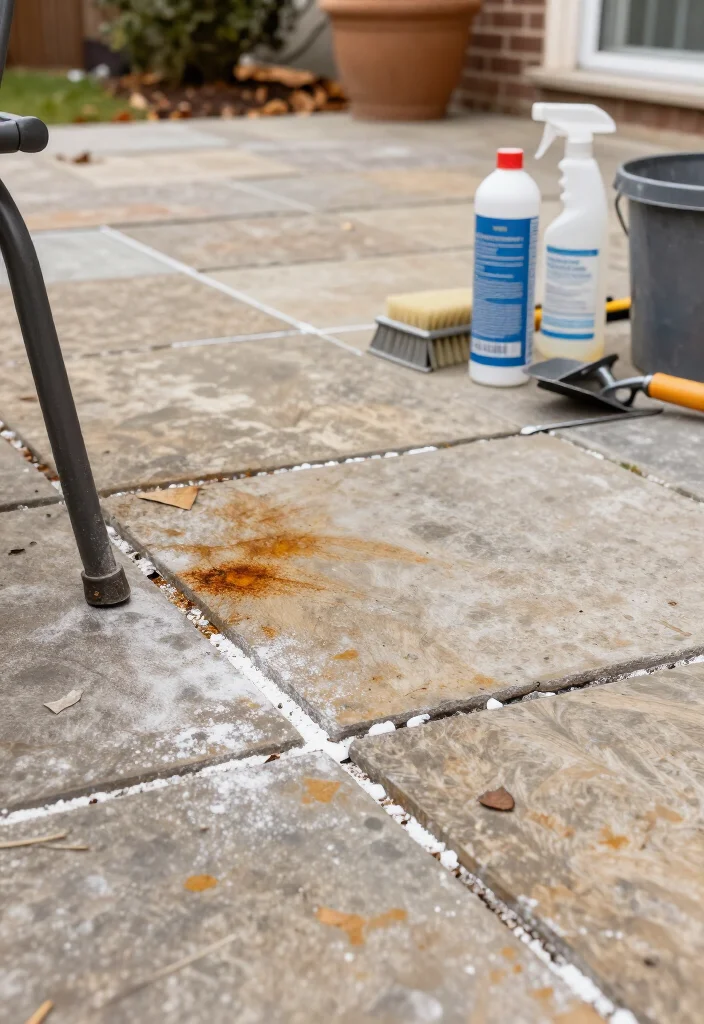
White powder and rusty stains can reveal moisture problems before grout visibly fails. White deposits often come from minerals carried through masonry, while orange marks may come from metal furniture, fertilizer, iron-rich water, or a damp setting bed.
Clean a small area, then watch whether the stain returns after rain. Inspect nearby joints for cracks, soft spots, or missing material, especially beneath planters and furniture legs.
Handle stains carefully:
– Brush dry mineral deposits before adding water
– Test cleaners on a hidden paver first
– Avoid mixing acids, bleach, or other products
– Repair leaks that keep the area damp
Use a stone-safe cleaner for natural surfaces. If moisture travels through failed joints, cleaning alone will not solve the issue. Replace weak material, let it cure, and seal only with a compatible product. Even drying helps the patio face winter weather.
White Powder or Rusty Stains Keep Appearing
Editor’s Choice


9. Old Repairs Are Peeling, Patchy, or Opening Again
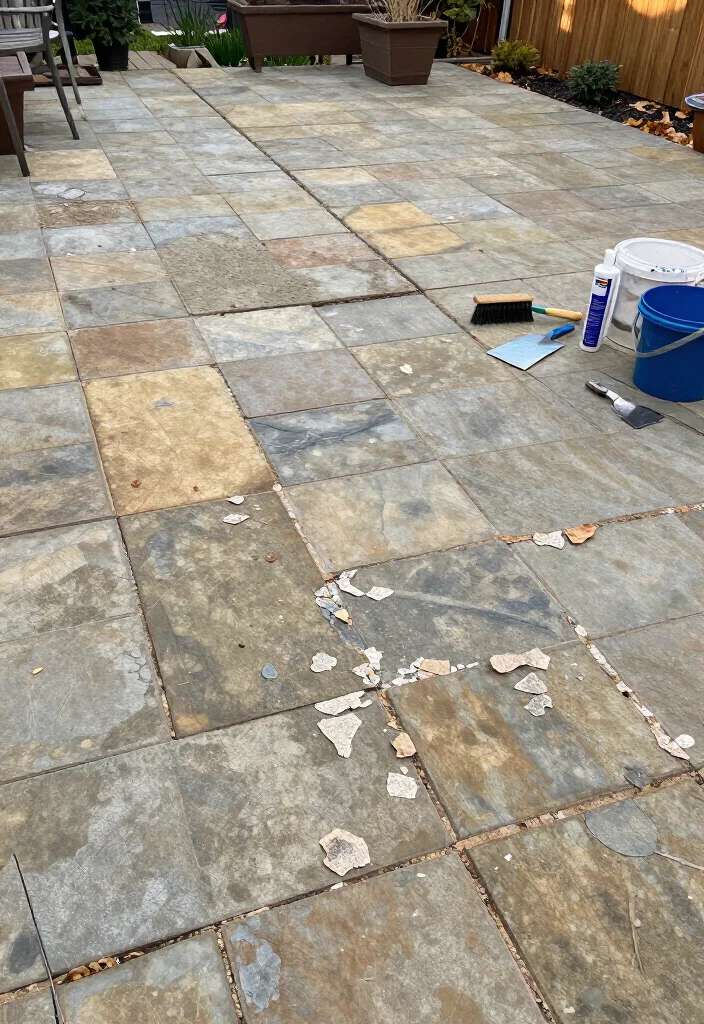
Peeling patches often show that an earlier repair covered dust, dampness, loose grout, or a moving paver. You may notice bright strips, flaky edges, or lines that reopen months after filling. The product may also lack the flexibility needed for outdoor freeze-thaw cycles.
Scrape loose patches carefully and inspect underneath. Remove sealant, paint, powder, and other layers that could stop fresh material from bonding. Good preparation takes longer, but it gives the new repair a better chance to last.
Refresh failed areas properly:
– Remove peeling pieces instead of covering them
– Vacuum dust from the cleaned joint
– Match the product to the patio material
– Test the color in a hidden location
Follow temperature, moisture, and curing instructions closely. Fix shifting pavers or drainage problems before patching. A firm, well-prepared joint is more valuable than a perfectly matched color.
Old Repairs Are Peeling, Patchy, or Opening Again
Editor’s Choice


You Might Also Like
10. The Patio Feels Damp, Slippery, or Rougher Than Usual
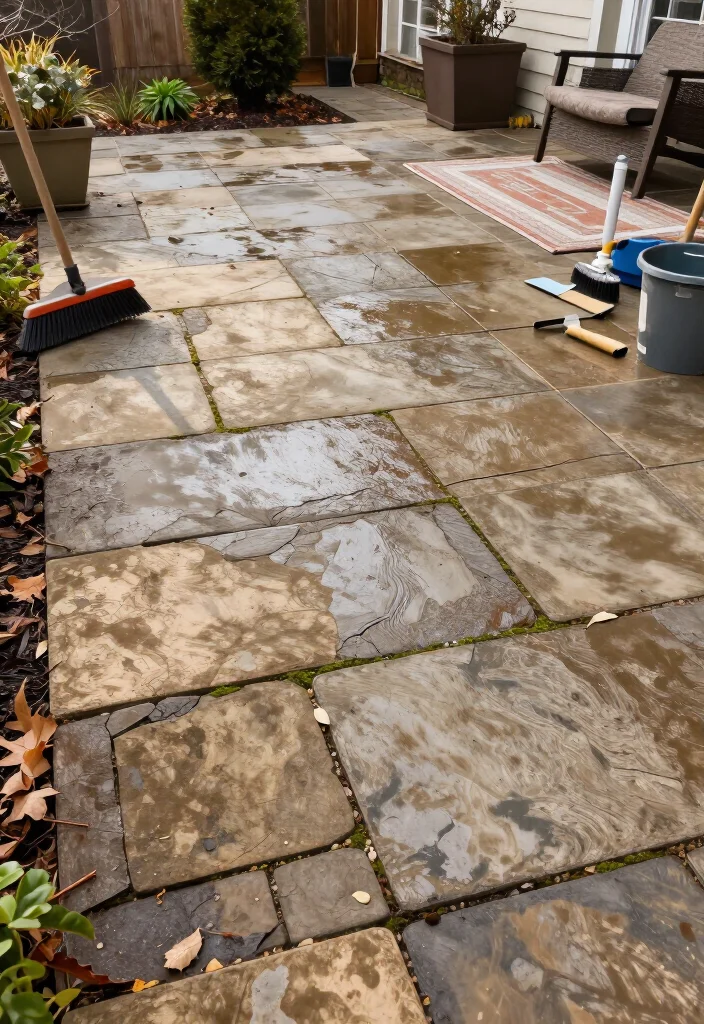
A slick or unusually damp patio creates both a safety risk and a repair warning. Algae, moss, trapped leaves, and crumbling joints can make shaded areas slippery after rain. Rough or sandy joints may also catch shoes and hide wider gaps.
Test the surface when dry and after light rain. Check near trees, walls, planters, rugs, and downspouts. Move coverings aside, improve airflow, and avoid using a pressure washer strong enough to strip weak joints.
Take safer maintenance steps:
– Sweep leaves and grit with a stiff broom
– Use a cleaner approved for the surface
– Scrub algae without cutting into joints
– Mark uneven areas until repairs finish
After cleaning, inspect the joints below the growth. Replace soft material and correct drainage if water remains. A clean, stable, well-drained patio stays safer and more useful during cold months.
A Quick Winter Checklist Can Save the Patio
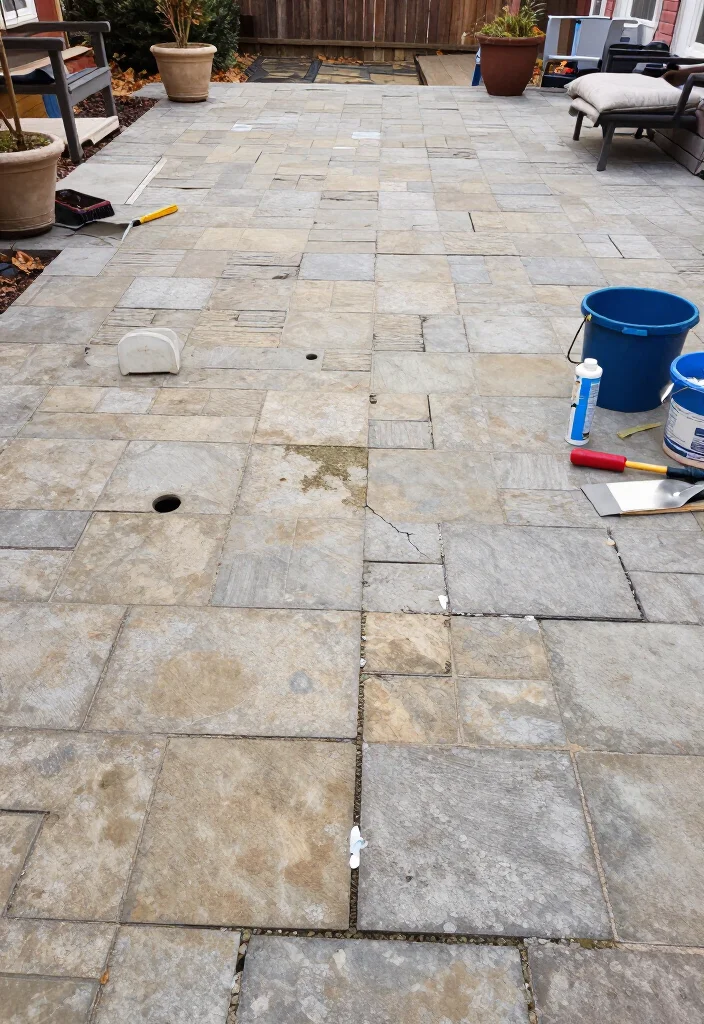
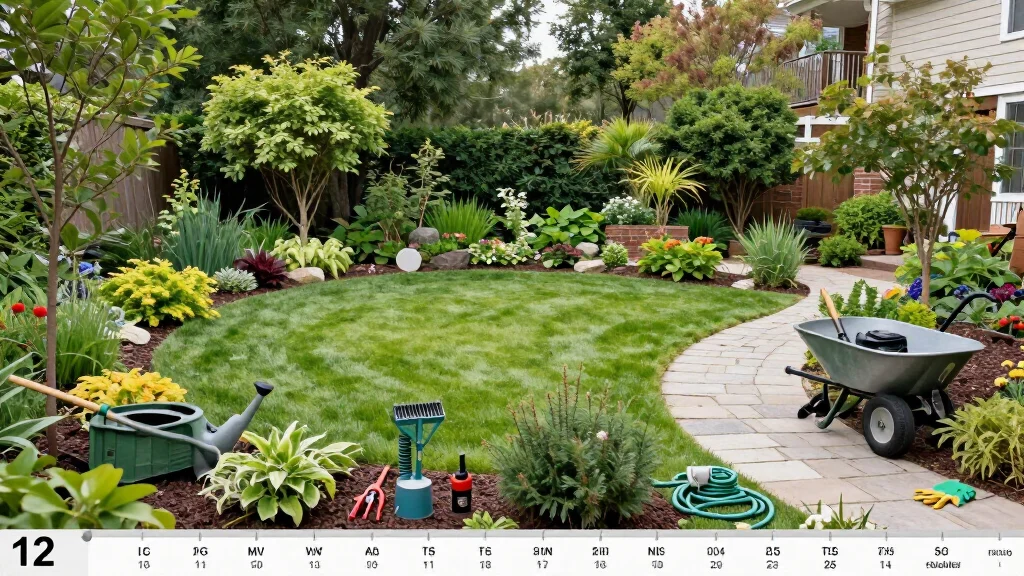
Winter preparation does not require a perfect patio. It requires firm joints, stable pavers, and water that drains away from the home. Begin repairs while temperatures still match the product label, since cold nights and heavy dew can slow curing.
Clean the surface, move furniture, and inspect every joint. Sort problems into simple regrouting, moving pavers, and drainage or base damage. This prevents you from patching grout when the real issue lies underneath.
Complete these final checks:
– Replace cracked, missing, sandy, or weedy joints
– Reset pavers that rock, dip, or rise
– Clear downspouts, drains, and patio edges
– Keep mulch and soil below the surface
Choose products made for your patio material and climate. Protect repairs from traffic until fully cured. Catching small problems now reduces freeze damage, spring cleanup, and costly rebuilding later.
A Quick Winter Checklist Can Save the Patio
Editor’s Choice

Conclusion: Fix the Small Clues Before Winter Finds Them
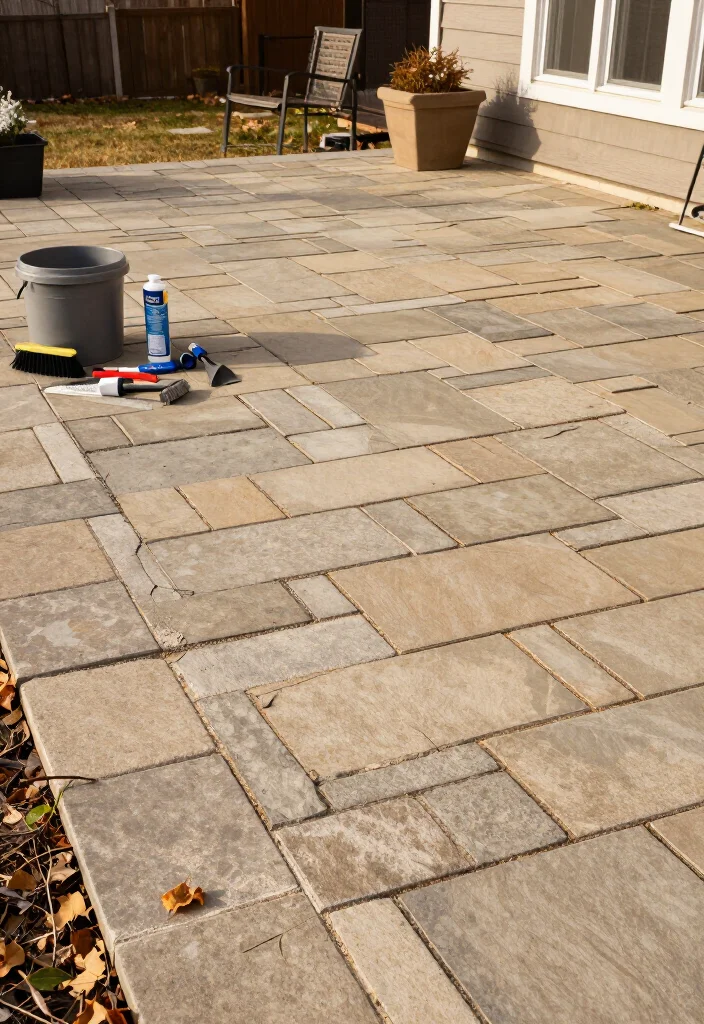
Cracks, open gaps, crumbling joints, weeds, water marks, rocking pavers, edge splits, stains, and failed patches all give you useful time to act.
Handle the simple patio regrouting jobs during a dry, mild stretch, and deal with drainage or movement before covering them with fresh material.
A little patio maintenance now can protect your outdoor space through winter and make the first warm day of spring much more enjoyable.
Note: We aim to provide accurate product links, but some may occasionally expire or become unavailable. If this happens, please search directly on Amazon for the product or a suitable alternative.
This post contains Amazon affiliate links, meaning we may earn a small commission if you purchase through our links, at no extra cost to you.
Frequently Asked Questions
Q. How do I know if my patio needs regrouting?
Look for crumbling, missing, cracked, or loose grout, widening joints, persistent weeds, and water collecting around the joints. These signs suggest the joints may need attention.
Q. Why should I repair patio grout before winter?
Damaged joints can allow water to penetrate beneath patio materials. Freeze-thaw conditions can worsen existing weaknesses, especially in climates where temperatures regularly fall below freezing.
Q. Can I regrout a patio myself?
Small repairs may be suitable for a DIY project if the existing surface is stable and the correct outdoor-rated grout or jointing material is used. Larger or extensively damaged areas may require professional help.
Q. Should I remove old grout before regrouting?
Usually, damaged or loose material needs to be removed to create a clean, stable joint. Follow the manufacturer’s preparation instructions for the specific grout or jointing product.
Q. What should I do if water is already getting under my patio?
First identify where the water is entering and whether drainage is contributing to the problem. Significant movement, sinking, or widespread water infiltration may indicate an underlying drainage or installation issue that should be professionally assessed.
