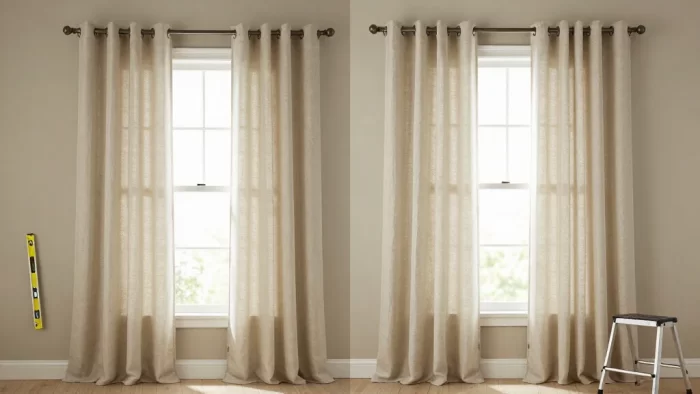
I used to wonder why some of my windows looked smaller even after adding beautiful curtains—then I realized the placement was the problem.
These Signs You Hung Your Curtains Wrong can reveal simple mistakes that make windows feel shorter, narrower, or visually heavy.
I’ve found that understanding curtain hanging mistakes, curtain rod placement, and window treatment ideas can completely change how tall and polished a room feels without buying new curtains.
From rods mounted too low to panels that are too short or narrow, small details matter more than I expected. The good news? Most of these mistakes are surprisingly easy to fix, and the right curtain placement can make an ordinary window look dramatically better.
- 1. The Curtain Rod Is Sitting Too Low
- 2. The Panels Stop Above the Floor
- 3. The Curtains Are Not Wide Enough
- The Curtains Are Not Wide Enough
- Extra Wide Curtains 70 In Width for 60 & 72 Inch Window,Pleated Back Tab…
- Extra Wide Room Darkening 96 Inch Curtains 2 Panels Set for Living Room,…
- H.VERSAILTEX Linen Blackout Curtains Durable Thick Textured Linen Look 1…
- DUALIFE 2 Pcs Linen Blackout Curtains-Back Tab Rod Pocket Curtains 84 In…
- Macochico Extra Wide 100% Blackout Linen Curtains for Sliding Door Pleat…
- The Curtains Are Not Wide Enough
- 4. The Rod Is the Same Width as the Window
- 5. The Rod or Hem Looks Crooked
- The Rod or Hem Looks Crooked
- 935RB Torpedo Level, 8-Inch Billet Magnetic Level, 0/30/45/90 Degree Via…
- LEVELette Adjustable Curtain Rod Bracket: Hang Your Curtains with Ease. …
- 6 Pcs 1 5/16 Inch Diameter Round Wardrobe Closet Rod Suspended Center Su…
- Steamer for Clothes & Upholstery, Handheld, 3 Attachments, White
- Heavy Duty Curtain Rod Brackets 6 inch Adjustable Holders, Black, Set of 2
- You might also like
- The Rod or Hem Looks Crooked
- 6. The Fabric Puddles Too Much or Drags
- 7. The Hardware Cannot Support the Fabric
- The Hardware Cannot Support the Fabric
- Heavy Duty Steel Curtain Rod 1 Inch Diameter – Adjustable 30-144 Inches …
- Heavy Duty Curtain Rods, 1 1/8 Inch Diameter Single Curtain Rod 72-144In…
- Heavy Duty Extra Long Curtain Rods 144-240 Inches, Adjustable for 12-20f…
- Heavy Duty Curtain Rod Brackets 6 inch Adjustable Holders, Black, Set of 2
- Molly Bolts for Drywall Plaster Walls (0.12"-1.28"), 34 PCS in 3 Sizes, …
- The Hardware Cannot Support the Fabric
- Dimensions & Size Guide
- 8. There Is Not Enough Fullness in the Panels
- 9. The Tiebacks Pull the Curtains into an Awkward Shape
- The Tiebacks Pull the Curtains into an Awkward …
- Magnetic Curtain Tiebacks Extra Long 22.4 Inches – Premium Velvet Rope w…
- 2PCS Curtain Magnetic Holdback Rope Soft Cotton Tieback for Home Office …
- Adjustable Bronze Curtain Holdbacks, Vintage Tiebacks for Heavy Drapes
- DÉCOPRO Traditional Rope Curtain and Drapery Tieback, Spread 18" (45.5cm…
- RTZEN Metal Curtain Tiebacks, Drapery Holders for Wall, 2 Pcs
- You Might Also Like
- The Tiebacks Pull the Curtains into an Awkward …
- 10. The Panels Block Light or Heat Because of Poor Placement
- A Straight Rod and Better Measurements Can Change the Whole Room
- Conclusion: Give Your Windows a Quick Second Look
- Frequently Asked Questions
1. The Curtain Rod Is Sitting Too Low
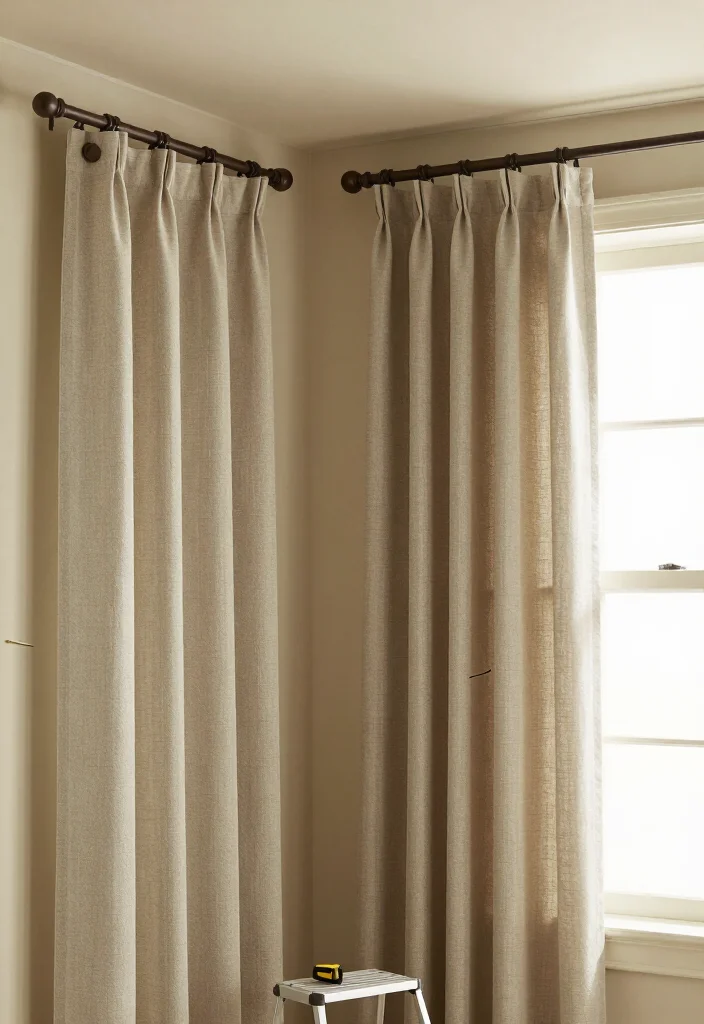
A curtain rod mounted just above the window can make your ceiling feel lower. The eye stops at the frame instead of traveling upward, so the room may look shorter and tighter. Raising the rod creates a longer visual line and gives floor-length fabric room to fall gracefully.
Place the rod about 4 to 6 inches above the frame, or higher when the ceiling allows. Check for studs, mark both brackets, and use a level before drilling.
Try these quick placement fixes:
– Raise the rod above the frame for added visual height
– Install brackets at matching heights using a long level
– Choose anchors suited to drywall, plaster, or masonry
– Fill old holes with spackle before touching up paint
A higher rod makes windows feel larger and rooms more open. Smooth cotton, linen, or velvet panels will emphasize the clean vertical lines.
📹 Related Video: How to Hang Curtain Rods | The Home Depot
2. The Panels Stop Above the Floor
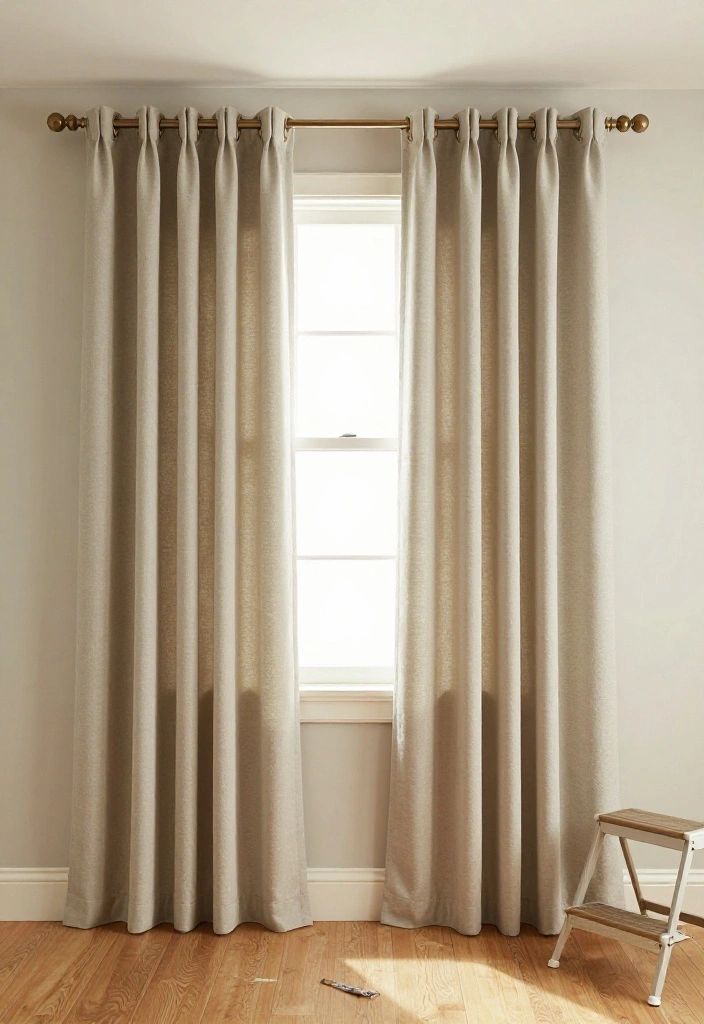
Curtains that stop several inches above the floor can make a room look unfinished. The short gap breaks the gentle connection between the window and the rest of the space, especially in bedrooms and living rooms. Floor-length panels usually create a calmer, more polished look.
Let the fabric hover about half an inch above the floor for easy cleaning. Measure from the rod, include rings or hooks, and use clip rings or hem tape when you need a small length adjustment.
Use these simple length solutions:
– Hang panels just above the floor for a tailored finish
– Add clip rings when you need extra length quickly
– Release an existing hem before buying replacement curtains
– Choose sill-length shades near radiators or heating vents
The right length makes fabric feel intentional rather than accidental. Linen, cotton, and velvet each gain a cleaner shape when their hems meet the floor properly.
3. The Curtains Are Not Wide Enough
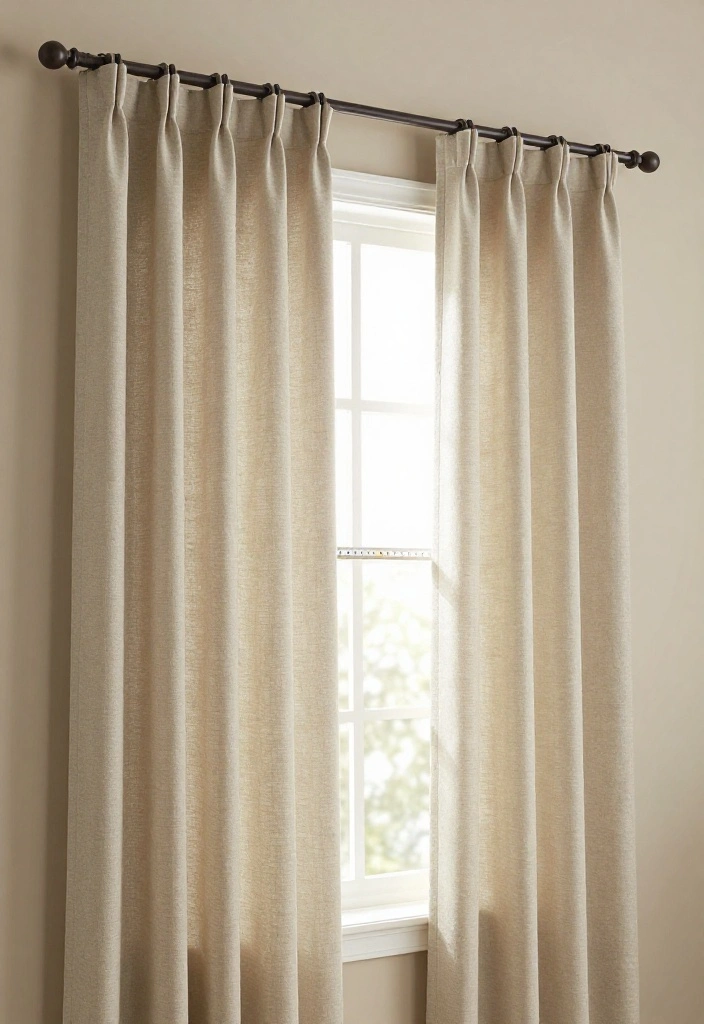
Narrow curtains can look tense and skimpy, even when the fabric itself is attractive. Panels should cover the glass comfortably and form soft folds when closed. Without enough width, the window loses privacy and the room feels less finished.
Measure the full rod width, then choose fabric measuring about 1.5 to 2 times that width. Lightweight sheers often need more fullness, while thick velvet may need 2 to 2.5 times the width.
Check the finished width before purchasing:
– Measure both panels together, including pleats and side hems
– Add matching panels when the current set feels too narrow
– Extend the rod beyond the frame where wall space permits
– Choose four panels for wide doors or large windows
Fuller curtains create richer folds and better light control. Soft linen, lined cotton, and velvet all look more generous when they have room to gather.
The Curtains Are Not Wide Enough
Editor’s Choice




4. The Rod Is the Same Width as the Window
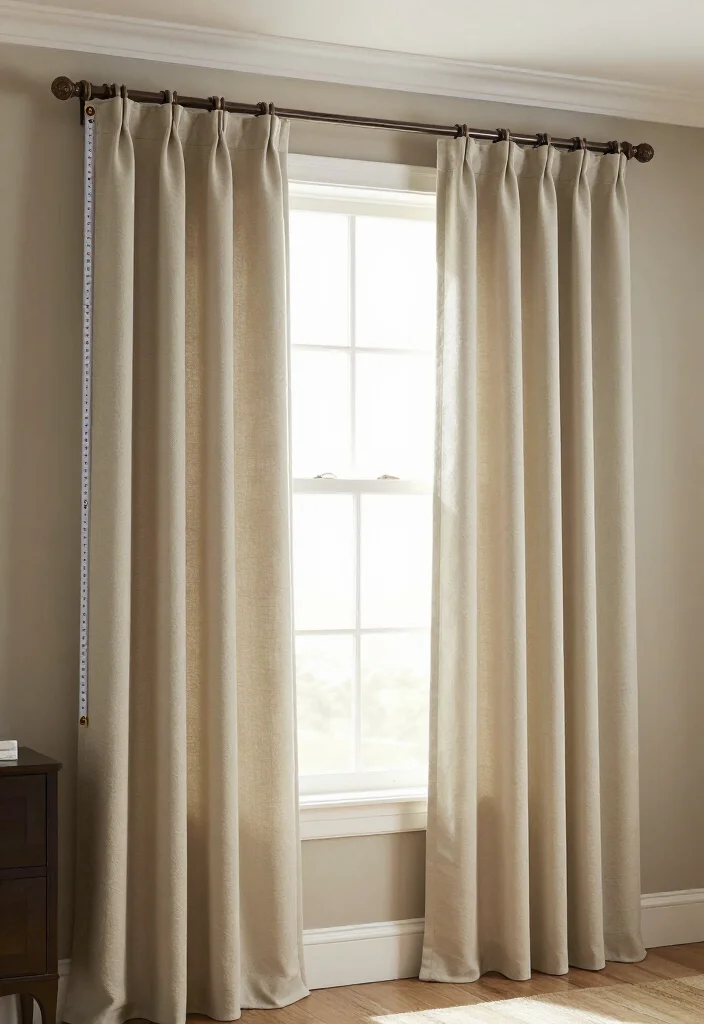
A rod that matches the window width leaves little space for open curtains. The panels remain over the glass, blocking daylight and making the window appear smaller. Extending the rod gives the fabric somewhere to stack beside the frame.
Allow about 6 inches on each side for small windows, or 8 to 12 inches for larger openings and thick panels. Check nearby trim, switches, furniture, and finials before choosing the final length.
Make the placement work better:
– Extend the rod beyond each side of the frame
– Add a center support to long or heavy rods
– Choose a return rod to reduce blackout side gaps
– Open both panels evenly beside the glass
This change often requires only a longer rod, not new curtains. More exposed glass brings in sunlight and gives the entire window a wider, more balanced appearance.
5. The Rod or Hem Looks Crooked
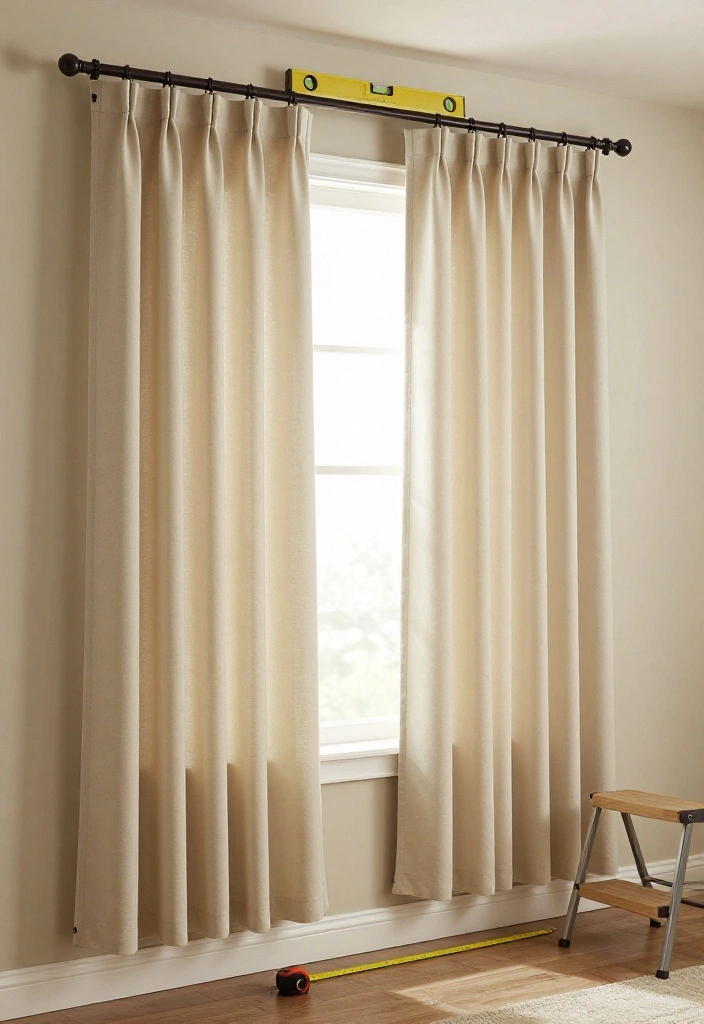
A crooked rod can make carefully decorated rooms feel messy. One raised bracket, a sagging center, or an uneven hem becomes obvious once the fabric settles. Straight hardware creates the quiet order that curtains need.
Place a level across the rod instead of trusting the window trim. Measure from the rod to the floor at several points, since older floors may slope slightly, then steam the panels to reveal their true shape.
Correct the alignment with these steps:
– Mark both brackets from the same floor measurement
– Add center support when a long rod begins sagging
– Test the empty rod before hanging heavy panels
– Steam fabric from the top down after installation
Accurate measurements matter more than guessing from the ceiling. A level rod and even hem help cotton, linen, and lined fabrics look custom without major spending.
The Rod or Hem Looks Crooked
Editor’s Choice


You might also like
6. The Fabric Puddles Too Much or Drags
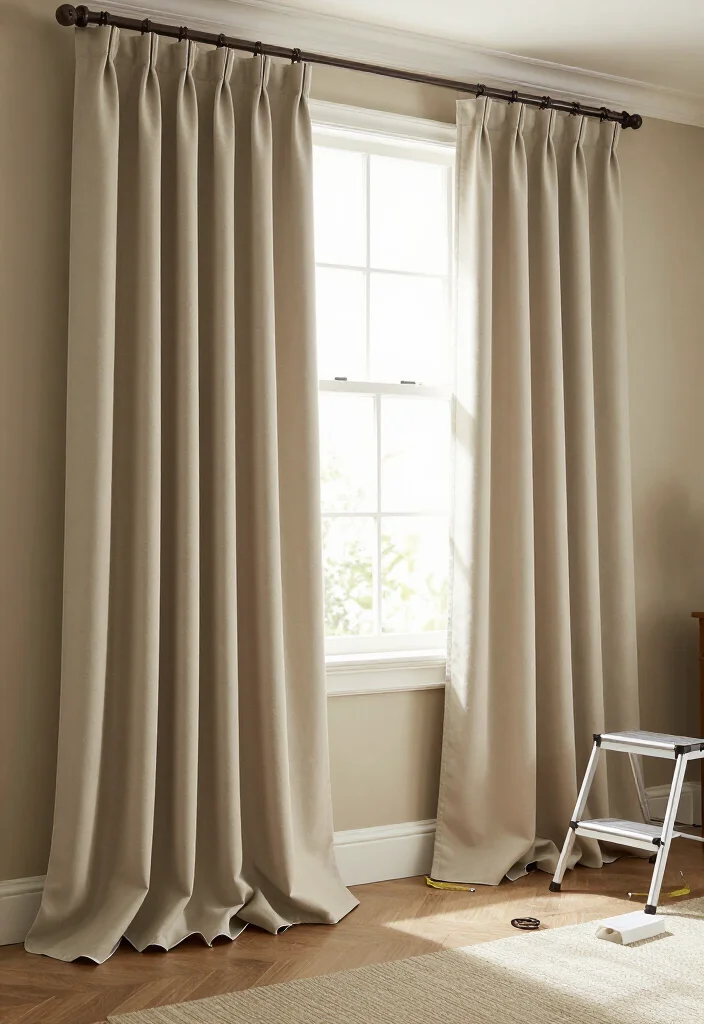
Extra fabric can look romantic, but excessive puddling quickly becomes difficult to live with. Long hems collect dust, catch on vacuums, and create trip hazards near doors. A controlled break usually works better for busy bedrooms, kitchens, and family rooms.
Aim for fabric that barely touches or floats half an inch above the floor. If you prefer pooling, keep it around 1 to 3 inches and let natural fibers hang for 24 hours before hemming.
Control excess length with these options:
– Apply iron-on hem tape for a quick renter-friendly fix
– Add discreet weights to keep lightweight panels straight
– Pin a temporary fold before cutting or sewing
– Keep fabric clear of heaters, fireplaces, and damp floors
A neat hem protects the material and simplifies cleaning. Linen, cotton, and velvet all look more polished when their texture is visible without a heavy pile on the floor.
The Fabric Puddles Too Much or Drags
Editor’s Choice



7. The Hardware Cannot Support the Fabric
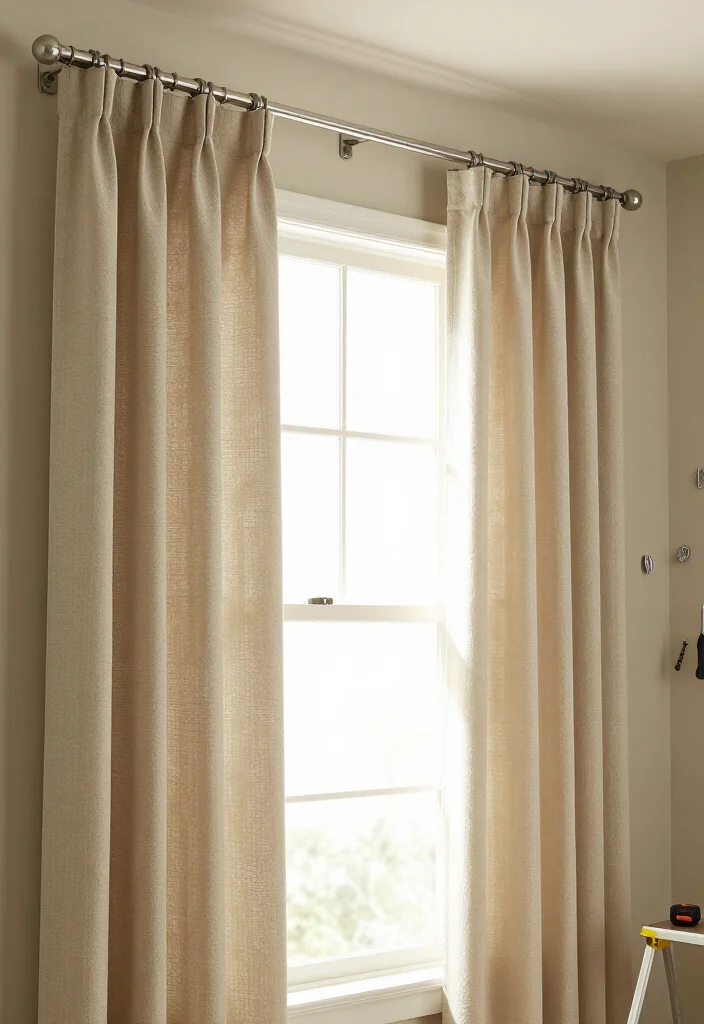
A sagging rod often means the hardware cannot carry the curtain weight. Blackout liners, velvet, and layered panels may look beautiful but place serious pressure on brackets and drywall. Strong support protects both the wall and the fabric.
Check the rod diameter, material, and weight rating before installation. Use studs when possible, or select wall anchors rated for the complete treatment, including rings and liners.
Strengthen the setup with these checks:
– Choose solid wood or steel for heavy lined curtains
– Add a center bracket to long rods and wide windows
– Secure brackets into studs whenever the layout permits
– Tighten screws and finials after hanging the panels
Remove sagging curtains before replacing damaged hardware. Proper support keeps the rod straight and makes opening thick velvet or blackout fabric much easier each day.
The Hardware Cannot Support the Fabric
Editor’s Choice


Dimensions & Size Guide
Start With the Window and Wall
Correct curtain placement starts with three measurements: window width, window height, and the open wall space around the frame. Measure the glass, the frame, and the trim separately. Your rod usually needs to extend 6 to 12 inches past each side of the window, so the panels can stack beside the glass instead of covering it. In a narrow room, use at least 3 to 6 inches on each side if the wall does not allow more space. This small change helps the window look wider and lets in more daylight. ✔
Measure from the spot where the brackets will sit, not just from one edge of the window. Check for baseboards, wall sconces, vents, doors, and furniture that may block the rod or panels. Leave about 3 inches between the wall and the rod when the fabric has a deep header or large rings. A 1 to 2 inch gap may work for thin curtains with slim rings. Write down every measurement before you shop, since a few inches can prevent common curtain hanging mistakes.
Standard Curtain Lengths and Fullness
Floor-length curtains should finish about 1/2 inch above the floor for a clean look. You can also let the fabric touch the floor lightly, but avoid a hem that drags across the floor. For sill-length curtains, stop about 1/2 inch above the sill. Curtains that reach the apron should end 4 to 6 inches below the sill, so they do not look too short. Common ready-made lengths include 63, 84, 95, 108, and 120 inches.
For fullness, calculate the total curtain width as 1.5 to 2 times the rod width for cotton, linen, or blackout panels. Sheers often look better at 2 to 2.5 times the rod width because their thin fabric needs more folds. Split that total width between two panels when you want the curtains to open in the center. Keep in mind that the listed panel width is often the flat width, not the width after pleating or gathering. 💡
Quick Reference Size Guide
63 inches – Best for sill-length curtains in kitchens or small windows, Minimum space needed: window height under 55 inches with room for the rod above the frame
84 inches – Best for standard floor-length curtains in rooms with 8-foot ceilings, Minimum space needed: about 82 to 84 inches from the rod to the floor
95 to 96 inches – Best for taller 8-foot rooms or a rod placed 6 to 12 inches above the frame, Minimum space needed: about 94 inches from the rod to the floor
108 to 120 inches – Best for tall ceilings or a high rod near the ceiling, Minimum space needed: 107 to 119 inches from the rod to the floor
1.5 to 2 times rod width – Best for cotton, linen, and blackout curtains, Minimum space needed: enough fabric for soft folds across the full rod
2 to 2.5 times rod width – Best for sheers and light fabrics, Minimum space needed: extra fabric width for fuller folds
Space Planning Tips
1. Mount the rod 4 to 6 inches above the window frame, or about 2 to 4 inches below the ceiling when the room has tall walls. This placement draws the eye upward and helps the window feel taller.
2. Add a center bracket when the rod is longer than 60 inches or when you use lined, velvet, or layered curtains. Check the rod weight limit before drilling.
3. Plan for the stacked panels. Heavy curtains may use 8 to 12 inches of wall space on each side when fully open.
4. Measure twice from the rod position to the floor. Do not measure from the top of the window, since that can cause panels to stop above the floor.
5. Check the curtain width after adding both panels. A rod that is 72 inches wide needs about 108 to 144 inches of total fabric for soft, useful fullness.
Pro Tip: Measure from the exact rod location to the floor before buying panels. That one number prevents short hems, dragging fabric, and rushed home decor fixes. If your length falls between two sizes, choose the longer panel and hem it, or use curtain rings with clips to fine-tune the drop.
8. There Is Not Enough Fullness in the Panels
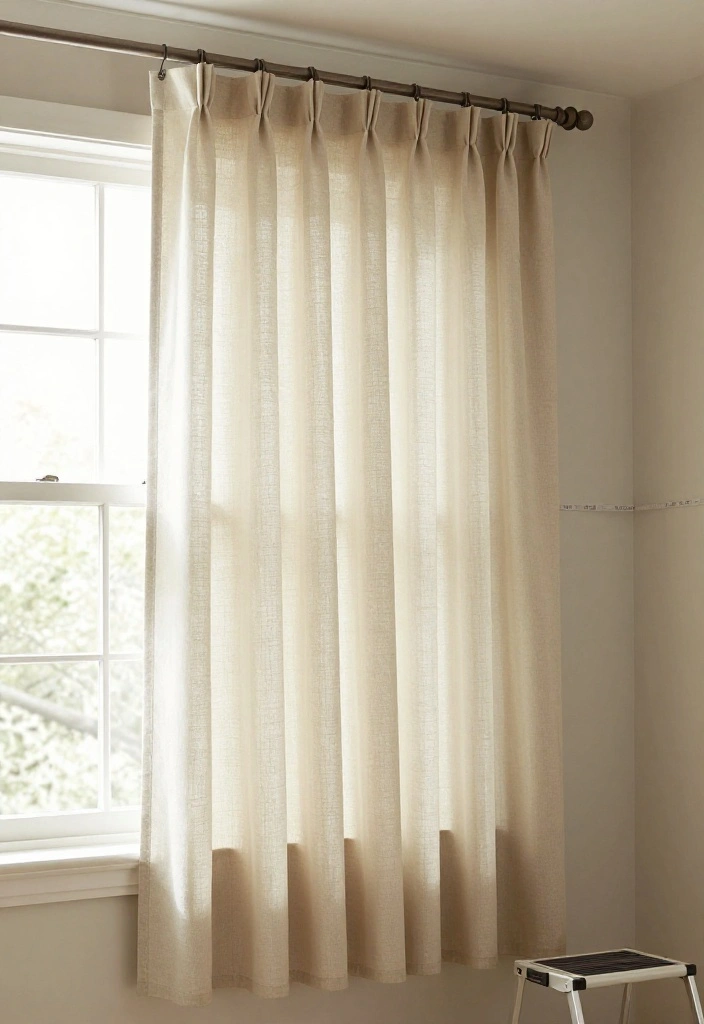
Flat curtains can make a window feel bare and temporary. Fabric needs enough width to create soft folds, add warmth, and hide harsh window lines. When panels stretch tightly across the rod, they lose much of their cozy visual effect.
Use about 1.5 to 2 times the rod width for cotton or linen, and 2 to 2.5 times for lightweight sheers. Pleated headers may require less visible fullness because the fabric is already gathered.
Add softness with these practical choices:
– Combine a second matching pair with narrow existing panels
– Layer sheer curtains behind heavier side panels
– Space curtain rings evenly for smoother folds
– Steam and loosely tie panels to train their shape
Fullness improves privacy, light filtering, and sound softness. Airy sheers and textured linen look especially inviting when their folds spread evenly across the rod.
9. The Tiebacks Pull the Curtains into an Awkward Shape
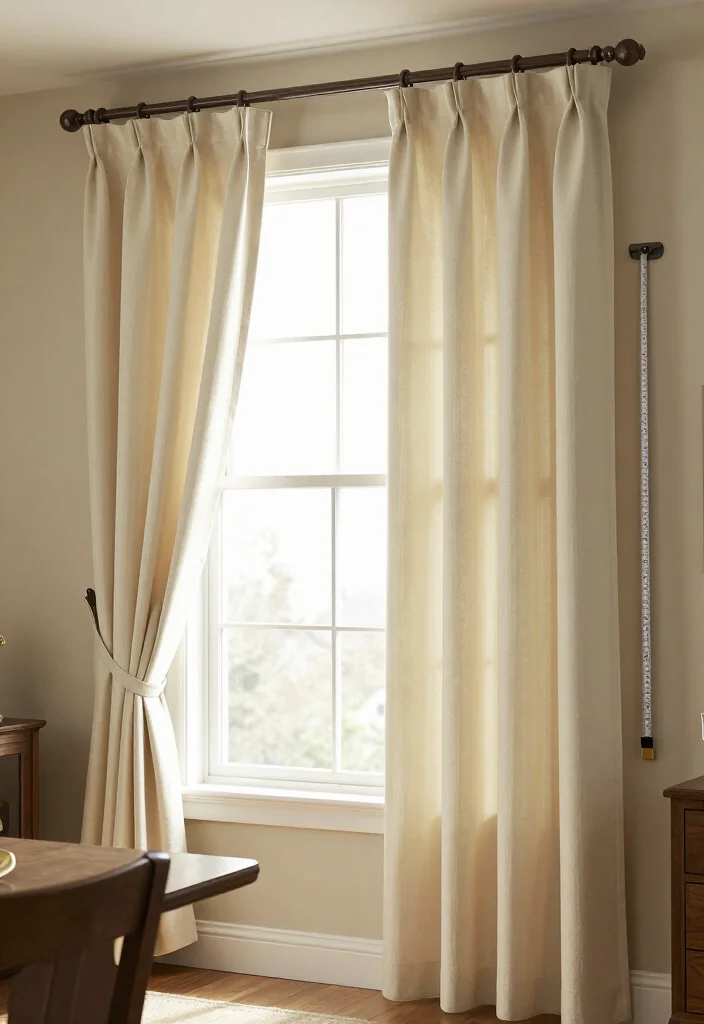
Tiebacks should frame a window, not squeeze curtains into an hourglass shape. When placed too high or pulled too tightly, they make fabric puff near the rod and pinch sharply at the center. The result can feel stiff instead of relaxed.
Start around one-third of the way up from the floor, then test the position with removable tape. Keep both sides level, leave room for natural folds, and avoid blocking handles or useful daylight.
Improve the shape with these adjustments:
– Use soft fabric tiebacks with relaxed linen panels
– Install sturdy holdbacks for heavy velvet curtains
– Choose magnetic tiebacks when drilling is not possible
– Loosen the pull so each panel falls vertically
A gentle holdback creates balance without crushing the material. Natural cotton, linen, and woven fabrics look better when their texture remains loose and touchable.
The Tiebacks Pull the Curtains into an Awkward …
Editor’s Choice


You Might Also Like
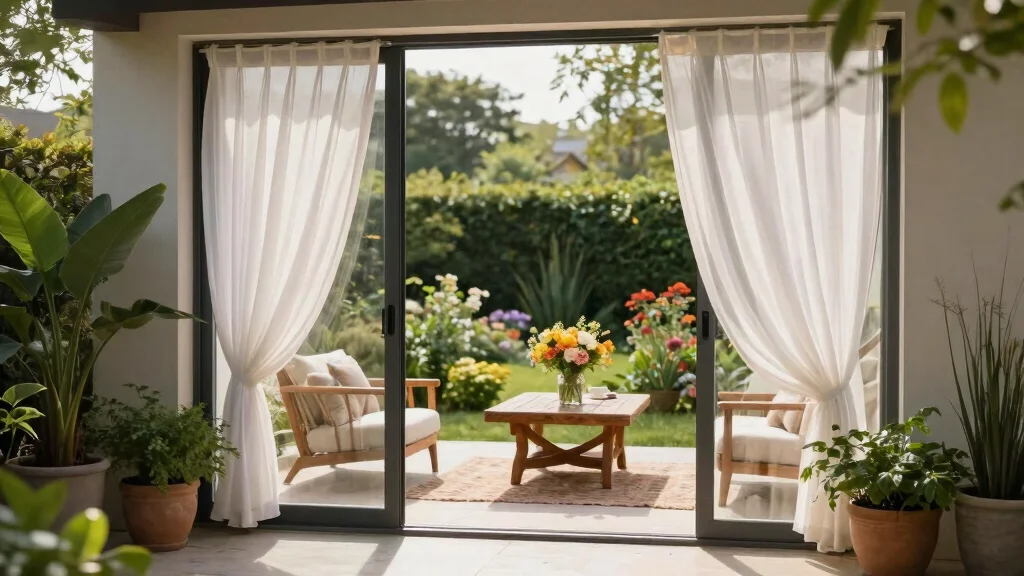

10. The Panels Block Light or Heat Because of Poor Placement
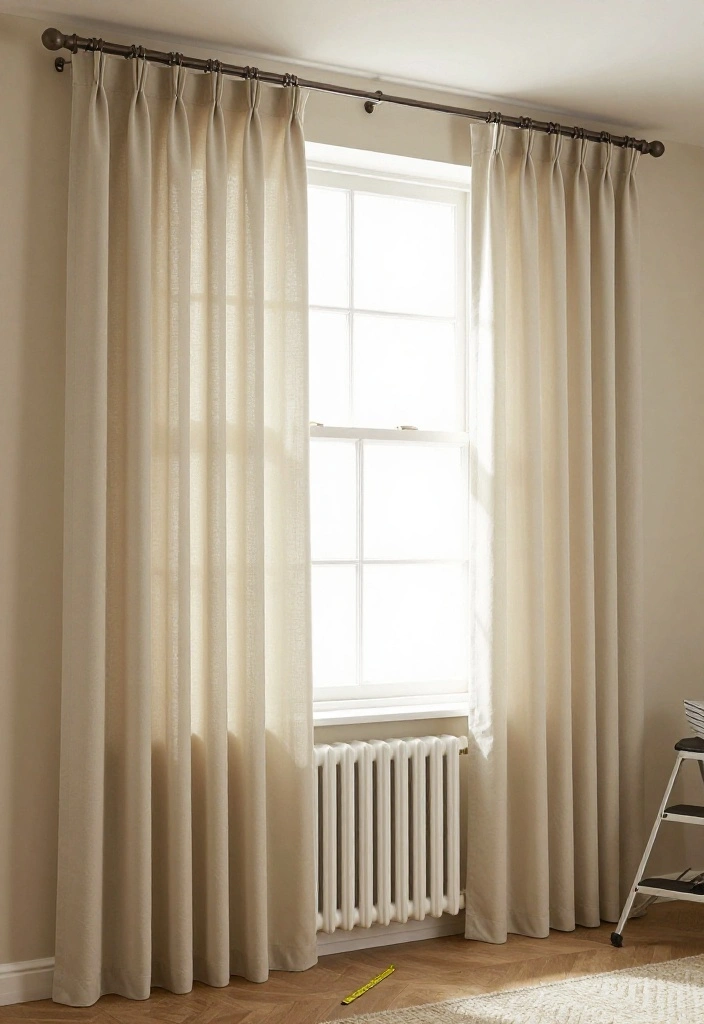
Curtains should manage sunlight and privacy without making the room uncomfortable. Panels that cover glass all day may create gloom, while fabric near a radiator or fireplace can trap heat and raise safety concerns. Placement must serve the room’s daily needs.
Extend blackout rods beyond the frame and overlap the center panels slightly to reduce light leaks. For bright living spaces, pair sheer curtains with woven shades, and keep every fabric type away from vents and heat sources.
Improve light control with these changes:
– Add liners to decorative curtains for stronger daytime control
– Use a double rod for sheers and room-darkening panels
– Install a return rod to reduce side gaps
– Choose Roman or roller shades above radiators
Good placement balances privacy, comfort, and natural light. Woven shades, airy sheers, and lined cotton can each create a useful layer without overwhelming the room.
A Straight Rod and Better Measurements Can Change the Whole Room
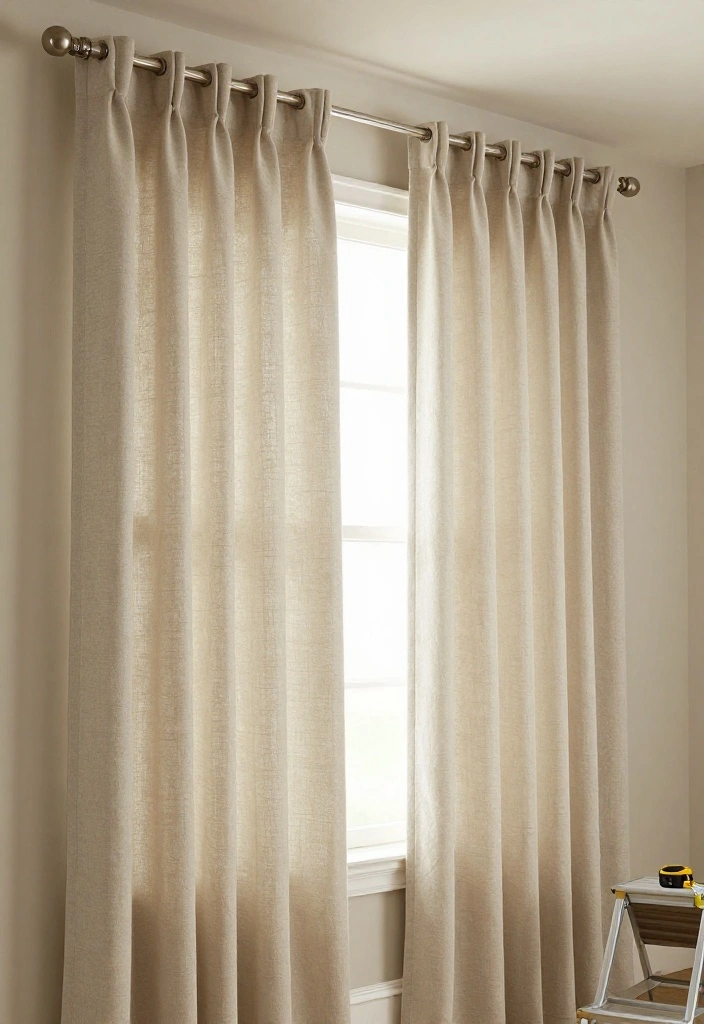
Many curtain problems disappear when you correct the rod, width, height, and hem. These small measurements can make windows look taller, wider, and more finished without changing the furniture. Start with the window’s practical needs before choosing decorative details.
Record the window width, rod width, floor distance, and available wall space. Check fabric care instructions, especially for linen, velvet, and lined panels, before altering the length or fullness.
Complete this final setup check:
– Confirm the rod is level and firmly supported
– Make sure it extends beyond both sides of the frame
– Check that closed panels cover the glass fully
– Ensure hems hang evenly without dragging
View the treatment from the doorway, where the whole room comes together. Correct measurements let soft textures, gentle folds, and warm materials add height, balance, and comfort.
Conclusion: Give Your Windows a Quick Second Look
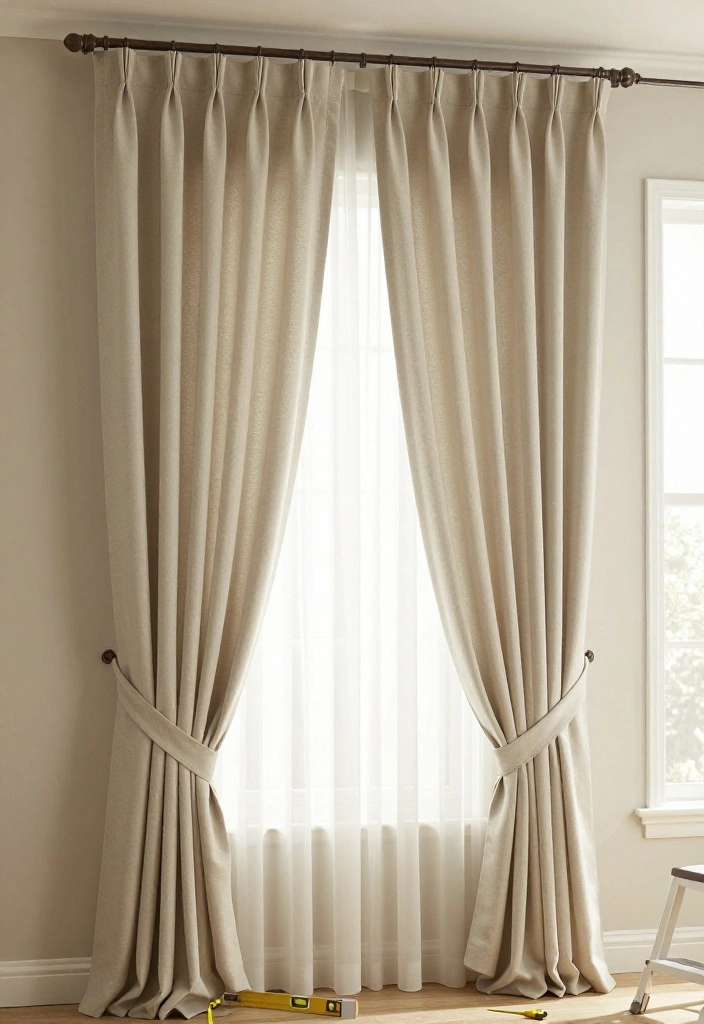
The right curtain placement can make a room feel taller, brighter, and more pulled together without a major renovation. Check the rod height, width, support, fullness, and hem before spending money on new decor, because a few careful adjustments may be all the window needs.
Which curtain hanging mistake showed up in your home? Save these window treatment tips for your next weekend fix, then share the result with someone who is wrestling with a crooked rod or stubbornly short panels.
Note: We aim to provide accurate product links, but some may occasionally expire or become unavailable. If this happens, please search directly on Amazon for the product or a suitable alternative.
This post contains Amazon affiliate links, meaning we may earn a small commission if you purchase through our links, at no extra cost to you.
Frequently Asked Questions
Q. What are the most common signs curtains are hung incorrectly?
Common problems include a rod mounted very close to the window frame, panels that are too short, insufficient curtain fullness, a rod that doesn’t extend far enough beyond the window, or fabric that awkwardly bunches on the floor.
Q. How high should I hang a curtain rod?
A common design approach is to mount the rod several inches above the window trim or position it closer to the ceiling when proportions allow. The ideal placement depends on ceiling height, window dimensions, curtain length, and architectural details.
Q. How far should curtain rods extend past the window?
Extending the rod beyond the window trim can allow open curtains to sit more on the wall rather than covering the glass. This can expose more natural light and visually make the window appear wider. The exact extension should be based on available wall space and panel fullness.
Q. Should curtains touch the floor?
For many contemporary interiors, curtains that just touch or hover slightly above the floor create a clean look. A deliberate fabric “puddle” can suit certain formal styles, but accidentally short or excessively bunched curtains can make the installation look less polished.
Q. Can hanging curtains differently make a small room look bigger?
Yes, visually. Mounting curtains higher and allowing panels to frame more of the window can emphasize vertical height and make the window feel larger. Light fabrics and sufficient panel width can also help the treatment feel less heavy in a small room.
