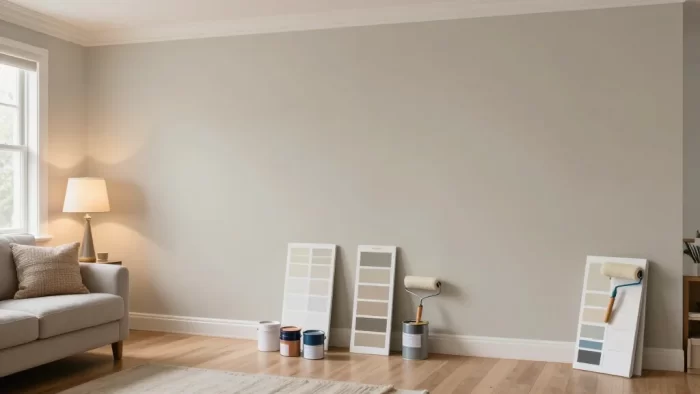
I learned the hard way that picking paint from a tiny store card can be a decorating gamble. Paint Color Looks Different at Home for so many reasons, and I’ve noticed the biggest surprises happen when sunlight, light bulbs, flooring, and nearby colors interact with the wall.
A soft beige can suddenly look pink, while a gray may turn noticeably blue or green. Now, I always test interior paint colors on large areas and check them at different times of day.
Paying attention to paint undertones and natural lighting before committing can save money, frustration, and that awful feeling of realizing the color isn’t what you imagined.
- 1. The Light Changes More Than You Think
- 2. Hidden Undertones Are Running the Show
- 3. The Wall Texture Is Bouncing Light Around
- The Wall Texture Is Bouncing Light Around
- Peel & Stick Sanding Single Glove Set, Large, Left-Handed
- Peel & Stick Sanding Single Glove Set, Large, Right-Hand
- 3M 8511 Drywall Sanding N95 Cool Flow Valved Disposable Respirator, 10-Pack
- NoCry Anti-Fog Safety Goggles Over Glasses, Dust Eye Protection, ANSI Z8…
- Mechanix Wear Original Women's Work Gloves Pink Camo Large
- The Wall Texture Is Bouncing Light Around
- 4. The Sheen Is Changing the Color’s Mood
- The Sheen Is Changing the Color’s Mood
- EVOLVE Interior Paint & Primer, Flat (Latte Whisper), 1 Gallon – Availab…
- EVOLVE Interior Paint & Primer, Eggshell (Cloud White), 1 Gallon – One-C…
- EVOLVE Interior Paint & Primer, Satin (Beach Beige), 1 Gallon – Availabl…
- Rodda Paint CASCADIA ZERO Interior Semi-Gloss Paint & Primer in One, 1-G…
- FoamPRO 120 Color Tester Sample Board – Paint Sample Boards for Comparin…
- The Sheen Is Changing the Color’s Mood
- 5. Nearby Colors Are Casting Their Own Glow
- Assessment Checklist: What to Check Before You Start
- 6. The Room Size and Ceiling Height Are Fooling Your Eyes
- The Room Size and Ceiling Height Are Fooling Yo…
- Women Aprons Kitchen Aprons with Arm Sleeve Cover Artist Smock for Garde…
- Nanxson Women Long Sleeve Apron Art Smock with Pockets
- Nanxson Cotton Linen Apron Women's Long Sleeve Apron for Art Cooking
- Paint Mitt Stain Gloves Reusable Microfiber
- 12 Pcs Paint Mitt Gloves Cleaning and Dusting Mitt with Thumb Painter an…
- 📹 Related Video: Color Illusions in Interior Design | How Color Changes Your Room Size Perception
- You might also like
- The Room Size and Ceiling Height Are Fooling Yo…
- 7. The Paint Has Not Finished Drying or Curing
- The Paint Has Not Finished Drying or Curing
- Women One-piece Overalls with Hood Full Body Paint Suit One-piece Overal…
- LAUCO White Polyester Reusable Paint Coverall Spray Suit with Hood, Lint…
- Colad White Nylon Plain Reusable Paint Coverall Spray Suit
- Master Elite Reusable Anti-Static Automotive Paint Suit (Large), Breathable
- Colad X Paint Society BodyGuard Reusable Anti-static Automotive Paint Su…
- The Paint Has Not Finished Drying or Curing
- 8. The Primer or Old Color Is Sneaking Through
- 9. The Room’s Weather and Air Quality Are Shifting the Finish
- 10. The Color Is Being Compared With the Wrong White
- The Color Is Being Compared With the Wrong White
- Nanxson Women Long Sleeve Apron Art Smock with Pockets
- Nanxson Cotton Linen Apron Women's Long Sleeve Apron for Art Cooking
- FYYSJW Aprons for Women with Pockets, Cotton And Linen Long Sleeve Apron…
- Striped Cotton Long Sleeve Work Aprons for Women 38×42 Inch Unisex Loose…
- Maison d' Hermine Aprons for women with Pocket 100% Cotton (27.50"x31.50")
- You Might Also Like
- The Color Is Being Compared With the Wrong White
- 11. Your Sample Was Too Small to Tell the Truth
- 12. The Fix Is Often a Small Adjustment, Not a Full Repaint
- Conclusion: Let the Room Have the Final Say
- Frequently Asked Questions
1. The Light Changes More Than You Think
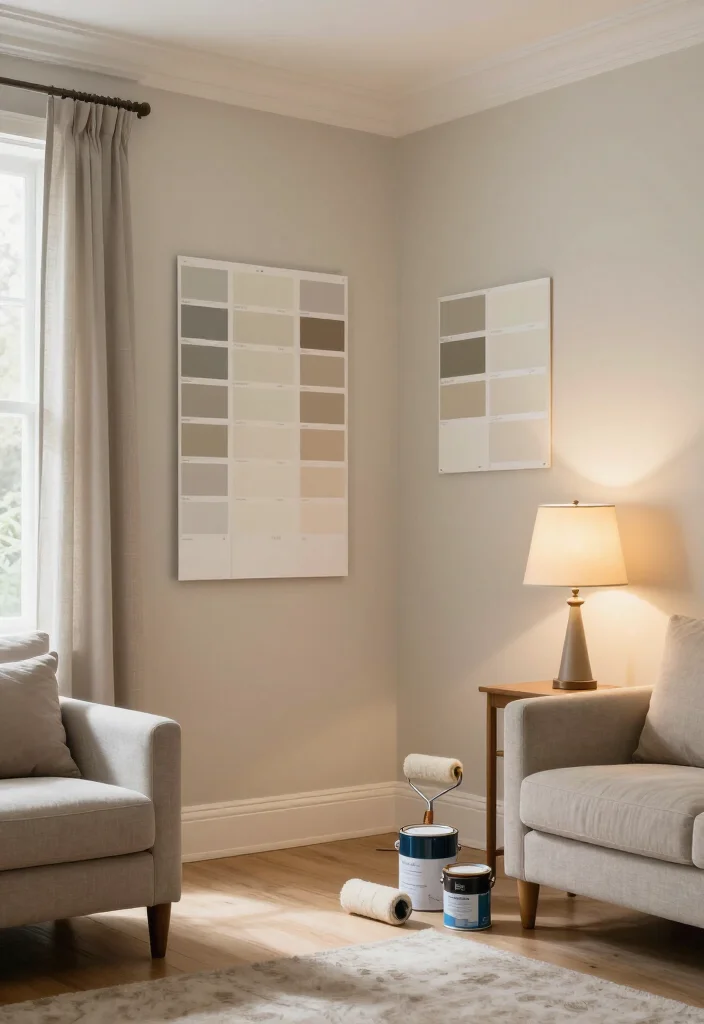
Lighting controls whether paint feels warm, cool, soft, or sharp. East-facing rooms may make beige glow in the morning, while north-facing spaces can strengthen blue and gray. South light may wash out pale colors, and warm 2700K bulbs can turn white creamy at night.
Test large sample boards through the full day, using your usual curtains and lamps. A warmer bulb can soften a cool shade, while a neutral bulb may reduce unwanted yellow tones.
Use this lighting check:
– Place large sample boards on walls facing different directions
– Check colors in morning, afternoon, sunset, and lamplight
– Compare overhead fixtures, table lamps, and natural daylight
A balanced shade should remain comfortable as the room changes. Real lighting reveals much more than a tiny store swatch.
2. Hidden Undertones Are Running the Show
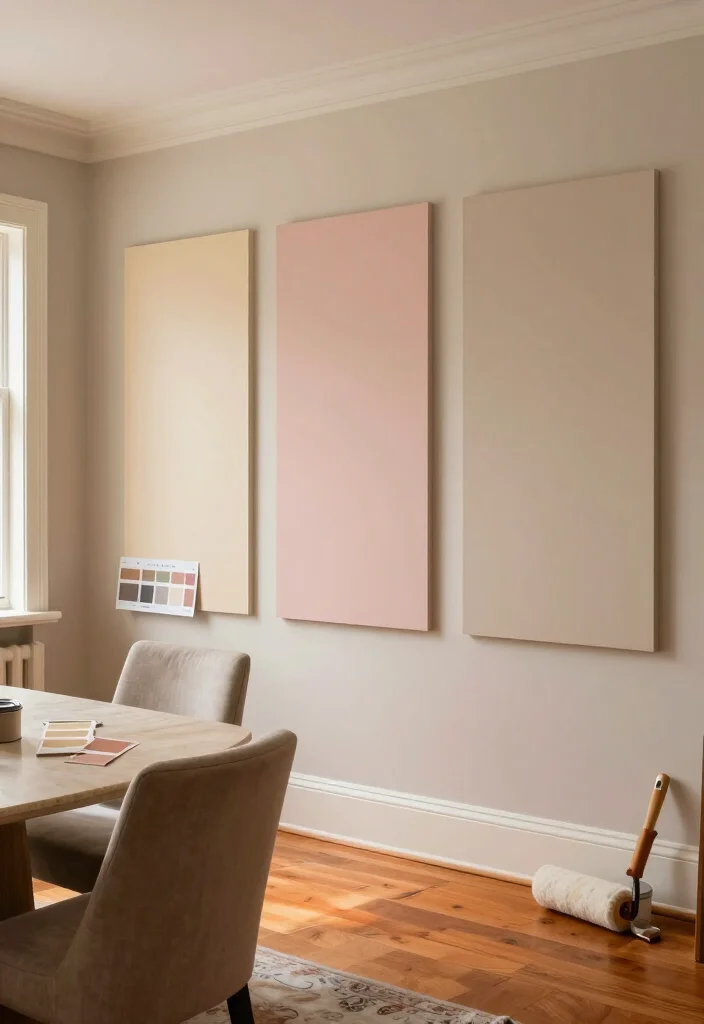
Every paint color carries an undertone, even plain white or simple beige. White may lean yellow, pink, blue, gray, or green, while gray can appear lavender beside warm flooring. Nearby cabinets, curtains, stone, and furniture often make these hidden notes stand out.
Compare samples beside fixed surfaces instead of judging them alone. Large boards help you spot whether a shade supports the room or clashes with its strongest materials.
Try this undertone test:
– Hold samples beside pure white paper and existing trim
– Compare warm gray, neutral gray, and blue-gray together
– Match subtle tones found in flooring, counters, and upholstery
Choose a neighboring shade when the depth feels right but the color feels wrong. A small undertone change can calm the entire room.
3. The Wall Texture Is Bouncing Light Around
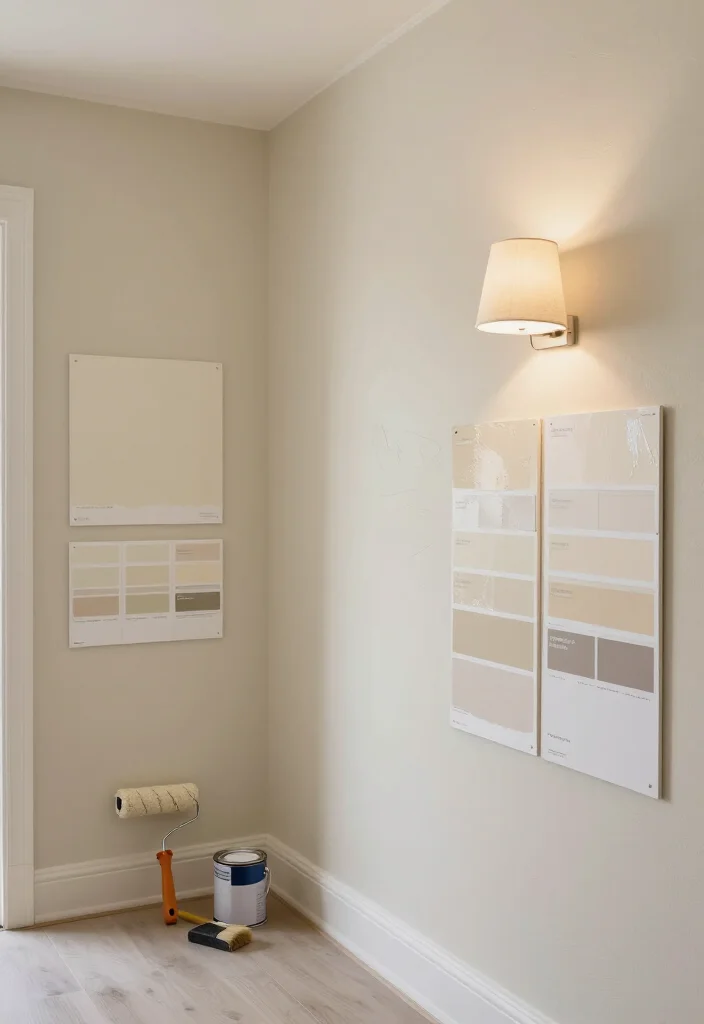
Wall texture changes how paint catches and reflects light. Raised areas may look lighter, while dents and valleys create darker patches that make one color seem uneven. Repairs, roller marks, and old brush lines can add even more visual noise.
Inspect the surface before buying new paint. A good primer, consistent roller, and gentle sanding often solve the problem more effectively than choosing another color.
Prepare the wall carefully:
– Shine a lamp sideways to reveal texture and dents
– Sand rough repairs and remove every trace of dust
– Seal patched areas before applying the finish coat
Test two coats on the repaired wall, then view it from several angles. Smooth preparation lets the color look consistent while the right sheen softens distracting shadows.
The Wall Texture Is Bouncing Light Around
Editor’s Choice




4. The Sheen Is Changing the Color’s Mood
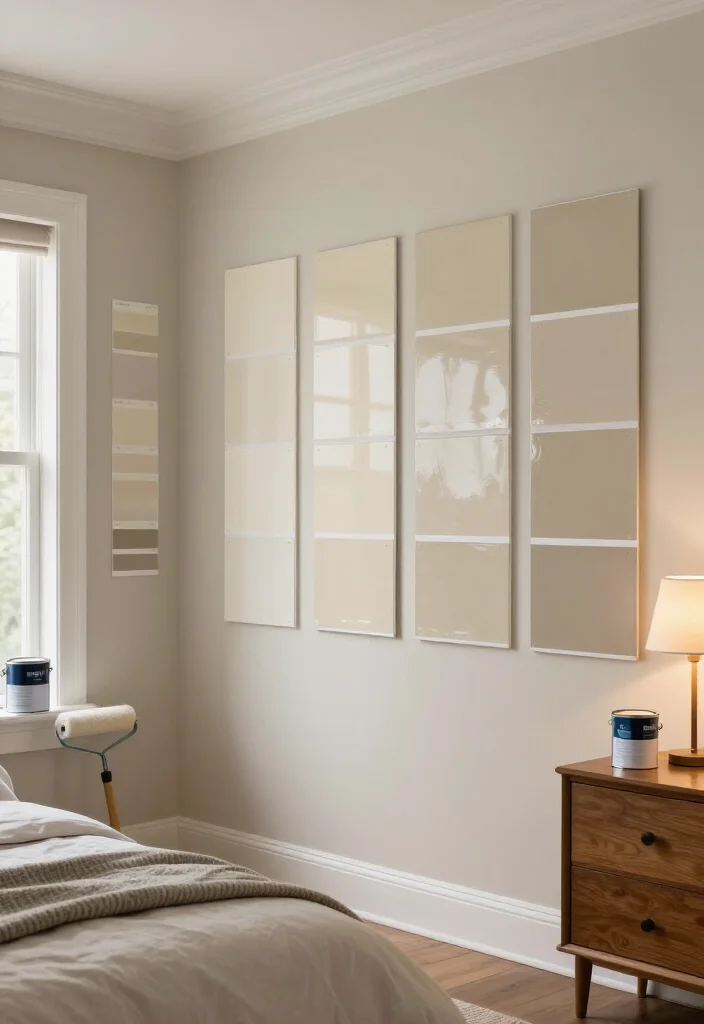
Paint sheen affects both color depth and light reflection. Flat finishes feel quiet and soft, while eggshell adds a gentle glow. Satin and semi-gloss bounce back more light, making strong colors appear brighter and wall flaws easier to notice.
Choose the finish for the room’s use, not just its color sample. Test matching shades in different sheens because a beautiful matte blue may feel too intense or shiny in satin.
Match the finish thoughtfully:
– Choose matte paint for calm, low-traffic walls
– Use eggshell in bedrooms, dining rooms, and living areas
– Reserve satin for kitchens, bathrooms, trim, and doors
Keep sheen consistent across connected surfaces when possible. The right finish can make an almost-correct color feel softer, cleaner, and more intentional.
The Sheen Is Changing the Color’s Mood
Editor’s Choice


5. Nearby Colors Are Casting Their Own Glow
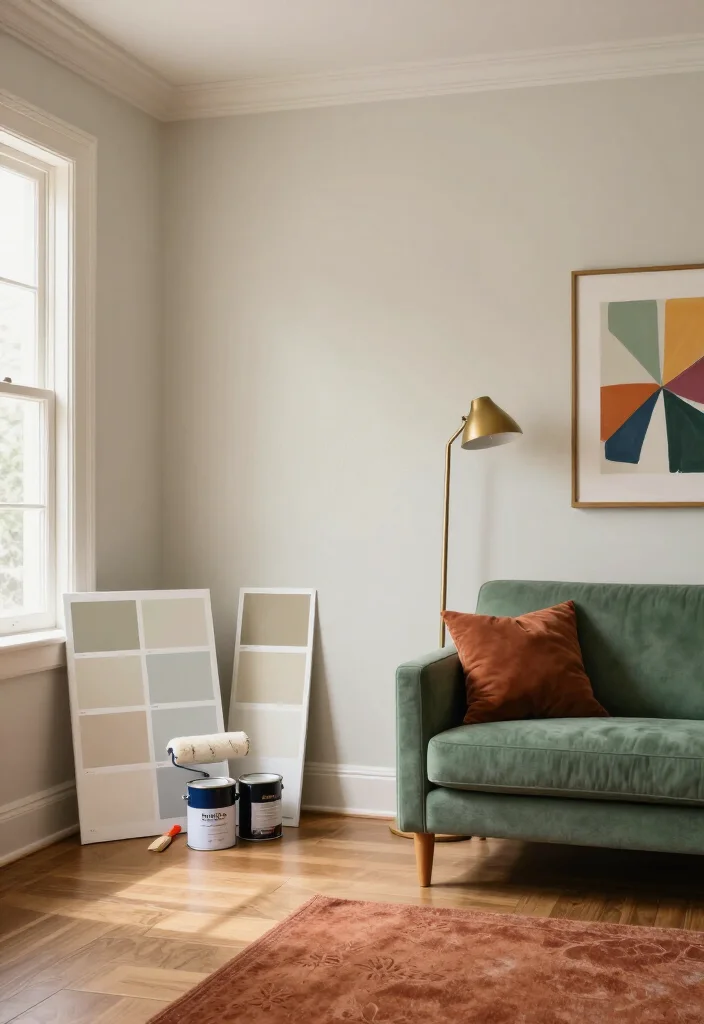
Nearby colors can bounce onto painted walls and change their appearance. A green sofa may push beige toward green, while a red rug can make a neutral shade look pink. Bright trim, mirrors, curtains, and artwork can create the same effect.
Test samples beside your largest furniture and permanent finishes. Covering a colorful sofa briefly with a plain sheet can reveal whether it is influencing the wall.
Check the room’s strongest colors:
– Move portable rugs and artwork away during testing
– Hold boards beside flooring, cabinets, counters, and sofas
– View samples from the doorway where colors meet
Choose a shade that works with the room’s biggest surfaces. You may not need a repaint at all, only a color that shares the space more comfortably.
Assessment Checklist: What to Check Before You Start
If your paint color looks different at home, do not blame the paint right away. Your room’s light, nearby colors, wall texture, and old finish can all change what your eyes see. Use this checklist before you buy gallons or start painting. ✔
□ Check the room at three times of day – View the wall in morning, afternoon, and evening light. Sunlight can make a color look warmer, while cloudy skies or lamps may make it look gray, blue, or dull.
□ List every light source in the room – Write down the bulb type and color temperature, such as warm 2700K or cool 4000K. Test the paint under ceiling lights, table lamps, and natural light because each source can shift the color.
□ Test for hidden color undertones – Hold the paint chip beside pure white printer paper. Look for hints of yellow, pink, green, blue, or gray. These small undertones can become much stronger across a full wall.
□ Inspect the wall texture and surface – Run your hand over the wall and look for orange peel texture, patched areas, or deep grooves. Uneven surfaces create small shadows, so the color may look darker or less even than it did on a smooth sample.
□ Confirm the paint sheen before you buy – Compare flat, eggshell, satin, and semi-gloss samples under the same light. A glossy finish reflects more light and can make a color look brighter, while a flat finish often looks softer and deeper.
□ Compare nearby colors and furnishings – Check floors, rugs, cabinets, curtains, furniture, and trim beside the sample. A red sofa may make beige walls look green, while warm wood can add a yellow glow to pale paint.
□ Measure the sample area and watch it dry – Paint a test patch at least 12 by 12 inches, or use a larger poster board that you can move around. Wait at least 24 hours before judging it, since wet paint often looks darker or more intense than the dry finish.
□ Check the old wall color and primer – Look for dark paint, bright colors, stains, repairs, or bare drywall beneath the new coat. Use a tinted primer when needed, then plan on two finish coats so the old color does not show through.
□ Record room conditions before painting – Note the temperature, humidity, and airflow. Many paints work best between 50°F and 85°F with steady airflow, while damp air can slow drying and change the final sheen.
Quick comparison test 💡
Paint the same sample on two walls that face different directions. Place one sample near a window and another in a shaded corner. Leave the samples in place for a full day, then compare them with your trim, flooring, and main furniture. This test gives you a clearer answer than a tiny store card.
Why This Matters: Completing these checks helps you find the real reason your paint color looks different at home. You may discover that a new bulb, primer coat, or paint sheen fixes the problem without a full repaint. You also get a better read on color undertones before they cover every wall. Take photos in daylight and under lamps so you can compare each test fairly. ⏱ A short testing period can save paint, time, and the frustration of living with a color that feels wrong.
6. The Room Size and Ceiling Height Are Fooling Your Eyes
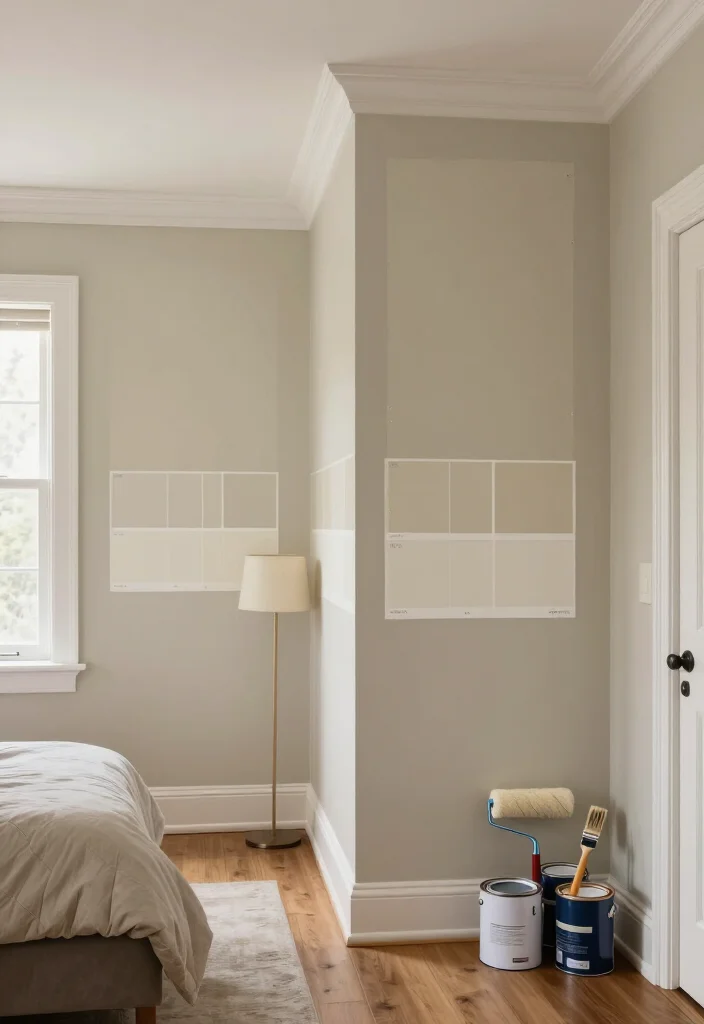
Room scale changes how much visual weight a paint color carries. A medium taupe may feel cozy in a large showroom but heavy in a small bedroom. Dark walls can add intimacy, while pale shades may open a space without fixing poor daylight.
Ceiling height matters too. Light ceilings can lift compact rooms, while deeper colors can make tall spaces feel grounded and welcoming.
Test the color at room scale:
– Place large boards near the floor, eye level, and ceiling
– View samples from the doorway and far corner
– Compare the shade with trim, doors, and ceiling paint
Use a lighter version when the room feels crowded, not automatically bright white. A color that suits the room’s proportions will feel more natural than one chosen from a tiny chip.
The Room Size and Ceiling Height Are Fooling Yo…
Editor’s Choice


📹 Related Video: Color Illusions in Interior Design | How Color Changes Your Room Size Perception
You might also like
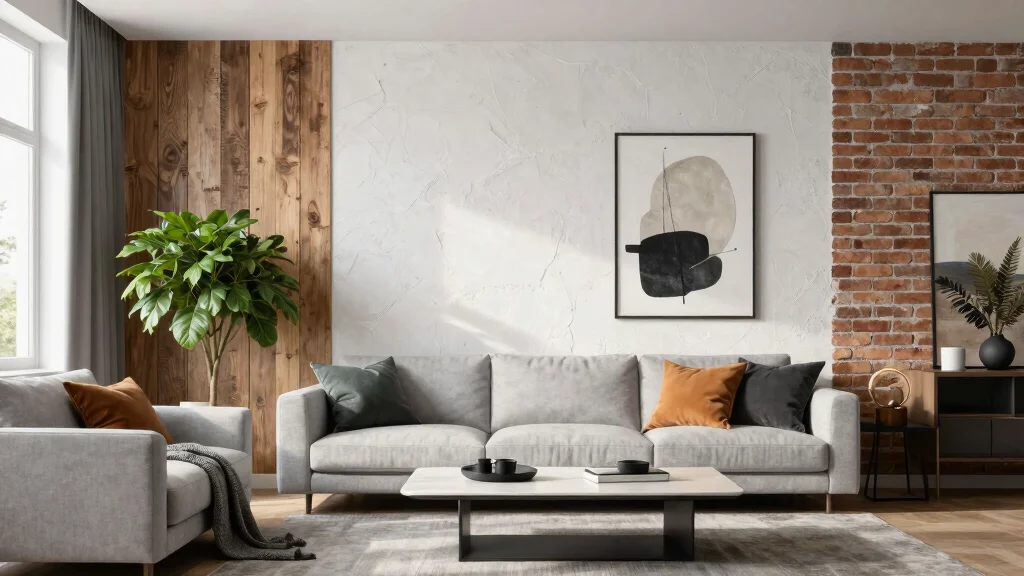
7. The Paint Has Not Finished Drying or Curing
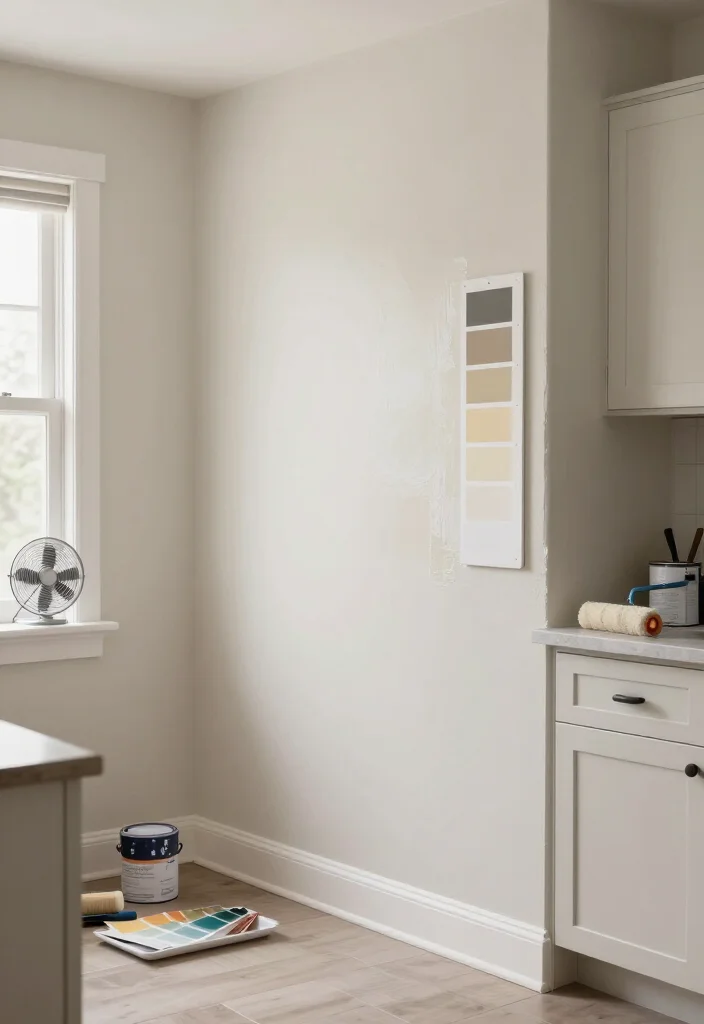
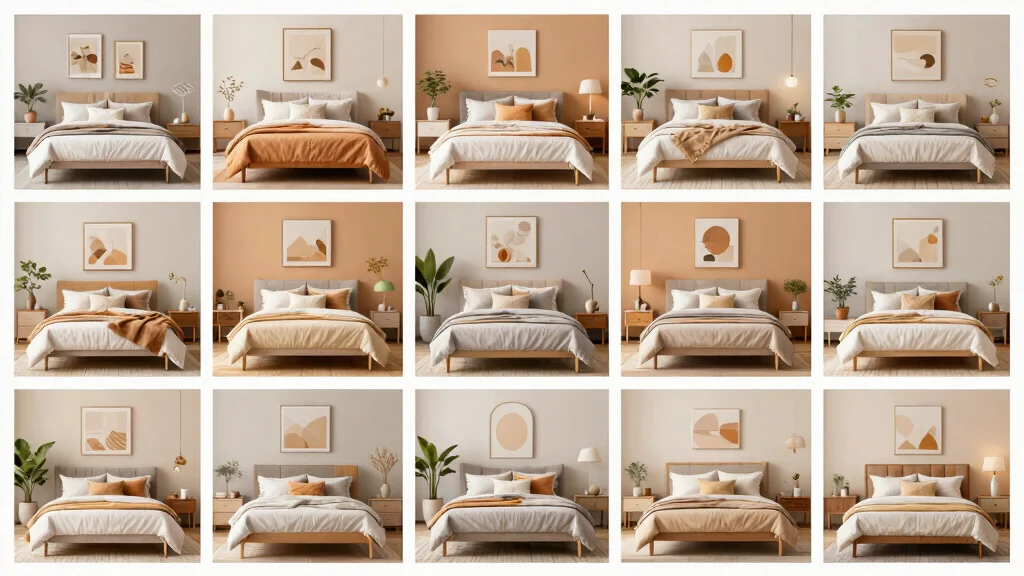
Fresh paint rarely shows its final color right away. As water or solvents leave the coating, the wall may look darker, shinier, patchier, or uneven. Cool, damp rooms can take even longer to settle.
Drying means the surface feels firm, while curing takes longer and improves hardness and appearance. Give the paint time before judging its color, coverage, or sheen.
Let the coating settle properly:
– Follow the manufacturer’s drying and curing times
– Keep the room comfortable with gentle airflow
– Apply full, even coats without stretching paint too thin
Wait before adding random touch-ups. If unevenness remains, check for lap marks, poor coverage, or flashing. A second consistent coat often fixes the problem better than changing colors.
The Paint Has Not Finished Drying or Curing
Editor’s Choice




8. The Primer or Old Color Is Sneaking Through
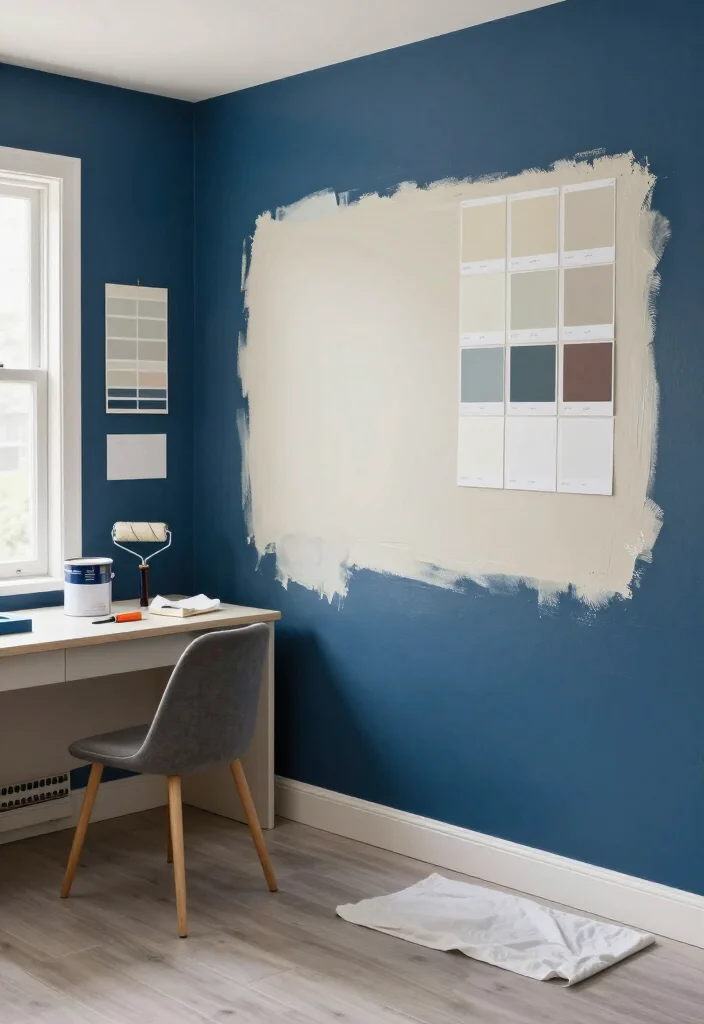
The surface beneath new paint can change the color above it. Deep blue, bright red, yellowed cream, glossy paint, and old stains may show through or absorb paint unevenly. The result can look cloudy, muddy, or weaker than the sample.
Primer creates an even base, especially when you are changing color families. It also helps new paint bond to glossy surfaces and prevents stains from returning.
Build a cleaner foundation:
– Clean grease and dust from the existing wall surface
– Scuff-sand glossy areas before priming
– Use tinted or stain-blocking primer when needed
Test one board with primer and one without it. If the primed sample looks clearer, prepare the entire wall before applying the final color.
9. The Room’s Weather and Air Quality Are Shifting the Finish
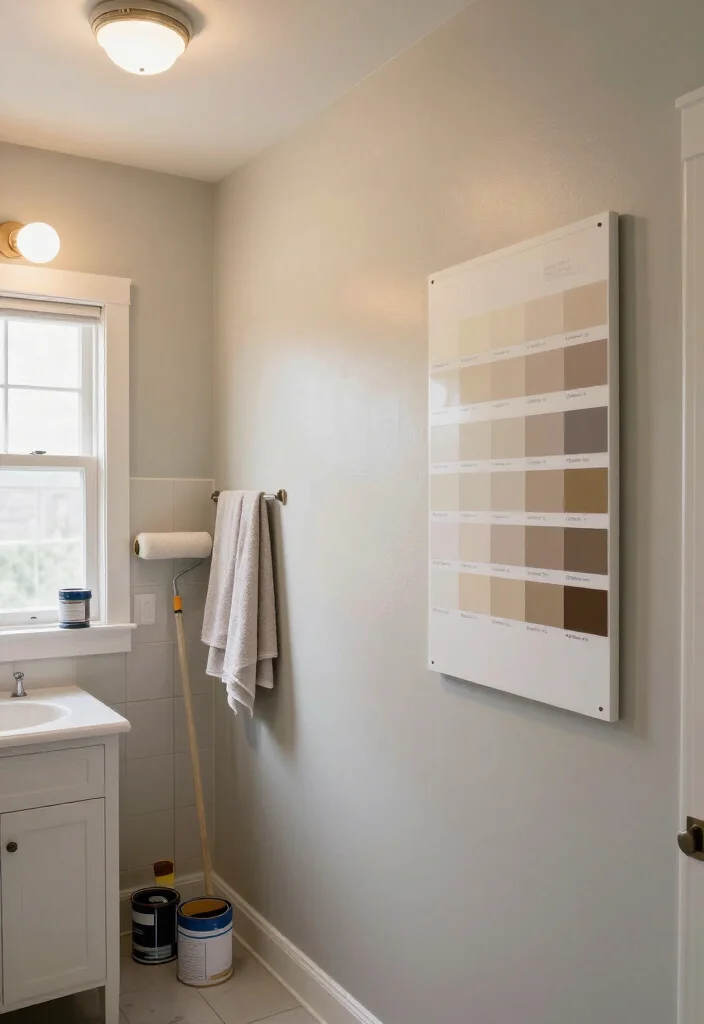
Humidity, temperature, steam, grease, and dust can affect paint while it dries. Damp bathrooms may keep walls cloudy, while dry air can make paint set too quickly and leave brush marks. Kitchens and basements often create the biggest challenges.
Paint only when the room and wall meet the product’s temperature and humidity guidelines. Good airflow helps, but strong fans aimed directly at wet paint can create uneven drying.
Improve the painting conditions:
– Clean kitchen walls before applying fresh paint
– Use gentle ventilation without blasting the surface
– Keep windows closed during dusty or humid weather
Never coat a damp wall to stay on schedule. Moisture beneath paint can cause peeling, bubbling, mildew, or lasting sheen changes.
10. The Color Is Being Compared With the Wrong White
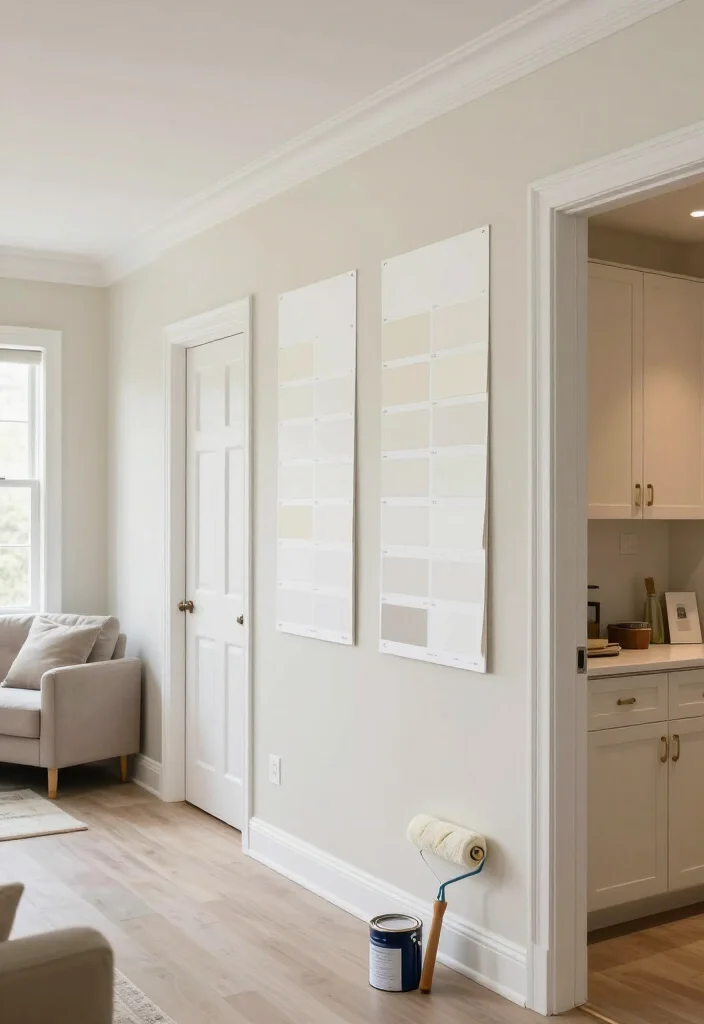
White trim, ceilings, doors, and cabinets often carry different undertones. A crisp white can make a warm wall look creamier, while ivory trim may make pale gray seem bluer. These contrasts can make a good wall color feel unexpectedly wrong.
Compare paint with the actual whites in your home, not a store display. Check the combination in daylight and under your evening lamps before choosing a new shade.
Compare whites with care:
– Place samples beside actual trim and ceiling paint
– Use a clean white card to reveal undertones
– Test connected rooms before repainting every surface
Choose a wall shade that supports the existing white. A small shift warmer or cooler may create harmony without requiring a full trim repaint.
The Color Is Being Compared With the Wrong White
Editor’s Choice


You Might Also Like
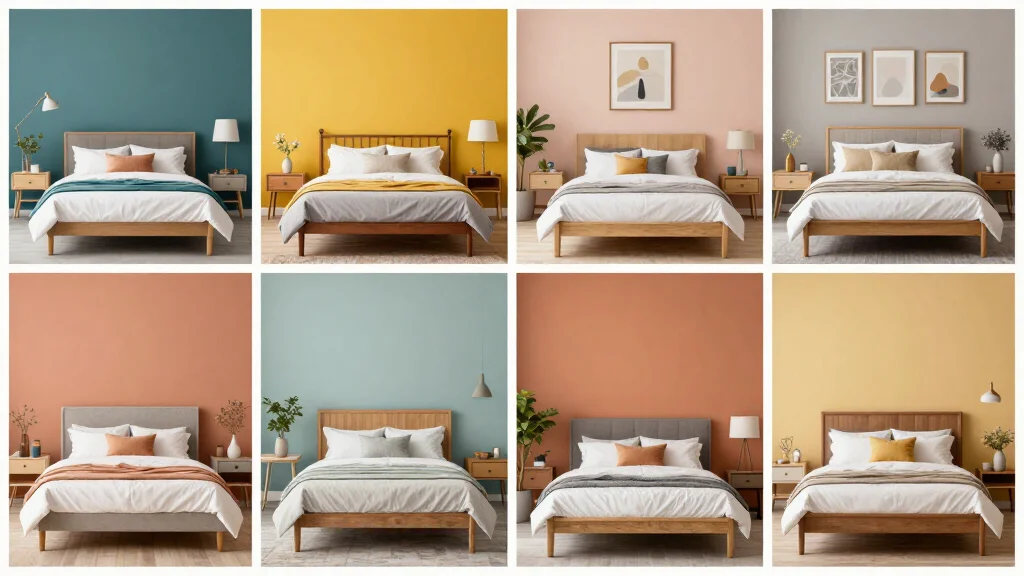
11. Your Sample Was Too Small to Tell the Truth
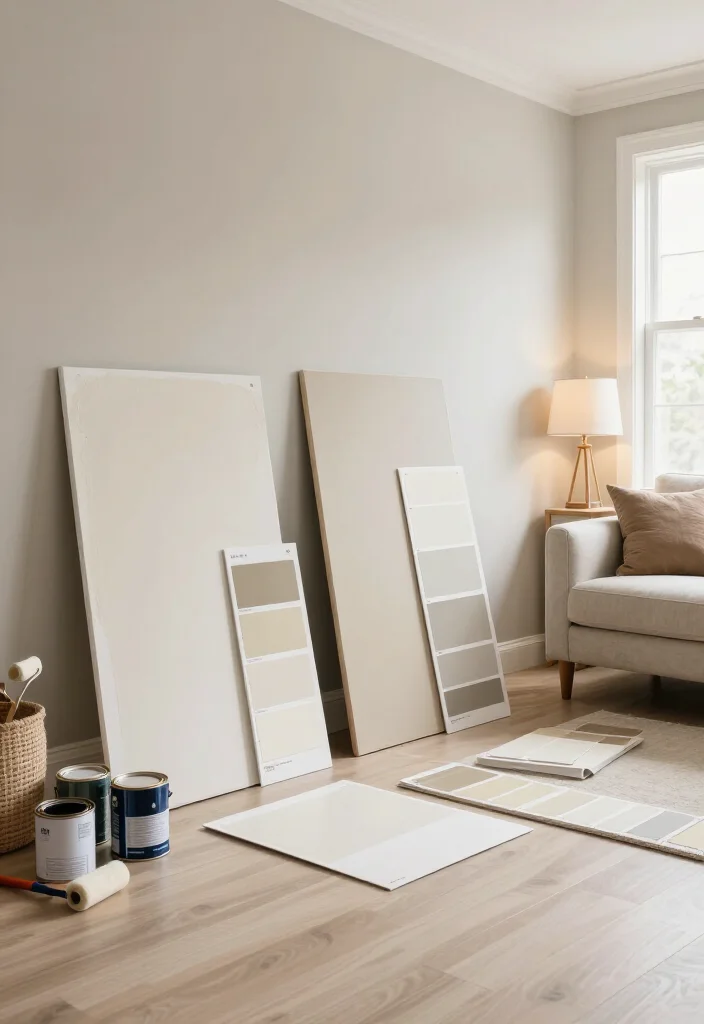
A tiny paint chip cannot show how a color behaves across a full wall. Large surfaces make colors feel stronger, deeper, or more colorful, while corners and nearby finishes change the way light reaches them.
Use movable boards instead of relying on small wall patches. Large samples let you compare several shades beside flooring, furniture, trim, and windows without creating a patchwork wall.
Make samples more useful:
– Paint boards at least 18 by 24 inches
– Apply two full coats and allow proper drying time
– Move boards around the room throughout the day
Leave samples in place for 24 to 48 hours. The longer you live with a shade, the less likely the finished room will surprise you.
12. The Fix Is Often a Small Adjustment, Not a Full Repaint
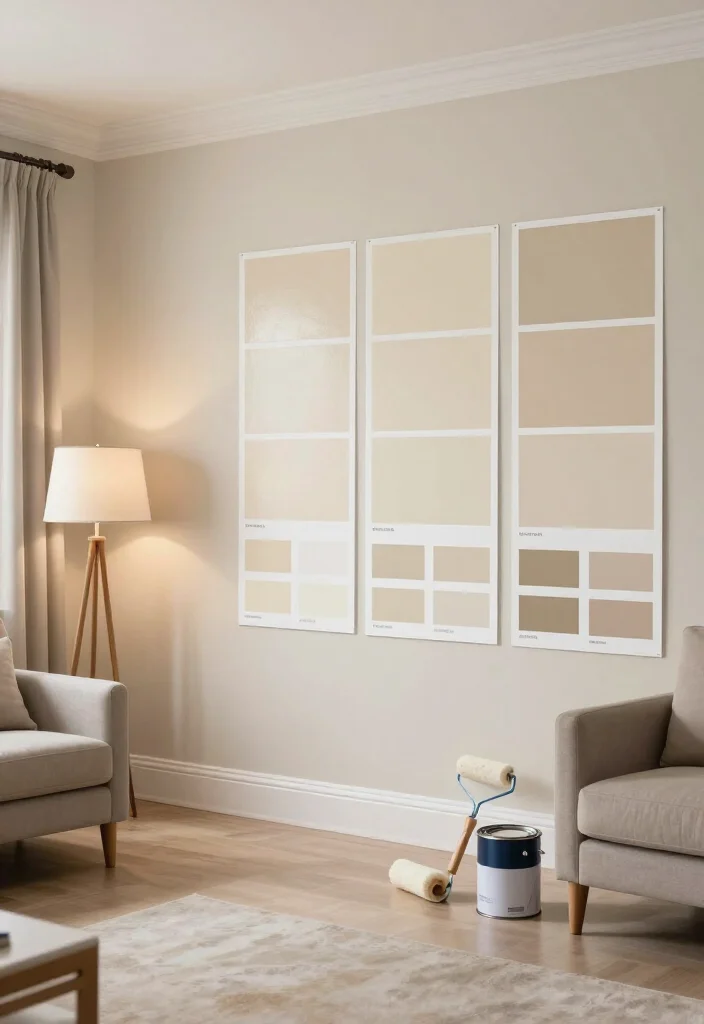
A disappointing paint color does not always require a complete repaint. The issue may come from a warm bulb, uneven primer, wrong sheen, bright trim, or strong reflected color. Finding the exact problem prevents expensive guesswork.
Change one factor at a time and judge the wall after it settles. A new bulb, second coat, or better sample may solve the issue faster than replacing every gallon.
Try this simple repair order:
– Wait until the paint fully settles before judging
– Check lighting, surface prep, sheen, and nearby colors
– Test a related shade on a large movable board
If repainting becomes necessary, keep what you learned. Better preparation and realistic lighting can turn the next color into a comfortable, balanced choice.
Conclusion: Let the Room Have the Final Say
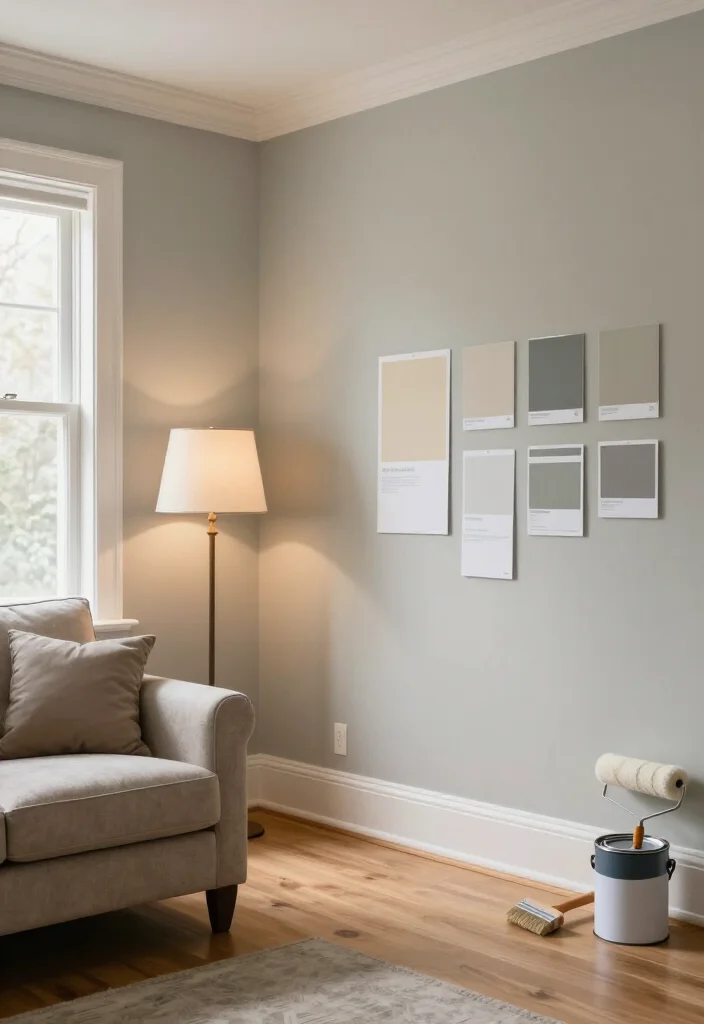
When paint color looks different at home, the answer usually sits in the room’s light, undertones, finish, surface, or surrounding decor—not in your ability to choose color. Test large boards, wait for the paint to settle, and make one change at a time so the right fix becomes clear. A little patience can turn a frustrating shade into the calm, welcoming color your home was asking for.
Note: We aim to provide accurate product links, but some may occasionally expire or become unavailable. If this happens, please search directly on Amazon for the product or a suitable alternative.
This post contains Amazon affiliate links, meaning we may earn a small commission if you purchase through our links, at no extra cost to you.
Frequently Asked Questions
Q. Why does paint color look different at home than in the store?
Store lighting is usually different from the lighting in your home. Natural sunlight, artificial bulbs, flooring, furniture, and surrounding wall colors can all change how a paint shade appears.
Q. Why does my gray paint look blue or green?
Gray paint can have blue, green, violet, or other undertones. The room’s natural light and nearby colors can make these undertones much more noticeable.
Q. How should I test paint before painting an entire room?
Test a large sample on several walls rather than relying on a small swatch. Check it in morning, afternoon, and evening light before making your final decision.
Q. Can light bulbs change how my wall color looks?
Yes. Warm bulbs can make some colors appear creamier or more yellow, while cooler bulbs can emphasize blue or green undertones. Test your paint under your normal evening lighting.
Q. Does flooring affect wall paint color?
Absolutely. Wood, carpet, tile, and rugs can reflect or visually influence nearby colors. Comparing your paint sample with the existing flooring and furnishings can give you a more realistic idea of the finished room.
