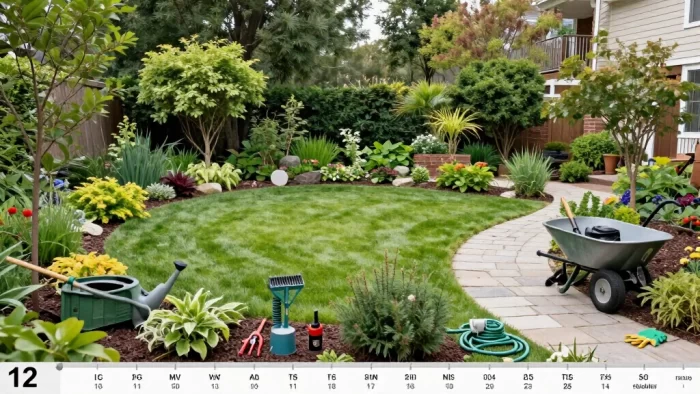
Some landscaping jobs seem to appear out of nowhere—until I started following a simple monthly routine.
A Month by Month Landscape Maintenance Calendar made it much easier for me to remember what needed attention and, just as importantly, what could wait.
Instead of spending an entire weekend catching up, I could handle small tasks at the right time, from pruning and mulching to lawn care and seasonal planting.
I’ve found that this approach keeps the landscape healthy, reduces last-minute work, and makes garden maintenance feel far less overwhelming.
With a little planning around your climate and growing season, your yard can look cared for throughout the year.
- January: Inspect, Plan, and Protect the Sleeping Garden
- February: Prune Carefully and Wake Up the Soil
- February: Prune Carefully and Wake Up the Soil
- PowerGear2 Softgrip Bypass Garden Pruners, 3/4" Branch Cut Capacity
- Corona Tools RS16150B RazorTOOTH 10" Folding Pruning Saw – 10″ Curved St…
- MaxTite 70% Isopropyl Alcohol (1 Gallon (4 Pack, 32 fl oz) – Includes He…
- 32” PowerGear2 Garden Bypass Loppers, 2" Cut Capacity Tree Trimmer
- Corona BP 3180D Forged Classic Bypass Pruner with 1" Cutting Capacity, 1…
- February: Prune Carefully and Wake Up the Soil
- March: Prepare Beds and Give Spring Growth a Clean Start
- April: Plant, Weed, and Build a Strong Spring Routine
- May: Feed the Garden and Keep Moisture in the Soil
- June: Mow Smart, Mulch Well, and Watch for Summer Stress
- June: Mow Smart, Mulch Well, and Watch for Summ…
- Keenstone Cordless Lawn Mower, 17-Inch Lawn Mower Battery Powered with B…
- Wood Mulch 30 Quart, Premium Dark Natural Shredded Mulch for Landscaping…
- Tree Watering Bag, 20 Gallon Slow Release Tree Watering Bags-Drip Irriga…
- Blue Mountain Hay Organic Garden Straw Mulch for Beds & Garden Cover, 5l…
- Fresh Natural Shredded Redwood Mulch, Fine Gorilla Hair Garden Bark, 1 C…
- You might also like
- June: Mow Smart, Mulch Well, and Watch for Summ…
- July: Water Deeply and Protect Plants from Heat
- August: Harvest, Refresh Containers, and Plan for Fall
- September: Seed, Divide, and Repair Summer Damage
- Assessment Checklist: What to Check Before You Start
- October: Plant Trees, Mulch Beds, and Welcome Autumn Color
- November: Clear Safely and Prepare for Winter Weather
- November: Clear Safely and Prepare for Winter W…
- Adjustable Metal Leaf Rake Set Garden Rake for Leaves Long Handle 37"-63…
- 7.8" x 100ft Burlap Tree Wrap Roll for Gardening, Natural Tree Trunk Wra…
- Insulated Outdoor Faucet Cover for RV Park & Yard Hydrant, 25”H x 13.5”W…
- MIXC Outdoor Faucet Covers for Winter Freeze Protection, 15" x 35" Hose …
- WORKPRO Adjustable Garden Leaf Rake, Heavy Duty Metal Lawn Rake with Ext…
- November: Clear Safely and Prepare for Winter W…
- December: Clean Tools, Protect Roots, and Review the Year
- December: Clean Tools, Protect Roots, and Revie…
- AlpineReach Plant Covers Frost & Sun Protection 10 x 30 ft – Thick 1.2 o…
- Plant Covers Freeze Protection, 2 Packs 47"W x 70"H Large Frost Cloth Bl…
- Fiskars Maintenance Kit, For Garden Cutting Tools, with Diamond File, Oi…
- FELCO 933 Premium Pruning Kit – Includes 2, The Original Forged Aluminum…
- Plant Trays 4 Pcs – Plastic Trays for Bulb Planting – Seedling Trays – P…
- December: Clean Tools, Protect Roots, and Revie…
- Make the Calendar Work for Your Own Yard
- Make the Calendar Work for Your Own Yard
- Garden Journal, 3 Ring Full Page 8.5×11" Binder. Seed Packet Organizer K…
- Headwind EZRead 15” Professional Outdoor Rain Gauge High-Visibility Floa…
- WORKPRO Garden Tool Bag, 10 Pockets and Shoulder Strap, Green | Heavy Du…
- Gardener's Supply Company Heavy Duty Mobile Tool Storage Caddy
- The Complete Plant Care Journal: Collector's Botanical Edition: Premium …
- Key Takeaways
- Make the Calendar Work for Your Own Yard
- Conclusion: Small Monthly Jobs Create a Garden That Lasts
- Frequently Asked Questions
January: Inspect, Plan, and Protect the Sleeping Garden
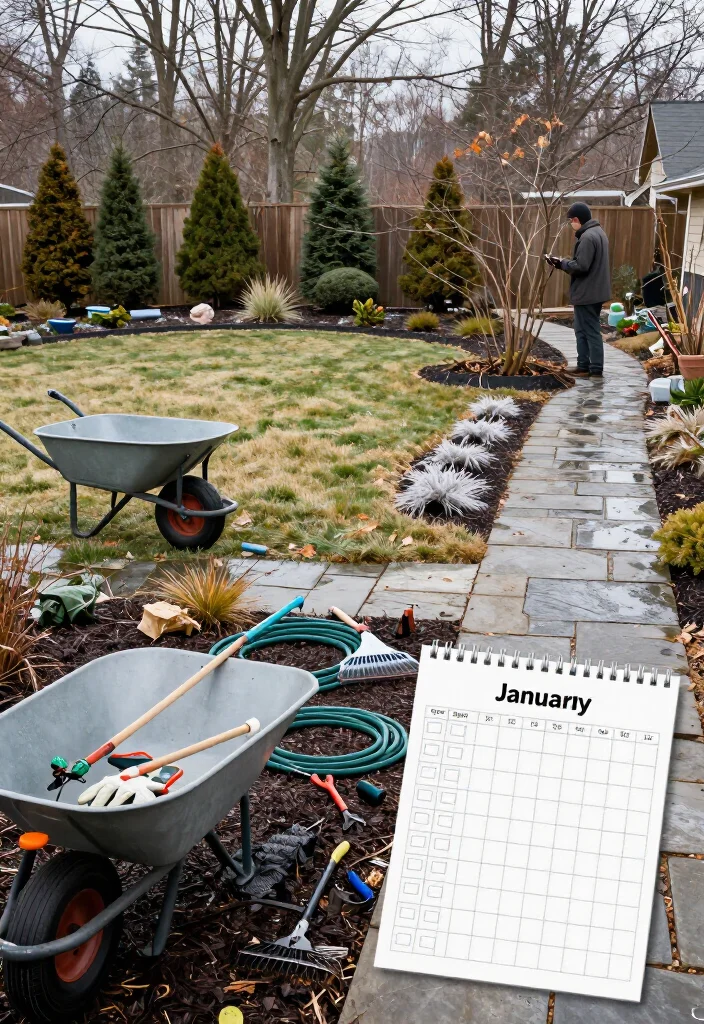
Your January yard may look asleep, but winter reveals problems summer growth hides. Walk after storms to spot broken limbs, loose fence panels, lifted pavers, clogged drains, and standing water. Protect grass and soil by avoiding wet or frozen ground, then brush heavy snow gently from evergreen branches.
Use this quiet month to sketch beds, order seeds, and match plants to sunlight and drainage. Clean pruners, oil hinges, test the mower, and replace cracked hoses before spring demand rises.
Start with these January tasks:
– Inspect tree limbs, fence panels, drains, and pavers after storms.
– Protect roots with mulch, keeping it away from trunks.
– Plan beds using colorful, climate-friendly plants and reliable soil notes.
Small winter checks prevent costly repairs and create a calmer spring.
February: Prune Carefully and Wake Up the Soil
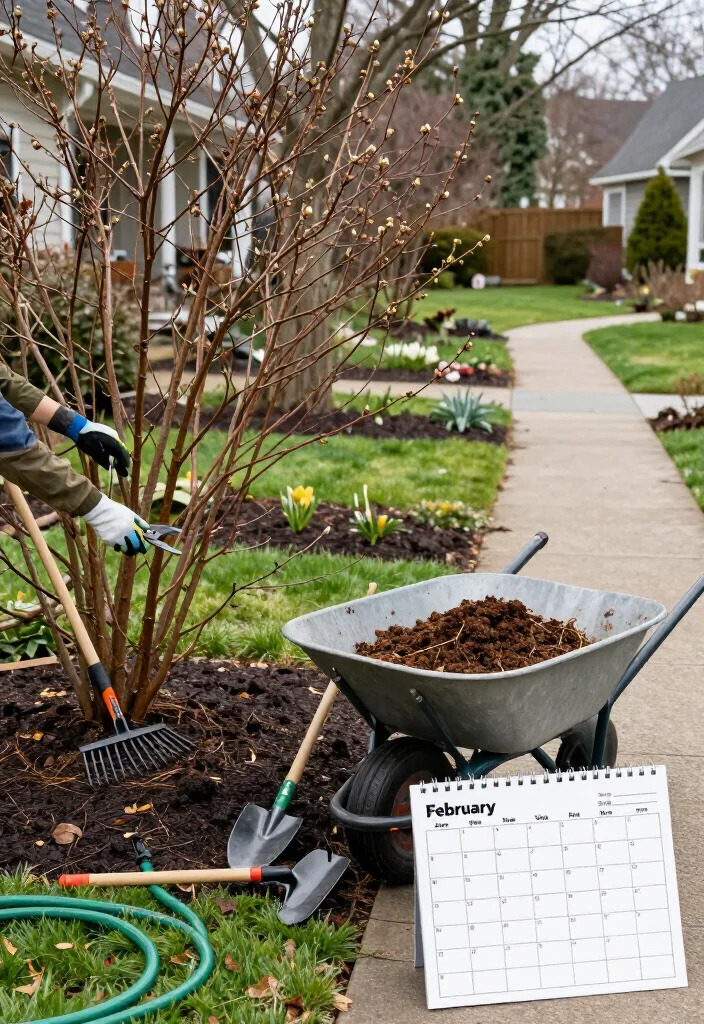
February offers a safe window for shaping many dormant plants. Remove dead, broken, crossing, or diseased branches, but wait until after flowering to prune spring-blooming shrubs. Sharp bypass pruners make clean cuts, while a pruning saw handles thicker wood.
Add finished compost when soil crumbles easily, not when it sticks to boots. Disinfect blades between diseased plants, and leave power-line work or large limbs to a qualified arborist.
Focus on these February jobs:
– Prune summer-flowering shrubs with clean, sharp tools.
– Pull winter weeds before they produce new seeds.
– Test irrigation timers, hoses, and rain barrels before spring.
Careful pruning and gentle soil work prepare plants for healthy growth without forcing the season.
February: Prune Carefully and Wake Up the Soil
Editor’s Choice




March: Prepare Beds and Give Spring Growth a Clean Start
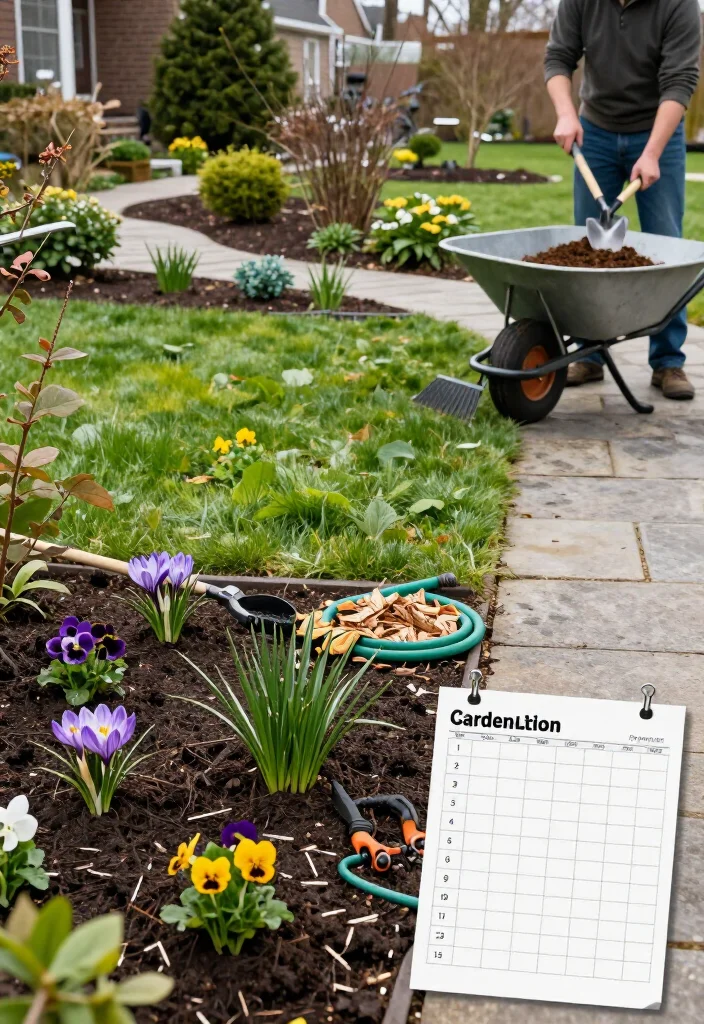
March brings longer days, workable soil, and the first wave of spring chores. Clear debris that blocks shoots, but leave a few hollow stems and light leaf pockets for helpful insects. Loosen the surface gently, remove young weeds, and mix in two inches of finished compost.
Plant peas, lettuce, spinach, pansies, and hardy herbs according to local frost dates and soil temperature. Add mulch after planting, keeping it several inches from tree trunks and shrub stems.
Build a March routine:
– Edge paths and beds before spring growth fills them.
– Divide crowded perennials while new shoots remain visible.
– Test soil before adding lime, fertilizer, or amendments.
Good preparation gives roots room, reduces weeds, and makes the busy growing season easier to manage.
📹 Related Video: 5 Steps to Prepare Raised Beds For Spring Planting! 🌱🌿🌱 // Garden Answer
April: Plant, Weed, and Build a Strong Spring Routine
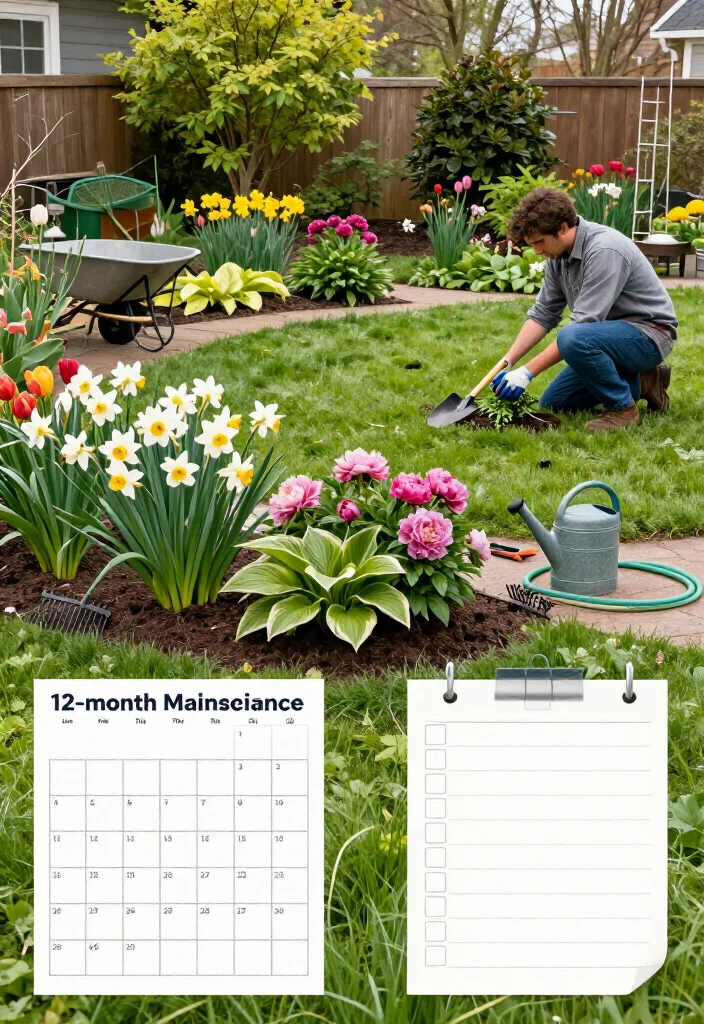
April growth can change the garden within days. Walk your beds twice a week, pull weeds while roots are shallow, and water new plants deeply instead of wetting only the surface. Plant tender annuals after your local frost date, while hardy perennials and native shrubs can often go in sooner.
Group plants with similar water needs, and support tall flowers before wind bends them. Mow when grass is dry, remove no more than one-third of each blade, and leave short clippings when the lawn is healthy.
Keep these April habits:
– Test irrigation coverage for clogged emitters and broken heads.
– Plant pollinator flowers with staggered bloom times.
– Watch leaves for aphids, slugs, mildew, and chewing damage.
Short, regular visits keep spring beds open, colorful, and ready for summer.
May: Feed the Garden and Keep Moisture in the Soil
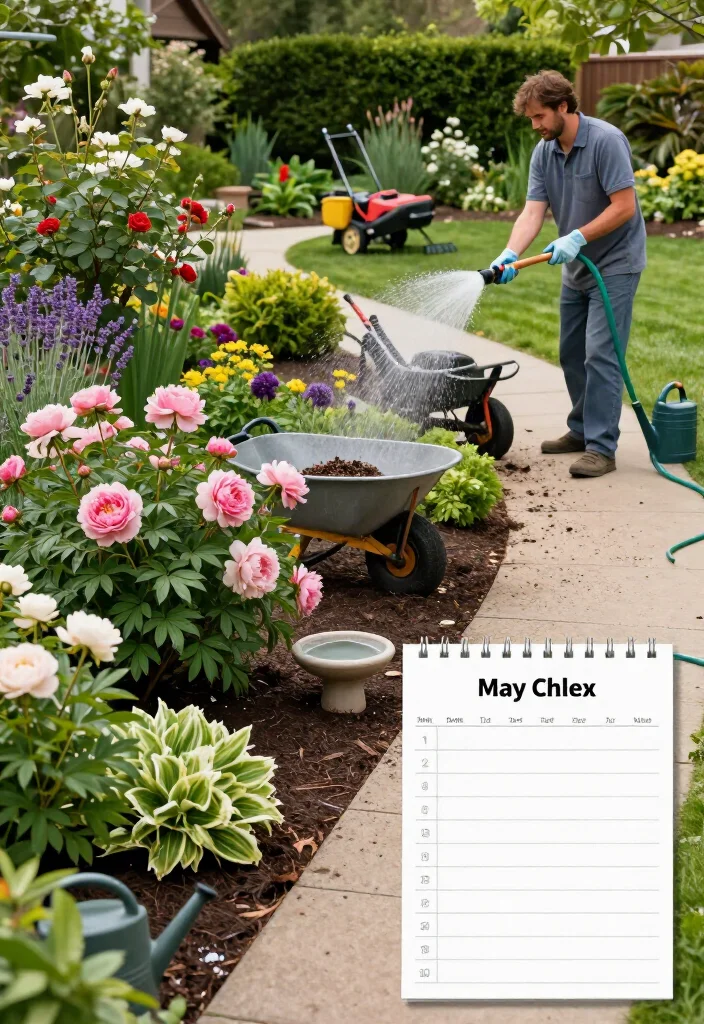
May brings fast growth, weekly mowing, and rising water needs. Water early, soak the root zone, and check moisture with a finger before turning on the hose. Morning watering helps leaves dry, while deep sessions encourage stronger roots than daily surface sprays.
Feed plants only when soil tests, labels, or visible symptoms suggest a need. Compost and slow-release products are gentle choices, while excess nitrogen can create floppy stems and fewer flowers.
Use this May checklist:
– Apply two inches of organic mulch around exposed soil.
– Deadhead flowers to encourage fresh container blooms.
– Raise mowing height during hot or dry spells.
Balanced feeding and careful watering help plants stay colorful, sturdy, and prepared for summer heat.
June: Mow Smart, Mulch Well, and Watch for Summer Stress
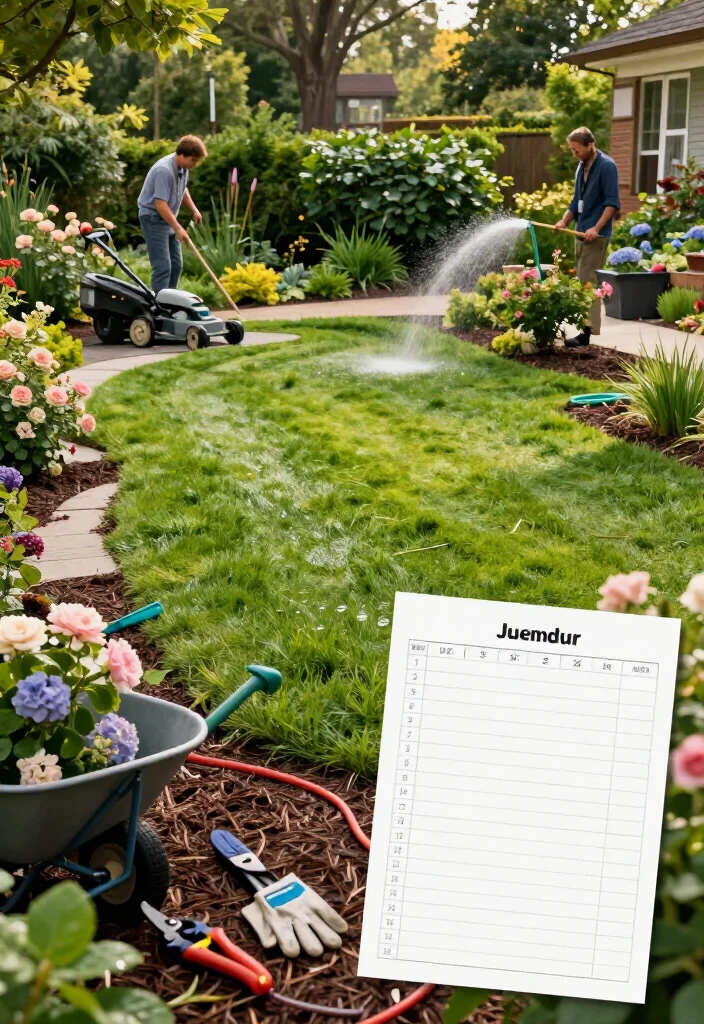
June rewards a steady weekly rhythm. Mow dry grass with sharp blades, keep enough height for shade, and avoid cutting more than one-third of the leaf. Short lawns may look tidy briefly, then lose color and struggle during hot weather.
Use shredded bark, leaf mold, or straw to slow evaporation and soften soil temperature changes. Check mulch depth before adding more, and pull washed material away from stems after heavy rain. Inspect plants for wilt, sunscald, and pest damage before watering.
Prioritize these June tasks:
– Water new trees slowly around their root zones.
– Stake tall plants before summer storms flatten them.
– Clear weeds without disturbing shallow tree roots.
Smart mowing, useful mulch, and early stress checks conserve water while keeping the yard attractive.
June: Mow Smart, Mulch Well, and Watch for Summ…
Editor’s Choice



You might also like

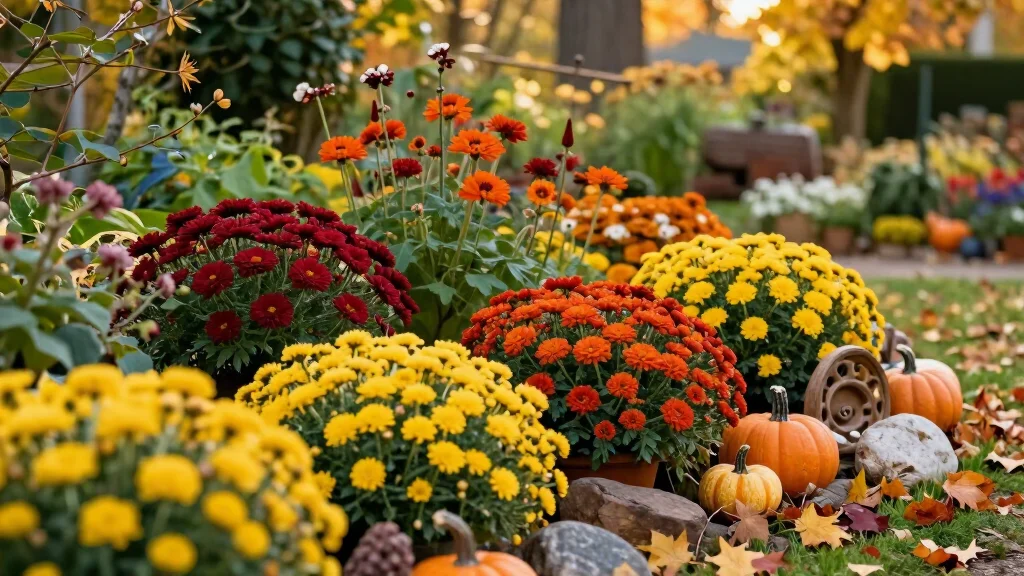
July: Water Deeply and Protect Plants from Heat
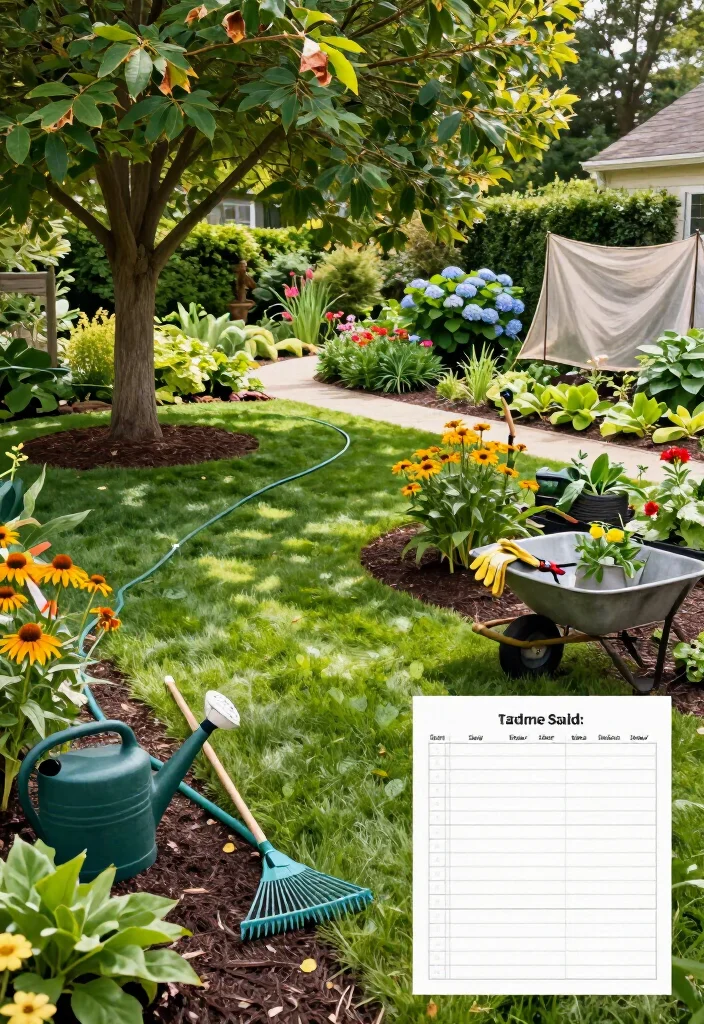
July care centers on heat, hydration, and plant protection. Water slowly at dawn or dusk, directing moisture toward roots instead of leaves. For containers, continue until water drains from the base, then empty saucers so roots do not sit in stagnant water.
Move delicate pots from hot walls and add breathable shade cloth during extreme afternoons. Avoid heavy pruning during heat waves, since sudden leaf loss exposes branches and roots. Let established drought-tolerant lawns rest when local conditions permit.
Use these July strategies:
– Check drip emitters and sprinklers for leaks or overspray.
– Harvest vegetables, berries, and herbs before they overmature.
– Remove fallen fruit that attracts insects near the house.
Deep watering and sensible shade help plants handle heat without wasting precious water.
August: Harvest, Refresh Containers, and Plan for Fall
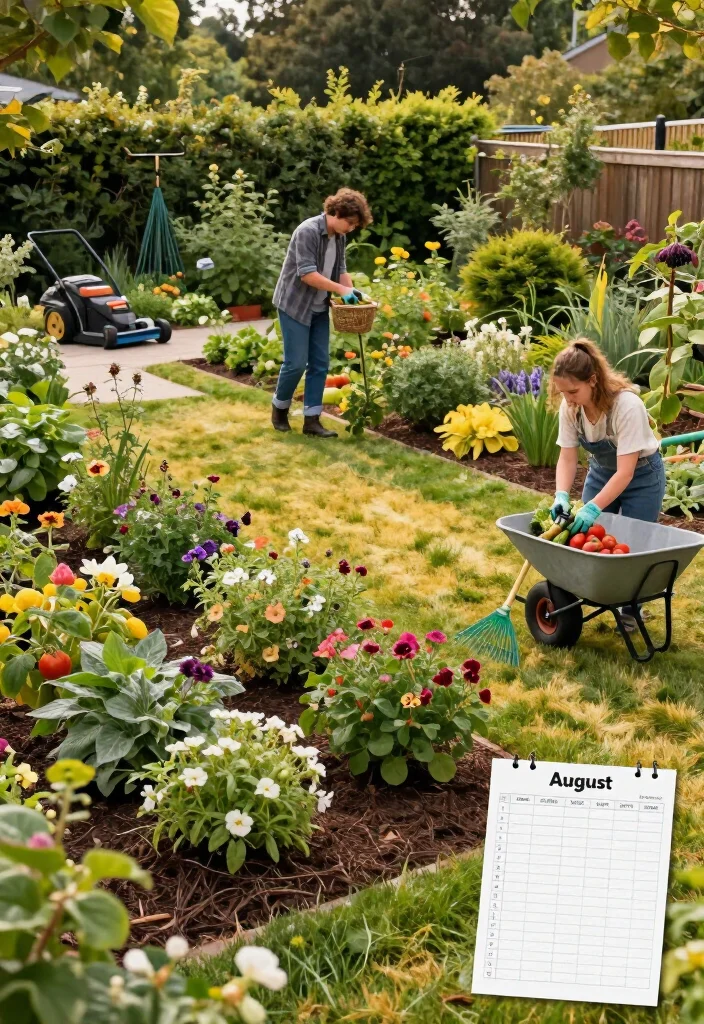
August gardens often need both harvest help and gentle cleanup. Pick vegetables, herbs, and berries in the morning, then water deeply when soil feels dry below the surface. Remove tired blooms, but leave a few healthy seed heads for birds and winter texture.
Refresh containers by trimming dead stems, replacing weak annuals, or moving pots from harsh afternoon sun. Roots circling the pot signal a need for fresh soil or a larger container. Start noting empty beds and plants that struggled before fall planning begins.
Make these August updates:
– Inspect trees and shrubs for dead or risky limbs.
– Order spring bulbs before popular varieties disappear.
– Clean feeders, birdbaths, tools, and seed-storage containers.
Honest notes about heat, pests, and watering make next year’s landscape easier to manage.
September: Seed, Divide, and Repair Summer Damage
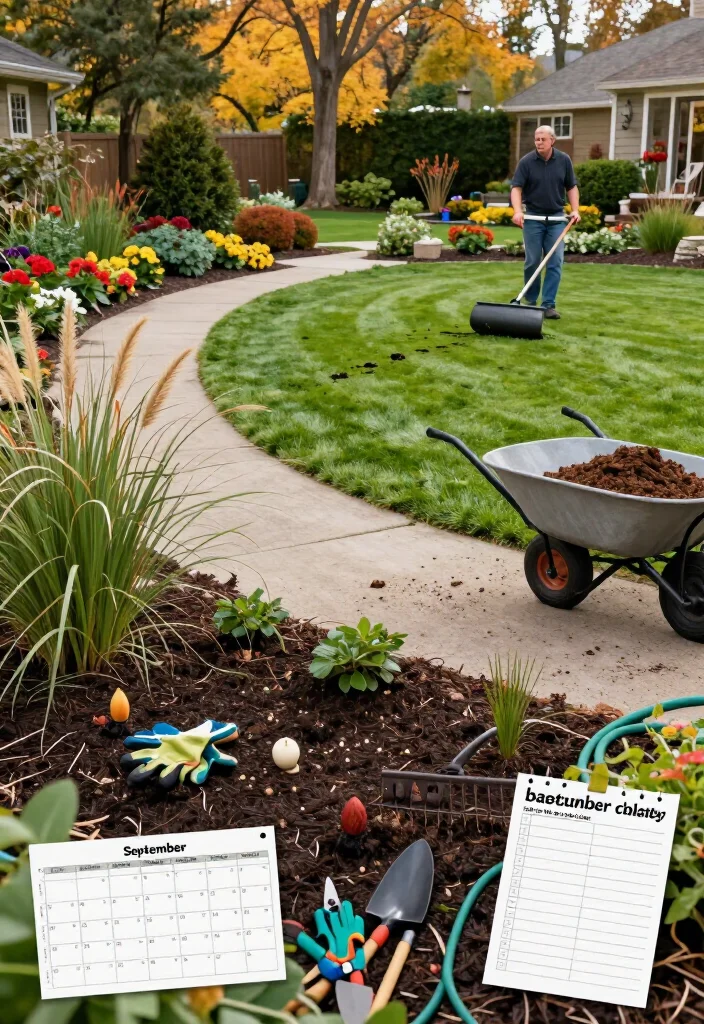
September combines warm soil with cooler mornings, making it ideal for garden repairs. Check lawns for bare patches, compaction, weeds, and weak color. Lightly rake loose thatch, then overseed cool-season grass when moisture and temperatures support germination.
Keep new seed evenly damp without burying it deeply. Divide crowded perennials by lifting outer sections with attached roots and shoots, then replant divisions at their original depth. Trees and shrubs planted now have time to settle before winter.
Complete these September projects:
– Repair paths and edging before autumn rain arrives.
– Plant spring bulbs at their recommended depth and spacing.
– Clear diseased leaves from beds and compost piles.
September repairs strengthen the lawn, refresh crowded borders, and give new plants time to establish.
Assessment Checklist: What to Check Before You Start
A 12-month yard-care calendar works best when it fits your weather, soil, plants, and free time. If you plant by a fixed date without checking frost or water needs, tender plants may wilt, freeze, or grow weak. Use this review before January planning or any monthly garden maintenance task. ✔ A few notes now can save replanting, wasted water, and rushed weekend work later.
Checklist Items to Review
□ Frost dates and hardiness zone – Write down your USDA plant hardiness zone, average last spring frost, and first fall frost dates. Keep tender plants indoors until night temperatures stay above 50°F (10°C), unless their plant label says otherwise.
□ Sun and shade patterns – Watch each bed in the morning, at noon, and in the afternoon. Mark areas as full sun with 6 or more hours, part shade with 3 to 6 hours, or shade with fewer than 3 hours.
□ Soil pH and drainage – Test soil pH and nutrients before adding lime, compost, or fertilizer. Many beds suit a pH of 6.0 to 7.0, but blueberries and some other plants need more acid soil; a 12-inch hole that still holds water after 24 hours may need a drainage fix.
□ Water supply and coverage – Check hoses, drip lines, sprinklers, timers, and outdoor faucets for leaks or blocked emitters. Place a rain gauge in an open area, then aim for about 1 inch of water per week, including rain, while adjusting for heat and sandy soil.
□ Plant health and pest signs – Inspect leaf undersides, stems, bark, and the soil around roots for spots, holes, wilt, insects, or chewed growth. Record photos and dates so you can see if a problem spreads, then remove diseased plant parts as local guidance recommends.
□ Lawn size and mowing height – Measure grass areas before buying seed, soil products, or fertilizer. Set the mower for the grass type, keep the blade sharp, and remove no more than one-third of the grass height at each cut.
□ Trees, roots, and overhead lines – Look for dead limbs, leaning trunks, exposed roots, blocked drains, and branches near roofs or walkways. Call 811 in the United States before digging, and hire a licensed arborist for large limbs near power lines.
□ Tools and garden supplies – Test the mower, trimmer, pruners, rake, shovel, and wheelbarrow before the busy spring season. Clean and sharpen cutting tools, replace cracked handles, and keep gloves, eye protection, mulch, and compost ready for the right month.
□ Time and spending limits – For a small or medium yard, set aside 30 to 60 minutes each week plus 2 to 3 hours for seasonal jobs. List expected costs for seed, mulch, water, pest control, and tree work so you can divide tasks across the year.
□ Wildlife and local rules – Look for bird nests, butterfly caterpillars, and sheltering insects before pruning or clearing beds. Check town watering limits, leaf-burning rules, and HOA limits if they apply to your home.
Why This Matters: These checks turn a general 12-month calendar into a yard plan that matches what you see. Frost data helps prevent early planting, while sun and soil notes help you place each plant where it can grow well. Water readings reduce waste and help you spot leaks before summer heat arrives. Tool, time, and cost checks keep garden maintenance calm instead of rushed. Review this list at the start of each month, then adjust it after heavy rain, a heat wave, a storm, or a pest sighting. 💡 Let the calendar guide you, but let your yard’s real conditions set the pace.
October: Plant Trees, Mulch Beds, and Welcome Autumn Color
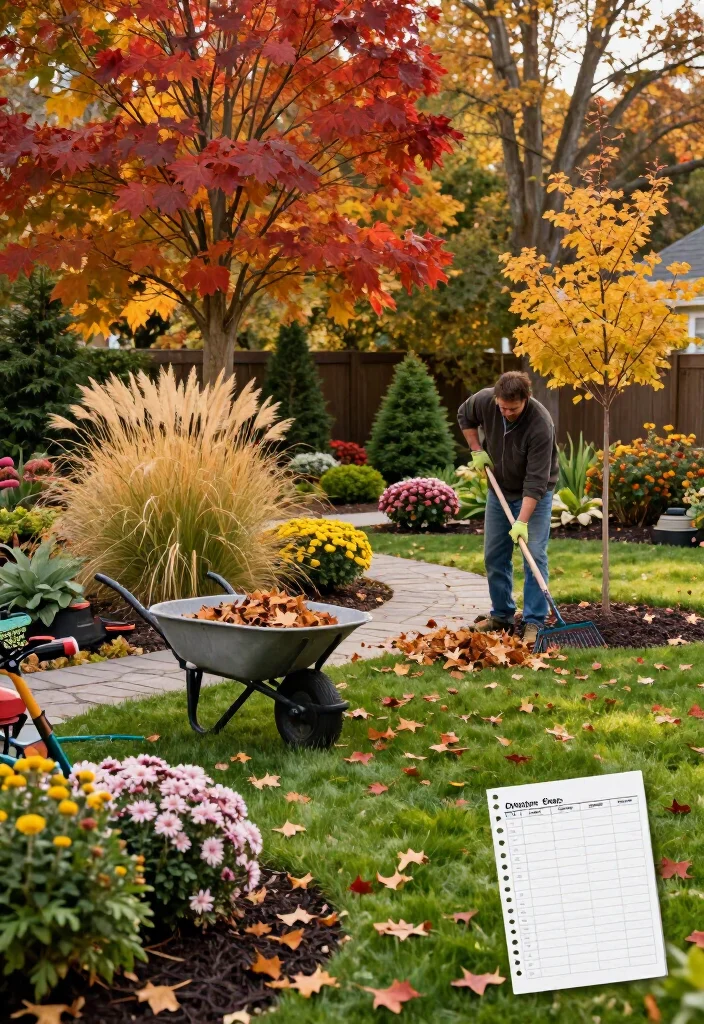
October offers cool air, warm soil, and excellent planting conditions. Set trees and shrubs into broad holes, loosen circling roots, and keep the root flare level with or slightly above the soil. Water new plants deeply while roots settle.
Use fallen leaves as free garden material. Shred thin layers with a mower, add them to compost, or spread them lightly over empty beds. Remove thick piles from lawns, drains, and paths, then refresh mulch without covering trunks.
Focus on these October tasks:
– Plant spring bulbs with pointed ends facing upward.
– Store ceramic pots upside down before repeated freezes.
– Leave healthy seed heads for wildlife and winter interest.
A balanced autumn cleanup protects plants while preserving the color, shelter, and texture that make the season special.
You Might Also Like
November: Clear Safely and Prepare for Winter Weather
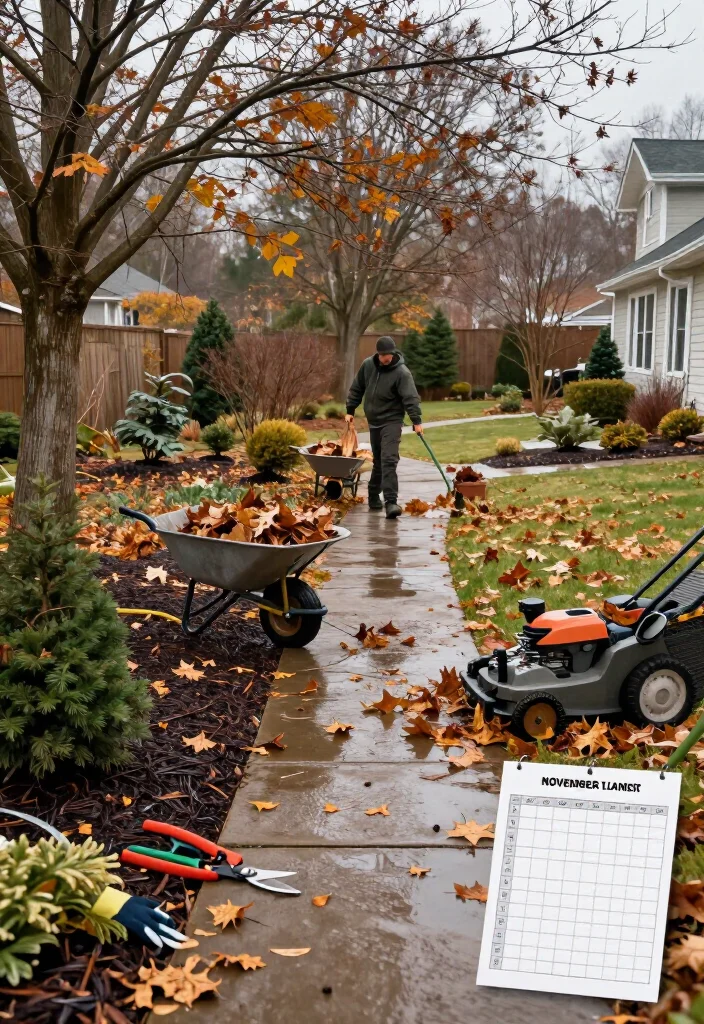
November preparation reduces winter hazards before freezing rain and heavy snow arrive. Rake leaves from lawns, gutters, drains, steps, and paths, while leaving a thin layer in garden beds for soil cover and insect shelter. Inspect mature trees from the ground for cracked joints, hanging limbs, and decay.
Drain hoses, protect outdoor faucets, and shut down irrigation where freezing threatens. Clean the mower deck, store tools dry, and follow manufacturer directions for fuel storage. Keep vehicles off soft soil and frozen grass to prevent lasting damage.
Handle these November jobs:
– Mark paths and irrigation features before snow covers them.
– Use breathable wraps around vulnerable young trees.
– Check lighting, handrails, and steps for winter safety.
A little preparation protects equipment, plants, and everyone who uses the yard.
November: Clear Safely and Prepare for Winter W…
Editor’s Choice


December: Clean Tools, Protect Roots, and Review the Year
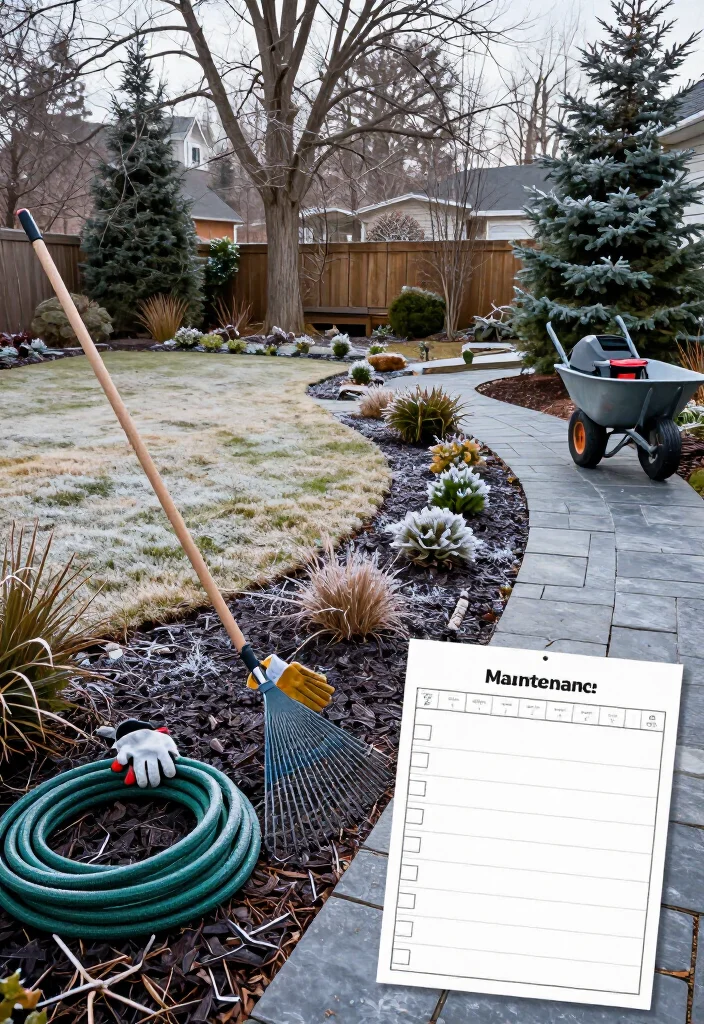
December is quieter, but brief inspections still protect the landscape. Walk after strong winds, clear slippery branches from paths, and check that rain has not exposed roots or washed mulch away. Cover tender plants only when local weather requires it, using breathable frost cloth rather than heavy plastic.
Use indoor time to sharpen pruners, oil hinges, repair handles, organize seeds, and review watering or pest problems. Check stored bulbs and tubers for mold, rot, or dryness, then adjust next year’s plant choices to match your space and time.
Complete these December checks:
– Inspect stakes and ties for bark pressure or damage.
– Keep compost covered but able to breathe.
– Clean feeders and refresh safe winter water stations.
A thoughtful review turns past lessons into a simpler, more personal garden plan.
December: Clean Tools, Protect Roots, and Revie…
Editor’s Choice


Make the Calendar Work for Your Own Yard
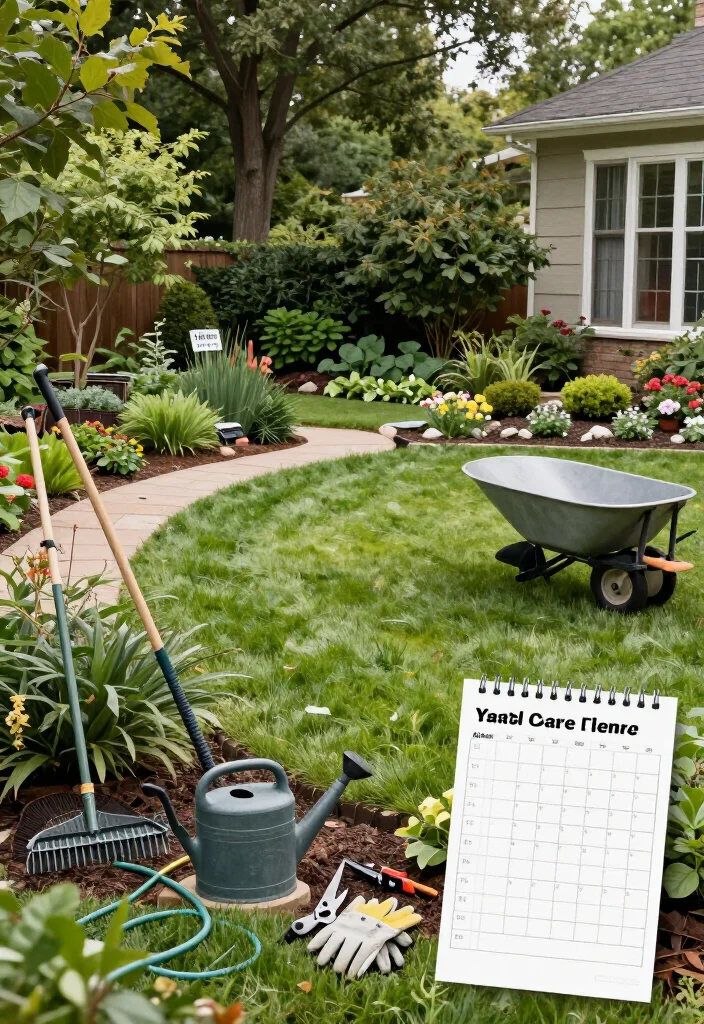
A useful landscape calendar should fit your weather, soil, plants, and available time. Shift tasks when frost arrives early, rain delays planting, or heat makes outdoor work unsafe. Treat the schedule as a guide, not a rulebook, and handle hazards before cosmetic improvements.
Keep separate lists for urgent repairs and optional upgrades. Group pruning, mowing, or compost work by tools so setup takes less time. Even fifteen focused minutes can prevent small weeds, leaks, or stressed plants from becoming larger problems.
Build these simple habits:
– Record rainfall, blooms, pests, and new plantings.
– Photograph the yard from the same seasonal viewpoints.
– Choose low-maintenance plants for hard-to-reach spaces.
Realistic care creates a healthier garden that supports your life, local wildlife, and year-round enjoyment.
Make the Calendar Work for Your Own Yard
Editor’s Choice


Conclusion: Small Monthly Jobs Create a Garden That Lasts
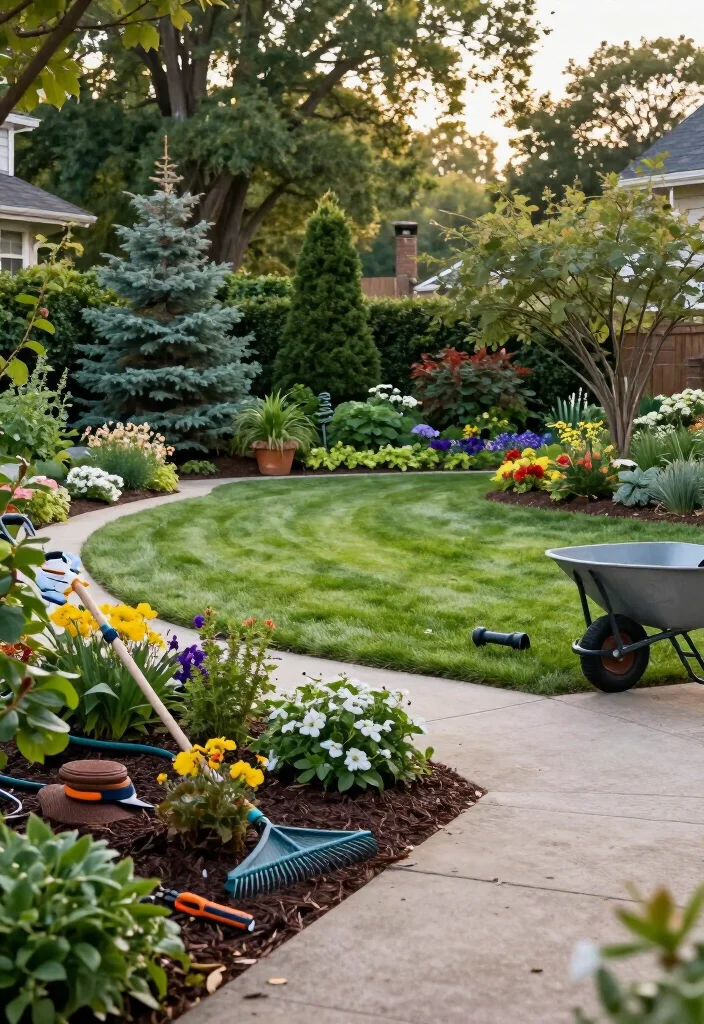
A beautiful yard is built through small choices repeated across the seasons: clean tools, healthy soil, careful watering, timely pruning, and a little attention after every storm. Save this landscape maintenance calendar, adjust it to your climate, and let each month’s checklist guide the next easy step rather than overwhelm you.
With steady seasonal yard care, your garden can stay healthier, safer, and more welcoming from the first spring shoots to the quiet beauty of winter.
Note: We aim to provide accurate product links, but some may occasionally expire or become unavailable. If this happens, please search directly on Amazon for the product or a suitable alternative.
This post contains Amazon affiliate links, meaning we may earn a small commission if you purchase through our links, at no extra cost to you.
Frequently Asked Questions
Q. What should I include in a landscape maintenance calendar?
Include tasks such as pruning, planting, fertilizing, mulching, lawn care, weed control, irrigation checks, pest monitoring, and seasonal cleanup.
Q. When should I prune landscape plants?
It depends on the plant and your climate. Many plants are pruned during dormancy, while spring- or summer-flowering plants may have different timing. Always check the needs of each species.
Q. When is the best time to add mulch?
Spring and fall are commonly useful times to refresh mulch. Apply a moderate layer and keep it away from tree trunks and the crowns of plants.
