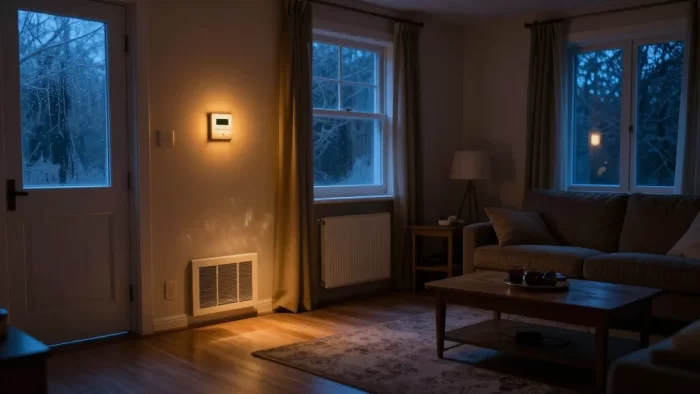
When the sun goes down, a living room can suddenly feel less inviting—even when the thermostat says everything is fine.
I’ve noticed that a Living Room Feels Cold at Night problem is often connected to more than temperature. Bare floors, drafty windows, poor furniture placement, cool lighting, and thin curtains can all make a space feel uncomfortable.
Simple changes like adding a textured rug, sealing window gaps, layering warm throws, and choosing softer lighting can make a noticeable difference.
These practical cozy living room ideas can help create a warmer, more comfortable space without turning up the heat.
- 1. The Thermostat Is in a Warm Spot
- 2. A Vent or Radiator Is Blocked
- 3. Cold Air Is Sneaking Through the Windows
- 4. The Door Has a Tiny but Constant Draft
- The Door Has a Tiny but Constant Draft
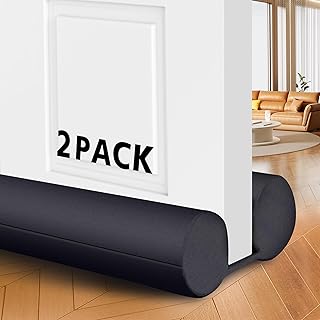
- 2 Pack Under Door Draft Stopper for Bottom of Door, Adjustable 30-36 Inch
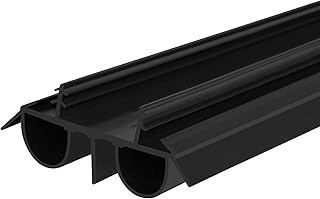
- 36 Inch Slide-On PVC Door Sweep for Bottom of Door, Door Bottom Seal wit…
- 20FT Silicone Weather Stripping Door Seal, 0.7 x 0.4 Inch, Black
- 36" Kerf Slide-in Double Bulb Seal Weatherstrip Door Bottom – Durable Se…
- GDHOMM Door Draft Stopper for Bottom of Door, Adjustable Door Sweep Door…
- 📹 Related Video: How To Replace A Door Weatherstrip Seal [Easy DIY]
- The Door Has a Tiny but Constant Draft
- 5. The Floor Is Pulling Warmth Away
- The Floor Is Pulling Warmth Away
- ANSSO Wool Area Rugs 9×12 Living Room,80% Merino Wool and 20% Cotton Sof…
- Dual Surface – 8'x11' – 1/2" Thick – Felt + Rubber – Non-Slip Backing Ru…
- SAFAVIEH Abstract Wool Runner Rug 2'3"x10', Modern Natural & Ivory ABT478A
- Alex Plus Acrylic Latex Caulk, White, 10.1 Oz, 12 Pack (7079818152)
- The Best Flokati Rug Made | Ultra-Plush 4" Wool Pile | Thick 4000 gram W…
- You might also like
- The Floor Is Pulling Warmth Away
- 6. Exterior-Wall Insulation Is Weak or Missing
- Exterior-Wall Insulation Is Weak or Missing
- Klein Tools IR5 Dual Laser 12:1 Infrared Thermometer, Digital Thermomete…
- GT24S Thermal Camera with Thermometer Mode, 320×240 UIRA-IR | 256×192 Na…
- DAP Alex Plus Acrylic Latex Caulk, White, 10.1 Oz, 12 Pack (7079818152)
- General Tools IRT206 Heat Seeker Infrared Thermometer, -4°F to 604°F
- Klein Tools IR1 Infrared Thermometer with Targeting Laser, Auto-Hold, More
- Exterior-Wall Insulation Is Weak or Missing
- Assessment Checklist: What to Check Before You Start
- 7. The Ductwork Is Losing Heat Before It Arrives
- 8. Indoor Humidity and Thermostat Calibration Are Off
- Indoor Humidity and Thermostat Calibration Are Off
- Humidity Meter Hygrometer and Indoor Digital Thermometer with Temperatur…
- AcuRite (01080M Pro Accuracy Temperature and Humidity Gauge, Black
- Temperature Humidity Meter, High Precision Digital Hygrometer with Ambie…
- Govee Indoor Hygrometer Thermometer 3Pack H5075 with Bluetooth App Control
- Classic300S Ultrasonic Smart Top Fill Humidifier, Large 6L Tank, 60H
- You Might Also Like
- Indoor Humidity and Thermostat Calibration Are Off
- 9. Furniture Is Trapping the Warm Air
- A Warmer Living Room Starts With the Small Clues
- Q. Why does my living room feel cold at night even when the heat is on?
- Q. Can rugs make a living room feel warmer?
- Q. How can I stop cold drafts from entering my living room?
- Q. What curtains are best for a cold living room?
- Q. What are easy ways to make a living room feel warmer without raising the thermostat?
1. The Thermostat Is in a Warm Spot
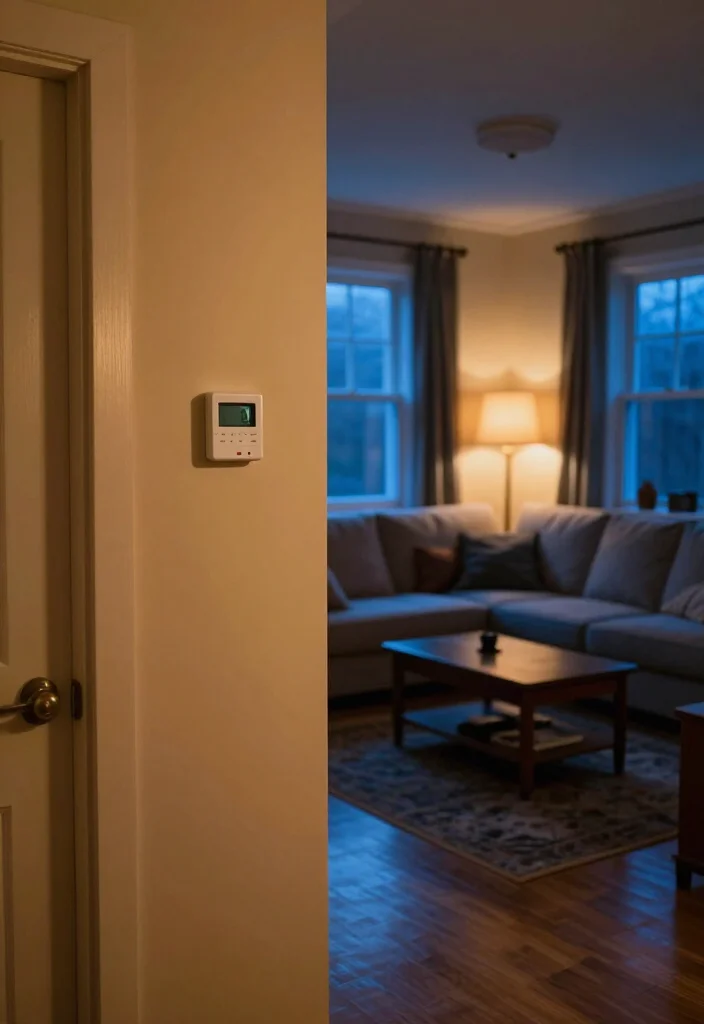
Thermostat placement can make a working heating system feel ineffective. If it sits beside a sunny window, lamp, kitchen opening, or supply vent, it may sense warmth before the sofa area does. The heater shuts off while the far wall and seating zone remain chilly. This mismatch often appears in open-plan rooms at night.
Compare the control with thermometers near the sofa and coldest wall. Keep curtains, bookcases, plants, and electronics away so air can circulate. If readings differ by several degrees, ask a technician about relocation or a remote sensor.
Use these quick checks:
– Compare thermostat readings with thermometers beside the sofa
– Clear curtains, furniture, and electronics from the thermostat
– Install a remote sensor near the main seating area
A better location helps the system respond to real comfort. Keeping nearby surfaces and materials clear also improves airflow around the control.
2. A Vent or Radiator Is Blocked
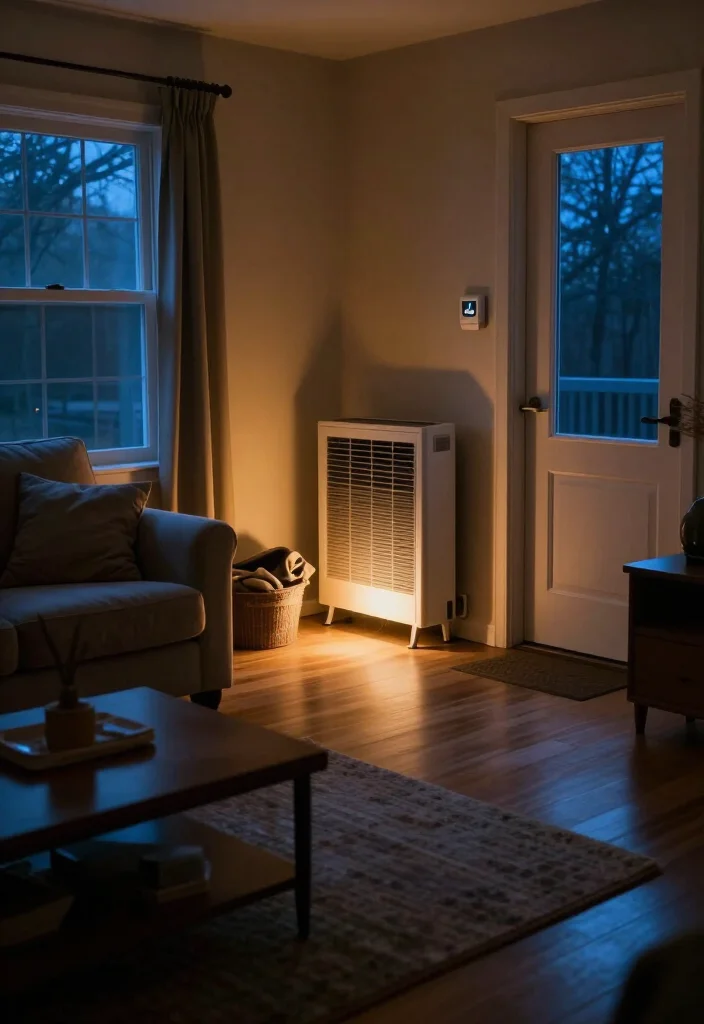
Blocked vents and radiators can leave a living room cold, even when the heater runs normally. A sofa, basket, rug, curtain, or cabinet may trap warm air before it spreads through the room. The result is uneven comfort, with one corner warm and the seating area cool. Small obstructions often build slowly as furniture shifts.
Clear every supply vent, return grille, radiator, and baseboard heater. Leave several inches around each heat source, and check whether curtains hang over radiators. A tissue test can show weak airflow, while a clear path lets warm air rise and mix more evenly.
Try these simple changes:
– Move sofas and baskets several inches from vents
– Pull curtains away from radiators and baseboard heaters
– Clear return grilles so indoor air can circulate
– Keep rugs from covering floor vents
Open pathways usually provide the fastest improvement. They also help warm air move across floors, walls, and textured furnishings instead of collecting behind furniture.
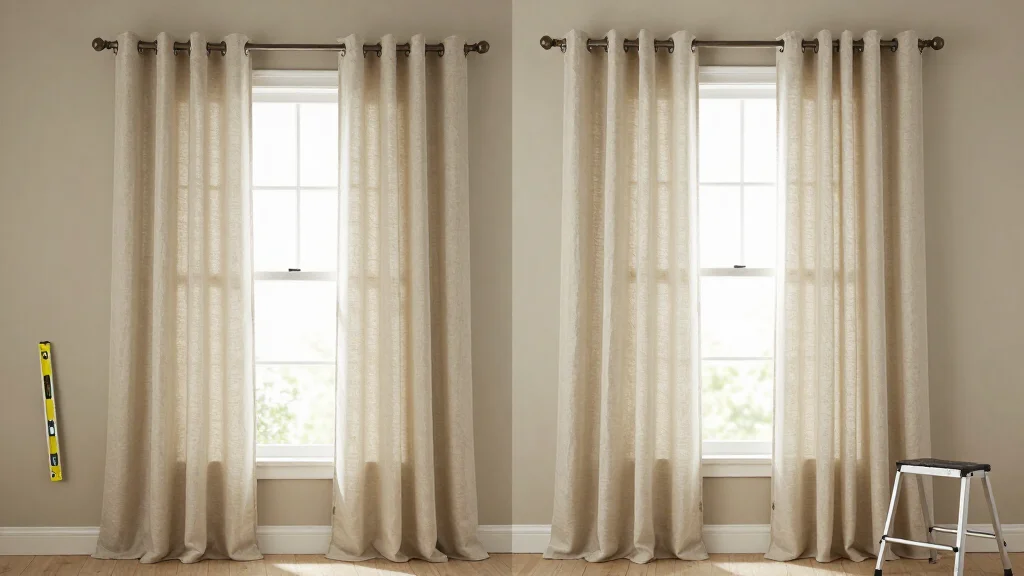
3. Cold Air Is Sneaking Through the Windows
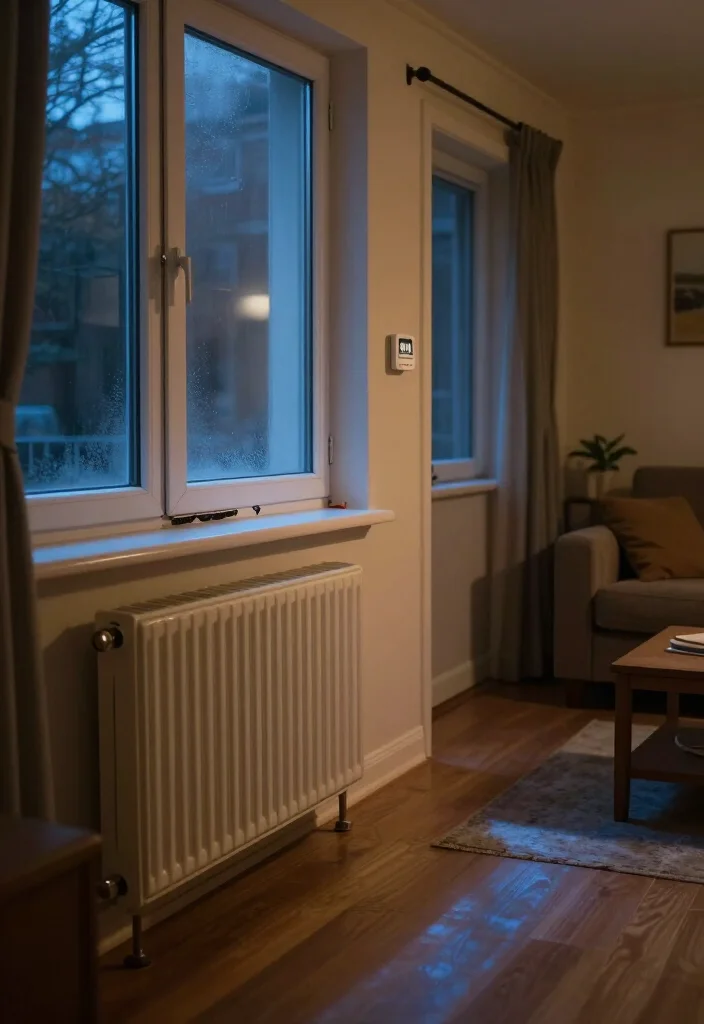
Cold windows can make your living room feel uncomfortable long before the thermostat shows a problem. Older glass, loose sashes, worn seals, and frame gaps allow outdoor air to slide across the floor. The glass itself may also chill nearby air, especially after sunset. A sofa beside the window can feel cold even when the room center feels fine.
Run your hand around the frame, latch, corners, and meeting rails. A tissue can reveal moving air, while condensation may signal cold glass, high humidity, or a failed seal. Use removable weatherstripping or interior film as affordable winter fixes, then consider professional repairs for damaged glazing.
Reduce window chill with these steps:
– Close thermal curtains after sunset without covering radiators
– Add weatherstripping around moving window sections
– Seal fixed frame gaps with suitable interior caulk
– Check locks so sashes press tightly against seals
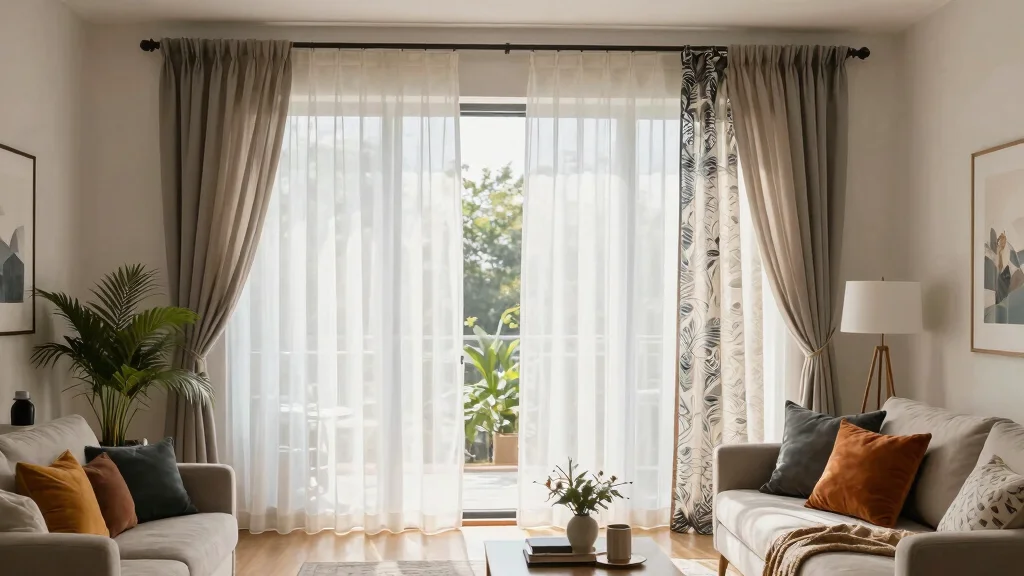
These changes reduce drafts and improve comfort. Soft curtains, layered fabrics, and insulated glass also make the room feel warmer and more inviting.
4. The Door Has a Tiny but Constant Draft
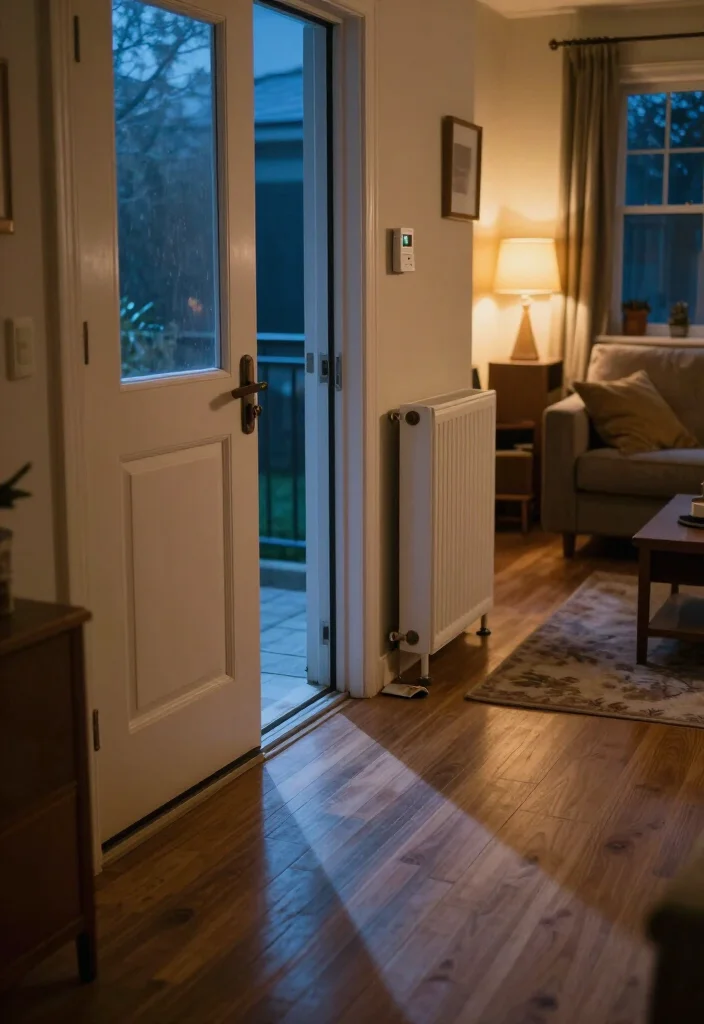
A door can make the room feel cold without showing an obvious gap. Air may slip beneath the panel, around worn weatherstripping, or through a loose threshold. Because the draft stays near the floor, your feet, pets, and lower sofa cushions notice it first. Wind can make the problem stronger around exterior doors.
Check nearby entry doors, patio doors, basement doors, and unheated hallways. Hold a tissue near the frame with fans turned off, and look for daylight, cracked caulk, or flattened seals. A fabric draft stopper offers a quick test, while proper weatherstripping provides a longer-lasting repair.
Seal common leak points with these actions:
– Place a draft stopper beneath interior doors
– Replace flattened weatherstripping around exterior door frames
– Install a fitted sweep beneath outside entry doors
– Repair cracked caulk around stationary door trim
Reducing floor-level drafts improves comfort quickly. A neat threshold, durable rubber seal, and natural-fiber entry mat can also make the doorway feel warmer and more finished.
The Door Has a Tiny but Constant Draft
Editor’s Choice




📹 Related Video: How To Replace A Door Weatherstrip Seal [Easy DIY]
5. The Floor Is Pulling Warmth Away
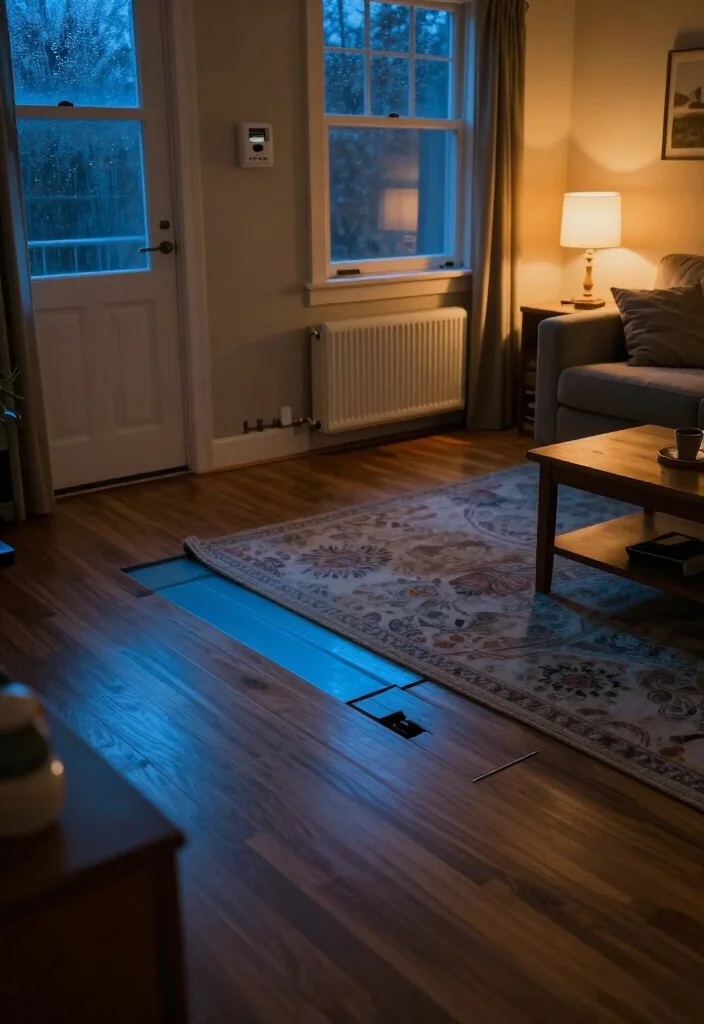
Cold floors can make a living room feel chilly even when the air reaches the set temperature. Tile, stone, concrete, and thin laminate draw heat away from feet quickly.
Floors above basements, garages, crawl spaces, or porches may feel colder because insulation or air sealing is weak. The seating area then feels uncomfortable from the ground up.
Compare the center floor with edges near windows, exterior walls, and furniture. A dense rug and quality pad offer an affordable comfort boost, while gaps around pipes or trim may need sealing.
Check insulation below the room if you can do so safely, especially where one sharply cold patch appears.
Improve floor comfort with these changes:
– Place a thick rug beneath the main seating group
– Add runners along cold paths near doors
– Seal suitable gaps around pipes and baseboards
– Inspect basement or crawl-space insulation below
Rugs add softness and warmth, but dampness needs attention first. Natural wool, cork, and layered textiles can make the room feel warmer without raising the thermostat.
The Floor Is Pulling Warmth Away
Editor’s Choice


You might also like
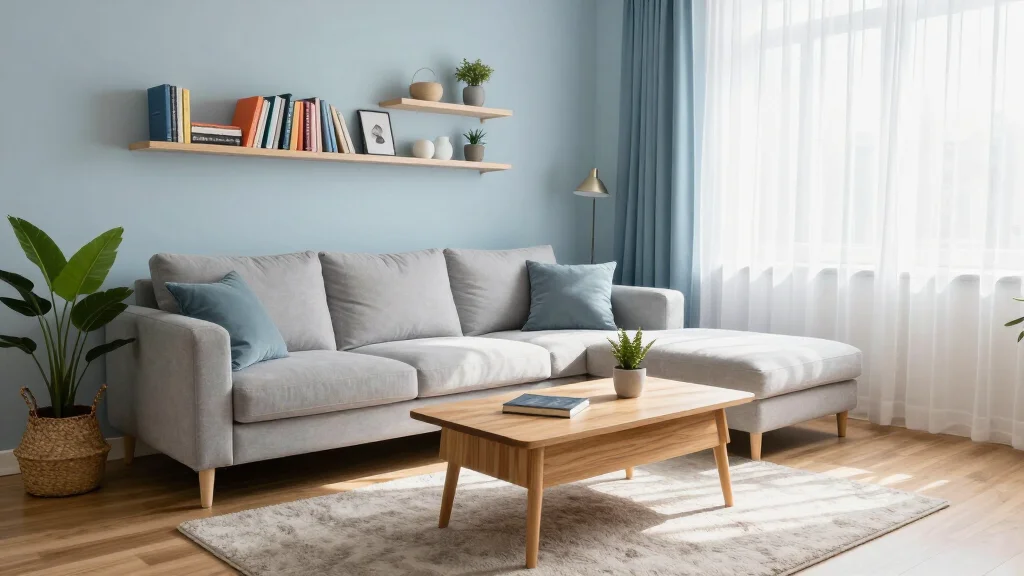

6. Exterior-Wall Insulation Is Weak or Missing
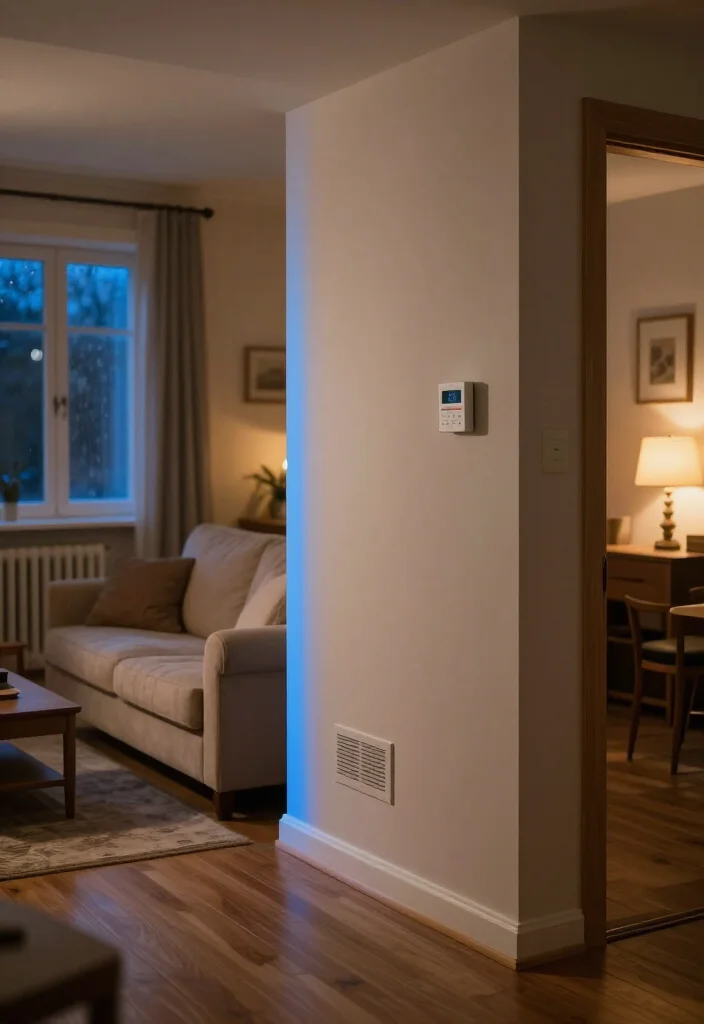
A cold exterior wall can quietly drain warmth from your living room. Older homes, additions, and walls changed by wiring or plumbing often have missing or uneven insulation. The sofa may feel chilly beside one wall while the room center stays comfortable.
Cold surfaces can also encourage condensation, peeling paint, or dark corner marks.
Compare exterior and interior walls with your hand or a non-contact thermometer. Watch for cold strips near windows, outlets, corners, and ceiling lines. Move furniture a few inches away, seal visible trim gaps, and arrange an energy audit before opening the wall or adding insulation.
Take these practical steps first:
– Pull sofas slightly away from cold exterior walls
– Seal gaps around baseboards, trim, and outlets
– Scan suspicious areas with an infrared thermometer
– Schedule a professional insulation or energy inspection
Better insulation keeps wall surfaces warmer and reduces heat loss. Wood furniture, woven throws, and layered curtains add comfort while deeper building repairs address the real cause.
Exterior-Wall Insulation Is Weak or Missing
Editor’s Choice


Assessment Checklist: What to Check Before You Start
When your living room feels cold at night, check the room before you raise the thermostat. A warm setting does not always mean warm air reaches the places where you sit. Use this list to find cold room causes linked to airflow, drafts, insulation, and thermostat readings.
Start with these checks
□ Measure the room temperature – Place a separate thermometer about 3 to 5 feet above the floor and away from windows, vents, lamps, and exterior walls. Compare its reading with the thermostat after the heating has been on for at least 30 minutes.
□ Check the thermostat location – Look for sunlight, a nearby lamp, a kitchen doorway, or a supply vent near the thermostat. If that spot feels warmer than the rest of the room, the system may shut off before your seating area feels comfortable.
□ Inspect vents and radiators – Make sure curtains, sofas, baskets, and rugs leave at least 12 inches of open space around each heat source. Check for dust, closed dampers, or a radiator that stays cold while the heating is on.
□ Test each window for drafts – On a cold night, move a thin tissue around the sash, frame, and lock. Watch for movement, feel for cool air, and check for condensation or a cold glass surface that points to poor sealing or weak window insulation.
□ Check the living room door – Look for daylight under the door and along the hinge or latch side. A door sweep and weatherstrip can stop a small draft that runs across the floor all night.
□ Feel the floor temperature – Compare the floor near an outside wall with the floor near the room center. A very cold strip may point to an unheated basement, crawlspace, slab, or thin rug that pulls heat away from your feet.
□ Look at exterior walls – Check outlet covers, corners, baseboards, and wall areas behind furniture for cold spots. If one wall feels much colder than an inside wall, weak or missing insulation may let outdoor air chill the room.
□ Inspect reachable ductwork – Check ducts in an attic, crawlspace, basement, or utility area for loose joints, crushed sections, or missing insulation. Compare airflow from the living room register with airflow from a nearby room while the heating runs.
□ Check humidity and thermostat accuracy – Use a small hygrometer and aim for indoor humidity near 30% to 50% during cold weather. If the room feels dry and the thermostat reading differs from your thermometer by more than 2 degrees Fahrenheit, ask an HVAC technician to test the control.
□ Review furniture placement – Keep large sofas, bookcases, and cabinets at least 6 to 12 inches away from vents or radiators. Warm air needs a clear path to rise and spread instead of collecting behind furniture.
Why This Matters: ✔ These checks help you separate a thermostat problem from a window draft, blocked vent, cold floor, or insulation gap. Write down the room temperature, humidity, thermostat setting, and location of each cold spot before you make changes. Start with low-cost steps, such as moving furniture, opening a vent, adding a door sweep, or sealing a visible gap. Call a heating professional when you find unsafe wiring, damaged ductwork, a faulty radiator, or a large temperature difference between rooms. 💡 Small clues can lead you to the right fix without wasting heat or money.
7. The Ductwork Is Losing Heat Before It Arrives
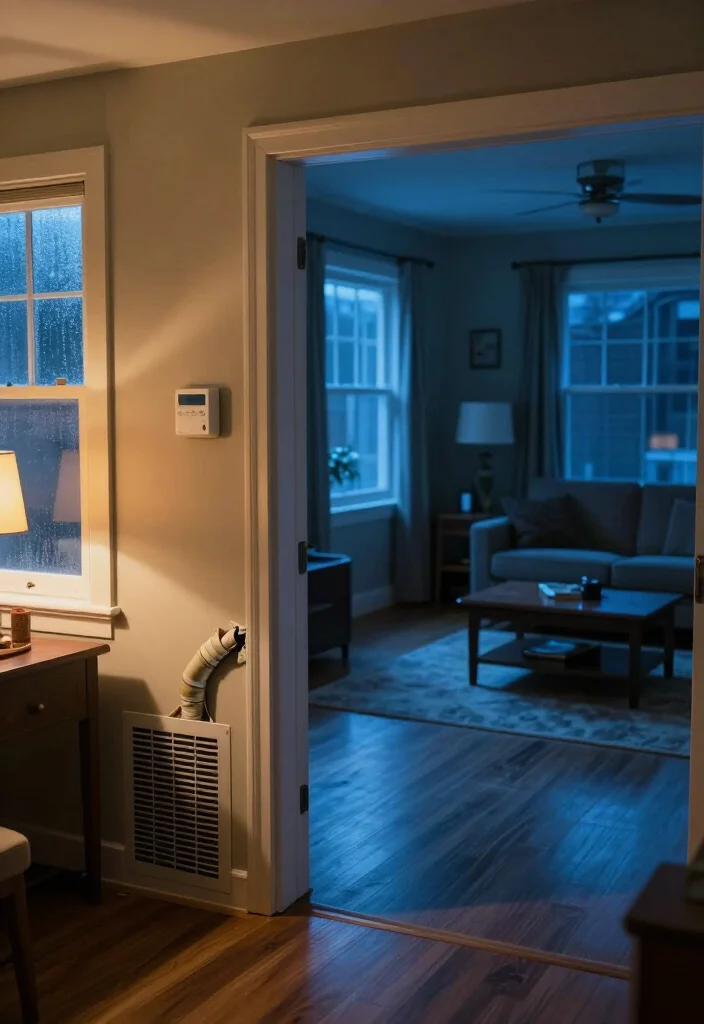
A furnace can work normally while leaking or damaged ducts leave the living room cold. Loose joints, crushed flexible ducts, and long runs through attics or crawl spaces can reduce both heat and airflow.
You may notice warm air in nearby rooms but weak, lukewarm air from the living room vent. This points toward distribution trouble rather than a simple thermostat setting.
Compare airflow at several vents using a tissue, then inspect accessible ducts for kinks, gaps, or disconnected sections. Replace the filter as directed and keep returns clear. Approved foil tape or duct mastic can seal reachable metal joints, while airflow testing requires a qualified technician.
Improve delivery with these checks:
– Replace dirty filters according to equipment instructions
– Keep supply vents and return grilles fully open
– Straighten crushed or sharply bent flexible ductwork
– Seal accessible metal joints with approved duct mastic
Strong airflow helps heat reach the seating area. Clean grilles, insulated ducts, and clear pathways keep warm air moving efficiently through the home.
The Ductwork Is Losing Heat Before It Arrives
Editor’s Choice


8. Indoor Humidity and Thermostat Calibration Are Off
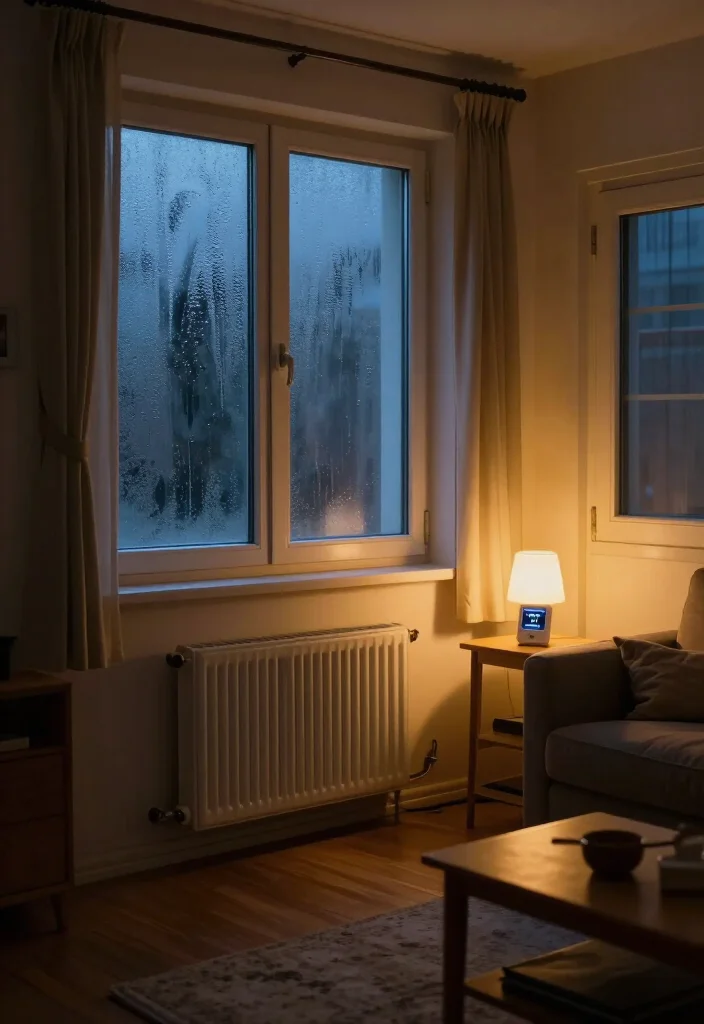
Humidity and thermostat accuracy both affect how warm your living room feels. Dry winter air can make skin feel chilled, while high humidity makes cold windows and walls feel clammy.
A dusty or poorly placed thermostat may add confusion by reading warmer than the seating area. Comfort depends on air, surfaces, and accurate temperature information working together.
Place a small hygrometer away from windows, vents, and radiators. Many homes feel comfortable around 30 to 50 percent winter humidity, though climate and building needs differ. Compare the thermostat with another thermometer, and clean or replace the control if readings remain far apart.
Balance comfort with these actions:
– Measure humidity beside the main seating area
– Keep thermostats clean and away from heat sources
– Use a cleaned humidifier when winter air feels dry
– Vent kitchens and bathrooms when moisture rises
Balanced humidity makes heated air feel gentler. Curtains, wood accents, and soft fabrics feel more comfortable when condensation and excessive dryness stay under control.
Indoor Humidity and Thermostat Calibration Are Off
Editor’s Choice


You Might Also Like
9. Furniture Is Trapping the Warm Air
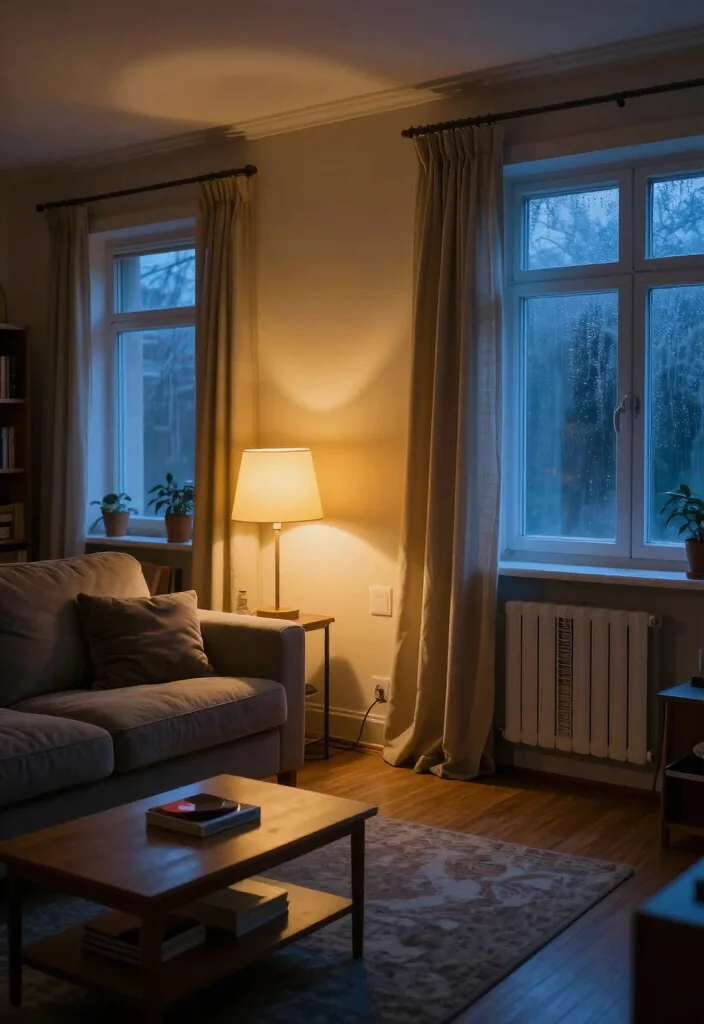
Furniture placement can quietly change how heat travels through your living room. A sofa over a floor vent, bookcase beside a radiator, or curtain across a heat source can trap warmth. The ceiling may feel warm while the seating level stays cold. This problem is common in smaller rooms where every piece sits close to a wall or vent.
Trace the path from each supply vent to the center of the room. Check whether a cabinet, plant, or sofa blocks a return grille. Move one item at a time, run the heating through a full cycle, and compare the result before changing the entire layout.
Open the room with these simple changes:
– Pull sofas away from vents and exterior walls
– Move cabinets and plants from radiator areas
– Keep curtains beside, not over, heat sources
– Leave clear space around return grilles
A small layout shift can restore warmth without new equipment. Open pathways also let woven rugs, wood surfaces, and soft furnishings feel more evenly heated.
A Warmer Living Room Starts With the Small Clues
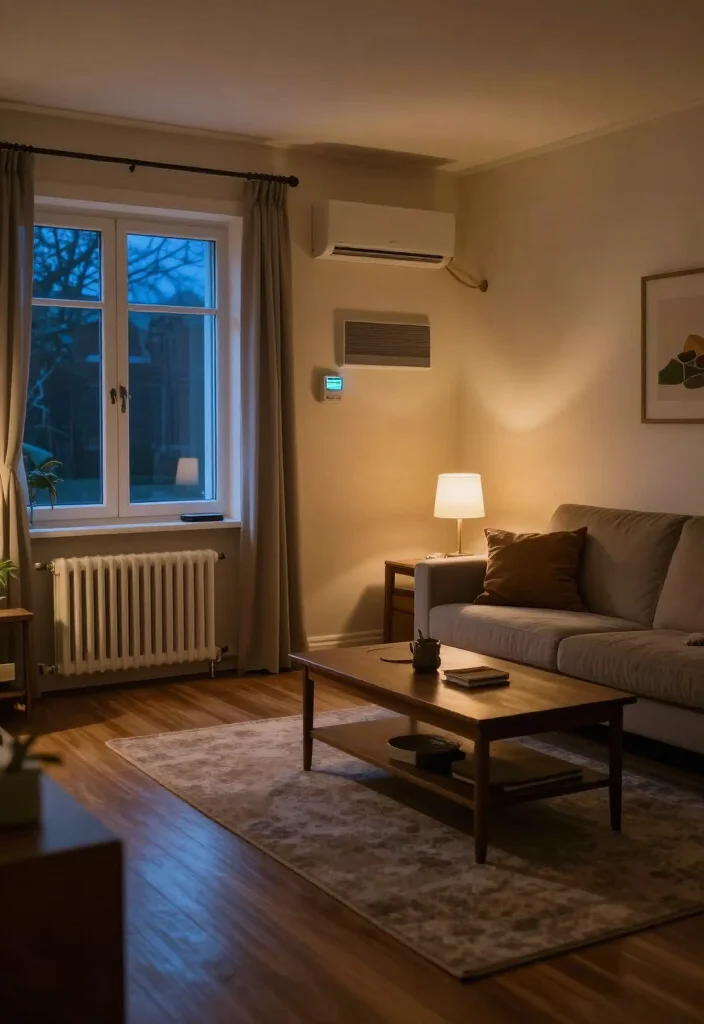
When the living room feels cold at night, turning the heat higher is not always the smartest first move. Check the thermostat location, clear blocked vents, test the windows and doors, notice the floor temperature, and look for cold exterior walls or weak duct airflow.
Then consider humidity and furniture placement, since comfort depends on both air temperature and the temperature of the surfaces around you.
Make one change at a time and give the heating system enough time to respond. That makes it easier to tell whether a draft stopper, cleared radiator, better curtain position, or small furniture shift actually helped.
If you find moisture damage, unsafe wiring, a failing furnace, a suspected gas issue, or a large insulation problem, call a qualified professional rather than guessing.
A few careful checks can stop heat from escaping, improve draft prevention, and turn a frustrating cold room into a comfortable evening space.
Note: We aim to provide accurate product links, but some may occasionally expire or become unavailable. If this happens, please search directly on Amazon for the product or a suitable alternative.
This post contains Amazon affiliate links, meaning we may earn a small commission if you purchase through our links, at no extra cost to you.
Q. Why does my living room feel cold at night even when the heat is on?
Cold windows, drafts, bare floors, poor insulation, and uneven airflow can make a room feel chilly. Furniture blocking vents or heat sources may also prevent warm air from circulating properly.
Q. Can rugs make a living room feel warmer?
Yes. A thick area rug helps reduce the cold feeling from hard flooring and adds insulation beneath your feet. A rug pad can provide extra cushioning and warmth.
Q. How can I stop cold drafts from entering my living room?
Check windows, doors, baseboards, and electrical outlets on exterior walls. Weatherstripping, caulk, draft stoppers, and insulated curtains can help reduce small air leaks.
Q. What curtains are best for a cold living room?
Thermal or lined curtains can help reduce heat loss near windows. Close them after sunset, but open them during sunny winter days to let natural warmth into the room.
Q. What are easy ways to make a living room feel warmer without raising the thermostat?
Add layered lighting, warm-toned bulbs, soft throws, textured pillows, an area rug, and furniture arranged away from drafts. Wood accents and earthy colors can also create a warmer visual atmosphere.
