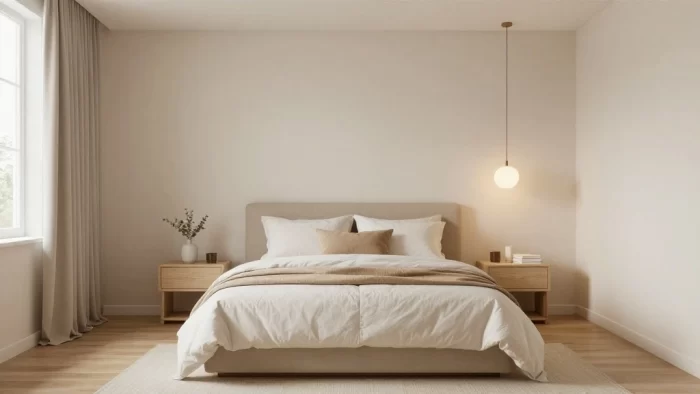
I know how frustrating it feels when a bedroom seems cramped no matter how often you reorganize it.
Learning How to Make Your Small Bedroom Feel Bigger changed the way I looked at my space—I realized I didn’t necessarily need more square footage, just smarter choices.
Simple changes like using lighter colors, improving furniture placement, hanging curtains higher, and reducing visual clutter can make a noticeable difference.
I especially rely on small bedroom ideas, space-saving bedroom solutions, and small bedroom organization to create more breathing room without sacrificing comfort.
If your bedroom feels like the walls are closing in, a few thoughtful adjustments can make it feel brighter, calmer, and surprisingly more spacious.
- TL;DR Summary
- Prerequisites/Materials Needed
- Skill Level & Time Estimate
- Step 1: Choose a Light Color Palette
- Step 2: Optimize Furniture Arrangement
- Step 3: Incorporate Mirrors
- Step 4: Use Multi-Functional Furniture
- Step 5: Keep Decor Minimal
- Step 6: Add Organizational Solutions
- Pro Tips
- Common Mistakes to Avoid
- Troubleshooting Section
- Variations/Alternative Methods
- Frequently Asked Questions
- Conclusion
TL;DR Summary
- Use light colors to create an airy feel.
- Opt for multi-functional furniture to save space.
- Incorporate mirrors to reflect light and give the illusion of depth.
- Keep your decor minimal to avoid a cluttered look.
Prerequisites/Materials Needed
- Paint (light colors like white, beige, or pastels) – 1 gallon
- Multi-functional furniture (e.g., storage bed, foldable desk) – 1 piece each
- Mirrors (large or multiple small ones) – 1-2 pieces
- Minimalist decor items (artwork, plants) – 3-5 pieces
- Organizational bins or baskets – 2-3 pieces
Skill Level & Time Estimate
Skill Level: beginner
Total time estimate: 2-3 hours
Breakdown of time by major steps:
- Painting: 1-2 hours
- Furniture arrangement: 30 minutes
- Decor placement: 30 minutes
Also Read: How to choose a curtain for all rooms
Step 1: Choose a Light Color Palette
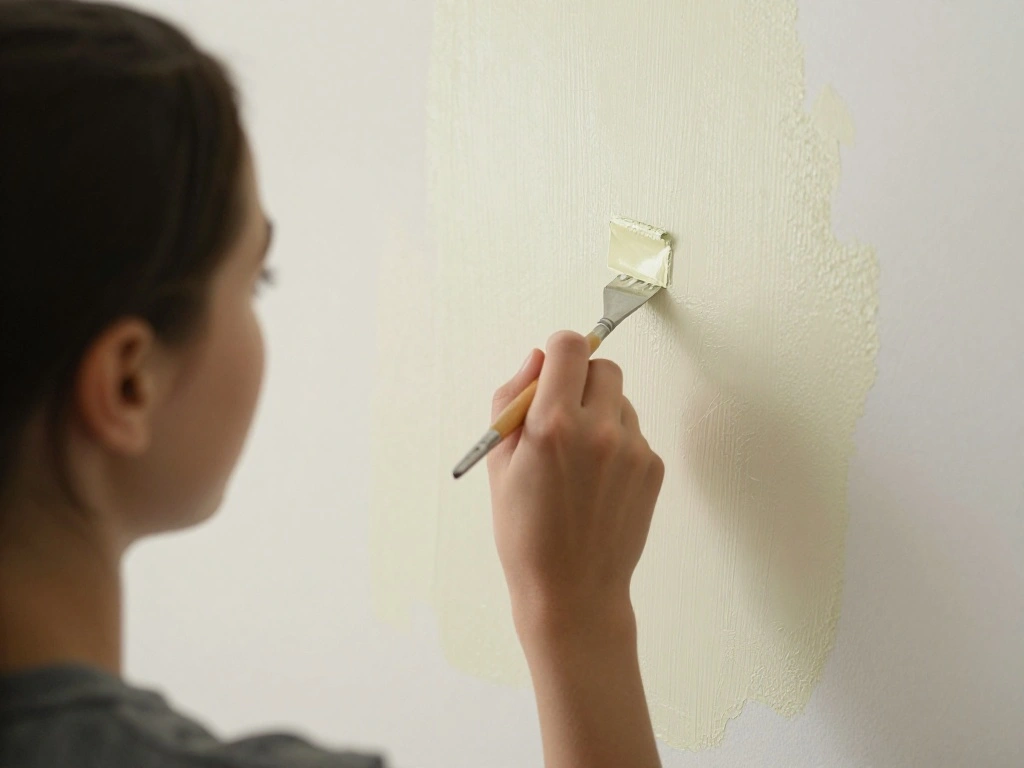
Selecting a light color scheme is crucial for creating the illusion of space in your small bedroom. Follow these steps:
- Pick a base color for the walls (e.g., soft white, light gray).
- Choose complementary colors for accents (e.g., pastel hues).
- Purchase paint supplies (roller, brushes, painter’s tape).
Pro Tip: Light colors reflect more light, making the room feel larger and brighter.
Why this matters: The right color can significantly change how we perceive space.
Time estimate: 1-2 hours.
Make sure to measure your walls to determine how much paint you’ll need.
Step 2: Optimize Furniture Arrangement
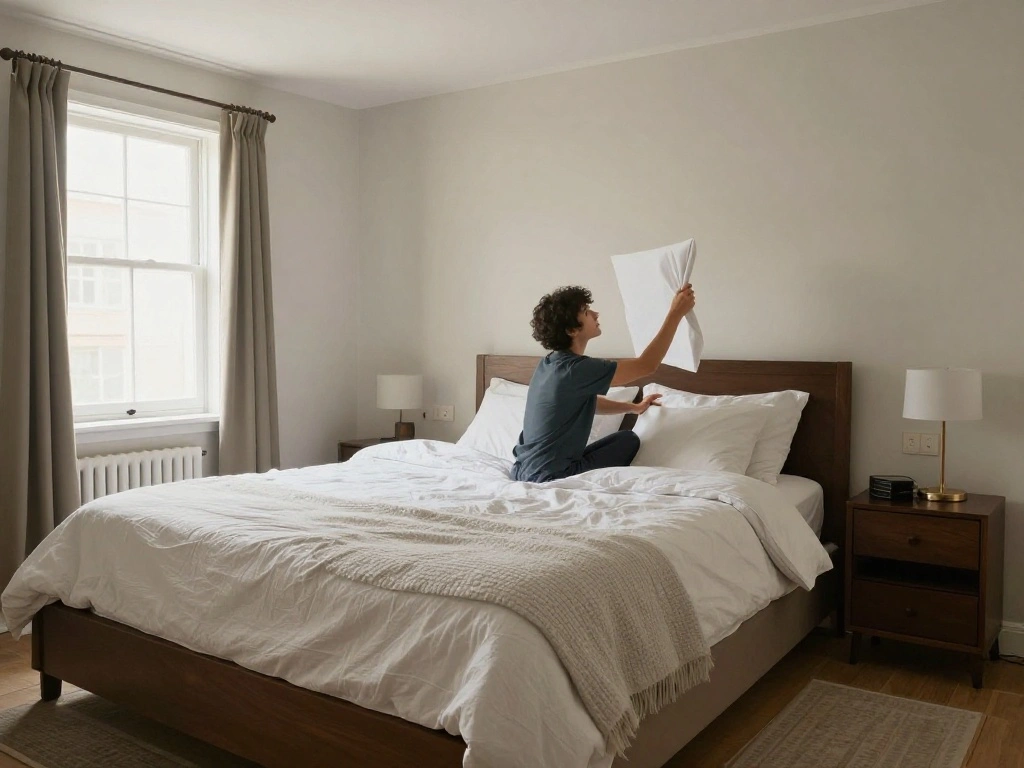
Arranging your furniture thoughtfully can maximize the space available. Follow these steps:
- Assess the size of your furniture and remove any unnecessary pieces.
- Place larger items (like the bed) against the longest wall.
- Consider floating furniture away from walls to create pathways.
Pro Tip: Use a floor plan tool to visualize different layouts before moving heavy furniture.
Why this matters: A well-planned layout can enhance flow and accessibility.
Time estimate: 30 minutes.
Be sure to leave enough space to walk around comfortably.
Step 3: Incorporate Mirrors
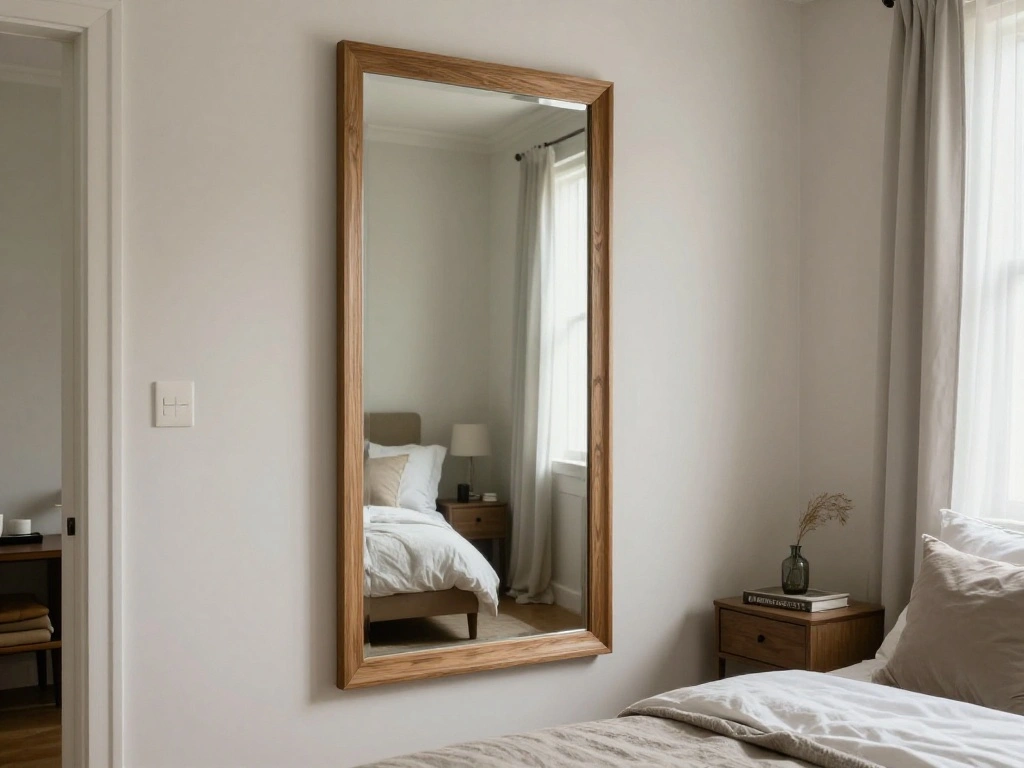
Mirrors can dramatically change how a space feels. Here’s how to use them effectively:
- Select a large mirror or multiple smaller ones.
- Position mirrors across from windows to reflect natural light.
- Hang mirrors at eye level for the best visual impact.
Pro Tip: Choose decorative mirrors that also serve as art pieces.
Why this matters: Mirrors create depth and visual interest, helping to open up your small bedroom.
Time estimate: 30 minutes.
Measure wall space before purchasing mirrors to ensure a good fit.
Step 4: Use Multi-Functional Furniture
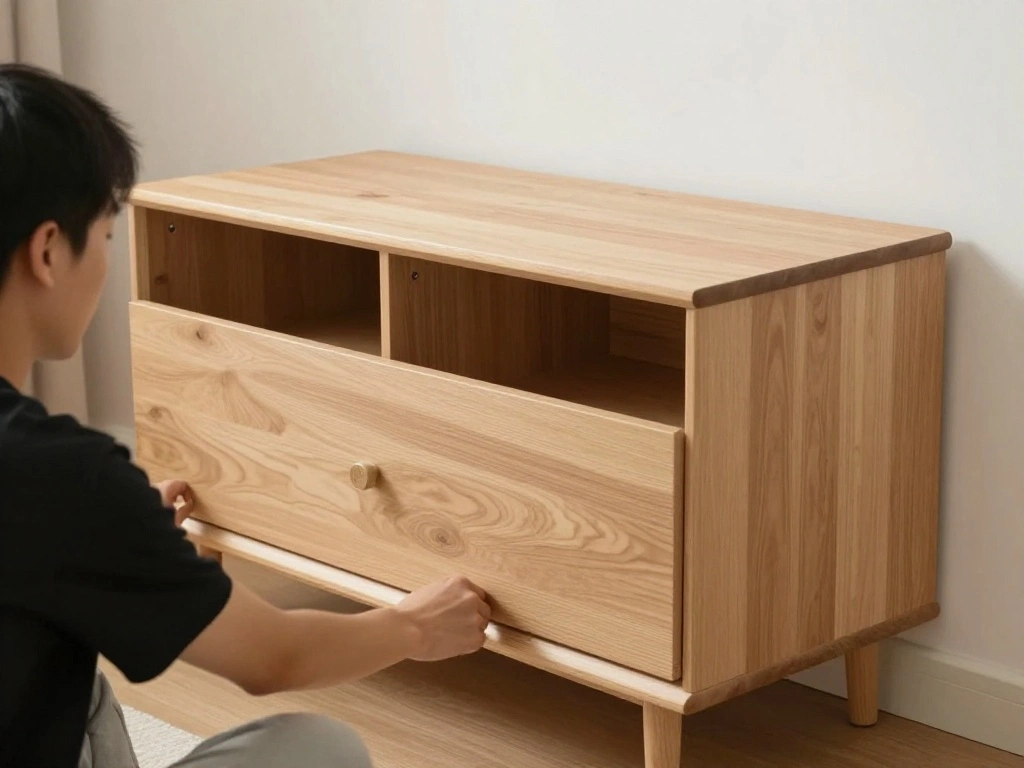
Multi-functional furniture can save space and increase functionality. Follow these steps:
- Identify your needs (e.g., storage, desk space).
- Shop for items like a storage bed or a foldable desk.
- Incorporate furniture that can serve multiple purposes (e.g., ottomans with storage).
Pro Tip: Look for furniture with built-in storage to reduce clutter.
Why this matters: Multi-functional pieces maximize utility and minimize space consumption.
Time estimate: 30 minutes.
Make sure to measure your space to ensure new furniture fits well.
Step 5: Keep Decor Minimal
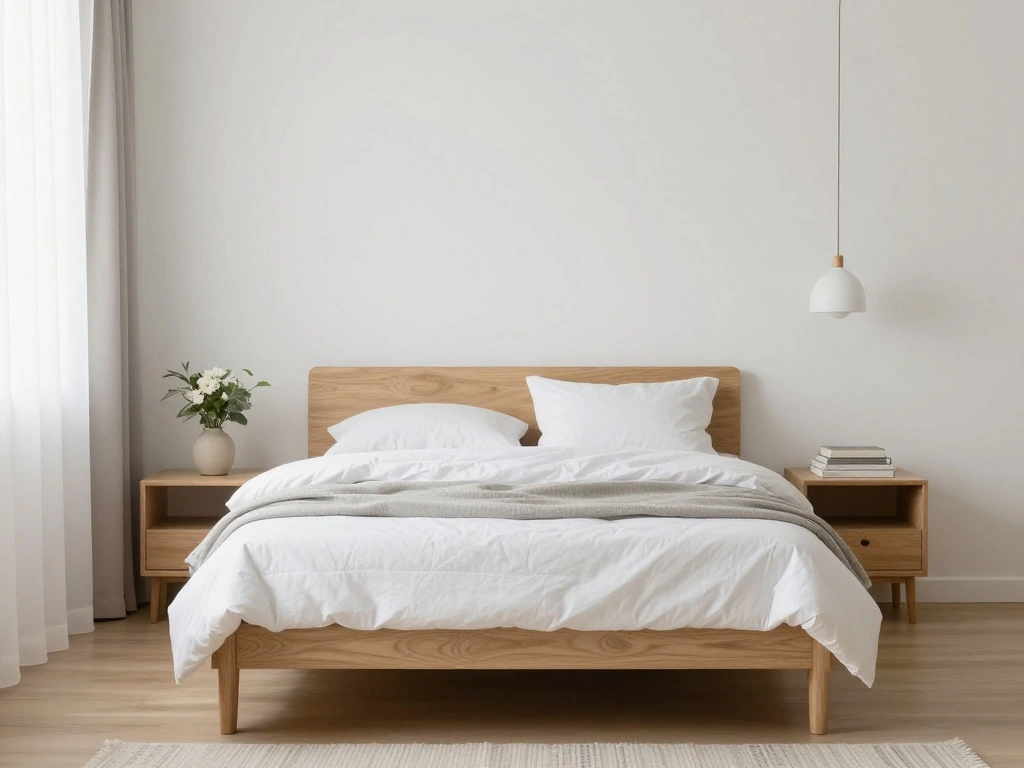
Less is more when it comes to decor in a small bedroom. Here’s how to declutter effectively:
- Choose 3-5 decorative items that you love.
- Opt for wall art instead of bulky pieces on furniture.
- Keep surfaces clear to create a clean look.
Pro Tip: Use decor that adds vertical height (e.g., tall plants).
Why this matters: A minimal approach prevents overcrowding and enhances the feeling of space.
Time estimate: 30 minutes.
Consider seasonal decor changes to keep your space fresh.
Step 6: Add Organizational Solutions
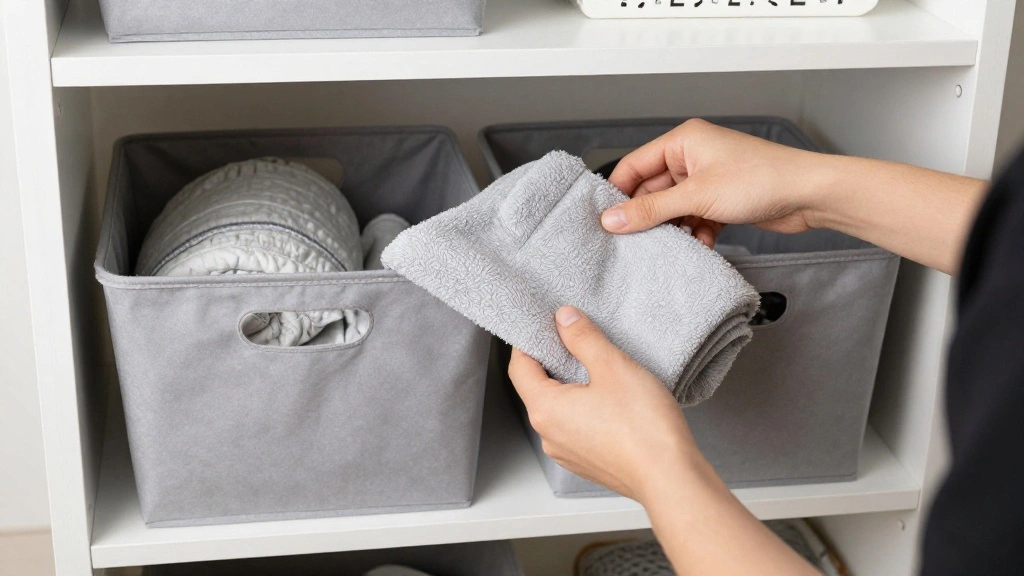
Organizing your belongings can eliminate clutter and make your room feel bigger. Follow these steps:
- Identify areas that need better organization (e.g., closets, under the bed).
- Purchase bins, baskets, or shelving units to store items.
- Label containers for easy access.
Pro Tip: Use vertical storage options to save floor space.
Why this matters: Proper organization maximizes storage and maintains a tidy appearance.
Time estimate: 30 minutes.
Make sure to regularly declutter to keep your space manageable.
Pro Tips
- Lighting: Use soft, warm lighting to create a cozy atmosphere.
- Textiles: Choose light fabrics for curtains and bedding to enhance the airy feel.
- Vertical Lines: Incorporate vertical lines in decor to draw the eye upward.
- Keep It Cohesive: Stick to a consistent color palette to create a unified look.
- Regularly Declutter: Make it a habit to remove items you no longer need.
Common Mistakes to Avoid
Warning: Overcrowding the space with furniture can make it feel smaller. To avoid this, regularly assess your furniture and remove unnecessary items.
Warning: Using dark colors can close in the space. Stick to light hues to keep the room open.
Warning: Clutter can overwhelm a small room. Make sure to implement organizational strategies to keep items stored away.
Troubleshooting Section
Problem: The room still feels cramped after rearranging furniture.
Solution: Consider removing one or two pieces of furniture to create more walking space.
Problem: The color scheme feels too stark.
Solution: Add soft textiles or warm lighting to balance the look.
Problem: Mirrors don’t reflect light as expected.
Solution: Adjust mirror placement to face windows or light sources directly.
Variations/Alternative Methods
Consider these alternatives based on your preferences:
- Use wallpaper instead of paint for added texture.
- Incorporate sliding doors for closets to save space.
- Utilize hooks and wall-mounted shelving for additional storage.
Frequently Asked Questions
Q. What is the easiest way to make a small bedroom feel bigger?
Start by reducing visual clutter and improving the furniture layout. Keep important walkways clear, remove unnecessary furniture, and use appropriately scaled pieces. Even rearranging what you already own can make the room feel more open.
Q. What colors make a small bedroom look bigger?
Light and soft colors such as warm white, cream, pale beige, light greige, and muted blue can help reflect light and create an airy feeling. You don’t have to avoid darker colors completely—a carefully placed deeper accent can add depth and character.
Q. Should I use a large or small bed in a small bedroom?
Choose a bed that meets your sleeping needs while leaving enough room for comfortable circulation. An oversized bed can overwhelm a tiny bedroom, while a streamlined frame without bulky posts or an oversized headboard can reduce visual weight.
Q. How can I add storage without making a small bedroom feel crowded?
Use overlooked spaces such as under the bed, inside nightstands, behind doors, and higher on walls. Beds with drawers, tall narrow storage, floating shelves, and multifunctional furniture can increase storage without consuming as much usable floor space.
Q. Do mirrors really make a small bedroom look bigger?
Mirrors don’t physically increase the room size, but strategically positioned mirrors can reflect light and extend sightlines, making a bedroom feel brighter and more open. Place one where it reflects an attractive part of the room or natural light rather than clutter.
Conclusion
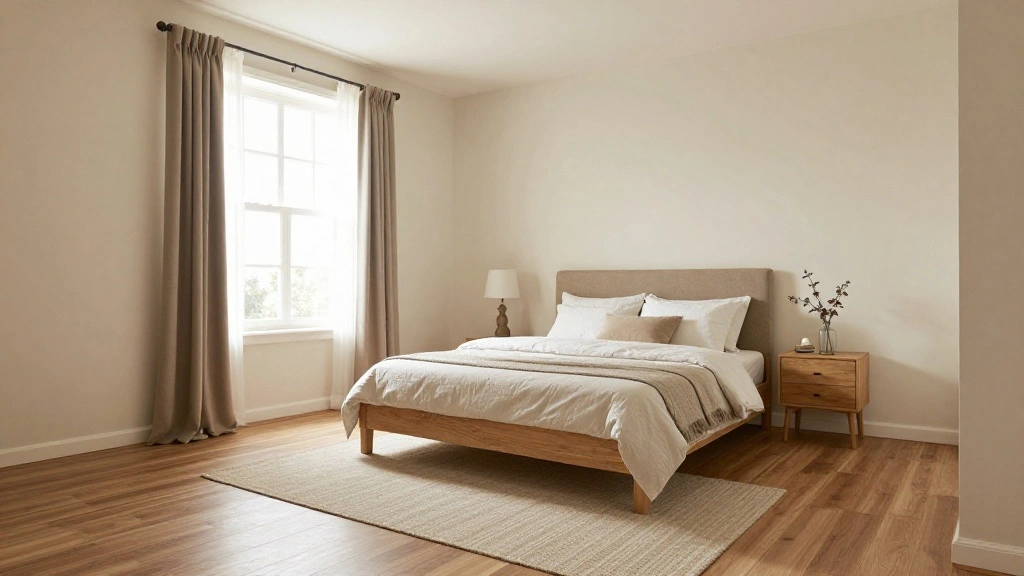
Congratulations! You’ve taken significant steps to make your small bedroom feel bigger and more inviting. By implementing these design tricks, you can enjoy a spacious retreat that reflects your style.
Next, consider exploring additional home decor resources or seeking inspiration from design blogs. Remember, every small change can lead to a more comfortable living space!
