
When I first searched how to make an ogee edge on granite, most guides made it sound scary or overly technical. After actually doing it myself, I realized it’s not about strength or fancy skills—it’s about the right tools, slow movement, and patience.
An ogee edge instantly upgrades granite countertops, making them look custom, elegant, and high-end.
If you want that luxury finish without paying a fabricator, this detailed guide will walk you through every step the right way.
- What Is an Ogee Edge on Granite?
- Is It Hard to Make an Ogee Edge on Granite?
- Tools Needed to Make an Ogee Edge on Granite
- Step 1: Prepare the Granite Edge Properly
- Step 2: Attaching the Diamond Ogee Profiling Wheel
- Step 3: Shape the Ogee Edge Using a Diamond Profiling Wheel
- Step 4: Smooth the Edge With Progressive Polishing
- Step 5: Inspect, Touch Up, and Final Polish
- Common Mistakes to Avoid When Making an Ogee Edge on Granite
- When Should You NOT DIY an Ogee Edge?
- Conclusion: Is Making an Ogee Edge on Granite Worth It?
- FAQs
What Is an Ogee Edge on Granite?
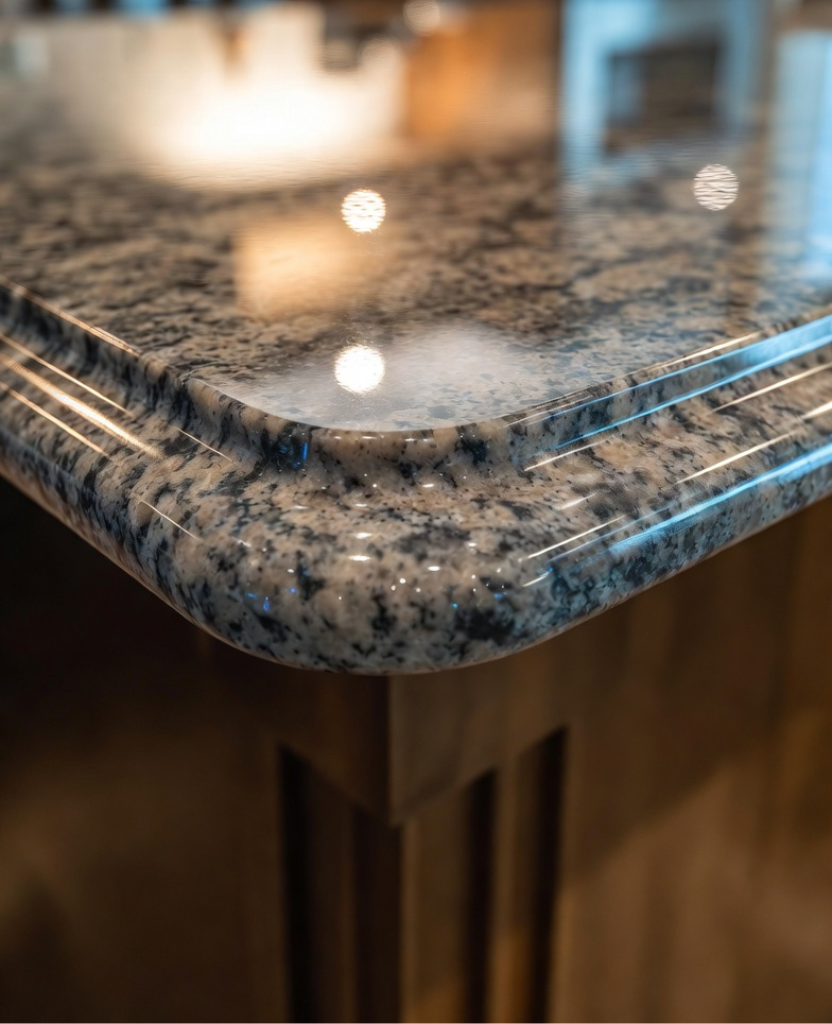
An ogee edge on granite features a smooth S-shaped curve that combines a concave and convex profile. It’s commonly used on kitchen islands, bathroom vanities, and statement countertops.
Why homeowners love ogee edges:
- Adds a classic, upscale look
- Makes granite appear thicker
- Feels smooth and comfortable to the touch
- Looks stunning in kitchen photos and Pinterest saves
Also Read: Ogee Edge Countertops: The Curvy Detail That Steals the Show
Is It Hard to Make an Ogee Edge on Granite?
Honestly? It’s not hard, but it is precise. Granite is tough, so rushing or using the wrong tools can ruin the edge. Once I slowed down and followed the correct order, the process became surprisingly smooth.
👉 If you can handle an angle grinder carefully, you can do this.
Tools Needed to Make an Ogee Edge on Granite
Having the correct tools is half the job. Granite does not forgive shortcuts.
Essential Tools
- Variable-speed angle grinder
- Diamond ogee profiling wheel (granite-specific)
- Diamond polishing pads (50, 100, 200, 400, 800, 1500, 3000 grit)
- Water source (spray bottle or hose)
- Clamps or a stable countertop surface
Safety Gear (Do Not Skip)
My personal tip: Cheap polishing pads show streaks later—invest in good diamond pads.
Step 1: Prepare the Granite Edge Properly
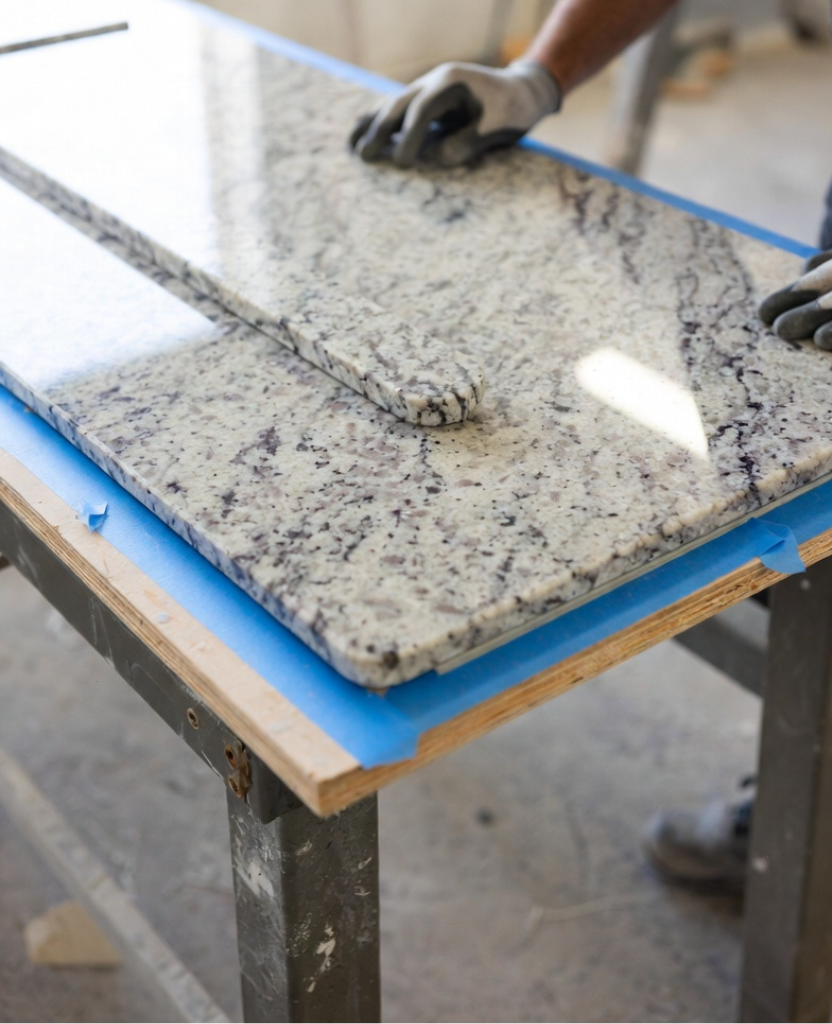
Preparation sets the foundation for a clean ogee edge.
- Clean the granite edge thoroughly
- Apply masking tape along the top surface
- Secure the slab so it doesn’t move
- Mark the edge line if needed
Skipping prep caused uneven curves the first time I tried—lesson learned.
Also Read: 19 stunning Ogee Edge Countertops for Home Bars
Step 2: Attaching the Diamond Ogee Profiling Wheel
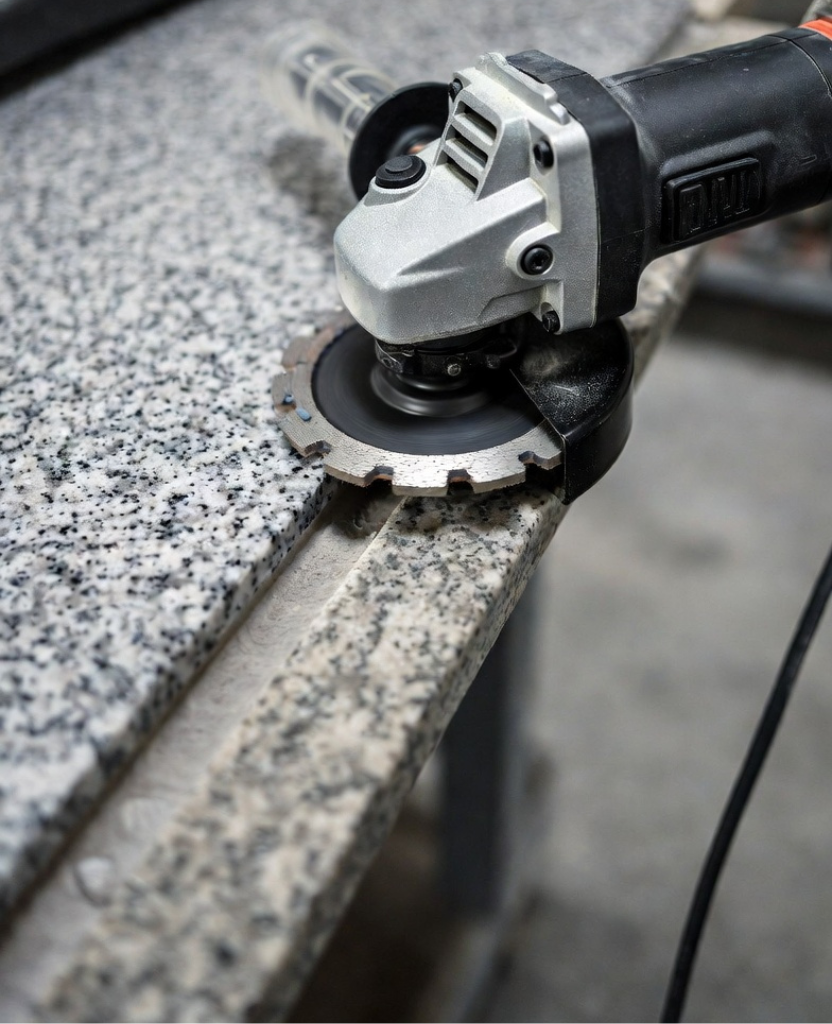
Before shaping the granite, attaching the diamond ogee profiling wheel correctly is critical. I always make sure the grinder is unplugged, then securely tighten the ogee wheel according to the manufacturer’s directions.
The wheel should sit straight with no wobble—this ensures a smooth, even ogee curve. Using a granite-specific diamond profiling wheel is non-negotiable because regular blades can chip or crack the stone.
Once attached, I set the grinder to a moderate speed and test it briefly before touching the granite.
Also Read: 19 Stunning Ogee Edge Countertops That Will Transform Your Kitchen
Step 3: Shape the Ogee Edge Using a Diamond Profiling Wheel
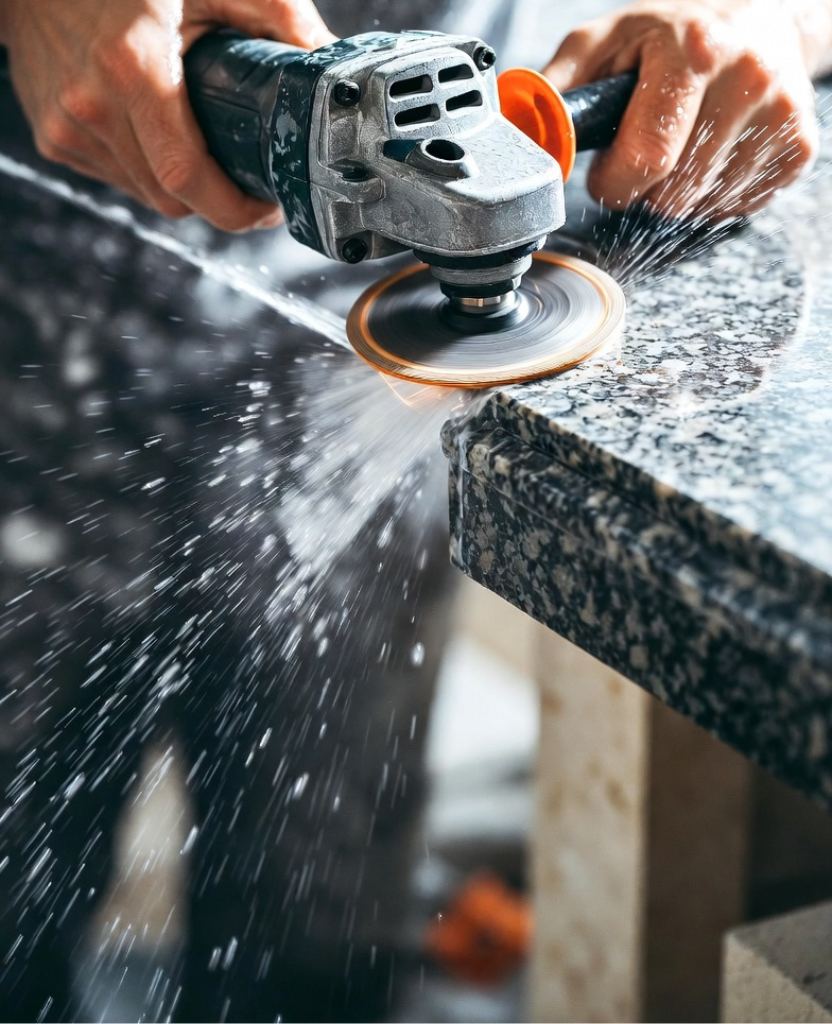
This is the most important step in how to make an ogee edge on granite.
- Attach the ogee profiling wheel to your grinder
- Set the grinder to a moderate speed
- Start from one end and move slowly
- Apply light, even pressure
- Keep water flowing continuously
⚠️ Never force the wheel—granite chips when rushed.
Also Read: 7 Steps to Installing an Ogee Edge on Quartz Countertops!
Step 4: Smooth the Edge With Progressive Polishing
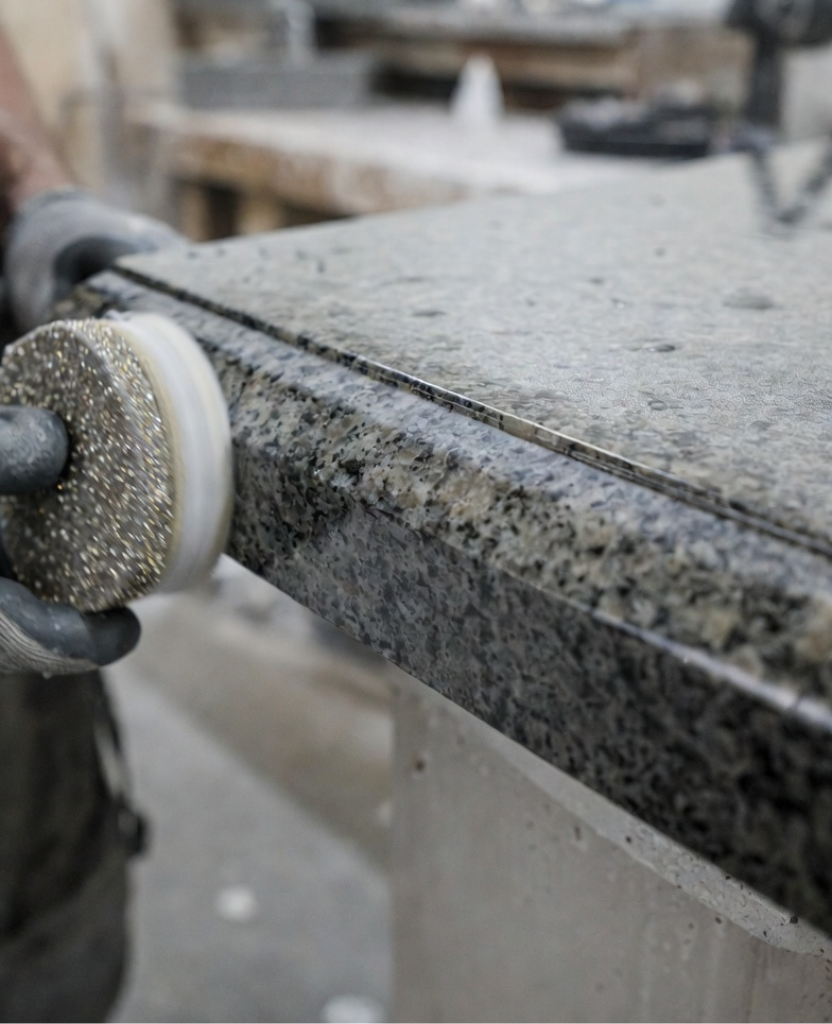
After profiling, the edge will look rough and cloudy. Polishing transforms it.
Correct Polishing Order (Never Skip Grits)
- 50 grit – removes deep scratches
- 100 grit – evens the profile
- 200 grit – smooths curves
- 400 grit – pre-shine stage
- 800 grit – visible smoothness
- 1500 grit – semi-gloss
- 3000 grit – high-gloss finish
Rinse the edge between each grit to avoid cross-scratching.
Step 5: Inspect, Touch Up, and Final Polish
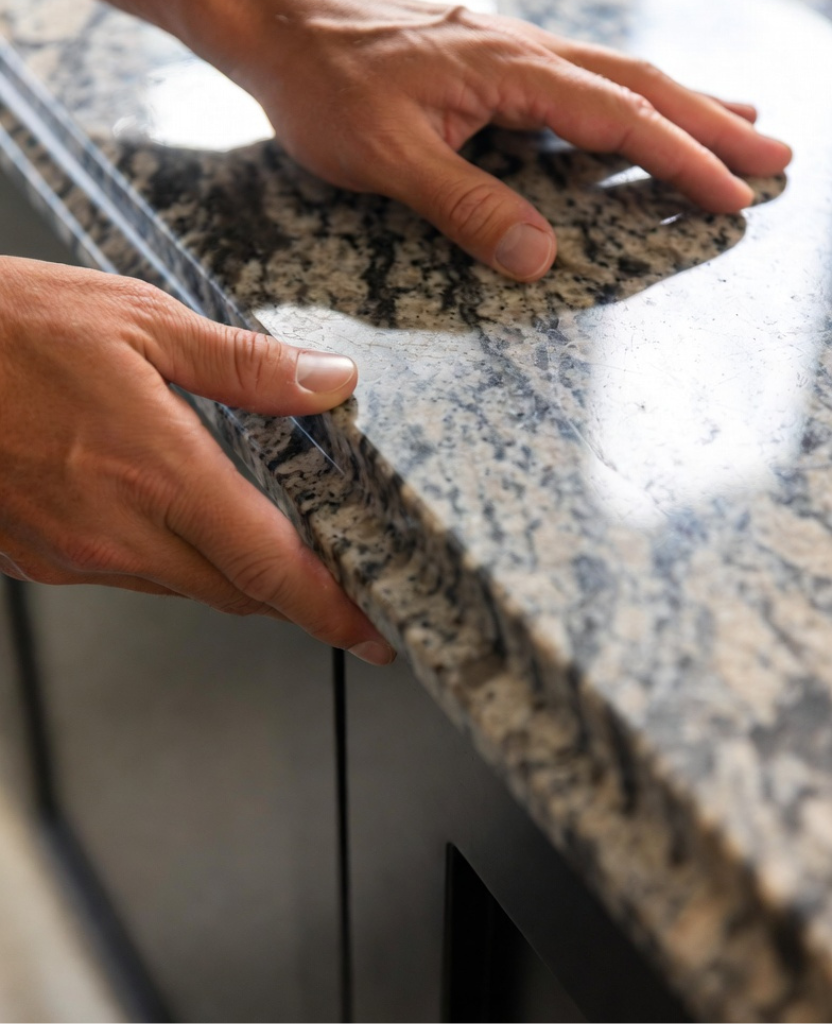
Run your hand along the edge:
- Check for flat spots
- Look for dull areas
- Re-polish sections if needed
A perfect ogee edge should feel buttery smooth and reflect light evenly.
Common Mistakes to Avoid When Making an Ogee Edge on Granite
I’ve made these—so you don’t have to.
- Using too much pressure
- Skipping polishing steps
- Working without water
- Moving the grinder too fast
- Using non-granite tools
Patience is what separates a DIY look from a professional finish.
When Should You NOT DIY an Ogee Edge?
You may want a professional if:
- The slab is extremely expensive
- You need multiple long edges
- You don’t have access to proper tools
For a single island or vanity edge, DIY is totally worth it.
Conclusion: Is Making an Ogee Edge on Granite Worth It?

After doing it myself, I can confidently say yes. Learning how to make an ogee edge on granite saves money, builds confidence, and delivers a luxury result when done correctly. With the right tools, slow movement, and full polishing steps, you can achieve a countertop edge that looks professionally fabricated.
If you love hands-on projects and want your granite to stand out, this is one upgrade you won’t regret.
FAQs
Q. Can beginners make an ogee edge on granite?
Yes. Beginners can do it successfully by practicing on scrap granite and following each step slowly.
Q. What tool is required to make an ogee edge on granite?
A diamond ogee profiling wheel designed specifically for granite is essential.
Q. How long does it take to make an ogee edge?
On average, 1–2 hours per edge, including shaping and polishing.
Q. Is water necessary when shaping granite?
Absolutely. Water prevents overheating, reduces dust, and protects the stone.
Q. Does an ogee edge increase countertop value?
Yes. Ogee edges are considered premium and can enhance both aesthetics and resale appeal.
