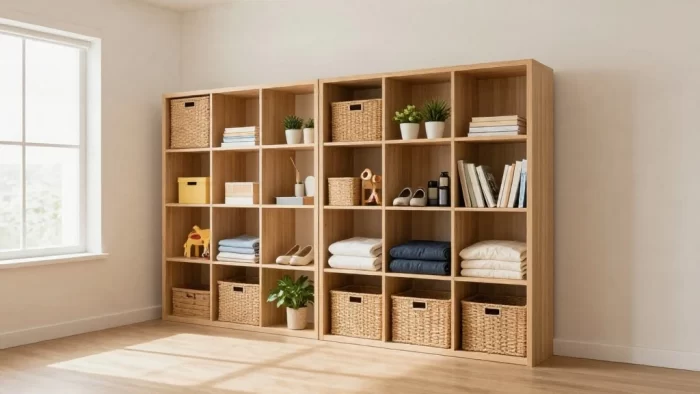
That awkward corner filled with toys, books, and random household items? It might be the perfect spot for a simple storage makeover!
Cube Storage Ideas can turn cluttered spaces into organized, beautiful areas without expensive furniture or major renovations.
One design trick I especially like is mixing woven baskets with open display cubes. You can hide everyday clutter while showing off your favorite books, plants, or decorative pieces.
From small living room storage solutions to kids’ toy organization and stylish bedroom shelving, cube organizers offer plenty of possibilities.
Whether you’re working with a tiny apartment or a busy family home, these practical ideas can help every square foot work harder.
- 1. Build Upward With a Slim Cube Storage Tower
- Build Upward With a Slim Cube Storage Tower
- Cube Storage Organizer with Storage Bins Included – The Perfect Closet O…
- AWTATOS Cube Storage Organizer, 16 Cube Closet Organizer, White
- AWTATOS 12 Cube Storage Organizer, Closet Organizer Storage Shelves, White
- C&AHOME 16 Cube Storage Organizer Cube Shelves Units Storage Cubes, Black
- SONGMICS 16 Cube Storage Organizer,Plastic stackable cube shelf
- Build Upward With a Slim Cube Storage Tower
- 2. Turn a Cube Unit Into a Window Seat Bench
- 3. Create a Mini Staircase for Shoes and Bags
- 4. Make an Entryway Drop Zone That Actually Stays Tidy
- 5. Use Cube Storage as a Tiny Closet System
- 6. Lift the Clutter Off the Floor With Under-Bed Cubes
- Lift the Clutter Off the Floor With Under-Bed C…
- Under Bed Storage Container Bins 2 Pack, Low Profile Foldable Underbed C…
- 2pcs Under Bed Breathable Fabric Storage Organizer Bins with 3-side Zip Lid
- AARAINBOW 2 Packs Foldable Under Bed Clothes Organizer with Lids, Low Pr…
- OIAHOMY 2 Pack 53L Under Bed Storage with Adjustable Dividers, 6" Low Pr…
- LotFancy Under Bed Storage Bags with Clear Window & Handles, 24” x 16” x 6"
- Lift the Clutter Off the Floor With Under-Bed C…
- 7. Add a Cube Hutch to a Small Home Office
- Add a Cube Hutch to a Small Home Office
- Tangkula Desktop Bookshelf, 37" Countertop Storage Hutch with 7 Cubes & …
- GIANTEX Desktop Bookshelf, Desk Hutch Dorm w/ 7 Cubes & 3 Adjustable She…
- GOFLAME Desk Hutch Dorm White, 4 Cubes Desktop Bookshelf, 37” Wood Table…
- 3-Tier Desktop Bookshelf, 23.5" Desk Hutch with 8 Cubes
- MAT EXPERT Wooden Desktop Bookshelf, Countertop Desk Hutch w/ 7 Cubes & …
- You might also like
- Add a Cube Hutch to a Small Home Office
- 8. Put Cube Storage on Casters for Flexible Rooms
- 9. Hide a Fold-Down Workstation Inside Cube Storage
- 10. Use Color Zones Without Making the Room Loud
- 11. Wrap Cubes Around a Corner for Extra Capacity
- 12. Build a Toy Rotation Station That Cuts the Mess
- 13. Turn Cubes Into a Compact Pantry Wall
- 14. Organize Bathroom and Laundry Supplies in One Grid
- 15. Mix Open Display Cubes With Hidden Bins
- Mix Open Display Cubes With Hidden Bins
- UBBCARE Set of 4 Storage Cubes-11 X 10.5 X 10.5 In, Cotton Rope Basket f…
- Fabric Storage Cubes Storage Bins with Dual Leather Handles, 4 Pack Cube…
- 13 Inch Cube Storage Bins, 3 Pack Cotton Rope Woven Baskets for Organizi…
- 11x11x11 Cube Storage Bins Set of 4, Wicker Baskets for Shelves, Natural
- Storage Baskets, 11-Inch Woven Fabric Bins, Storage Cubes with Reinforce…
- Mix Open Display Cubes With Hidden Bins
- 16. Divide a Studio Without Building a Wall
- Divide a Studio Without Building a Wall
- ECR4Kids 3-2-1 Double-Sided Tiered Cube Storage Organizer, White Wash
- Fencer Wire 13-Inch Cube Storage Organizer Shelf, with Extra Thick Exter…
- CAPHAUS Sturdy Room 13-Inch Cube Storage Organizer Shelf, with Extra Thi…
- CAPHAUS Sturdy Room 8-Cube Storage Organizer Shelf with Extra Thick Exte…
- Fencer Wire 8-Cube Storage Organizer Shelf with Extra Thick Exterior Edg…
- Divide a Studio Without Building a Wall
- 17. Finish With a Ceiling-Height Modular Storage Wall
- Conclusion: Let the Cubes Do the Heavy Lifting
- Frequently Asked Questions
1. Build Upward With a Slim Cube Storage Tower
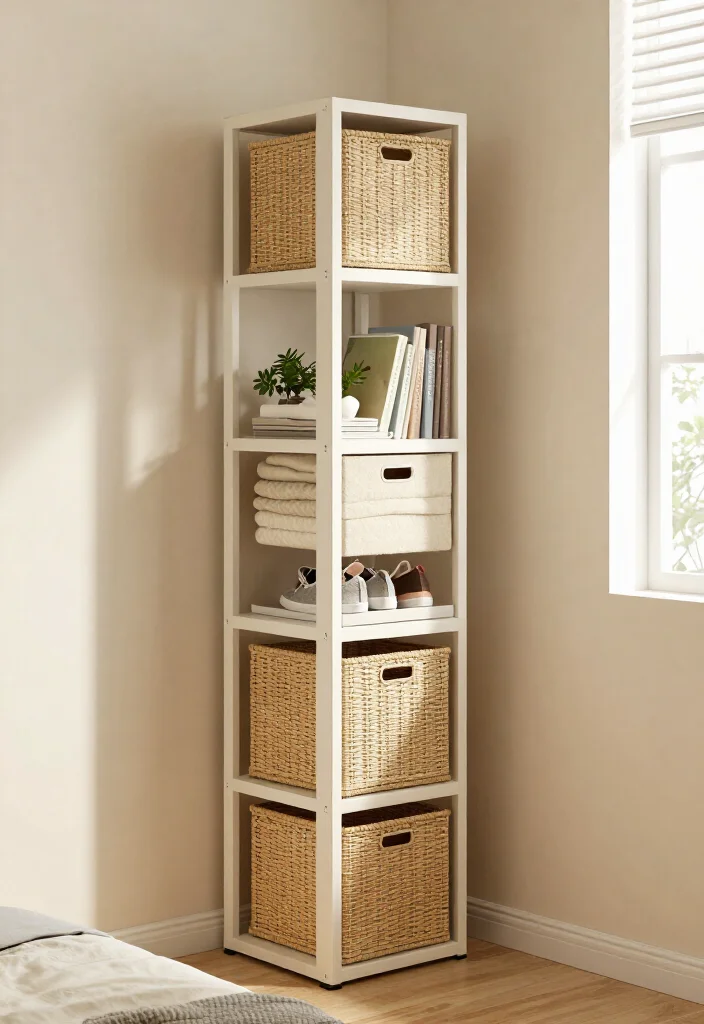
When floor space feels tight, a slim cube tower lets you store upward instead of outward. Its narrow shape fits beside a dresser, sofa, or doorway without blocking movement.
Use lower cubes for shoes and folded blankets, middle sections for books and daily items, and upper spaces for seasonal belongings. This vertical approach keeps small rooms feeling open.
Mix open compartments with fabric bins for a calmer look. Choose baskets with handles, leave a few cubes empty, and anchor the tower securely to a wall. Affordable bins from discount stores can create a coordinated finish without replacing the entire unit.
Try these simple moves:
– Pair lower cubes with sturdy baskets for heavier items
– Keep daily essentials between waist and shoulder height
– Anchor tall units with proper wall hardware
A slim tower adds order without stealing valuable floor area. Open space and woven textures keep the arrangement light.
Build Upward With a Slim Cube Storage Tower
Editor’s Choice




2. Turn a Cube Unit Into a Window Seat Bench
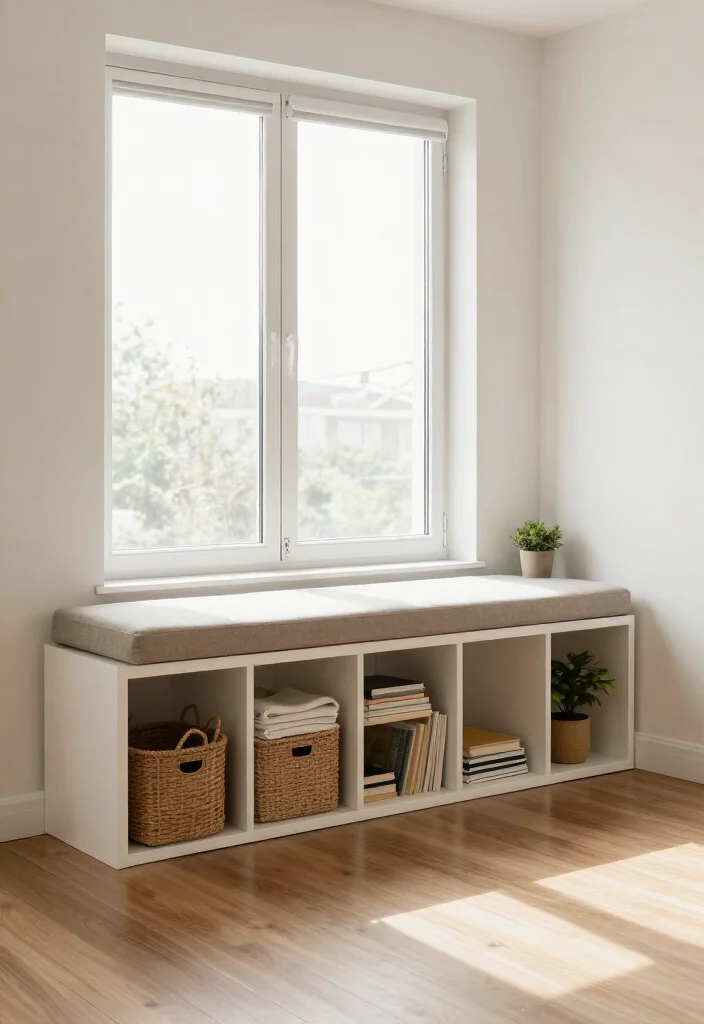
A low cube unit can become a cozy window seat when topped with a firm cushion. You gain hidden storage for blankets, books, shoes, and seasonal items while creating a comfortable spot for reading or morning coffee.
The combination works especially well in bedrooms and living rooms where every piece needs to serve more than one purpose.
Choose a unit rated for horizontal use, then add a fitted cushion and washable pillow covers. Check clearance around radiators, curtains, and heaters before placing it beneath a window. Baskets hide clutter, while one open cube keeps favorite books within easy reach.
Use these practical touches:
– Add a washable cushion cover for everyday comfort
– Store blankets inside lidded baskets to reduce dust
– Leave one cube open for quick, temporary drops
This arrangement creates useful seating without built-in carpentry. Soft fabric, natural baskets, and warm wood tones make the corner feel welcoming.
3. Create a Mini Staircase for Shoes and Bags
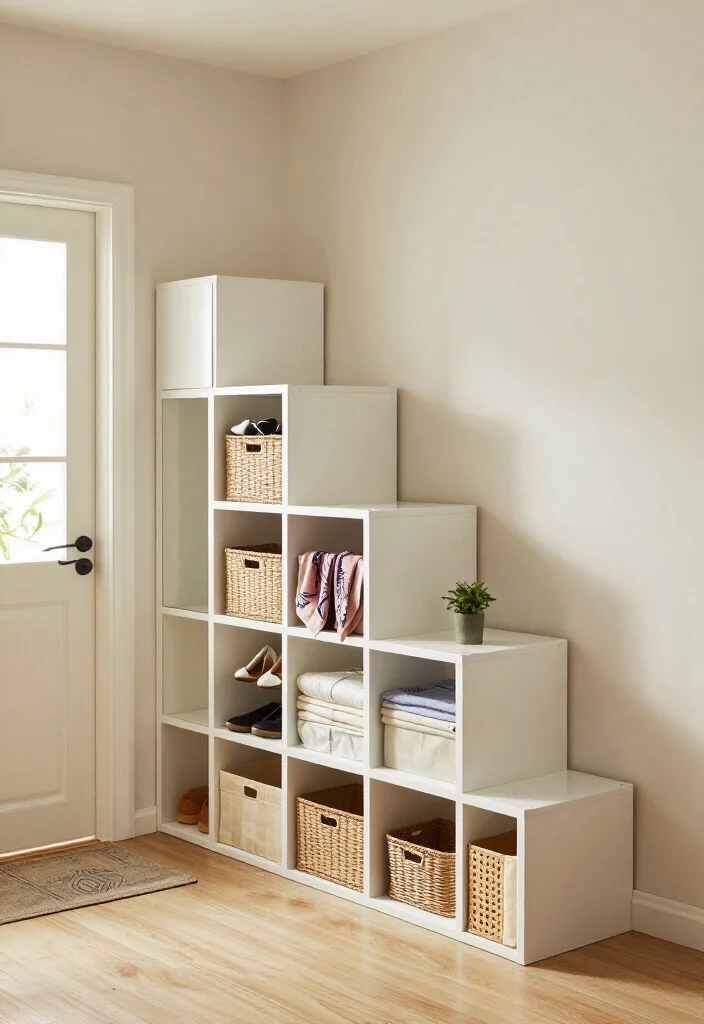
Stacking cube units at different heights can turn an unused corner into a practical landing zone. The stepped shape makes shoes, handbags, and daily accessories easy to reach while adding visual interest to a narrow entryway.
It also works beneath stairs or along a short bedroom wall where a tall cabinet would feel too heavy.
Reserve the lowest cubes for shoes and heavy totes, then use upper sections for lighter bags and small baskets.
Add a washable tray for muddy footwear, and never let anyone climb ordinary cube shelves unless they are designed for that use. Keep the top surface nearly clear for keys or one small plant.
Build a more useful setup:
– Place everyday shoes in the lowest accessible cube
– Use baskets for gloves, hats, and sunglasses
– Add felt pads to protect floors and prevent sliding
Varying heights make storage feel less bulky. Woven baskets and a small mirror can make the entry feel finished.
4. Make an Entryway Drop Zone That Actually Stays Tidy
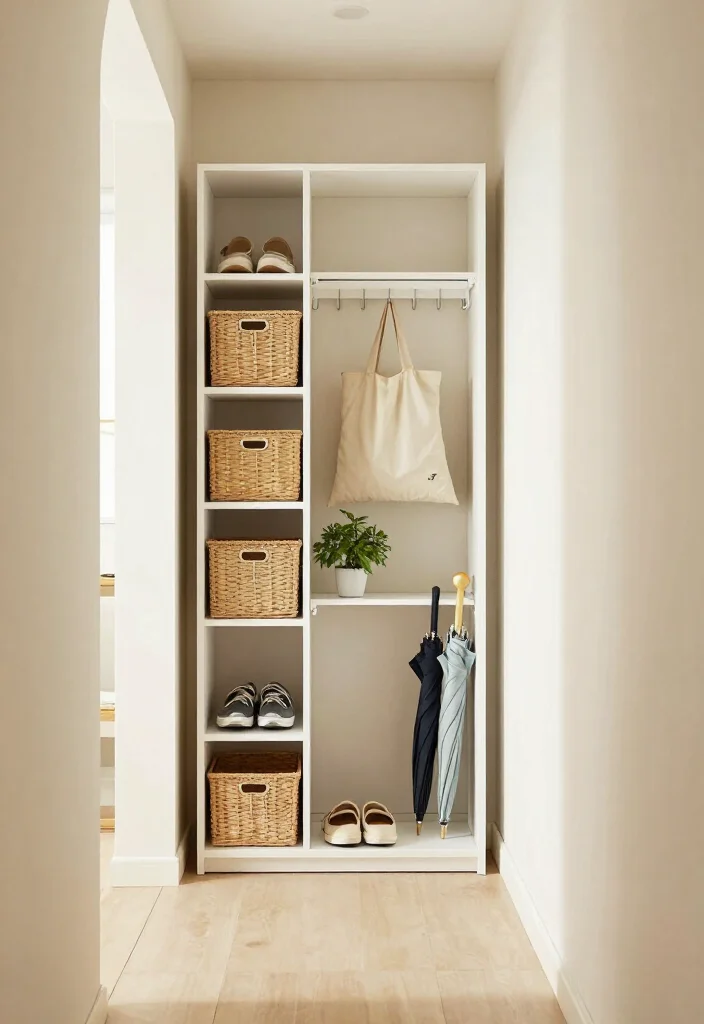
A cube unit near the door gives every entryway essential a visible home. Shoes, mail, umbrellas, tote bags, and pet supplies each get their own compartment instead of disappearing into one crowded basket.
This simple division reduces daily clutter and keeps the floor clear in a small apartment.
Choose a narrow unit that sits flush against the wall without narrowing the walkway. Keep open cubes for items you grab often, then use fabric bins for less attractive supplies.
Add hooks above the unit and a shallow tray on top for keys, but skip fragile decorations in busy areas.
Keep the drop zone easy to maintain:
– Assign one lower cube to everyday shoes
– Place mail in a single shallow tray
– Use one basket for small personal items
Visible categories make tidying almost automatic. Wood finishes, neutral baskets, and a small lamp add warmth without crowding the entrance.
5. Use Cube Storage as a Tiny Closet System
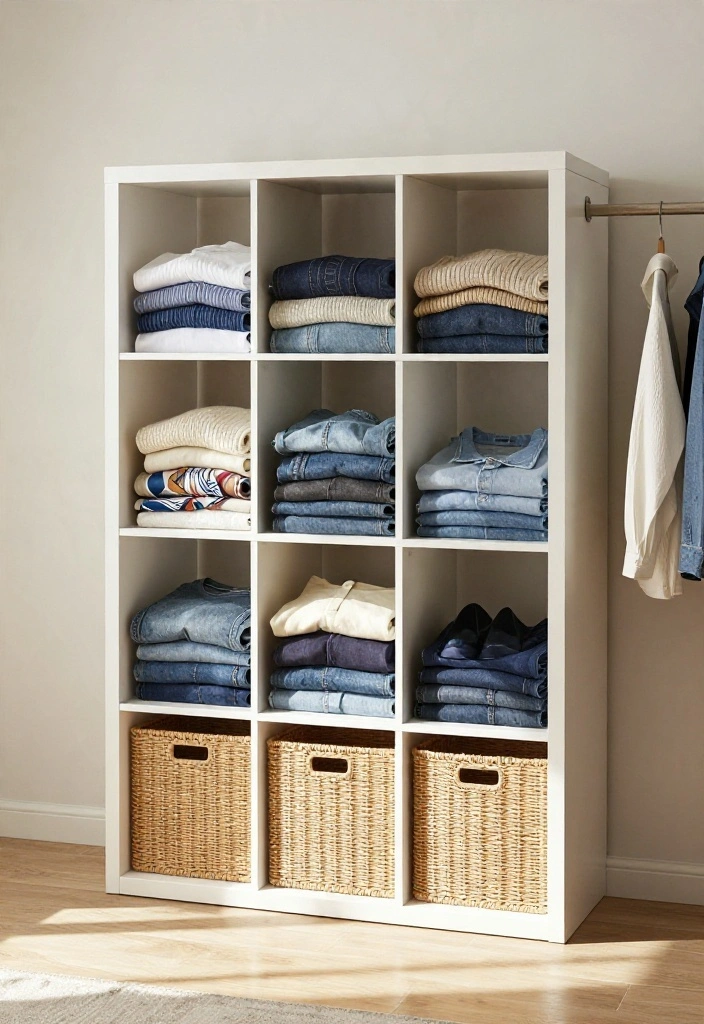
When a closet feels cramped or does not exist, cube storage can create a compact clothing system.
Use open sections for folded jeans, sweaters, and shirts, then reserve bins for socks, scarves, and underwear. A slim clothing rail above the unit adds hanging space without the depth of a full wardrobe.
Keep daily basics between waist and shoulder height, and place seasonal items in closed bins on the top or bottom rows.
Sort clothing before filling the unit, because tightly packed cubes make laundry harder to put away. Neutral baskets and matching hangers reduce visual noise in a bedroom.
Make the system easier to use:
– Fold clothing to fit each cube’s height
– Store accessories inside one small handled basket
– Leave one section open for laundry overflow
Open storage keeps your wardrobe visible and easier to edit. Cotton bins and natural wood add softness to the practical layout.
6. Lift the Clutter Off the Floor With Under-Bed Cubes
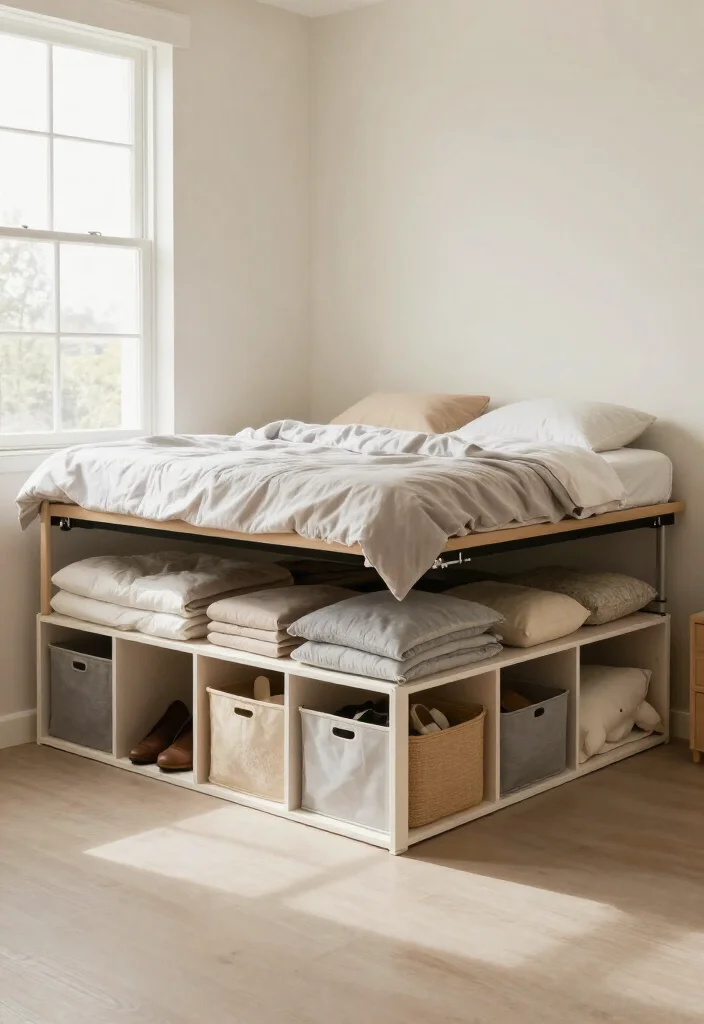
The space beneath your bed can hold extra bedding, shoes, luggage, and seasonal clothing without using visible floor area.
Low cube boxes or modular units make those belongings easier to sort than one oversized storage bag. This hidden solution helps bedrooms feel cleaner while reducing the need for a bulky dresser.
Measure the height, width, and depth under the bed before shopping, leaving room for handles and movement.
Choose breathable fabric bins for linens and lidded containers for dust-sensitive items. Store rarely used luggage toward the back, while spare sheets should stay near the foot of the bed.
Make hidden storage easier to reach:
– Add pull tabs or handles to every container
– Keep soft bedding in breathable fabric bins
– Leave clearance for cleaning and airflow
Removing clutter from sight creates instant calm. Soft fabric, smooth casters, and tidy labels make this forgotten space feel intentional.
Lift the Clutter Off the Floor With Under-Bed C…
Editor’s Choice




7. Add a Cube Hutch to a Small Home Office
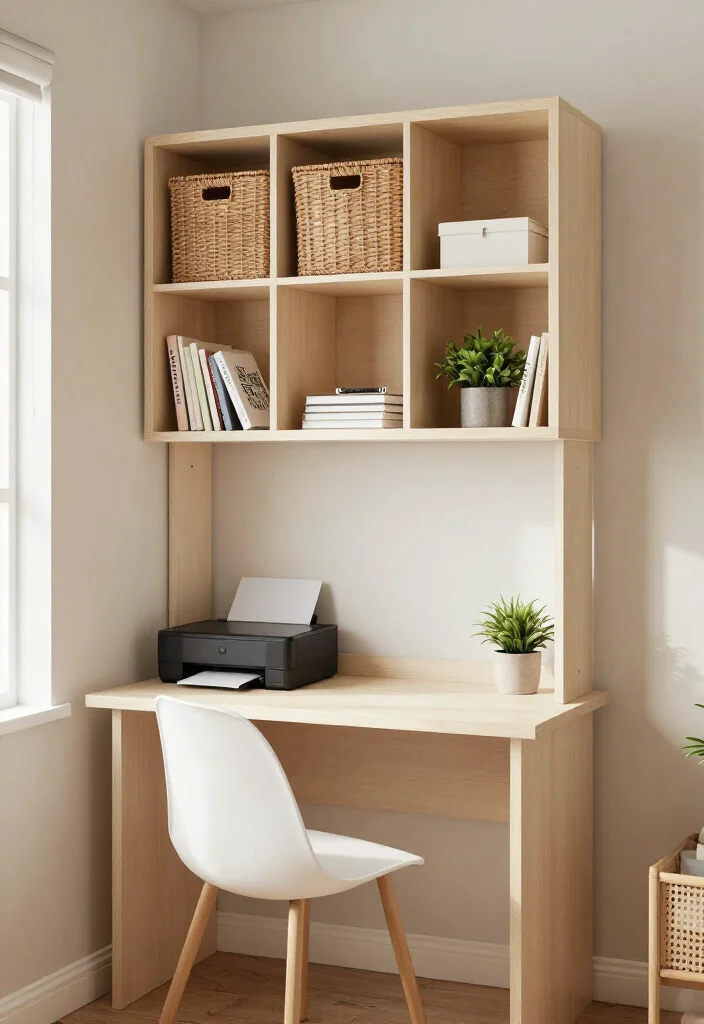
A cube hutch turns a small desk into a complete work zone without consuming more floor space. Use the compartments for notebooks, files, printer paper, chargers, and baskets of supplies.
Vertical storage keeps the desktop clear, which helps a bedroom corner or living room office feel focused instead of crowded.
Place everyday tools at arm height and heavier equipment on sturdy lower shelves. Hide spare cords and paperwork inside fabric bins, then guide cables along the back edge with clips or a cable box. Leave ventilation around printers and other warm devices for safer use.
Keep the work area practical:
– Reserve one cube for current projects
– Store backup supplies inside a closed bin
– Add a plant to soften the office corner
A tidy hutch creates a strong vertical line and frees your desk for actual work. Wood, woven baskets, and one green plant add comfort.
Add a Cube Hutch to a Small Home Office
Editor’s Choice


You might also like


8. Put Cube Storage on Casters for Flexible Rooms
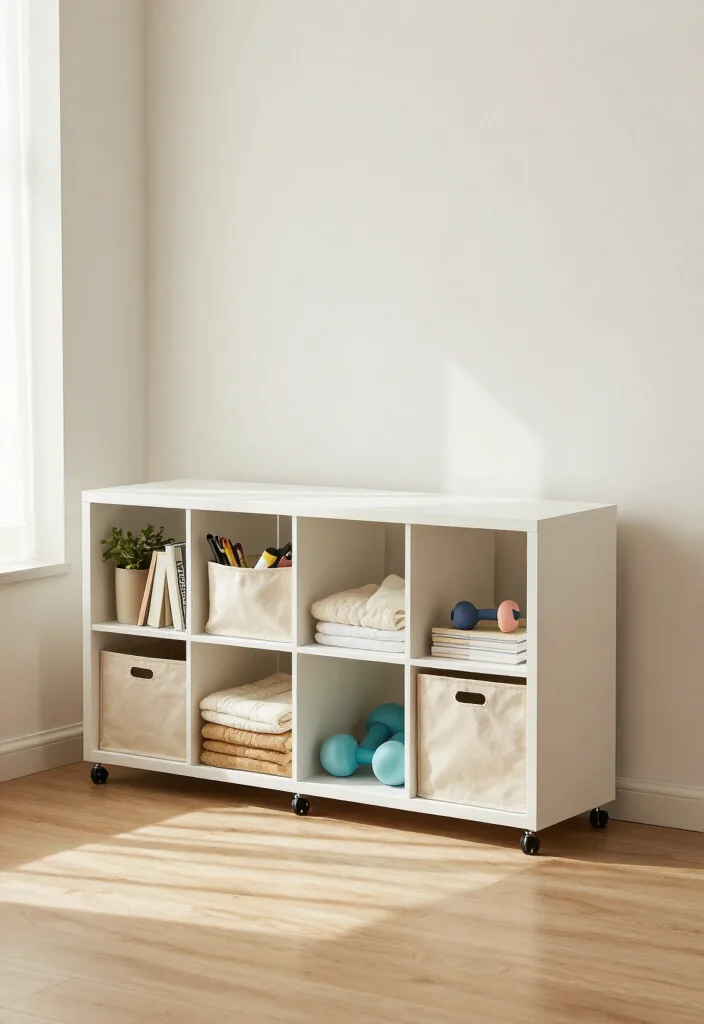
Cube storage on casters can change with your room throughout the day. Roll it beside a desk as a supply cart, move it near a workout area, or use it as a craft station in a studio apartment. This flexibility keeps one piece useful when the room must serve several purposes.
Choose sturdy locking casters rated for the unit’s weight and your floor type. Keep heavy objects low and centered, then use fabric bins to stop small items from shifting during movement. Test the cart on wood, tile, and rugs before filling every compartment.
Make mobile storage safer:
– Install locking casters on at least two corners
– Group supplies by activity for faster setup
– Check doorways and outlets before rolling it
Portable storage suits renters and busy households. Smooth wheels, canvas bins, and a low profile keep the room adaptable without making it feel temporary.
9. Hide a Fold-Down Workstation Inside Cube Storage
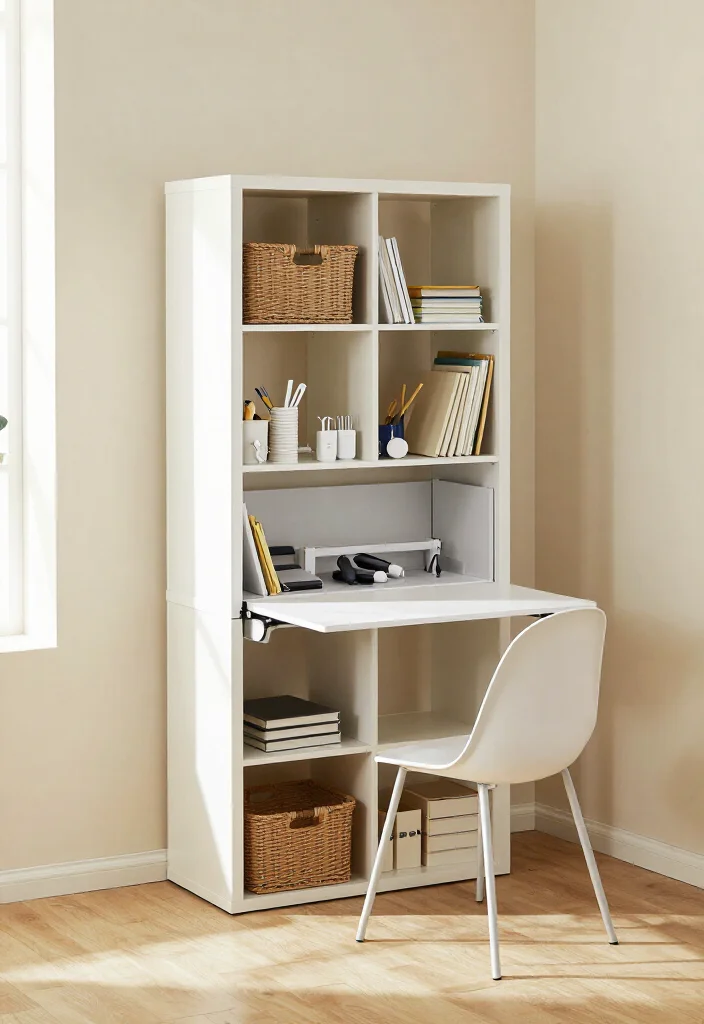
A fold-down desk paired with cube storage gives you a workspace that disappears after hours. The cubes hold books, notebooks, chargers, and files, while a hinged desktop opens when needed and closes flat afterward. This setup helps studio apartments and bedroom offices separate work time from rest time.
Use hardware rated for the desktop’s weight, secure the unit properly, and check the desk height before installation. Keep a clear chair path and route cords through a cable channel so nothing catches when the panel closes. A freestanding unit may suit renters better than a wall-mounted design.
Keep the hidden office simple:
– Store current supplies in nearby baskets
– Route cords through a safe cable channel
– Choose a chair that slides away completely
The desk disappears, but the organization remains. Smooth wood, soft bins, and a small task lamp make the compact workspace feel welcoming.
10. Use Color Zones Without Making the Room Loud
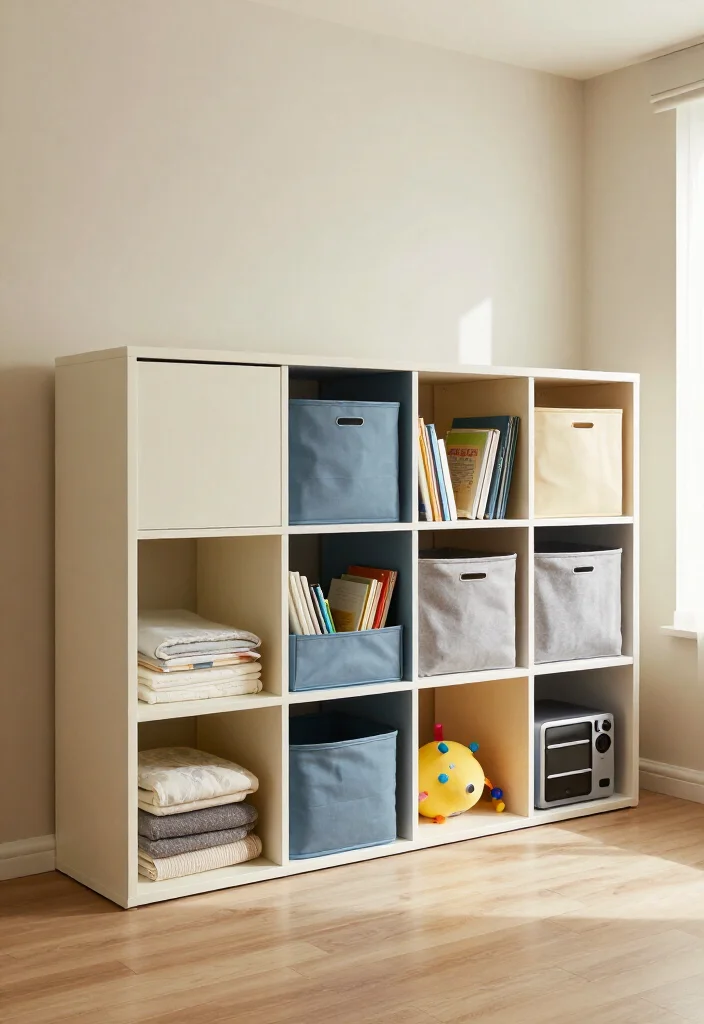
Soft color zones can make cube storage easier to understand without making a small room feel busy. Use cream bins for linens, muted blue for office supplies, and warm gray for electronics or toys. The colors become quick visual cues, helping everyone return items to the right place.
Start with containers you already own, then group similar shades instead of buying a complete matching set. Keep the unit and walls neutral, and place darker bins lower so the arrangement feels balanced. Opaque fabric hides visual clutter, while clear boxes work well for items you need to see.
Try these gentle color rules:
– Match baskets to nearby rugs or curtains
– Choose one accent color for children’s supplies
– Keep the top row in lighter shades
A controlled palette makes storage feel like part of the decor. Canvas, felt, and woven textures keep the color scheme soft.
11. Wrap Cubes Around a Corner for Extra Capacity
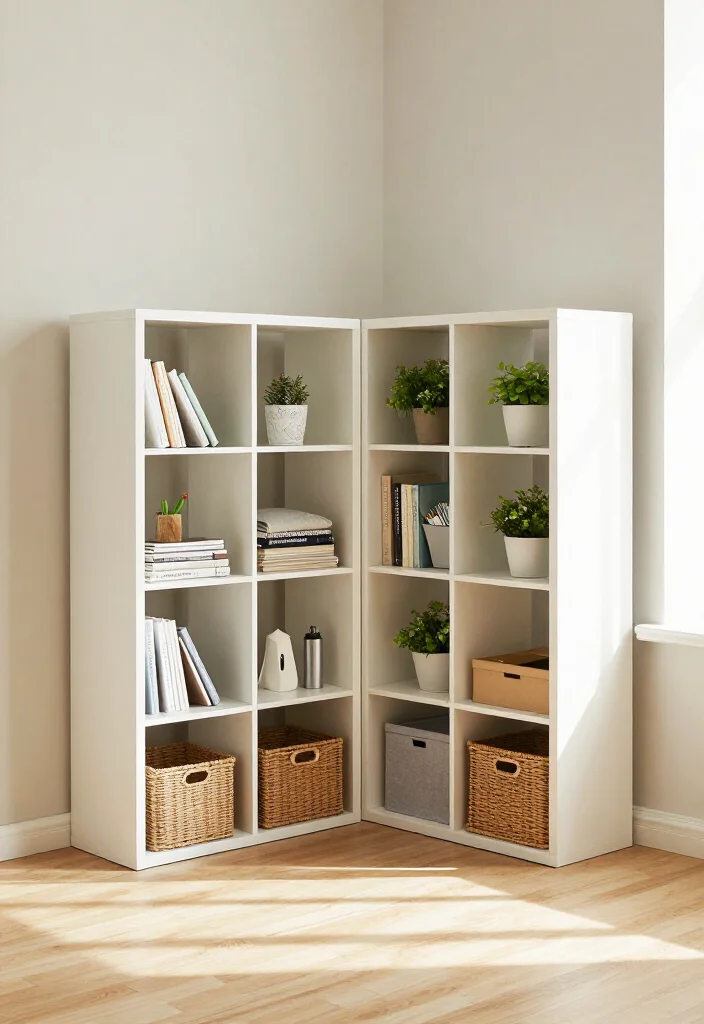
An L-shaped arrangement can turn an awkward corner into a useful storage wall. Place one cube unit along the longer wall and another along the shorter side, creating space for books, baskets, plants, and folded items. This layout adds capacity without pushing a large cabinet into the center of the room.
Use the hardest-to-reach corner for seasonal belongings and keep daily items in front-facing cubes. Match the finishes so both units look connected, and mark the footprint with painter’s tape before buying. Leave room for baseboards, cleaning, and the main walkway.
Plan the corner carefully:
– Measure both walls before choosing unit sizes
– Place heavy books on lower cubes
– Keep daily supplies near the open side
The arrangement frames a desk, chair, or media area beautifully. Natural wood, matching baskets, and a small lamp make the corner feel purposeful.
12. Build a Toy Rotation Station That Cuts the Mess
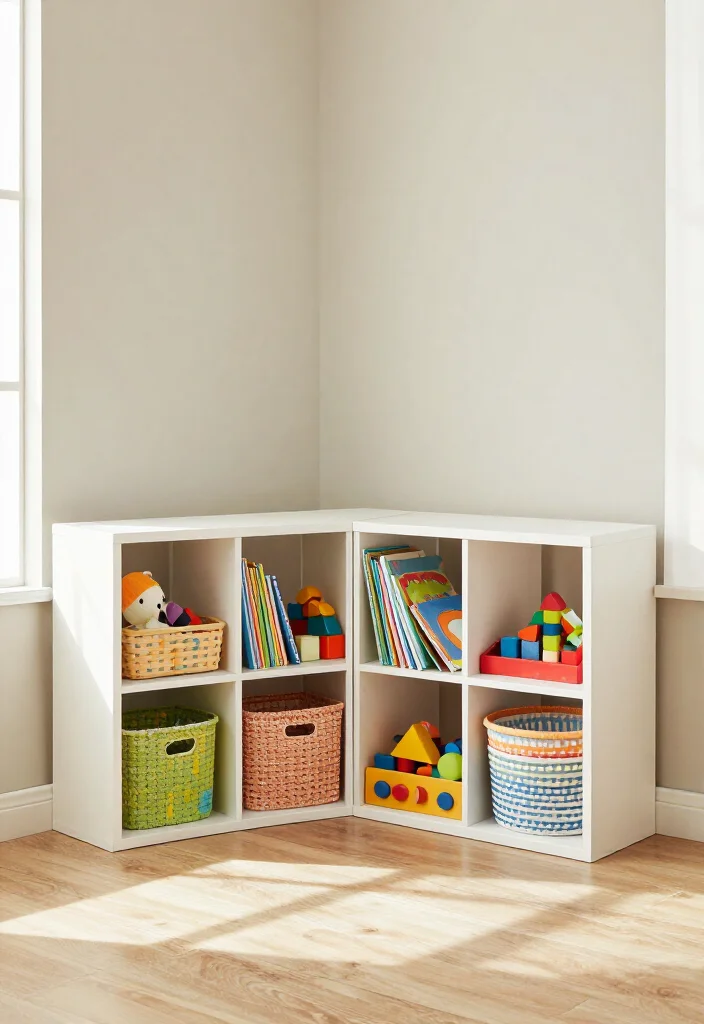
A toy rotation station keeps play areas calmer by limiting how many activities stay visible. Use low cubes for books, blocks, pretend-play items, and puzzles, then store the rest in baskets for later swaps. Children can choose more easily when every category has a clear, reachable home.
Place heavy toys on the lowest level and use lightweight bins that small hands can move safely. Rotate a few baskets every week or two instead of emptying the entire unit. Keep unfinished projects in one dedicated container, and store tiny pieces away from toddlers.
Make cleanup easier for everyone:
– Display books with covers facing outward
– Group similar toys in separate soft bins
– Rotate unused activities every few weeks
The room feels calmer without removing favorite toys. Canvas bins, colorful books, and open floor space create a playful but organized look.
13. Turn Cubes Into a Compact Pantry Wall
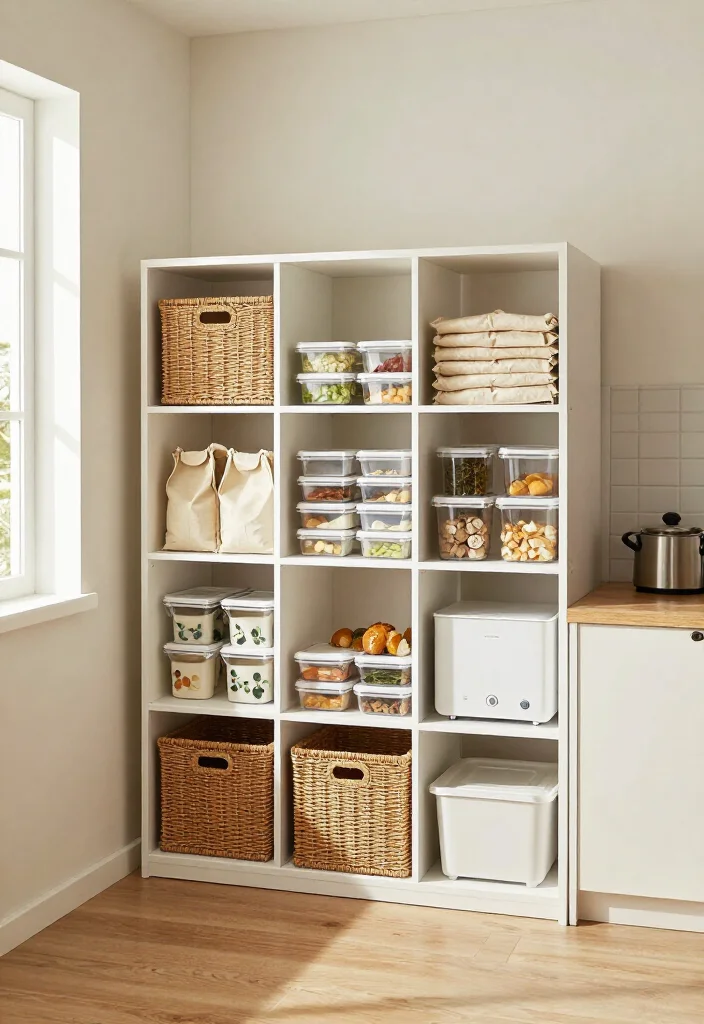
A cube unit can extend a small kitchen when cabinets are already full. Use it for snacks, baking supplies, mugs, appliances, and reusable lunch containers. Each category gets a visible home, which frees the counter and helps you notice what needs replacing before shopping.
Keep the unit away from steam, splashes, and direct heat. Place heavy jars and appliances low, then store dry goods in sealed containers or lined baskets. Leave space around every category so new groceries fit without creating a crowded stack.
Organize the pantry wall simply:
– Group breakfast foods in one accessible cube
– Store flour and grains in sealed containers
– Use washable bins for messy supplies
A modular pantry adapts as your shopping habits change. Clear containers, warm baskets, and labeled sections make the kitchen feel lighter and easier to use.
You Might Also Like


14. Organize Bathroom and Laundry Supplies in One Grid
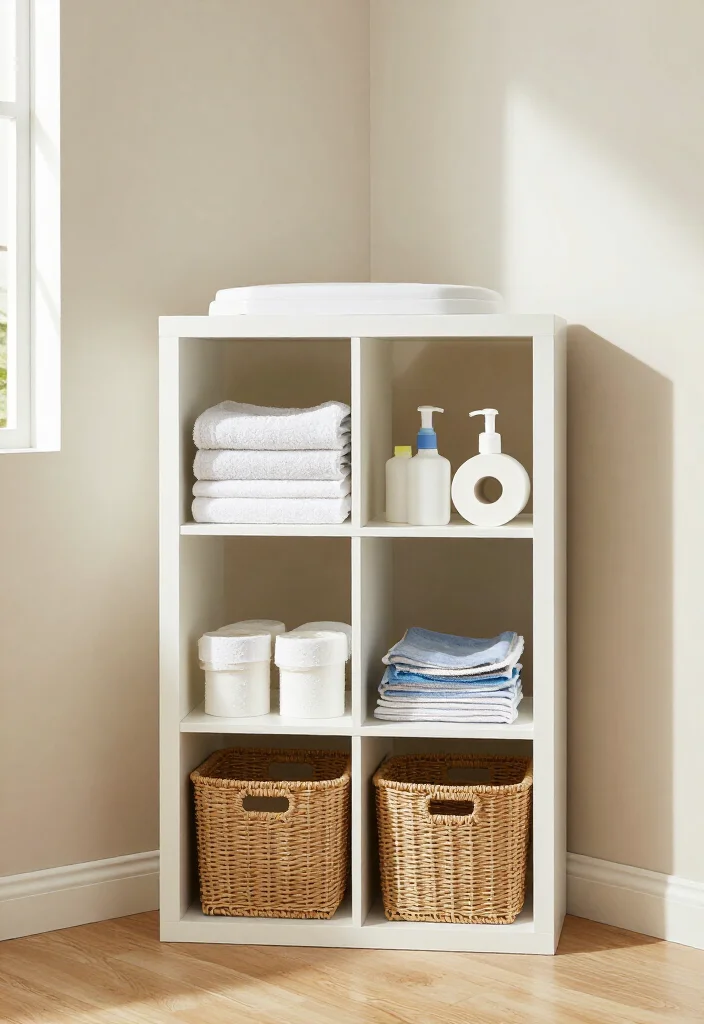
A slim cube unit can bring order to a crowded bathroom or laundry corner. Use it for folded towels, toilet paper, cleaning cloths, toiletries, and spare linens instead of leaving everything on the floor or washer. Visible compartments also make it easier to see when supplies are running low.
Choose washable baskets near damp areas and keep bottles upright inside leak-resistant trays. Store strong cleaners away from children and pets, and leave ventilation around electrical grooming tools. Fold larger towels low, then place guest supplies and daily products at comfortable heights.
Keep the utility grid safe and useful:
– Add trays beneath bottles that may leak
– Store cleaners in secure, closed containers
– Leave space around heated electrical tools
Clear surfaces make small rooms feel cleaner immediately. Woven baskets, white towels, and pale wood create a fresh, peaceful finish.
15. Mix Open Display Cubes With Hidden Bins
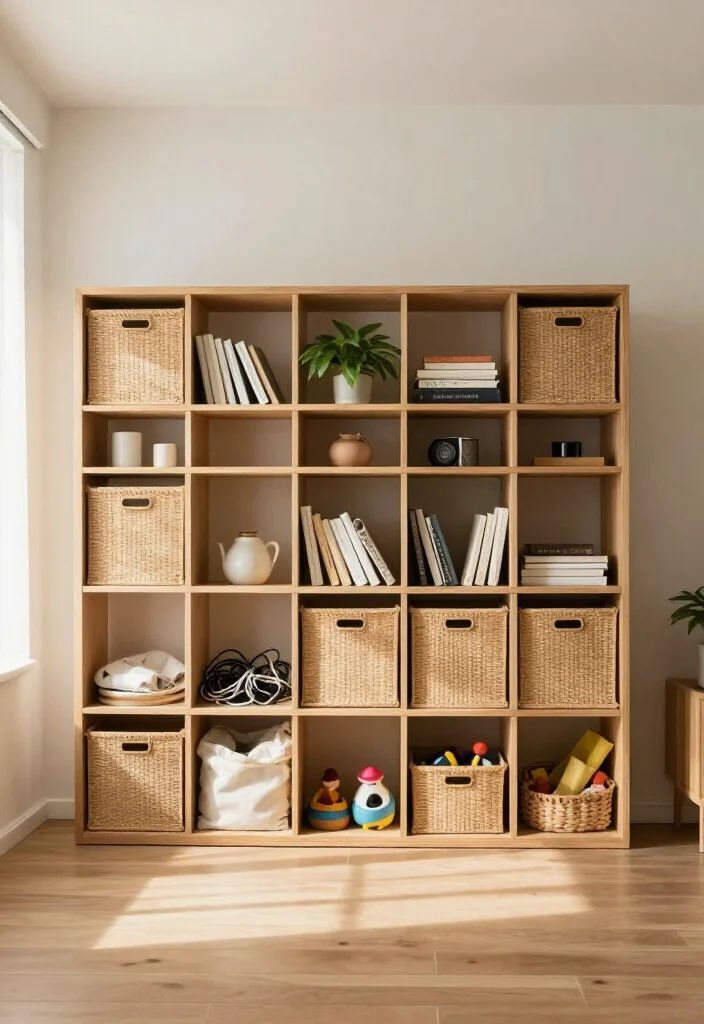
Combining open cubes with hidden bins gives storage both personality and control. Display books, plants, ceramics, and favorite objects, then conceal cords, paperwork, toys, and odd-shaped supplies. The balance keeps a small room from looking either messy or overly closed off.
Leave about one-third of the cubes open as a starting point, then adjust based on your belongings. Place attractive pieces at eye level and use lower sections for heavier baskets. Repeat one or two colors in the bins, and leave breathing room around every display item.
Create a calmer mixed arrangement:
– Group books by size or gentle color
– Hide daily clutter inside handled baskets
– Leave empty space around favorite objects
This system lets storage support your decor. Woven baskets, ceramic accents, and leafy plants add texture without making the room feel crowded.
Mix Open Display Cubes With Hidden Bins
Editor’s Choice



16. Divide a Studio Without Building a Wall
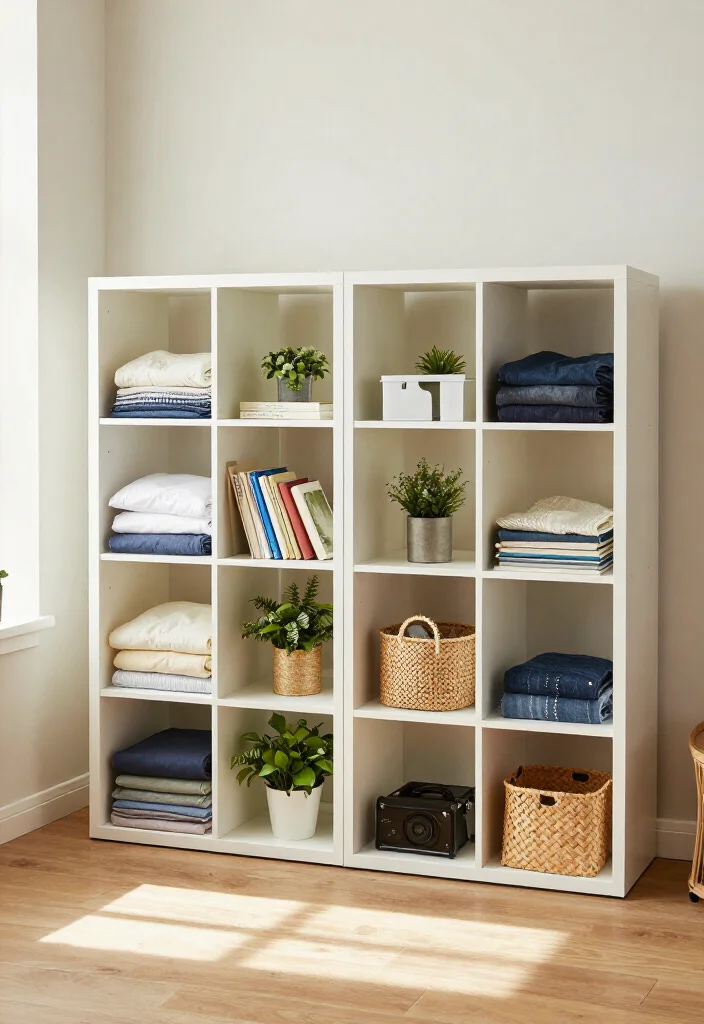
A double-sided cube unit can divide a studio apartment without blocking light or requiring construction. Place it between sleeping and living areas, then give each side a different purpose. One face can hold folded clothing and bedding, while the other displays books, plants, and media accessories.
Choose a stable unit with enough width for the layout, and anchor it when recommended. Keep heavy baskets low, leave several openings clear, and make sure the passage remains comfortable. Matching bins on both sides create a finished look without making the divider feel solid.
Keep the divider light:
– Use open cubes to let daylight pass through
– Place heavy storage along the bottom row
– Define each side with a lamp or rug
The unit creates gentle boundaries while preserving an airy feel. Wood grain, woven baskets, and open shelving help one room feel like several.
Divide a Studio Without Building a Wall
Editor’s Choice



17. Finish With a Ceiling-Height Modular Storage Wall
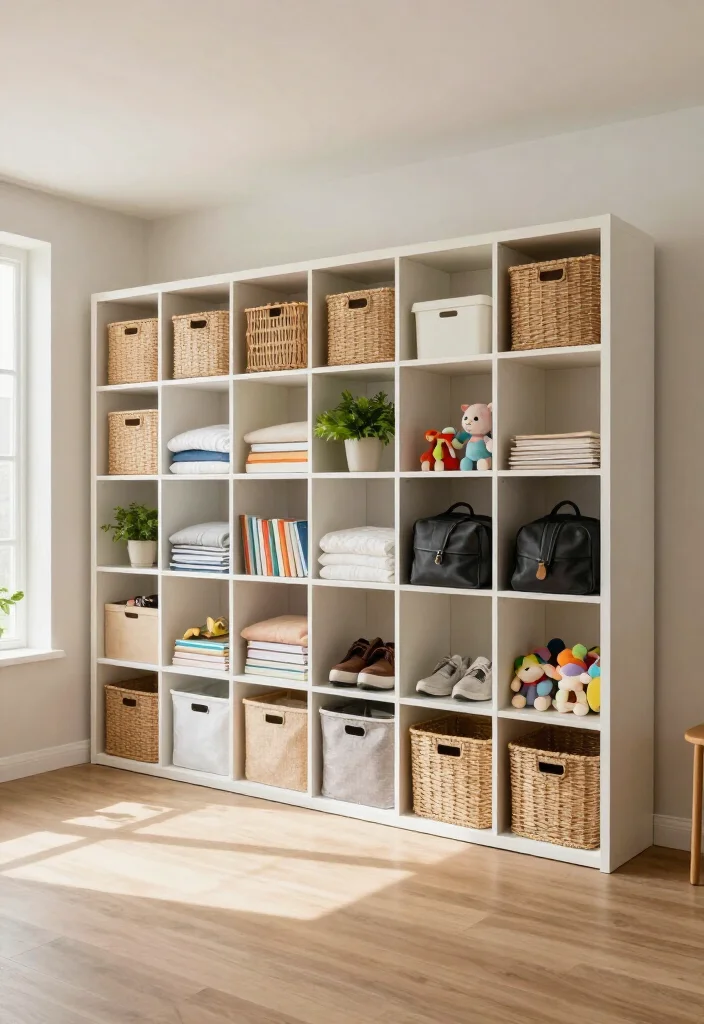
A ceiling-height cube wall uses vertical space when the floor is already full. Keep everyday items in the middle, heavier containers low, and seasonal belongings near the ceiling. This arrangement adds serious storage while leaving the center of the room open for living, working, or relaxing.
Secure tall units properly and check baseboards, vents, door swings, and uneven floors before installation. Use lightweight fabric bins in upper compartments, and keep a safe step stool nearby for occasional access. Leave a few middle cubes open so the wall does not feel visually heavy.
Plan the storage wall wisely:
– Measure the full wall before purchasing units
– Store daily essentials between knee and shoulder height
– Keep fragile items away from upper cubes
Vertical lines can make ceilings feel taller. Open shelves, soft bins, and natural textures keep this powerful storage feature warm.
Conclusion: Let the Cubes Do the Heavy Lifting
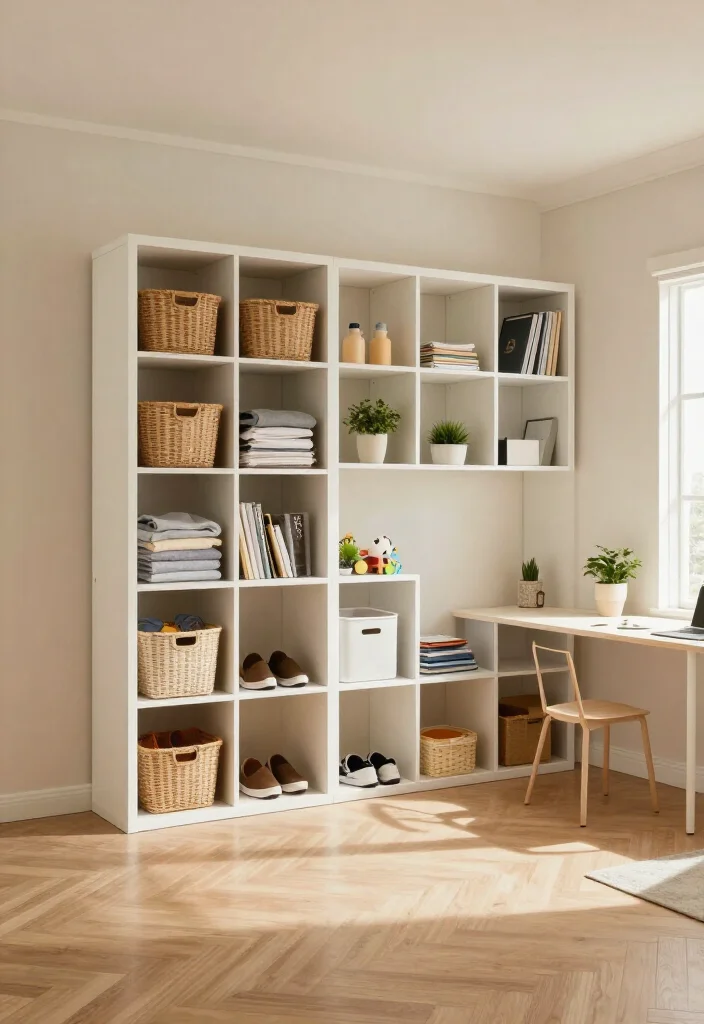
The best cube storage ideas are not about filling every opening; they are about giving your belongings clear homes while protecting the open space you need to live. Start with one problem area, choose a few useful categories, and let modular storage grow as your routine changes.
From hidden desks to toy stations and tall storage walls, a small home can feel calmer, brighter, and far easier to reset with the right cube layout. Which idea would make the biggest difference in your space?
Note: We aim to provide accurate product links, but some may occasionally expire or become unavailable. If this happens, please search directly on Amazon for the product or a suitable alternative.
This post contains Amazon affiliate links, meaning we may earn a small commission if you purchase through our links, at no extra cost to you.
Frequently Asked Questions
Q. What can I store in cube organizers?
Cube organizers are great for books, toys, folded clothes, craft supplies, office essentials, and decorative accessories. Use fabric bins or woven baskets to hide smaller items while keeping frequently used belongings easy to reach.
Q. How can I make cube storage look stylish instead of cluttered?
Mix closed storage baskets with a few open display cubes. Choose matching bins, repeat two or three colors, and leave some compartments less crowded. Adding books, framed photos, or small decorative objects can make the unit feel more intentional.
Q. Are cube storage units good for small rooms?
Yes! Cube storage units can provide vertical organization without taking up too much floor space. Narrow shelving units, low cube organizers, and multifunctional furniture are especially useful in small bedrooms, apartments, and home offices.
Q. How can I use cube storage in a kids’ room?
Use lightweight bins for toys, books, art supplies, and games. Label each compartment with words or pictures to make cleanup easier. Keep heavier items on lower shelves, and securely anchor tall storage units to the wall to reduce tipping risks.
Q. Can cube storage units be used as room dividers?
Some freestanding cube shelving units can visually separate living and working areas in an open-plan room. Choose a model designed for that purpose, follow the manufacturer’s installation instructions, and secure it against tipping where required.
