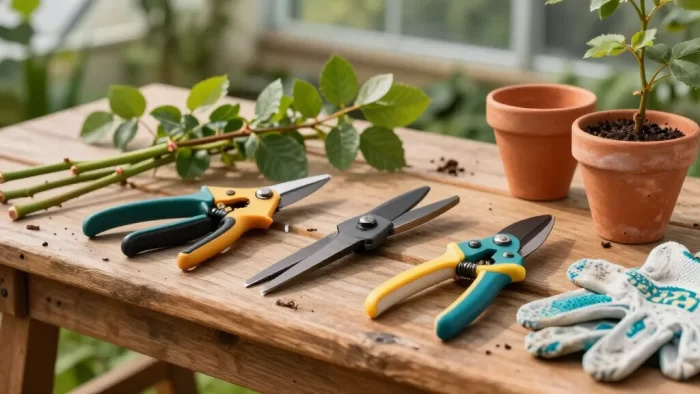
A good pair of pruning shears can make a quick garden job feel effortless—or turn it into a frustrating chore. I learned this after using shears that left stems crushed instead of cleanly cut.
When choosing the Best Pruning Shears, I now pay attention to blade sharpness, handle comfort, locking mechanisms, and how well the tool fits the type of plants I’m working with.
For everyday garden pruning, a comfortable bypass pruner is often useful for live stems, while heavier-duty options can handle thicker branches.
The right hand pruners don’t just save time; they make routine plant care feel much easier.
- 1. Best Overall: A Balanced Bypass Pruner
- Best Overall: A Balanced Bypass Pruner
- Corona Tools BP 4250 MAXFORGED Aluminum Bypass Pruner, 1-Inch Cut Capaci…
- PowerGear2 Bypass Pruning Shears, 3/4" Cut Capacity Garden Clippers
- F8 Pruning Shears – 8.3" Swiss-Made Garden Clippers with 1" Cutting Capa…
- Corona Tools Forged Steel ClassicCUT Bypass Hand Pruner – 1-Inch Cut Cap…
- Secateur Felco 2 With Bonus Leather Holster F910 Genuine Made In Switzer…
- Best Overall: A Balanced Bypass Pruner
- 2. Best Budget Pick: A Simple Sharp Pruner That Gets It Done
- 3. Best for Hand Comfort: An Ergonomic Ratcheting Pruner
- 4. Best for Thick Green Stems: A Heavy-Duty Bypass Pick
- 5. Best for Left-Handed Gardeners: A True Lefty Bypass Shear
- Best for Left-Handed Gardeners: A True Lefty By…
- F10 Pruning Shears – 8.3" Swiss-Made Left-Handed Garden Clippers with 25…
- F9 Pruning Shears – 8.3" Swiss-Made Left-Handed Garden Clippers with 1" …
- Corona BP 6340 Left Handed Forged Aluminum Bypass Pruner, 1-Inch, Red
- 6459BS Razorsharp Left-Handed Bypass Pruners
- Razorsharp Left-Handed Bypass Pruners, Precision Gardening Shears with C…
- You might also like
- Best for Left-Handed Gardeners: A True Lefty By…
- 6. Best for Small Hands: A Compact Precision Pruner
- 7. Best for Flowers and Herbs: Fine-Tip Garden Snips
- Best for Flowers and Herbs: Fine-Tip Garden Snips
- Micro-Tip Pruning Snips Garden Shears – Plant Cutting Scissors with Shar…
- Non-Stick Softgrip Micro-Tip Pruning Snip, 2 Pack
- Hydroponic 2Pack Microtip Straight blade/Curved Blade Flower Leaf Trimme…
- Saboten Japanese Harvesting Shears, Magnetic Springless, Fine-Tip Angled…
- PrunePro Garden Scissors Pruning Shears – German Stainless Steel Teflon …
- Best for Flowers and Herbs: Fine-Tip Garden Snips
- 8. Best for Dead Wood: A Controlled Anvil Pruner
- 9. Best Premium Pick: A Japanese-Steel Bypass Shear
- 10. Best for Roses: A Narrow-Head Thorn-Ready Pruner
- Best for Roses: A Narrow-Head Thorn-Ready Pruner
- Narrow Head Professional Pruner, 8.25-Inch – 3 Pack
- Japanese Pruning Shears, 7.9" (200mm) Hand-Forged Carbon Steel Bypass Ha…
- Haus & Garten PrecisionPRO 8" Titanium Pruning Shears – Heavy Duty Profe…
- SageHerath Pruning Shears, 8.5" Garden Clippers for Branches up to 0.83"…
- Japanese Pruning Shears, Bypass Garden Pruner 7.9", Made in Japan
- Best for Roses: A Narrow-Head Thorn-Ready Pruner
- 11. Best for Quick Everyday Jobs: A Lightweight All-Rounder
- Conclusion: Choose the Shear That Matches Your Garden
- Frequently Asked Questions
1. Best Overall: A Balanced Bypass Pruner
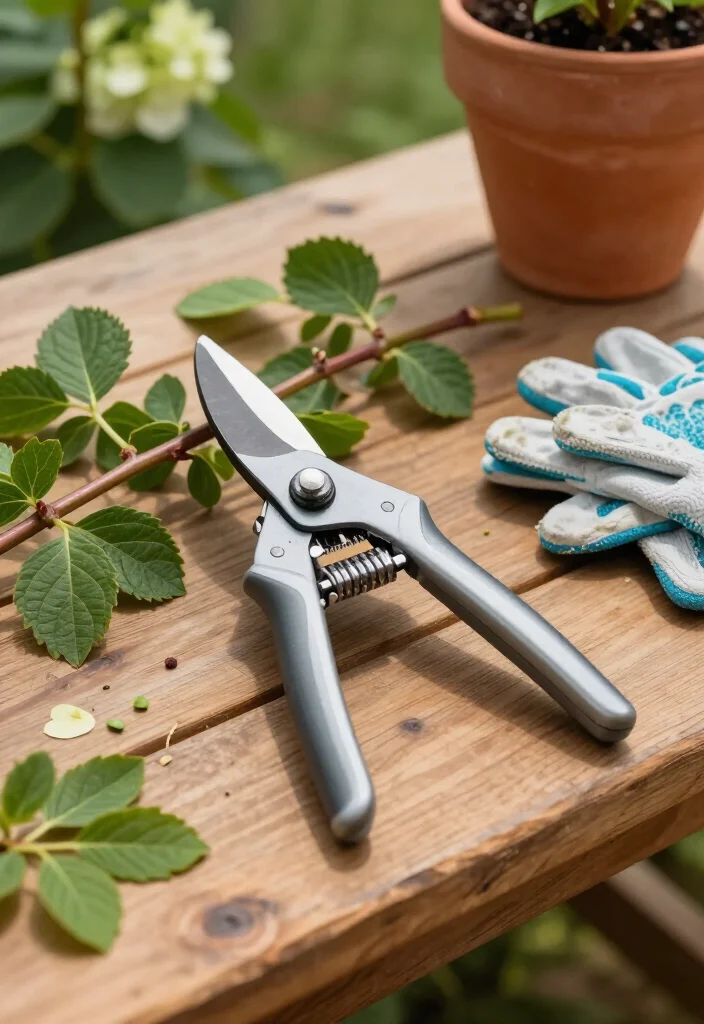
Most garden chores feel easier with a balanced bypass pruner. Its curved steel blade passes a lower blade like scissors, leaving live stems clean instead of crushed. A medium, narrow head suits roses, hydrangeas, herbs, berry canes, and young fruit branches.
Choose grippy handles, a smooth spring, and a thumb-friendly lock. Use loppers when wood exceeds the shear’s rated capacity.
Focus on features that support comfortable pruning:
– Choose a hardened bypass blade for clean living-stem cuts
– Select a slim head for crowded branches and buds
– Pick handles that fit without stretching your fingers
Clean sap, oil the pivot, and sharpen when cuts look torn. This dependable workhorse keeps routine trimming controlled and comfortable.
Best Overall: A Balanced Bypass Pruner
Editor’s Choice





2. Best Budget Pick: A Simple Sharp Pruner That Gets It Done
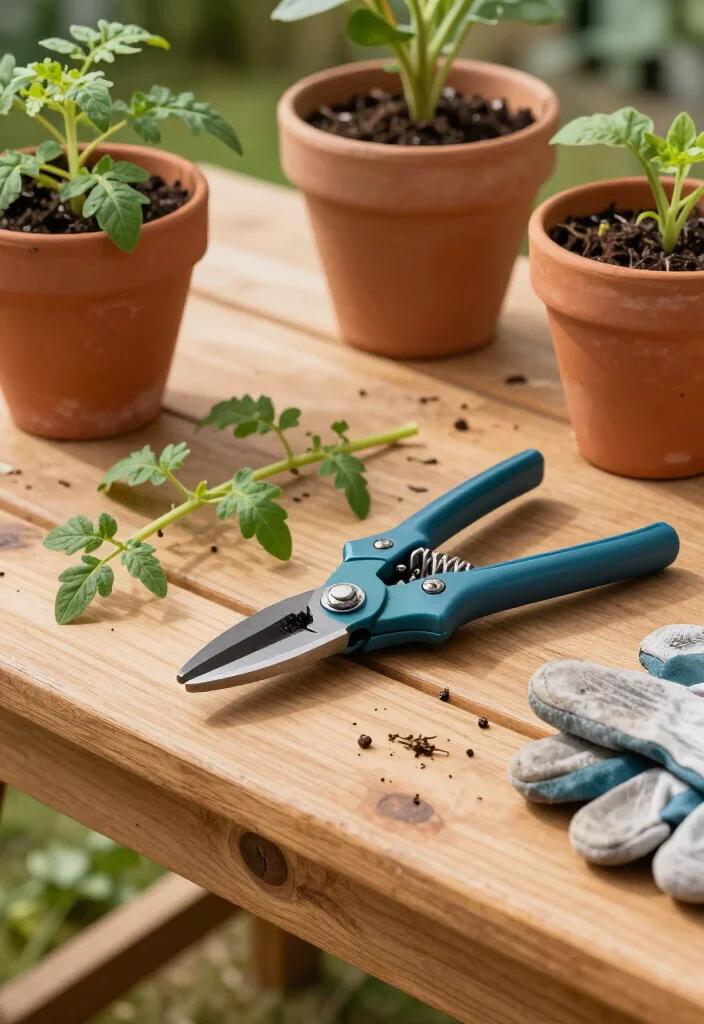
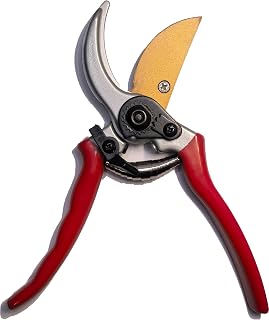
Saving money does not mean accepting ragged cuts. A simple budget bypass pruner can handle herbs, deadheading, container plants, and thin green branches. Look for steel blades, a firm spring, comfortable handles, and bright red or teal colors that stand out in foliage.
Open the shears before buying, checking that the blades meet fully and the spring feels gentle. Avoid twisting through thick wood, and switch to loppers for larger branches.
Choose practical features for low-cost garden care:
– Check a full blade closure before buying the pruner
– Reserve it for herbs, flowers, and thin green branches
– Keep a second pair near the back door
Wipe away sap after every session and touch up the edge seasonally. This affordable choice gives beginners clean cuts without a large investment.
Best Budget Pick: A Simple Sharp Pruner That Ge…
Editor’s Choice


📹 Related Video: I Found The PERFECT PRUNING SHEARS! Japanese Pruners At An UNREAL Price!
3. Best for Hand Comfort: An Ergonomic Ratcheting Pruner
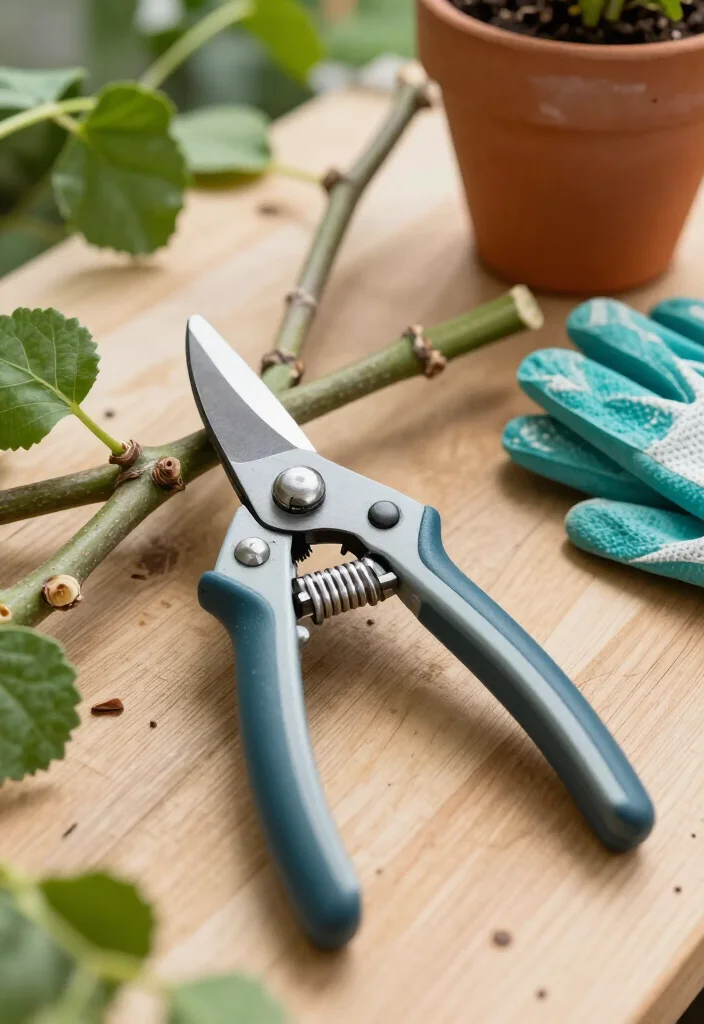
Hand fatigue can turn a pleasant pruning day into a chore. A ratcheting pruner divides one hard squeeze into several smaller steps, helping with arthritis, weak grip, or older stems. Cushioned handles and a wide palm rest add comfort without making the tool bulky.
Test the ratchet release with one hand, and switch it off for thin stems. Keep the blade sharp, because repeated squeezes through a dull edge defeat the design.
Look for comfort details that reduce hand strain:
– Choose padded handles with a steady non-slip grip
– Select a ratchet that releases smoothly after each cut
– Use an adjustable setting for different hand sizes
Place branches deep inside the cutting notch, then clean and oil the pivot. Easier squeezing can make a full afternoon of pruning feel manageable again.
4. Best for Thick Green Stems: A Heavy-Duty Bypass Pick
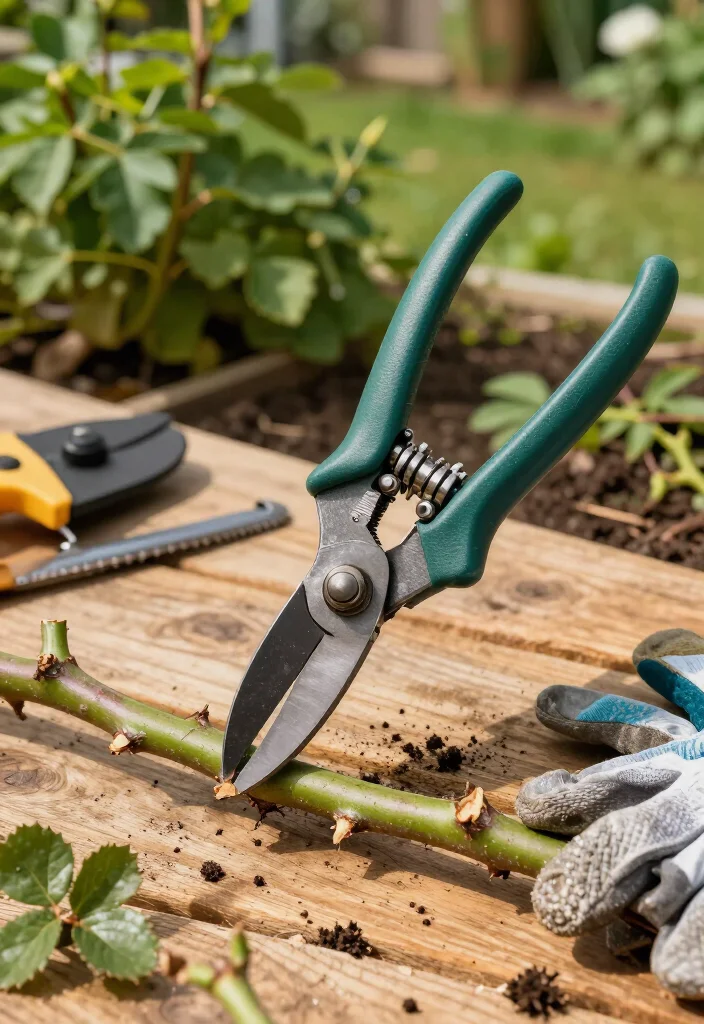
Thick green stems need more strength than delicate flower snips can provide. A heavy-duty bypass pruner handles tough rose canes, berry bushes, young fruit branches, and woody shrubs near its rated limit. Strong pivots and longer handles add control without crushing living wood.
Check the branch before cutting, since fresh green growth is easier than dry hardwood. Stop when the handles flex or the blade twists, then reach for loppers or a pruning saw.
Use safer technique on larger living stems:
– Place branches deep inside the cutting zone
– Keep your wrist straight during each squeeze
– Make a relief cut when tough wood needs help
Inspect the edge for nicks, wipe away sap, and oil the joint. This sturdy pick brings clean, controlled cuts to serious garden jobs.
5. Best for Left-Handed Gardeners: A True Lefty Bypass Shear
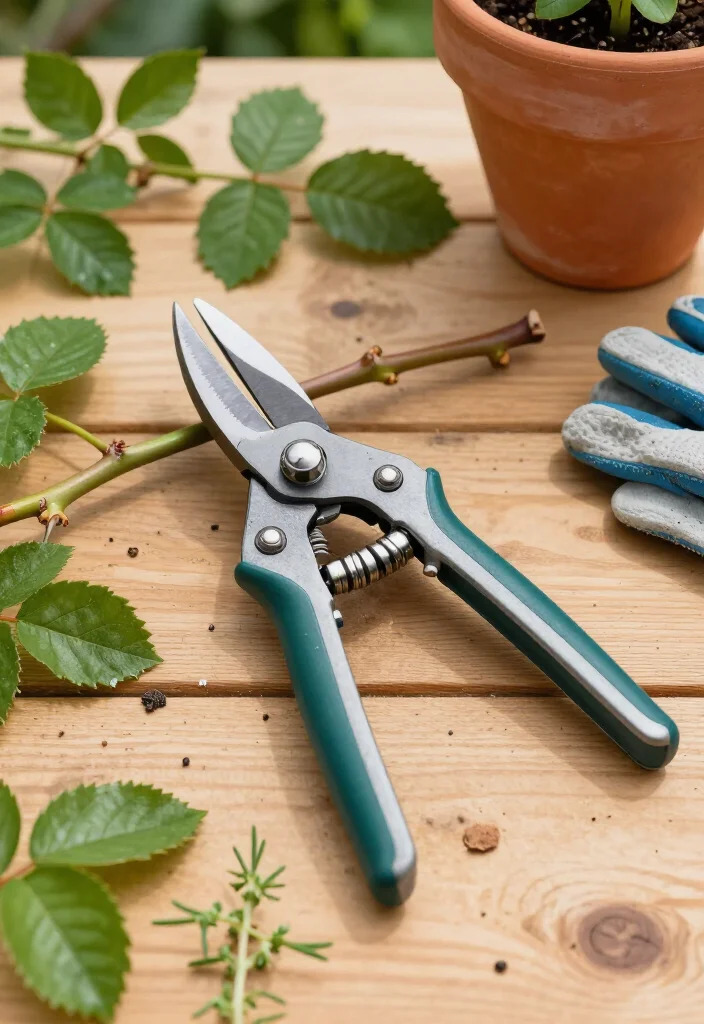
Right-handed shears can force left-handed gardeners into awkward wrist angles. A true lefty bypass pruner reverses the blade arrangement, giving you a clearer view and better control around roses, vines, herbs, and young branches. The correct setup also helps protect buds from crushing.
Read product details carefully, since symmetrical handles do not always mean reversed blades. Test the lock, spring, and grip with your left hand before committing.
Check for features that support natural left-handed movement:
– Confirm the reversed blade position before purchasing
– Choose a lock reachable with your left thumb
– Look for a spring that opens without wrist strain
Keep the blade beside the section you want to retain. Better alignment creates cleaner cuts, less fatigue, and a calmer pruning rhythm.
Best for Left-Handed Gardeners: A True Lefty By…
Editor’s Choice


You might also like
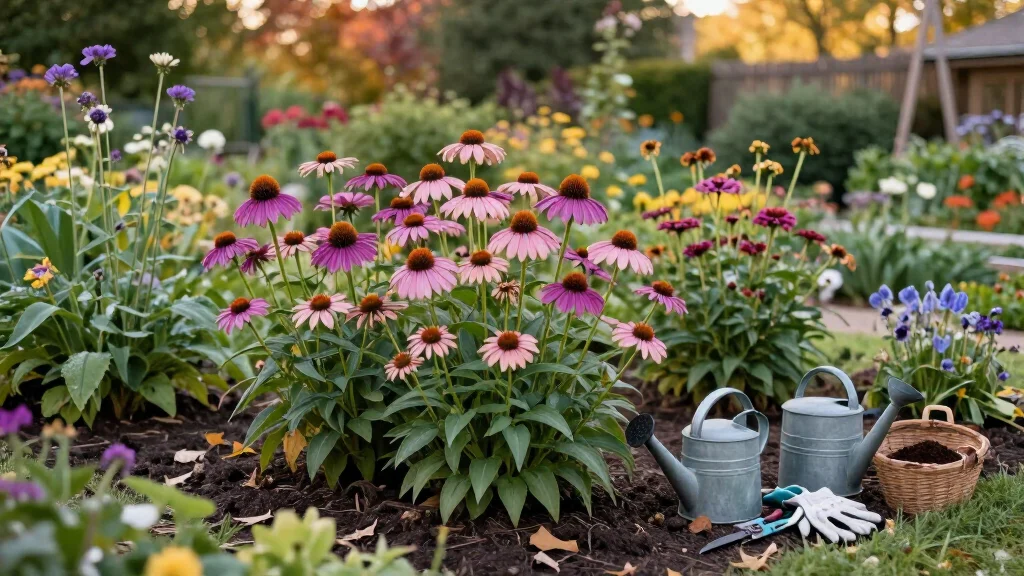
6. Best for Small Hands: A Compact Precision Pruner
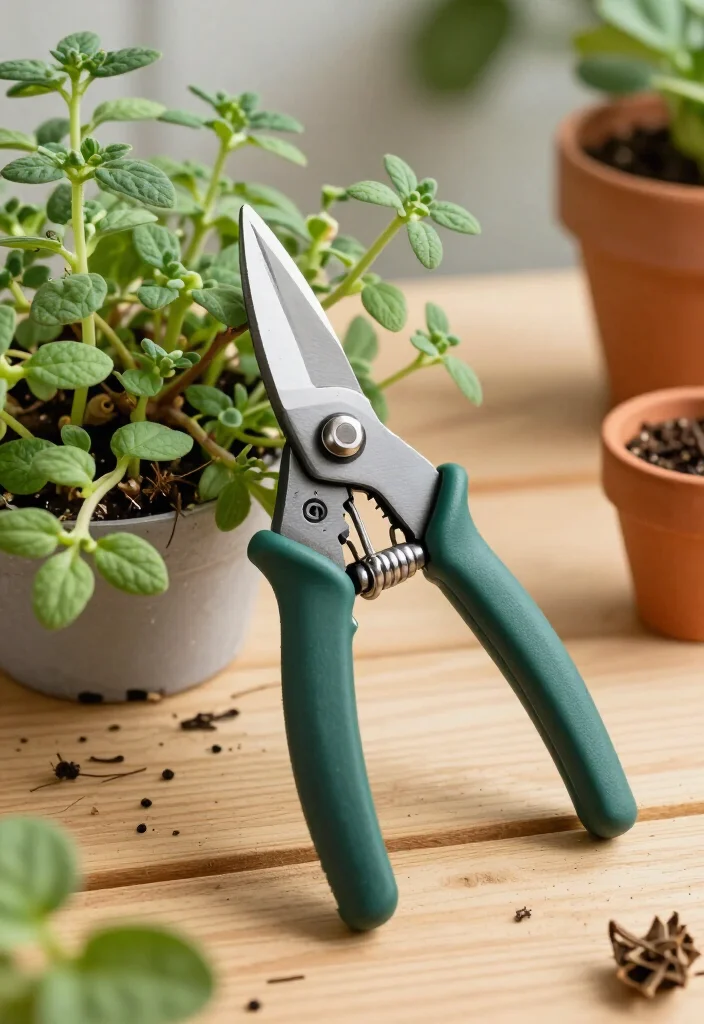
Oversized handles can make simple pruning painful for gardeners with small hands. A compact bypass pruner keeps the grip close, improves control, and slips between crowded leaves without disturbing nearby buds. Narrow blades work especially well on herbs, houseplants, roses, and tomato suckers.
Choose a light spring and handles that close without a full palm squeeze. If several people share the tool, an opening adjustment can improve comfort for everyone.
Match the compact design to careful garden tasks:
– Select a narrow cutting head for crowded stems
– Choose handles that close with gentle finger pressure
– Use the pruner for soft and medium green growth
Clean sap from the pivot and store the tool dry. This lighter choice favors accuracy and comfort over maximum branch capacity.
7. Best for Flowers and Herbs: Fine-Tip Garden Snips
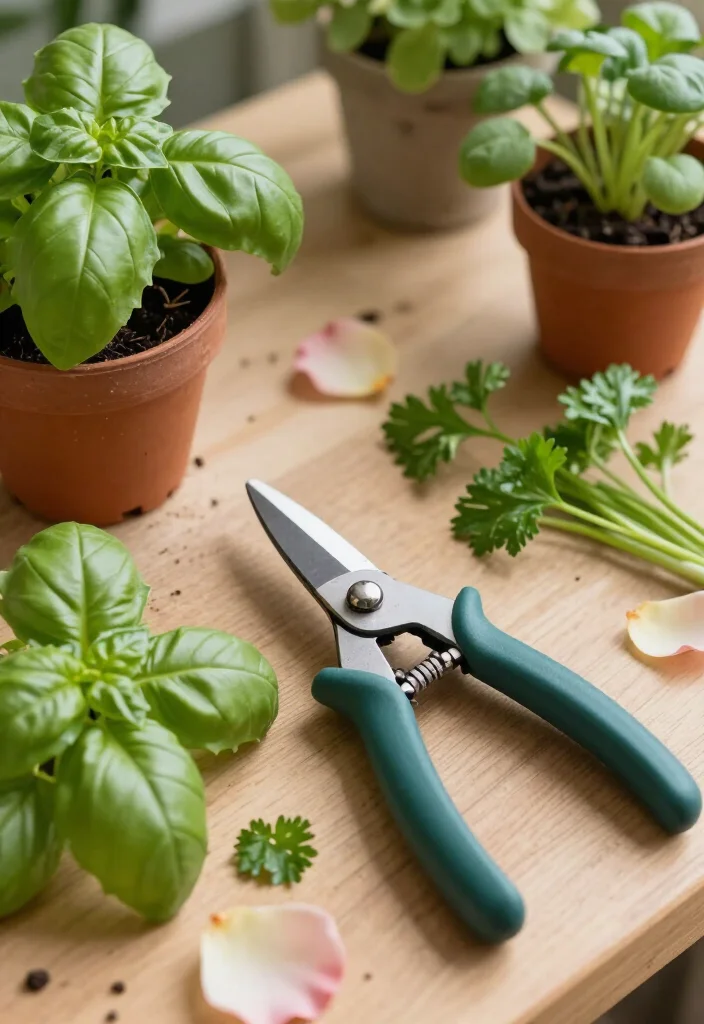
Fine-tip garden snips bring control to small, delicate jobs. Their slim blades move between leaves without disturbing nearby growth, making them useful for faded flowers, soft herbs, houseplants, and greenhouse work. Stainless steel handles damp conditions well, while bright colors help you spot the tool quickly.
Choose spring-loaded snips for repeated cuts or scissor-style handles for simple control. Make sure the tips meet evenly, since a gap can tear tender stems.
Use these precise snips for gentle garden work:
– Cut spent blooms just above healthy leaf joints
– Harvest basil and parsley without bruising stems
– Trim small shoots inside crowded houseplants
Wipe the blades between plants, especially when disease is present. Keep snips away from wire and woody stems, and pair them with a stronger bypass pruner.
Best for Flowers and Herbs: Fine-Tip Garden Snips
Editor’s Choice


8. Best for Dead Wood: A Controlled Anvil Pruner
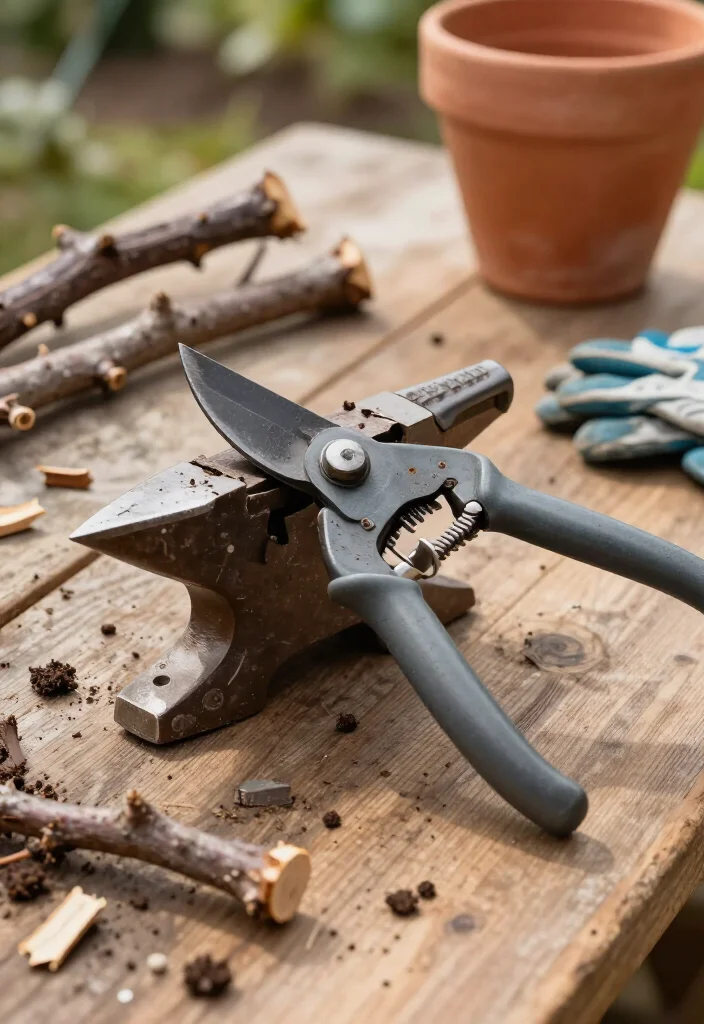
Anvil pruners are useful when dry wood resists ordinary shears. Their sharp upper blade presses against a flat surface, giving extra force for dead rose canes, brittle twigs, and dry perennial stalks. They are less suitable for green stems, which may become bruised against the anvil.
Choose a stable cutting channel and a replaceable anvil when possible. Test that the blade lands squarely, since misalignment can crush wood instead of cutting it.
Match this tool to dry garden cleanup:
– Cut dead wood with a straight downward motion
– Inspect branches for green tissue before cutting
– Replace worn anvils before cuts become uneven
Never twist after the blade closes. Keeping bypass and anvil styles together helps you protect living plants and finish cleanup faster.
9. Best Premium Pick: A Japanese-Steel Bypass Shear
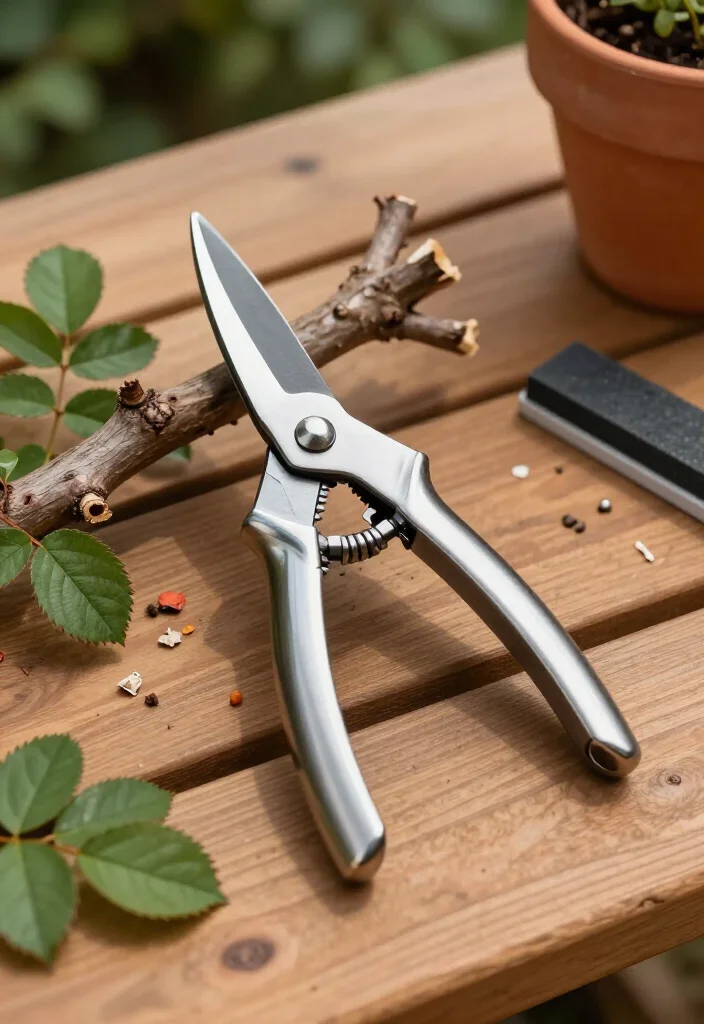
A premium Japanese-steel bypass shear stands out through smooth movement and precise cutting. Its hardened edge can glide through living stems, while a steady pivot keeps the blades aligned. Balanced handles in black, red, or polished metal make long pruning sessions feel less tiring.
Inspect branches first and keep the blade away from soil, wire, and dry hardwood. Choose a model with serviceable parts if you expect years of regular use.
Spend more for features that support lasting performance:
– Look for a hardened steel edge with an even bevel
– Choose replaceable springs, bolts, or blades
– Select handles shaped for a relaxed natural grip
Sharpen lightly along the existing bevel, then oil the pivot and store the shear dry. Careful maintenance keeps this refined tool working season after season.
You Might Also Like
10. Best for Roses: A Narrow-Head Thorn-Ready Pruner
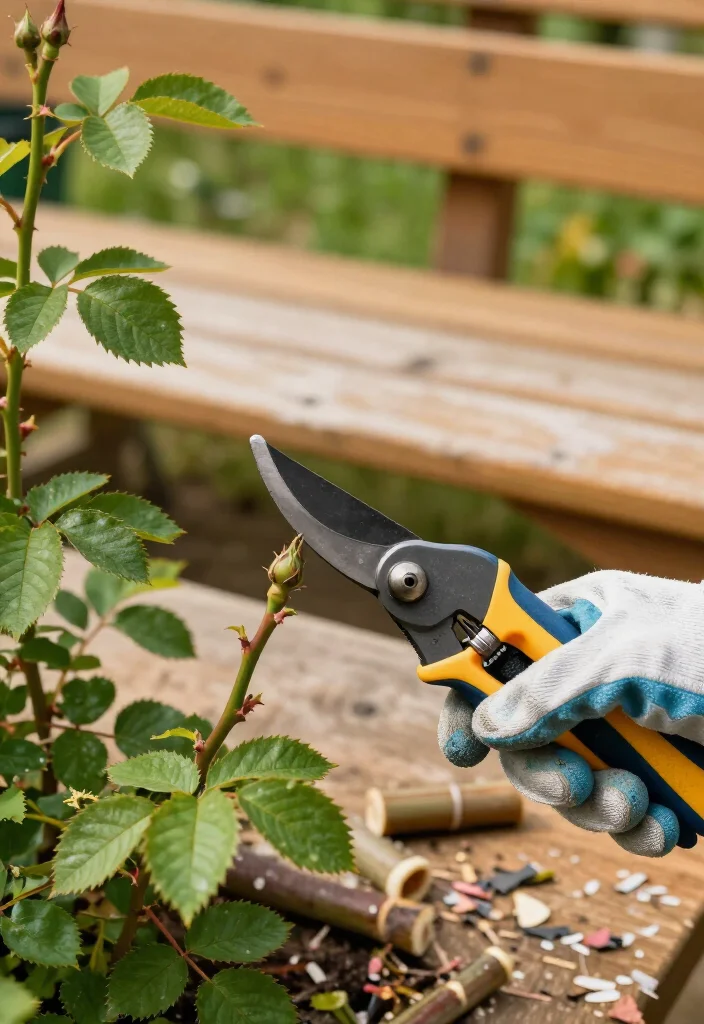
Rose bushes combine sharp thorns, crowded canes, and delicate buds. A narrow-head bypass pruner reaches between branches while keeping the cutting edge visible. Grippy handles also help you stay steady when wearing thick thorn-resistant gloves or working at an awkward angle.
Choose bright red or yellow handles if tools disappear among leaves. Position the blade near the wood you are removing, then cut just above an outward-facing bud when shaping the bush.
Choose features that make thorny pruning safer:
– Select a slim cutting head for crowded rose canes
– Use a sharp bypass blade for clean live-wood cuts
– Pick a lock that keeps the closed tool secure
Wear sturdy gloves and keep your free hand away from branches. This narrow design also suits raspberries, blackberries, and gooseberries.
Best for Roses: A Narrow-Head Thorn-Ready Pruner
Editor’s Choice



11. Best for Quick Everyday Jobs: A Lightweight All-Rounder
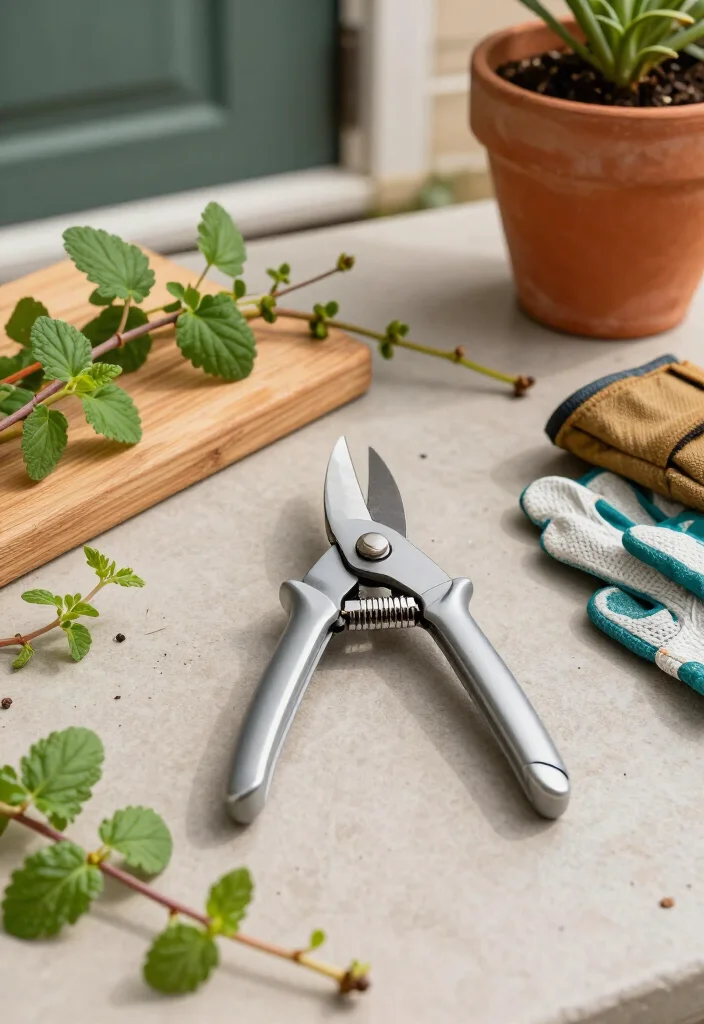
A lightweight all-rounder earns its place by staying ready near the back door. It handles broken stems, cooking herbs, stray vines, faded flowers, and young shrub growth without feeling bulky. A medium bypass blade offers more strength than snips while remaining easy to carry.
Choose textured handles for wet weather and a bright finish for visibility under leaves. Store the tool in a dry pouch, not on the soil, and wipe it before putting it away.
Keep this handy pruner ready for common tasks:
– Remove damaged stems after rain or wind
– Trim soft vines away from paths
– Shape young shrubs during quick garden walks
Clean sap weekly, check the lock, and sharpen dull edges. This practical tool makes everyday garden care quicker and less demanding.
Conclusion: Choose the Shear That Matches Your Garden
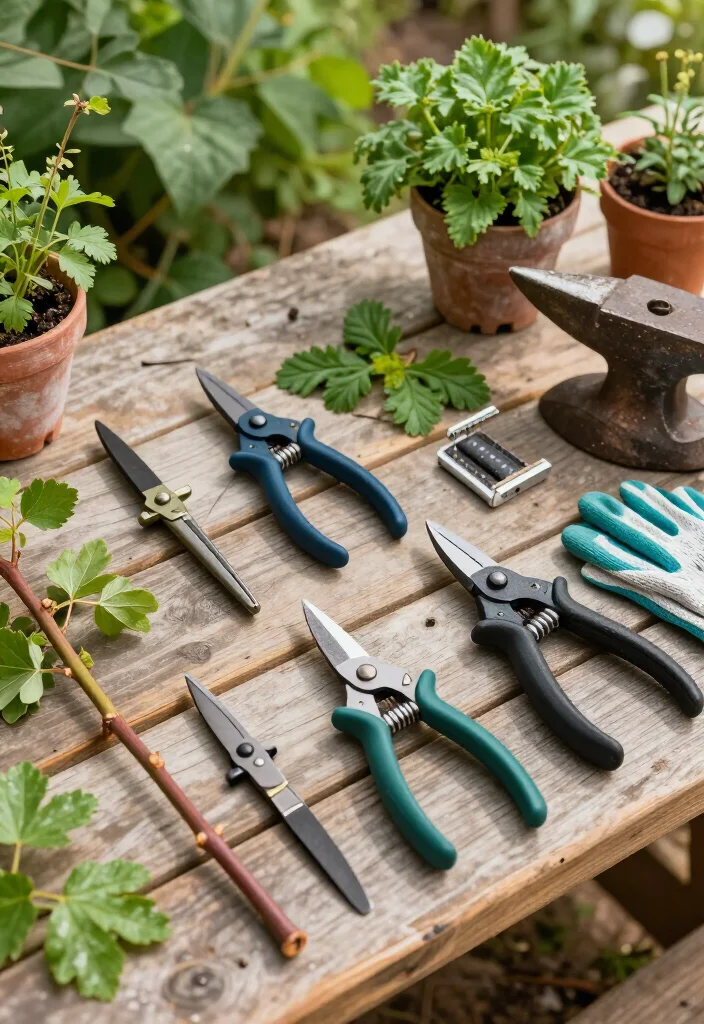
The best pruning shears are the ones that match your plants, hand strength, and most common garden jobs. A bypass pruner is the everyday favorite for living stems, while compact snips, ratcheting models, heavy-duty shears, and anvil tools fill more specific needs. Keep the blade clean, sharpen it before cuts turn ragged, and choose loppers or a saw when a branch is simply too large. With the right razor-sharp garden tools nearby, branch trimming feels faster, cleaner, and far less tiring.
Note: We aim to provide accurate product links, but some may occasionally expire or become unavailable. If this happens, please search directly on Amazon for the product or a suitable alternative.
This post contains Amazon affiliate links, meaning we may earn a small commission if you purchase through our links, at no extra cost to you.
Frequently Asked Questions
Q. What are the best pruning shears for everyday gardening?
For many routine gardening tasks, bypass pruners are a versatile choice because their blades make a clean cut on live stems. The ideal pair depends on plant size and cutting needs.
Q. What is the difference between bypass and anvil pruning shears?
Bypass pruners use two blades that pass by each other, making them useful for live stems. Anvil pruners have one cutting blade that meets a flat surface and can be useful for harder, dead, or woody material.
Q. How thick a branch can pruning shears cut?
The safe cutting capacity varies by tool. Always follow the manufacturer’s stated capacity rather than forcing the blades through a branch that is too thick.
Q. How do I keep pruning shears sharp?
Clean plant residue from the blades after use and periodically sharpen them with an appropriate sharpening tool. Follow the manufacturer’s care instructions and avoid cutting material beyond the shears’ capacity.
Q. What should I look for when buying pruning shears?
Consider blade type, cutting capacity, handle comfort, grip size, locking mechanism, corrosion resistance, replacement parts, and how frequently you’ll use them. For regular pruning, comfort and clean cutting are especially important.
