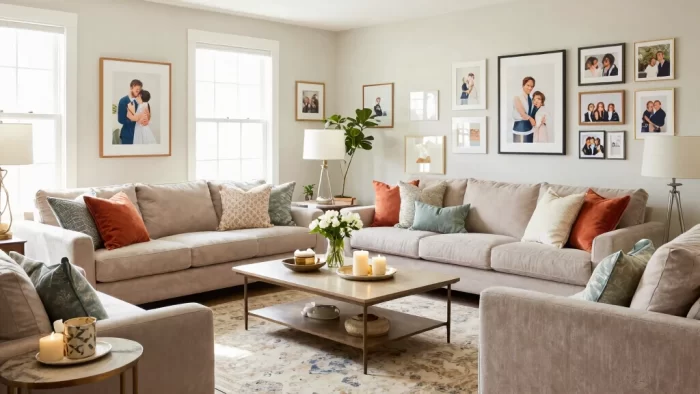
I didn’t realize how many living room design mistakes I was making until my space always felt “off,” no matter how clean it was. The sofa was wrong, the lighting felt harsh, and somehow the room never felt inviting. Sound familiar?
Most of us unknowingly repeat the same decorating errors that ruin flow, comfort, and style. From poor furniture placement to bad lighting choices and ignored wall proportions, these common mistakes can quietly steal the soul of your space.
Once I fixed them, my living room finally felt warm, balanced, and welcoming. Small changes really do make a big emotional difference.
1. Ignoring Scale and Proportion
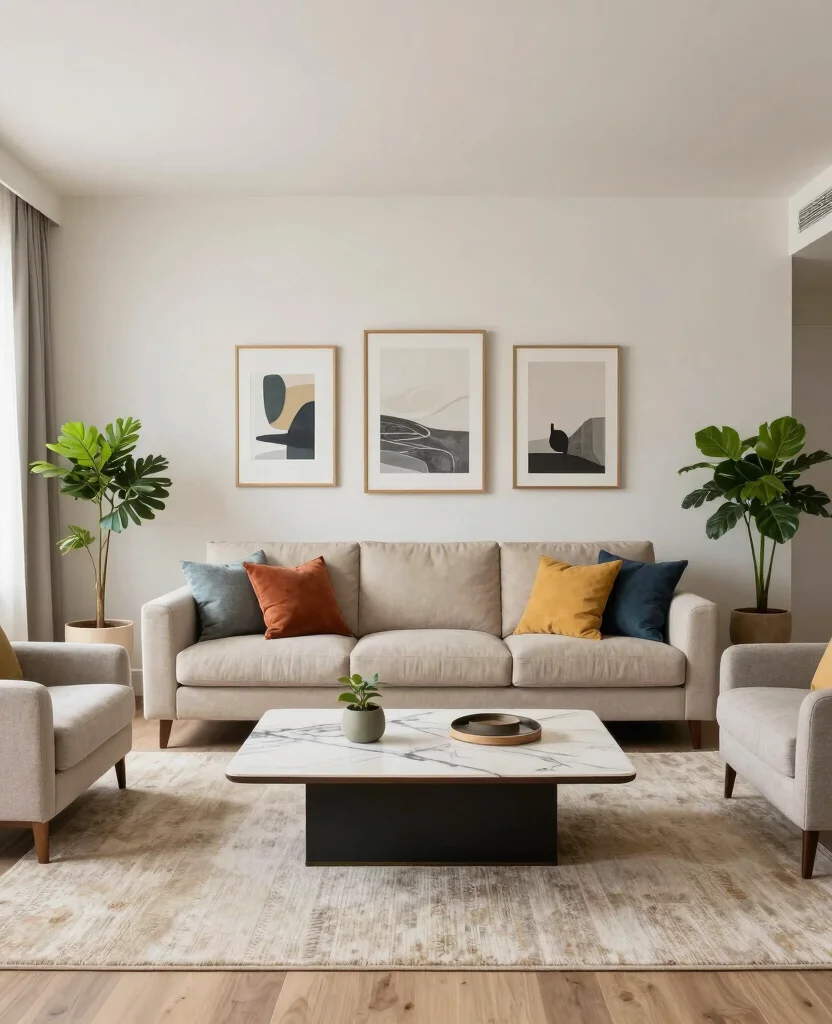
Scale and proportion are fundamental in crafting a comfortable living room. When furniture doesn’t match the room’s dimensions, it can create an awkward and uninviting atmosphere.
For instance, a large sectional can overwhelm a compact space, while petite furniture may disappear in a larger room. Emphasizing balance is key to achieving harmony in your decor.
To get it right, measure your room to understand available space. Utilize online tools to visualize how various pieces might fit together. Choose furniture that complements the scale of your area—lower profiles work best for compact rooms.
Consider these tips to enhance your space:
– Measure your room for accurate dimensions.
– Use a floor plan tool for visualizing arrangements.
– Opt for lower-profile furniture in smaller spaces.
By paying attention to scale and proportion, your living room will feel inviting and well-balanced.
2. Overlooking Lighting
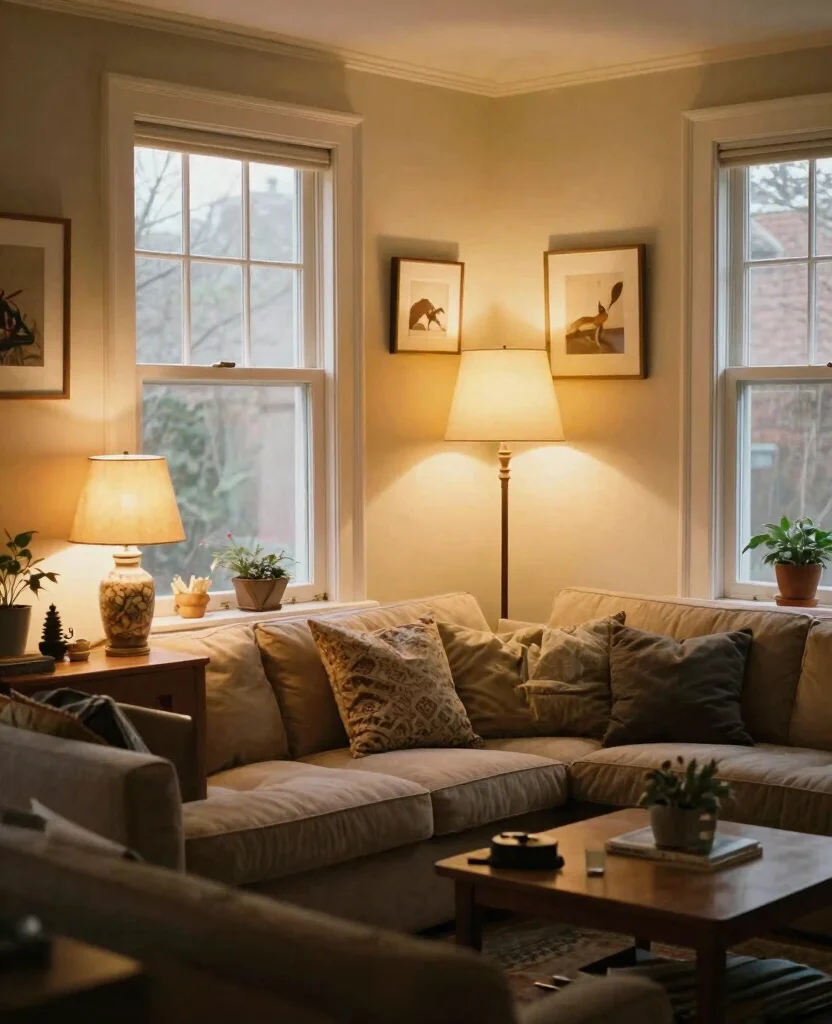
Lighting is crucial for setting the mood in your living room. Many rely on harsh overhead lights, which can cast unflattering shadows and create a cold ambiance.
Instead, embrace layered lighting that combines ambient, task, and accent options to foster warmth and comfort. This approach allows for a more inviting atmosphere.
To enhance your lighting, consider installing dimmer switches for adjustable brightness. Mix various lighting sources to add depth and character, and select lamps with softer bulbs for that cozy glow.
Here are some practical tips:
– Incorporate dimmer switches for adjustable intensity.
– Combine different light sources for depth.
– Use softer bulbs for a warm ambiance.
Thoughtfully designed lighting can elevate your space from ordinary to extraordinary, creating a welcoming environment.
Overlooking Lighting
Editor’s Choice




Also Read: 20 Awkward Bathroom Layout Ideas That Will Make You Rethink Your Space!
3. Choosing the Wrong Color Palette
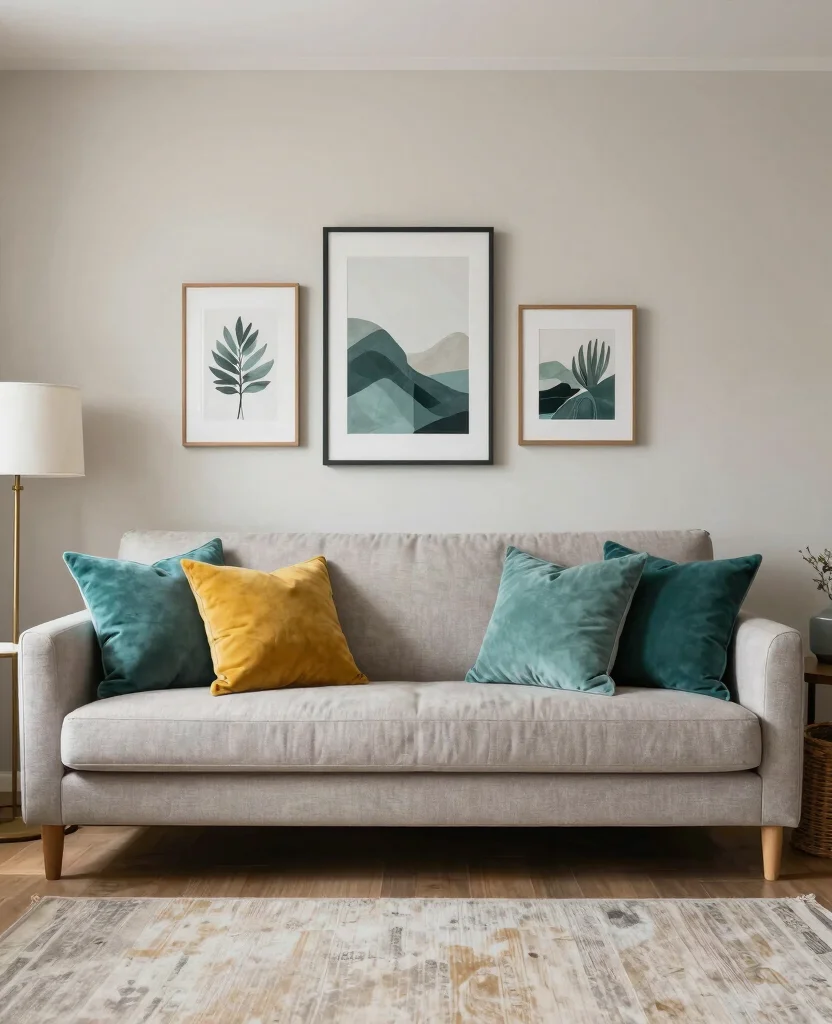
The color palette in your living room greatly influences its mood and aesthetic appeal. Many homeowners mistakenly choose clashing colors that disrupt visual harmony.
Instead, aim for a cohesive scheme that balances neutral tones with vibrant accents, ensuring the space feels inviting and well thought out.
Consider how colors interact with natural light throughout the day, as lighting can significantly impact mood. A well-planned color scheme can transform your living room into a serene retreat.
To select colors effectively, try these strategies:
– Use a color wheel to identify complementary shades.
– Test paint samples under various lighting conditions.
– Incorporate texture and pattern to enhance the palette.
A harmonious color scheme creates a cohesive and thoughtfully designed living space.
4. Cluttered Decor
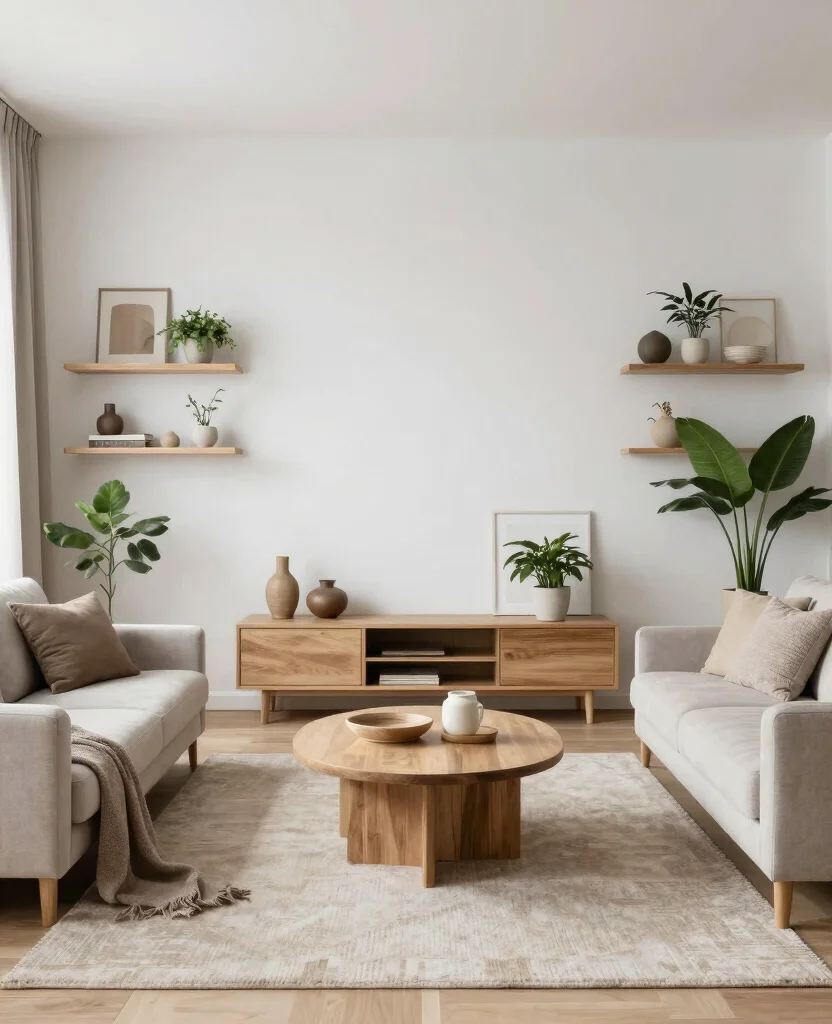
While personal touches are essential, overcrowding your living room with decor can lead to chaos. Embrace the philosophy that sometimes less is more.
An overabundance of decorative items can distract from focal points and hinder relaxation. Instead, curate decor that reflects your personality and tells a story.
Limit the number of items displayed and allow key pieces to shine. A well-edited collection will enhance your space without overwhelming it.
Keep these cluttering tips in mind:
– Limit decorative items to avoid overcrowding.
– Use storage baskets to keep items organized.
– Regularly evaluate your decor and remove items that no longer inspire joy.
A carefully curated space will feel more inviting and stylish.
Cluttered Decor
Editor’s Choice



5. Furniture Arrangements That Cut Off Flow
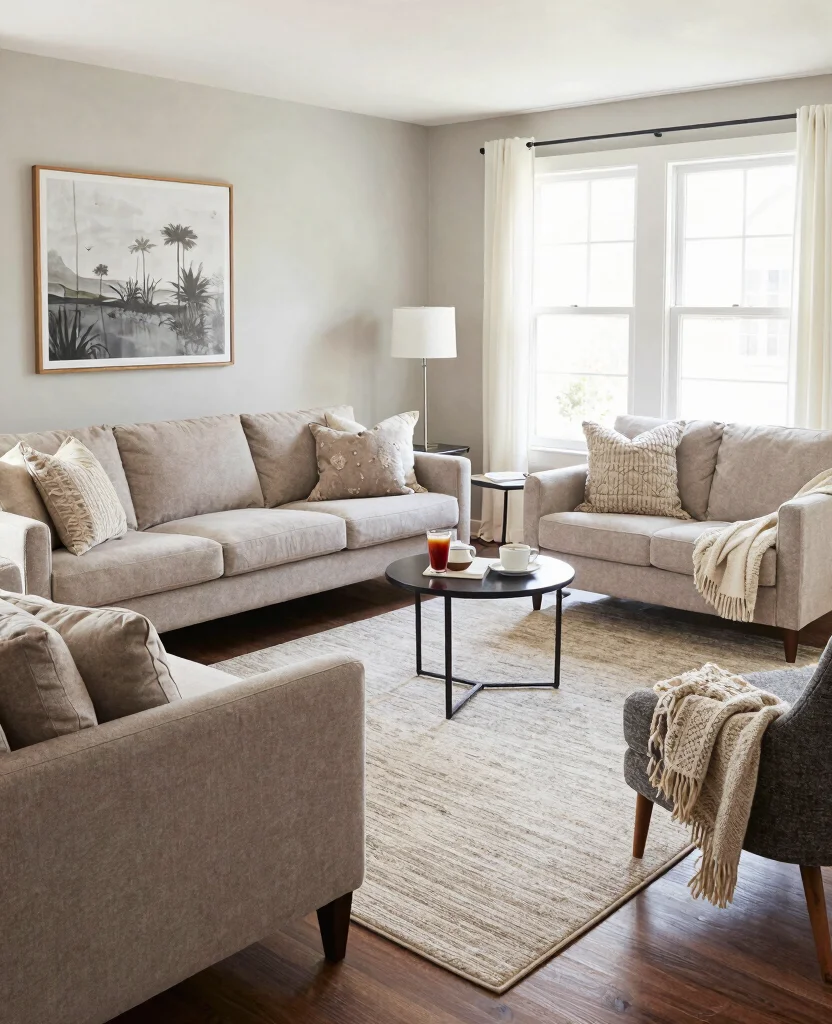
The arrangement of your furniture plays a crucial role in the functionality of your living room. When pieces obstruct pathways or create awkward angles, the natural flow of the space is disrupted.
Aim for an arrangement that promotes comfort and ease of movement while fostering conversation.
Think about how people will interact and set up seating to encourage dialogue. Ideally, chairs and sofas should face each other to facilitate communication.
For optimal arrangement, consider these suggestions:
– Leave ample space between furniture for easy movement.
– Use area rugs to define different zones.
– Avoid pushing furniture against walls; create cozy nooks instead.
A thoughtful furniture layout enhances the enjoyment of your living space.
📹 Related Video: 10 Living Room Interior Design Mistakes & How To Fix Them
6. Forgetting About Functionality
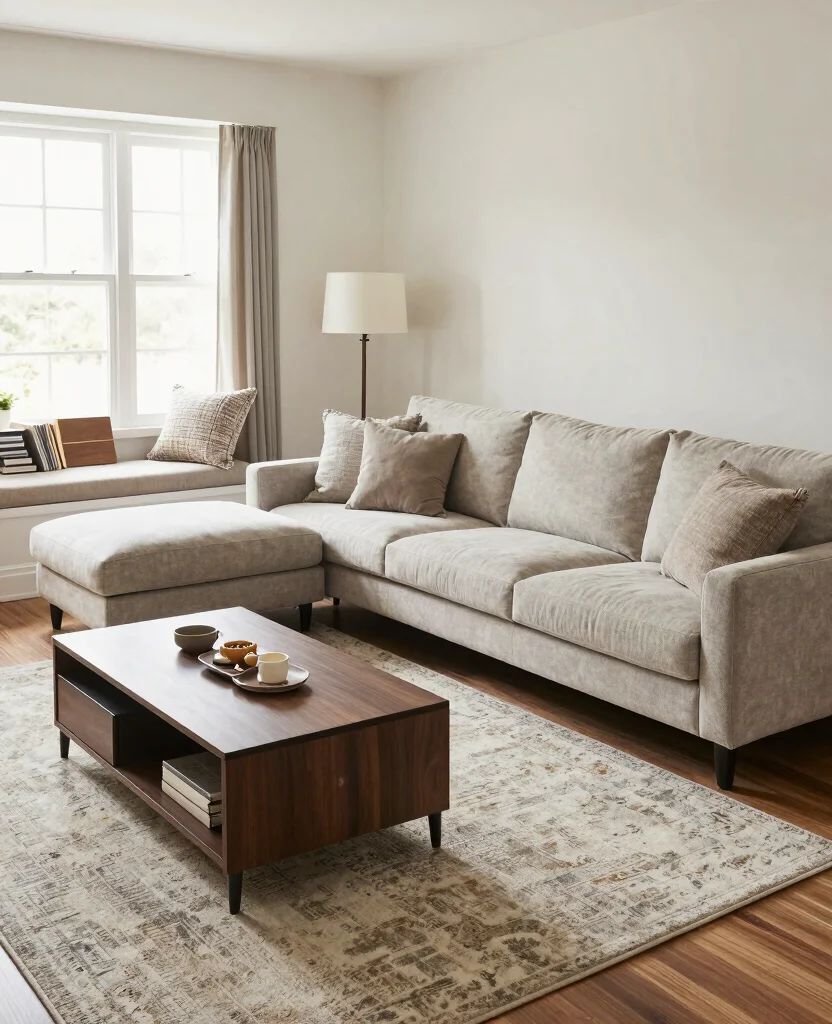
Designing a living room involves more than aesthetics; functionality is equally important. Many overlook practical needs by choosing stylish pieces that lack comfort and durability.
When designing your space, consider how it will be used and the comfort level required for family gatherings or entertaining guests.
Think about your lifestyle and needs. If you have children or pets, choose durable materials that can withstand wear and tear.
Keep these functional tips in mind:
– Select durable fabrics for upholstery.
– Opt for multifunctional furniture for versatility.
– Ensure adequate lighting for activities like reading or crafting.
Balancing style with functionality will create a living room that serves your needs beautifully.
Forgetting About Functionality
Editor’s Choice


7. Ignoring the Ceiling
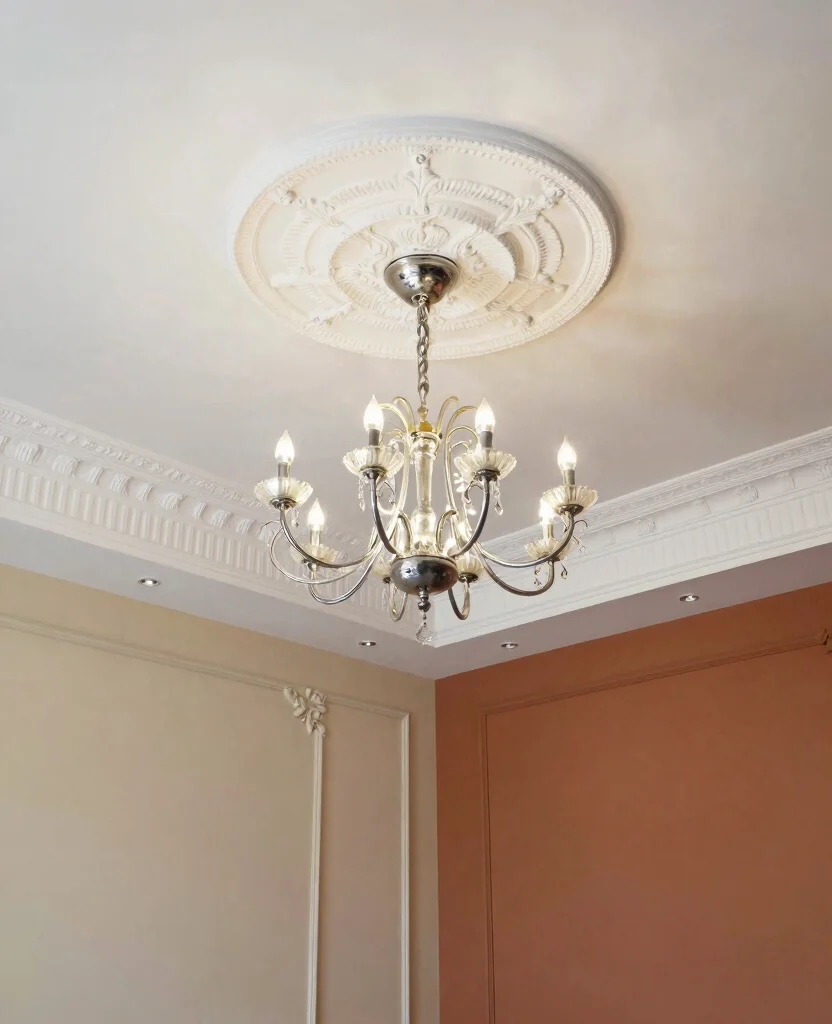
The ceiling is often an overlooked aspect of room design, yet it can significantly influence the overall feel of your living room.
A bare ceiling tends to create a flat appearance, while decorative elements can enhance height and character. Consider adding paint, wallpaper, or beams to draw the eye upward and create interest.
A stylish light fixture can also serve as a stunning focal point, enhancing the room’s ambiance.
Here are some ceiling enhancement tips:
– Paint your ceiling a light color to create height.
– Use wallpaper or stencils for added interest.
– Hang a statement chandelier or pendant light to attract attention.
Engaging with your ceiling transforms the entire space, adding depth and charm.
8. Not Investing in a Focal Point
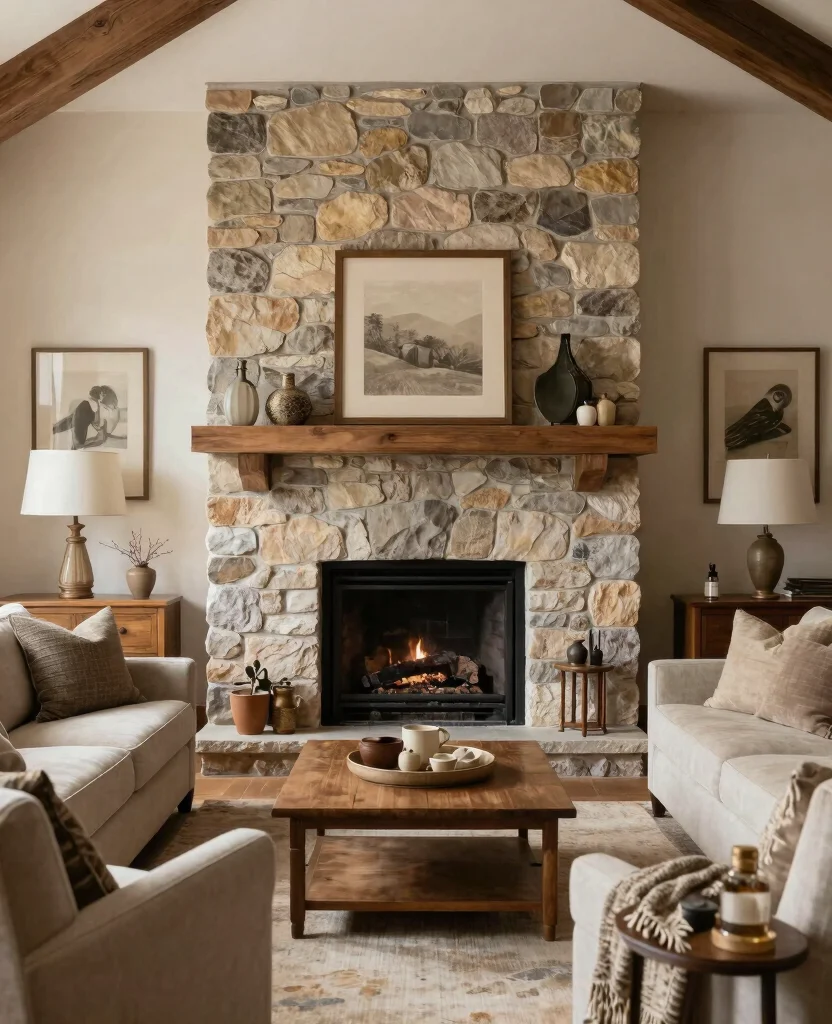
Every living room deserves a focal point to anchor the space and draw the eye. Without one, the room can feel disjointed and chaotic.
Classic focal points include fireplaces, striking artwork, or unique furniture pieces that capture attention. Selecting a strong focal point provides purpose and sets the tone for your decor.
Use this element as a foundation to build around with smaller accents and complementary decor.
To select an effective focal point, consider these tips:
– Choose a statement piece that commands attention.
– Arrange furniture to highlight your focal point.
– Use symmetry for balance with equidistant accessories.
A solid focal point grounds your living room, making it feel cohesive and well-designed.
Not Investing in a Focal Point
Editor’s Choice


You might also like
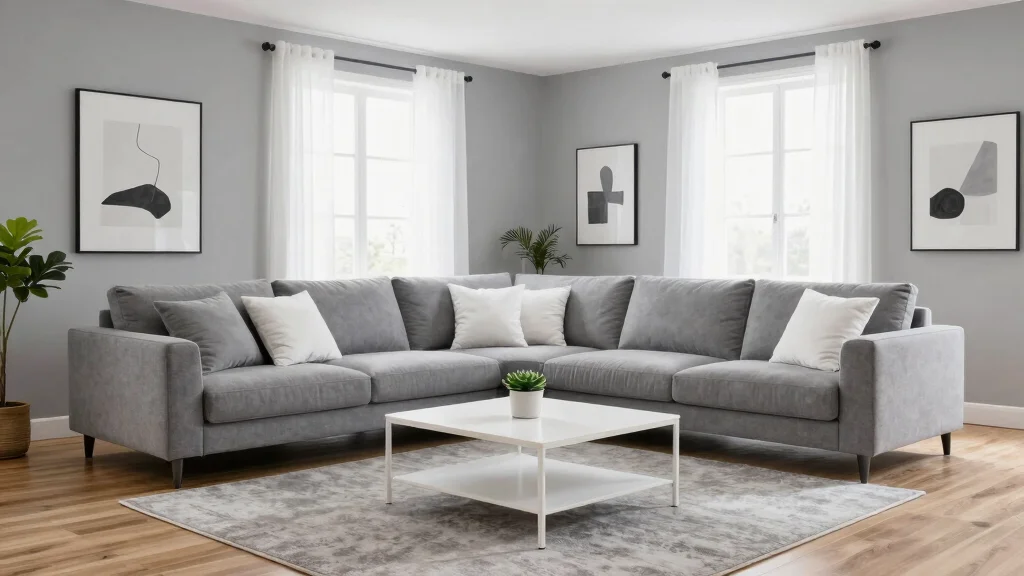
19 Stunning Gray And White Living Room Ideas That Redefine Minimalism (You’ll Love #12!)
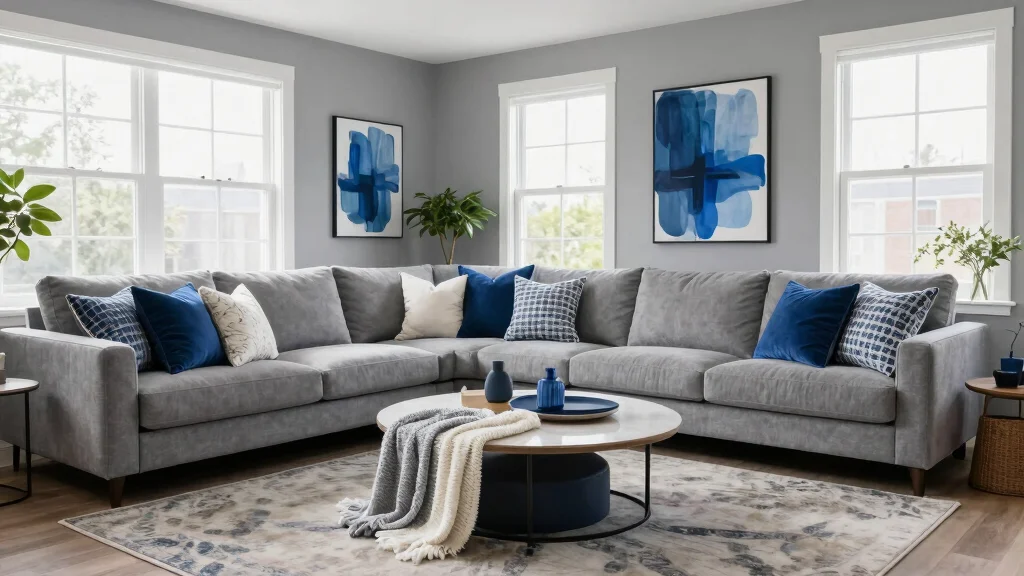
19 Stunning Blue And Gray Living Room Ideas That'll Inspire Your Next Makeover!
How To Choose the Right Color Palette for Your Living Room
Choosing the right color palette for your living room can significantly affect the mood and functionality of the space. A well-thought-out color scheme helps create a welcoming atmosphere and can even make your room feel larger or cozier. Here are some key selection criteria to keep in mind:
1. Consider Your Lifestyle
Think about how you use your living room daily. If you have kids or pets, a light color may not be the best choice due to stains. Darker colors can hide wear and tear better. Choose a palette that reflects your daily routines and activities, making it practical for your lifestyle.
2. Identify Your Style
Your personal style should guide your color choices. Are you drawn to modern, minimalist designs, or do you prefer a cozy, traditional feel? Look at your existing decor and furniture to find colors that complement them. A color palette that aligns with your style will make the space feel cohesive and genuine.
3. Use the 60-30-10 Rule
A popular guideline in interior design is the 60-30-10 rule. This rule suggests using 60% of a dominant color, 30% of a secondary color, and 10% of an accent color. For example, if you choose a neutral wall color (60%), pair it with a bold sofa (30%) and vibrant accessories (10%). This balance creates visual interest without overwhelming the room.
4. Test Your Colors
Before committing to a color scheme, test samples on your walls. Colors can appear differently depending on the lighting and time of day. Apply swatches in various areas of the room to see how they look throughout the day. Take your time with this step; it can save you from a costly mistake later on!
5. Keep Lighting in Mind
Lighting plays a crucial role in how colors appear. Natural light can brighten colors, while artificial light can cast a warm or cool tone. Always assess your living room’s natural light sources. If your room is darker, lighter colors can help open up the space, while brighter hues can add warmth to a sun-drenched area.
6. Seek Inspiration
Look for inspiration in magazines, online platforms, or home decor stores. Create a mood board with images that resonate with you. Collect different color combinations that catch your eye. This will help you visualize the overall feel and ensure that your chosen palette is one you truly love.
Pro Tip: Use color psychology to influence the mood of your space. For instance, blues and greens promote calmness, while yellows and oranges can energize a room. Choose colors that enhance the atmosphere you wish to create!
Taking the time to select the right color palette can transform your living room into a stylish and functional space. By considering your lifestyle, personal style, and the impact of lighting, you will find a color scheme that not only looks great but also feels right for you. Happy decorating!
9. Choosing the Wrong Rug Size
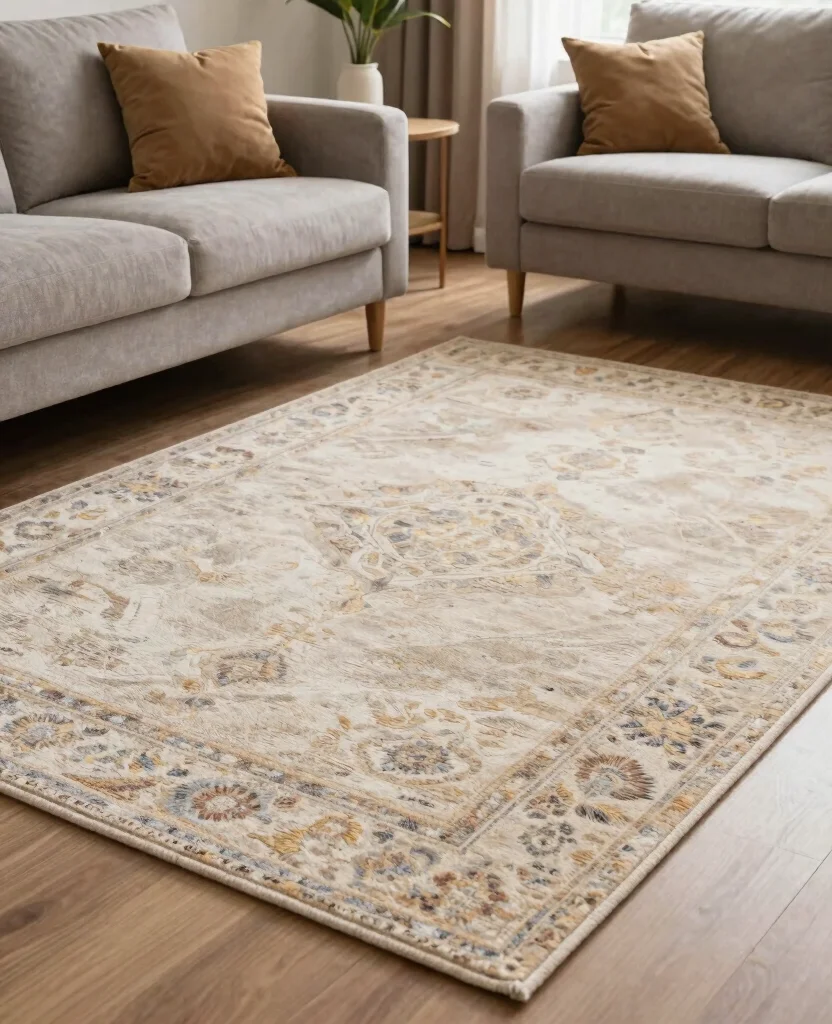
Rugs can bring together a living room, but selecting the wrong size can create visual disarray. A small rug may fragment the space, while an oversized one can feel overwhelming. Aim for a rug that accommodates your seating comfortably, ideally allowing at least the front legs of furniture on it.
This creates a cohesive and inviting atmosphere.
Keep these rug sizing tips in mind:
– Measure your space to determine the best size.
– Go larger if unsure; it’s easier to downsize.
– Consider room shape when selecting a rug; round rugs break up boxy spaces.
The right rug adds warmth, texture, and beauty to your living room.
10. Neglecting Storage Solutions
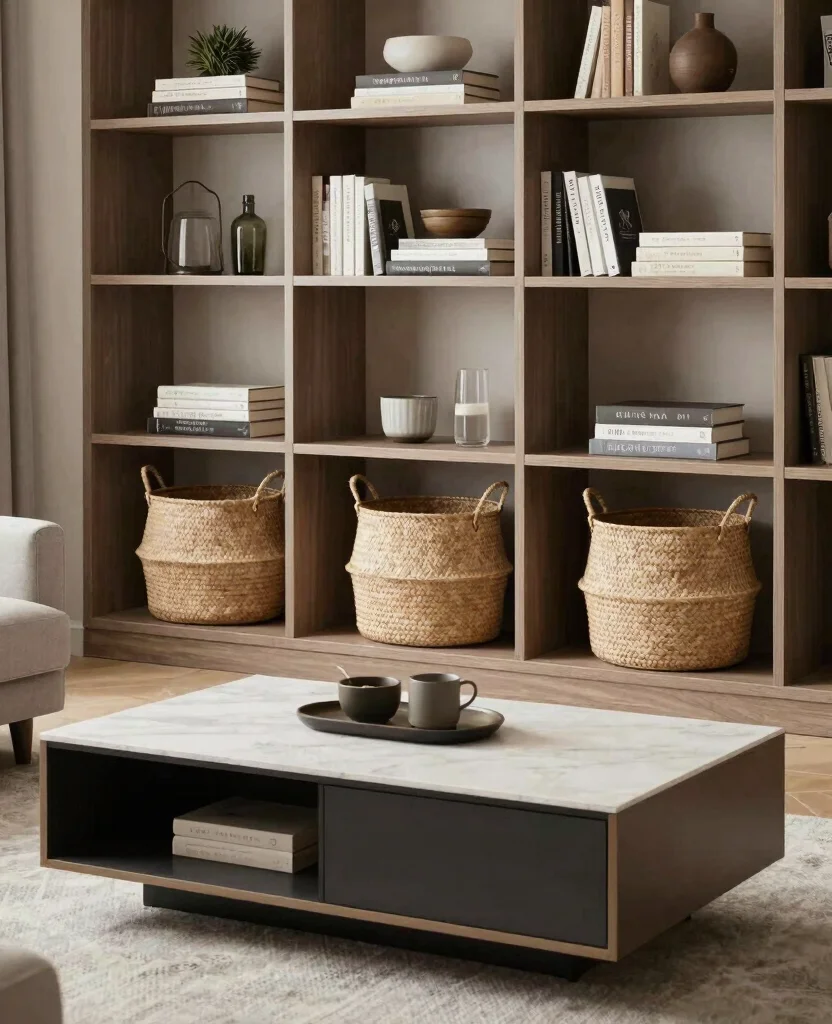
A cluttered living room often stems from insufficient storage options. When everyday items lack designated places, the space can quickly become chaotic.
Fortunately, incorporating storage solutions doesn’t mean sacrificing style! There are numerous chic options like decorative baskets and multifunctional furniture that can resolve clutter while enhancing decor.
Smart storage keeps your living room tidy and stylish.
Consider these storage tips:
– Use ottomans with hidden storage for blankets.
– Invest in shelving units that display decor.
– Choose furniture with built-in storage options.
Sufficient storage maintains a clean and inviting living room while keeping your style intact.
11. Forgetting the Impact of Accessories
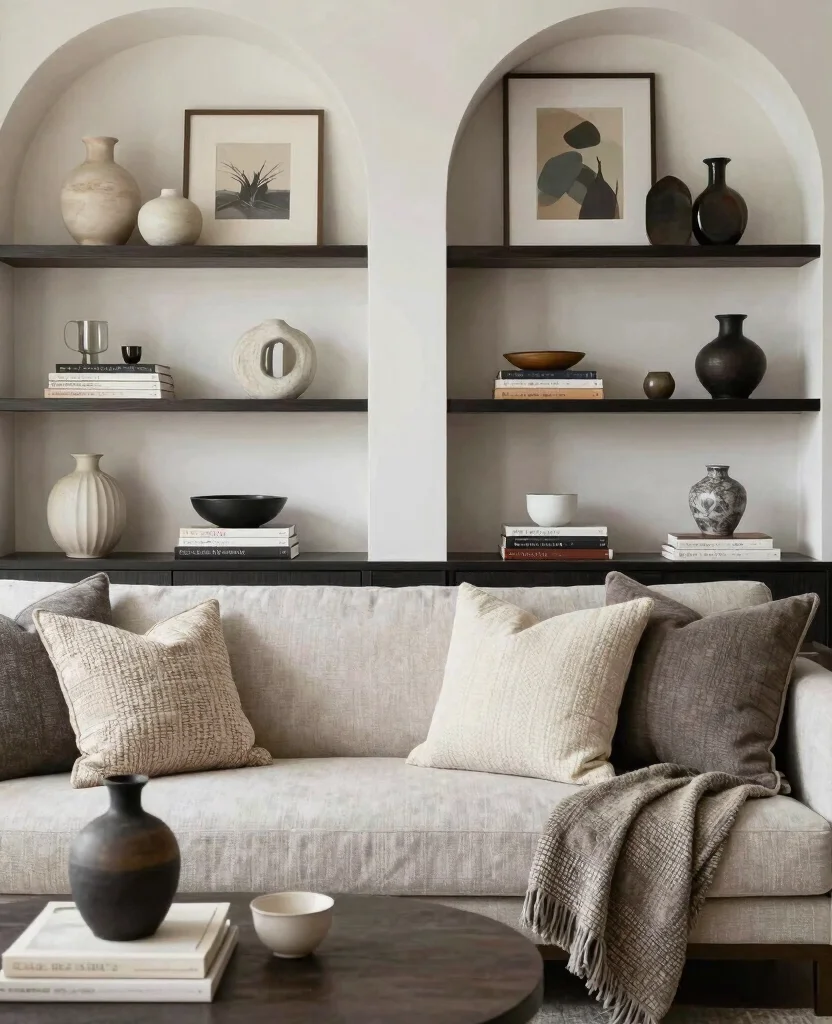
Accessories are the final touch that can elevate your living room design. However, many either over-accessorize or under-accessorize, leading to visual chaos or an uninspired space.
Strive for balance by selecting accessories that enhance your theme and reflect your personality without overcrowding. Mixing textures, colors, and shapes adds visual intrigue.
Aim for a well-rounded display that feels curated yet personal.
Use these accessory tips:
– Group items in odd numbers for dynamic displays.
– Incorporate various materials for depth.
– Change accessories seasonally for a fresh look.
Thoughtfully chosen accessories can transform your living room from bland to beautiful.
12. Relying Solely on Trends
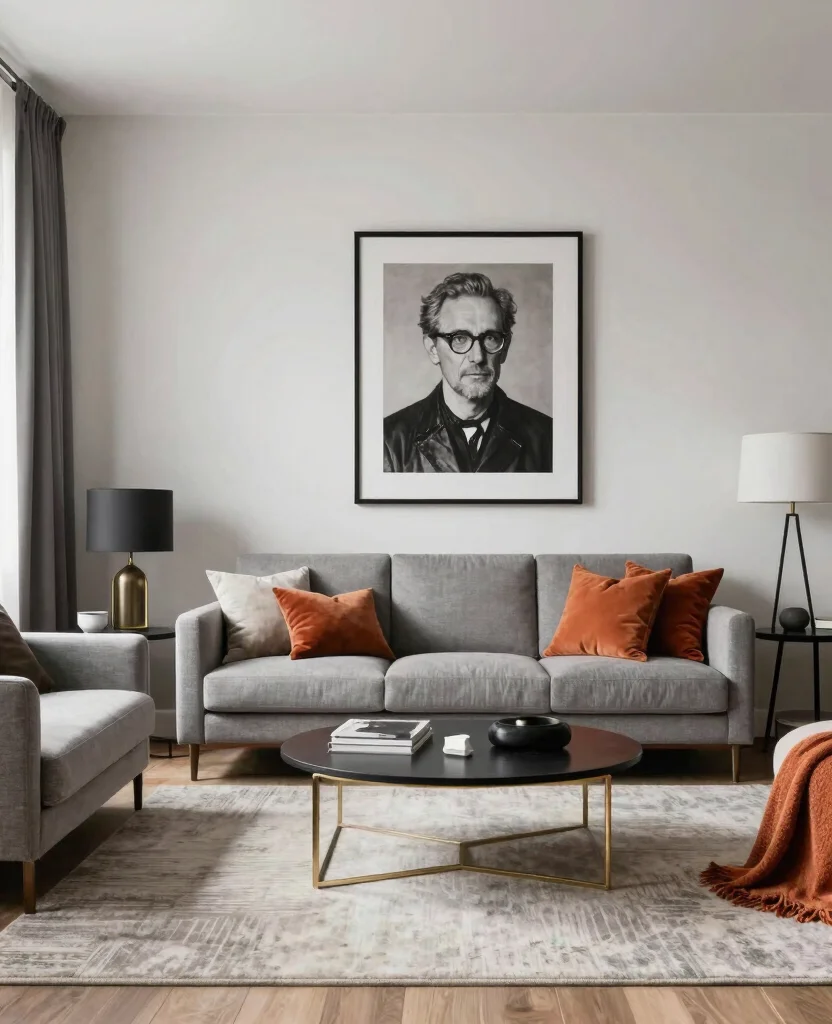
While it’s tempting to follow the latest interior design trends, relying entirely on what’s currently popular can lead to a living room that feels temporary.
Trends come and go, and what’s fashionable today may appear outdated tomorrow. Incorporate trends in moderation, perhaps through accessories or accent pieces, while anchoring your design with timeless elements.
This approach ensures your living room remains both current and uniquely yours.
Consider these timeless design tips:
– Invest in classic furniture that endures.
– Use trends to inspire color choices rather than defining your entire scheme.
– Create a comfortable space that resonates with your personality.
Balancing trendy and timeless elements will create a living room you love for years.
Relying Solely on Trends
Editor’s Choice


13. Skipping on Textures
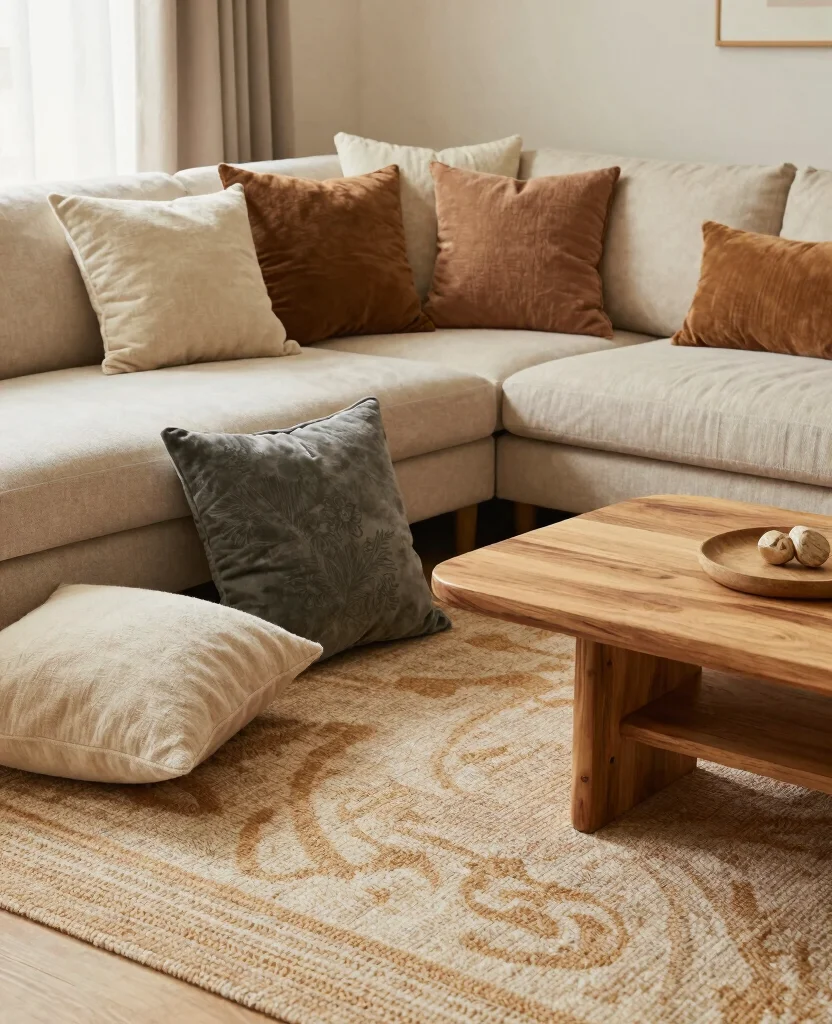
A living room devoid of texture can feel flat and uninviting. Textures add depth and interest to your design, creating a rich sensory experience.
Mixing materials such as velvet, wood, metal, and glass can achieve a layered, inviting look. Incorporate throw pillows, blankets, and rugs to introduce texture without major renovations.
Focusing on textures makes your space dynamic and appealing.
Keep these texturing tips in mind:
– Use various fabrics in your pillows and upholstery.
– Incorporate wooden elements for a natural touch.
– Layer rugs to enhance dimension and warmth.
By emphasizing texture, your living room will feel more inviting and visually captivating.
14. Neglecting the Entry to Your Living Room
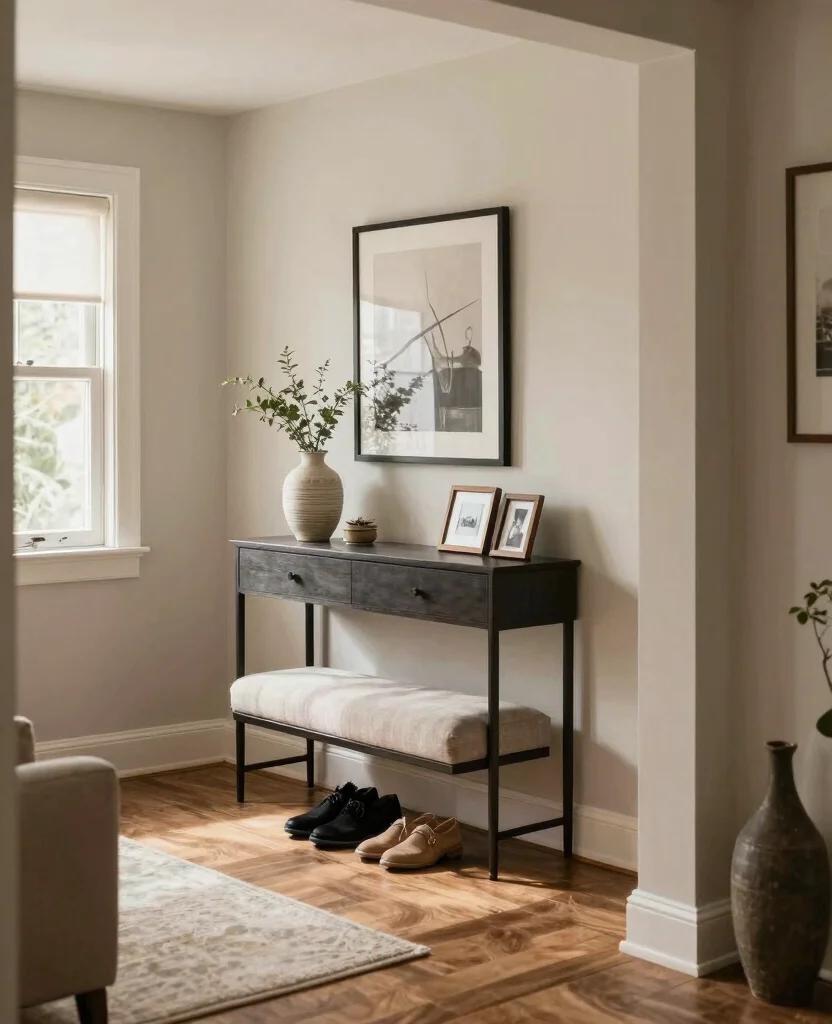
The entry to your living room sets the tone for the entire space, yet it often gets overlooked. A welcoming entrance fosters a positive first impression and encourages guests to feel comfortable.
Make your entry inviting through thoughtful decor, furniture arrangement, and lighting. Consider placing a stylish console table or a bench to create a transition area.
Enhancing your entryway invites warmth and hospitality.
Here are some entryway tips:
– Use mirrors to reflect light and create space.
– Add personal touches like framed photos.
– Keep the area clutter-free for a smooth entry.
A well-decorated entryway encourages a warm atmosphere in your living room.
You Might Also Like
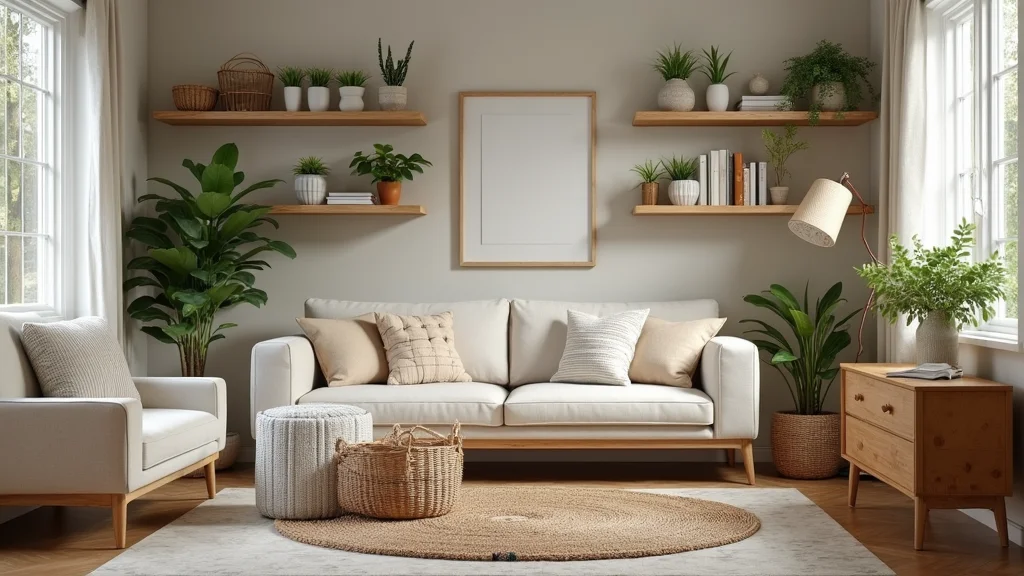
19 Living Room Storage Ideas That'll Declutter Your Space And Blow Your Mind!
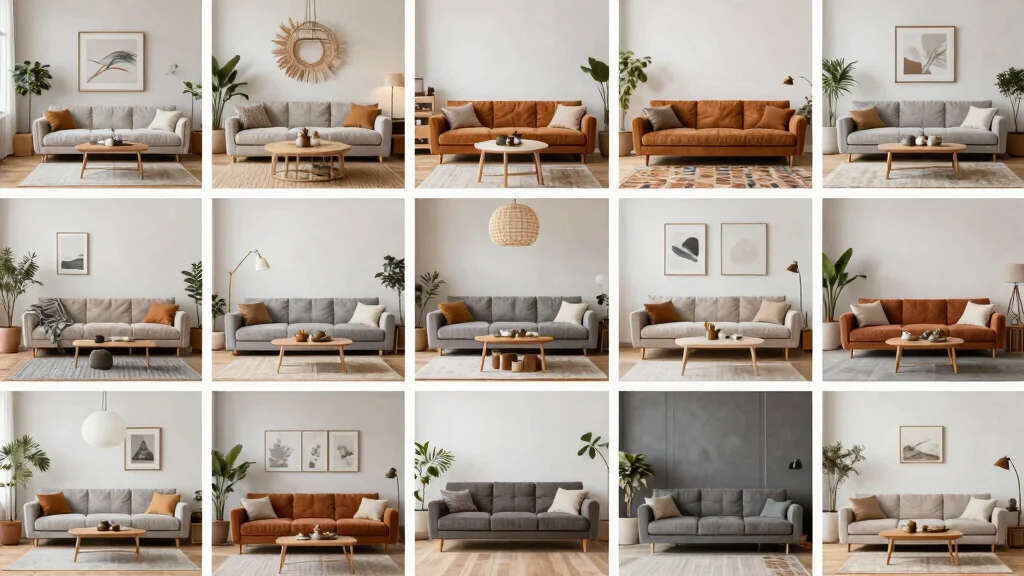
12 Stunning Types Of Living Room Styles And Layouts Designers Swear By!
15. Neglecting Personal Style
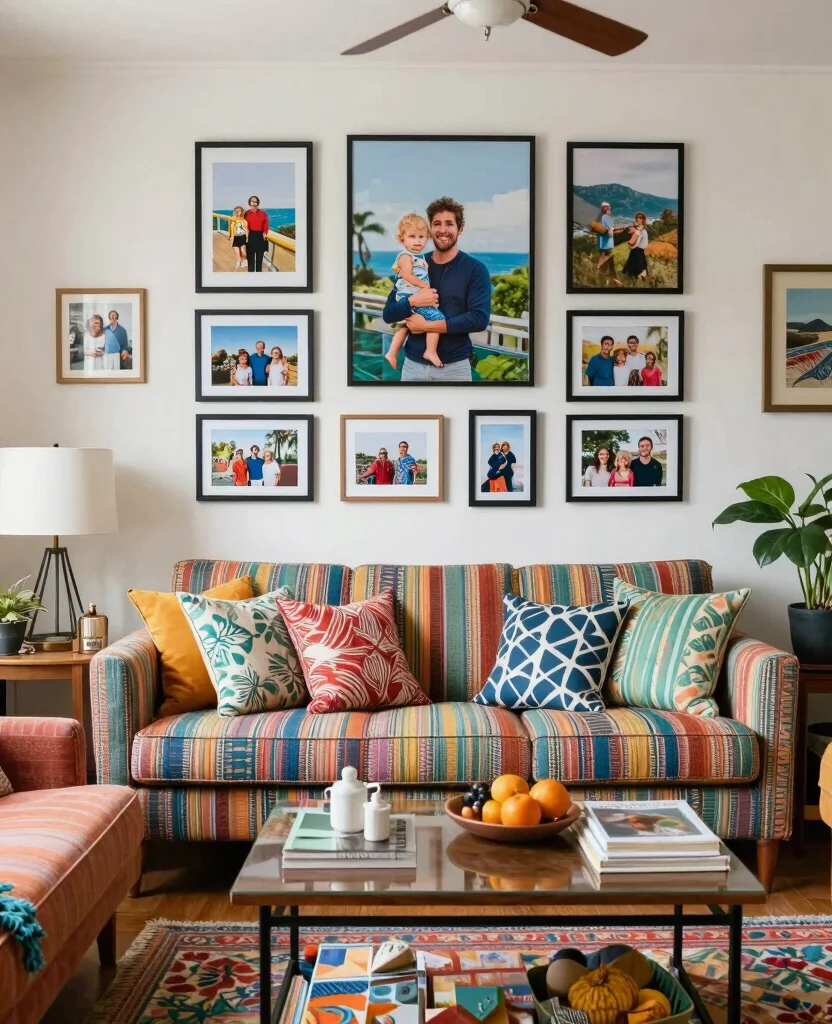
Your living room should reflect your unique personality, yet many design for others instead of themselves. Whether you adore rustic charm, sleek modernism, or vibrant bohemian styles, infusing personal touches is vital.
A space lacking individuality can feel sterile and unwelcoming. Incorporate items that tell your story, such as family photos, travel mementos, or meaningful art.
Personalization creates a living room that feels like home.
Keep these personalization tips in mind:
– Display items that evoke cherished memories.
– Experiment with colors and patterns that excite you.
– Mix styles that represent different life experiences.
Embracing your personal style ensures your living room has character and warmth.
16. Overcomplicating Your Design
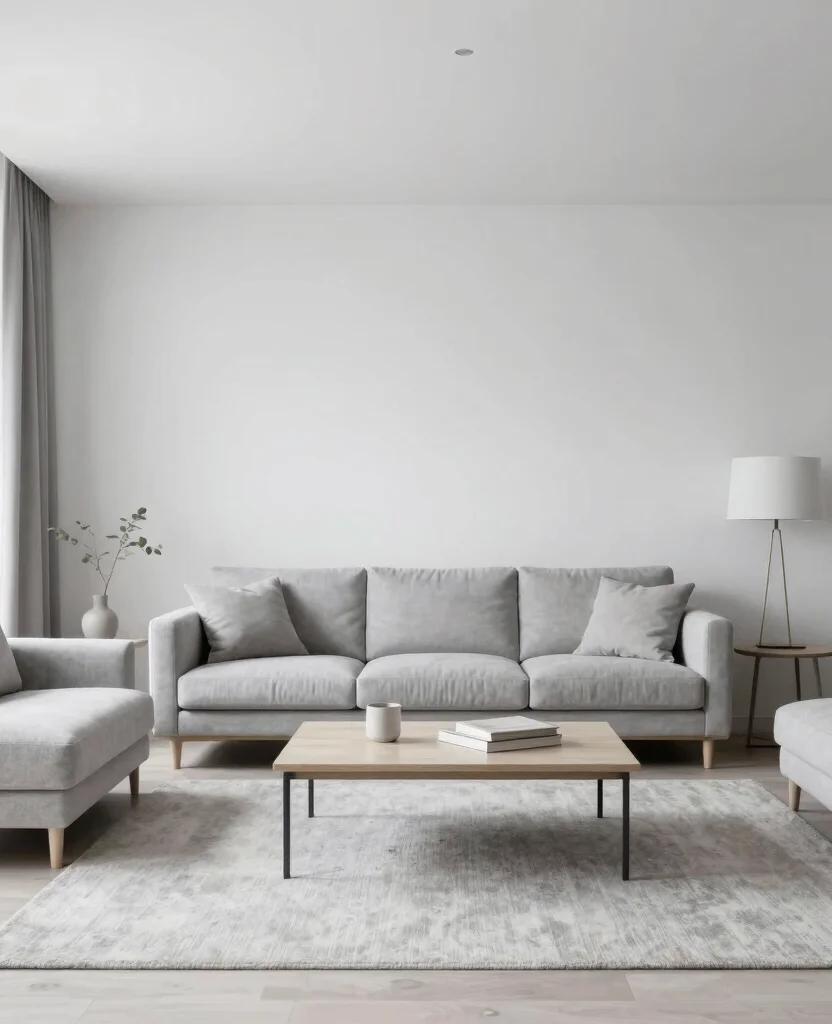
Sometimes, less is more! Overcomplicating your living room design with too many themes, colors, or styles can lead to confusion.
A cohesive design focused on key elements creates a polished look. Reflect on your design goals and keep them straightforward. Choose a dominant style to guide your choices in color and decor.
Simplifying your design leads to a more harmonious space.
Consider these simplifying tips:
– Limit your color palette to two or three main shades.
– Stick with one or two design styles for cohesion.
– Remove items that do not enhance the design.
By simplifying your approach, your living room will feel more intentional and inviting.
17. Ignoring the Need for Comfort
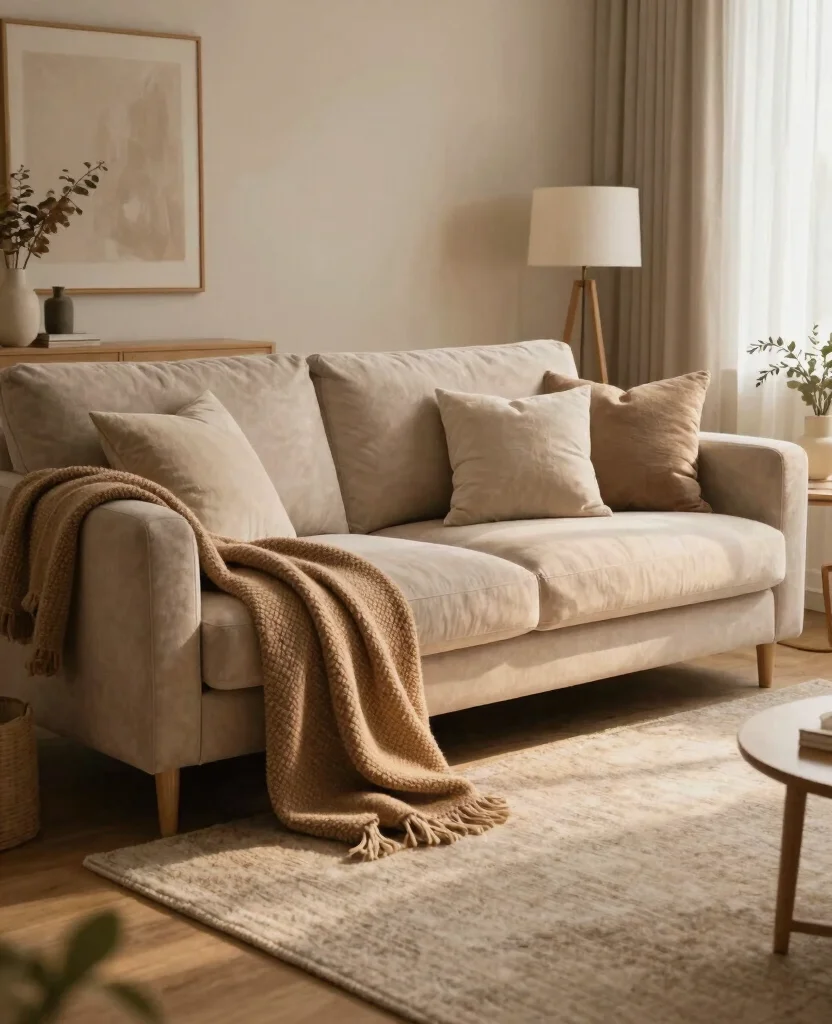
While aesthetics are vital in living room design, comfort should never be overlooked. A beautiful room that lacks comfort won’t be enjoyed to its fullest potential.
Ensure your furnishings are inviting and functional, promoting relaxation. Soft fabrics, cozy throws, and thoughtful seating arrangements contribute to a welcoming environment.
Comfort is essential for a warm and inviting living space.
Here are some comfort tips:
– Choose high-quality, comfortable seating to encourage relaxation.
– Layer in soft fabrics for warmth and coziness.
– Ensure easy movement and access to seating.
A comfortable living room creates a space you’ll love to spend time in.
18. Not Considering Future Changes
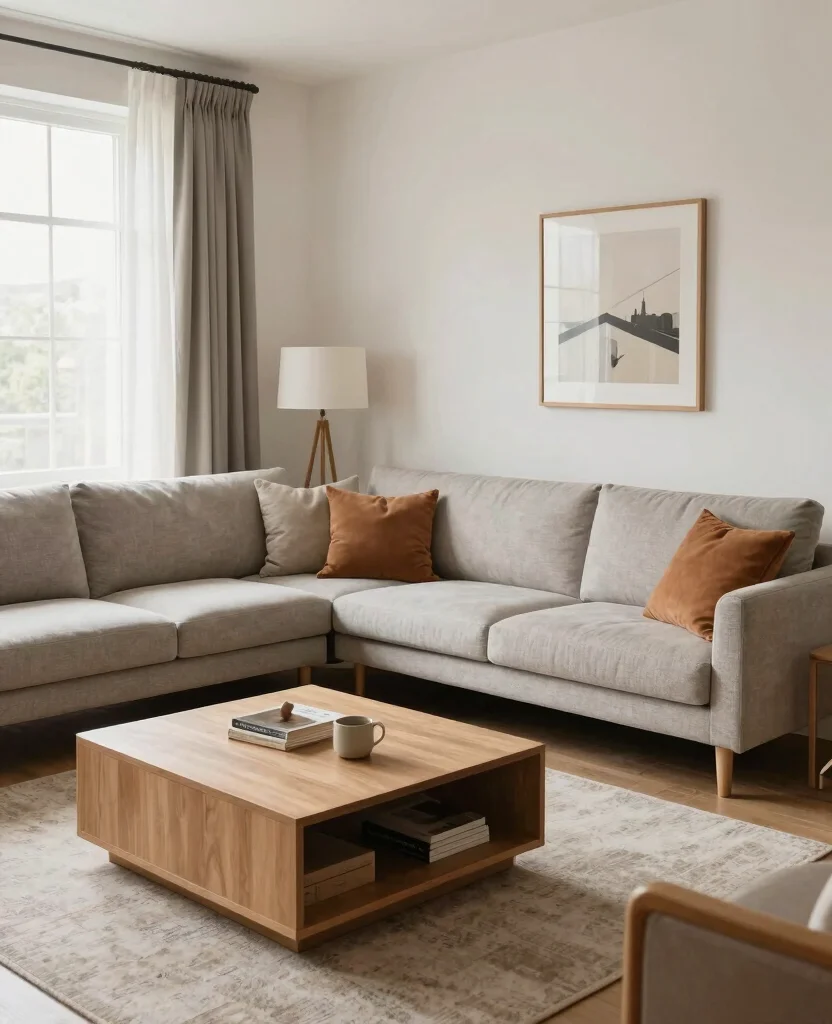
Designing a living room is an ongoing process that may require future adjustments. Failing to consider how your needs might change can lead to a space that feels outdated over time.
Think about your current lifestyle and how it may evolve. If you plan to grow your family or change living arrangements, incorporate elements that are adaptable.
Future-proofing your design ensures longevity and practicality.
Here are some future-proofing tips:
– Invest in multifunctional furniture for versatility.
– Choose neutral colors that evolve with your style.
– Focus on a classic foundation while observing trends.
Being mindful of potential changes ensures your living room remains functional and beautiful.
19. Ignoring the Importance of Maintenance
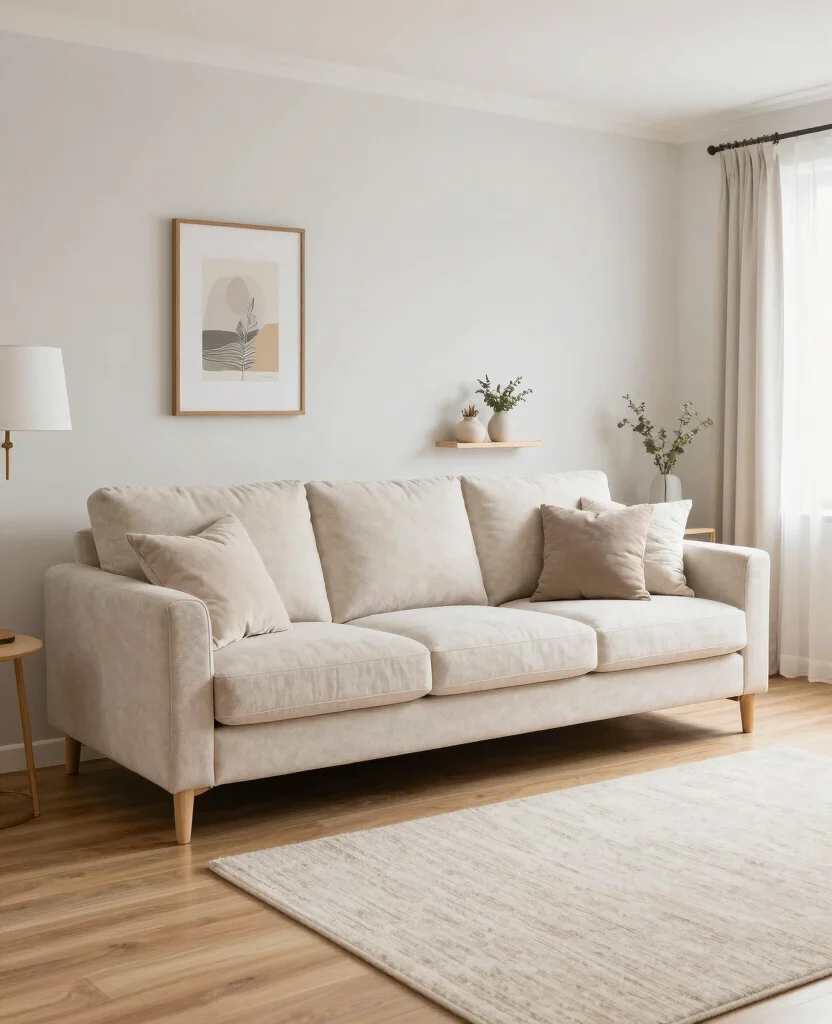
Lastly, a common oversight in living room design is neglecting maintenance. A stunning room can quickly lose its charm if not properly cared for.
Dust, stains, and wear can diminish the appeal of your space. Make maintenance a priority by selecting materials that are easy to clean and durable.
Regular cleaning routines will help maintain a fresh and inviting living room.
Keep these maintenance tips in mind:
– Choose stain-resistant fabrics for upholstery.
– Regularly dust and clean surfaces for a polished look.
– Update decor seasonally for a refreshed aesthetic.
Staying on top of maintenance helps preserve the beauty of your living room for years.
Conclusion
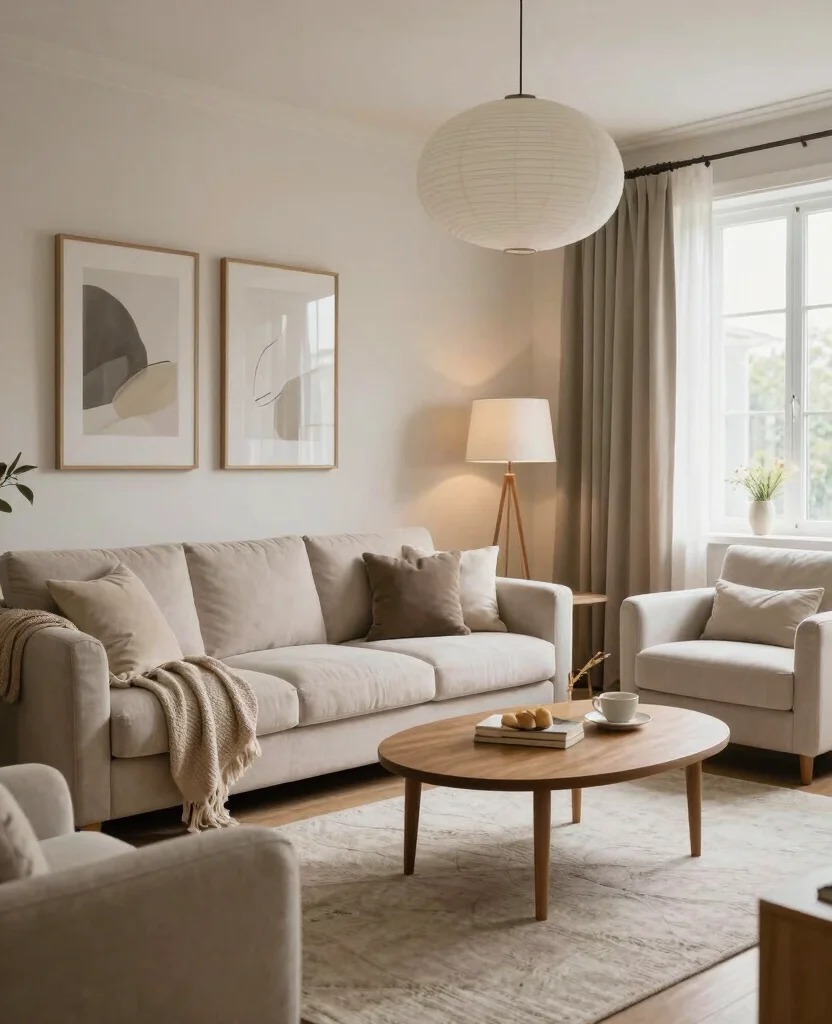
Designing your living room is a journey that can be filled with trial and error. By avoiding these common mistakes, you can create a space that feels cohesive, inviting, and uniquely yours. Take the time to reflect on your style, function, and personal needs, and don’t forget to enjoy the process!
Transforming your living room into a haven of comfort and style will not only enhance its aesthetic appeal but also improve your overall mood and well-being. Let your creativity shine as you curate a space that speaks to your heart.
Note: We aim to provide accurate product links, but some may occasionally expire or become unavailable. If this happens, please search directly on Amazon for the product or a suitable alternative.
This post contains Amazon affiliate links, meaning we may earn a small commission if you purchase through our links, at no extra cost to you.
Frequently Asked Questions
Q. What are the biggest living room mistakes that ruin your space, and how can you fix them quickly?
Big living room mistakes come from poor scale, layout, and clutter—define a focal point, allow clear walkways, and size furniture correctly. Stick to a simple color palette, balanced textures, and smart storage to keep the space cohesive and functional.
Q. How do I get the furniture scale right and arrange seating to avoid a cramped or empty living room?
Start with the room size and anchor with a main piece, usually a sofa, then add seating that fits without crowding. A good rule of thumb: furniture length should feel 2/3 to 3/4 of the wall it sits on, and leave 18–24 inches of clearance around the coffee table for foot traffic.
Create a natural conversation area by angling chairs toward the focal point and placing side tables within arm reach.
Use a rug that fits the seating group—ideally, all front legs of the main sofas and chairs sit on the rug—to unify the space and improve proportions.
With the right scale and layout, your living room will feel balanced and inviting rather than cramped or sparse.
Q. Why is lighting a game changer in living room design, and what lighting layers should I include?
Use layered lighting—ambient, task, and accent—to shape mood and make the room feel larger. Mix lamps at different heights with warm 2700–3000K bulbs and dimmers for a cozy, flexible space.
Q. What are common rug and color mistakes in living room design, and how do I create a cohesive home decor palette?
Two common mistakes are using a rug that’s too small and mixing too many colors or patterns. Choose a rug that anchors the seating and stick to a neutral base with 1–2 accent colors, balancing patterns with solid textures for a cohesive look.
Q. How can I curb clutter and maximize storage in a living room without sacrificing style?
Clutter kills space, so rely on hidden and vertical storage like ottomans, drawers, baskets, and closed shelving. Use simple decluttering habits and cord management to keep the living room tidy without sacrificing style.
How can I curb clutter and maximize storage in a living room without sacrificing style?
Clutter is the silent space killer. Start with multiples of hidden storage: ottomans with hidden compartments, coffee tables with drawers, and stylish baskets for blankets and remotes.
Use vertical storage like shelves with closed cabinets to keep surfaces clean. Declutter regularly with a simple routine—one in, one out—and use everyday items that pull double duty so you’re not constantly stashing things away. Choose cord management solutions to tame cables and electronics without breaking the design. With thoughtful storage and mindful display, you’ll keep the room tidy while still enjoying great home decor.
